Mercedes-Benz Threatens German Plant Closures Over Labour Costs
Mercedes-Benz has stopped all further investment in its German plants and warned that factory closures are becoming more likely unless labour costs fall. Production chief Michael Schiebe made the statement in an internal interview first reported by Handelsblatt and the Financial Times, electrive and Carscoops wrote on 13 November.
Key takeaways
- The board jointly decided to halt investment at German sites while wage talks are stalled.
- Management wants a 40-hour week at the same pay, five hours more than the industry standard.
- Handelsblatt reports a savings target of 800 million euros a year.
- Mercedes builds cars at Sindelfingen, Bremen and Rastatt; the reports did not single out a plant for closure.
What Mercedes-Benz said about its German plants
"The current cost structures do not allow us to invest in Germany," Schiebe said in the interview on the company intranet. He argued that an hour of production labour in Germany can cost up to five times as much as in Eastern Europe, and that costs in the US, though high, are significantly lower. Because of long lead times, Mercedes has to decide soon where its next-generation models will be built. If costs are not restructured, Schiebe said, successor products would be made exclusively abroad. Carscoops pointed to the Kecskemét plant in Hungary, which employs about 5,000 people and already builds combustion, plug-in hybrid and electric cars, including electric versions of the A-Class, C-Class and GLB.
The demands and the plants at stake
According to Handelsblatt, management wants longer hours without extra pay and cuts to, or the end of, Christmas and holiday bonuses and the annual profit-sharing payment. The board would also give up part of its own pay. Chief executive Ola Källenius wants to abolish the 35-hour week, and the dispute has been running since late June. IG Metall and the general works council have vowed to fight any closure.
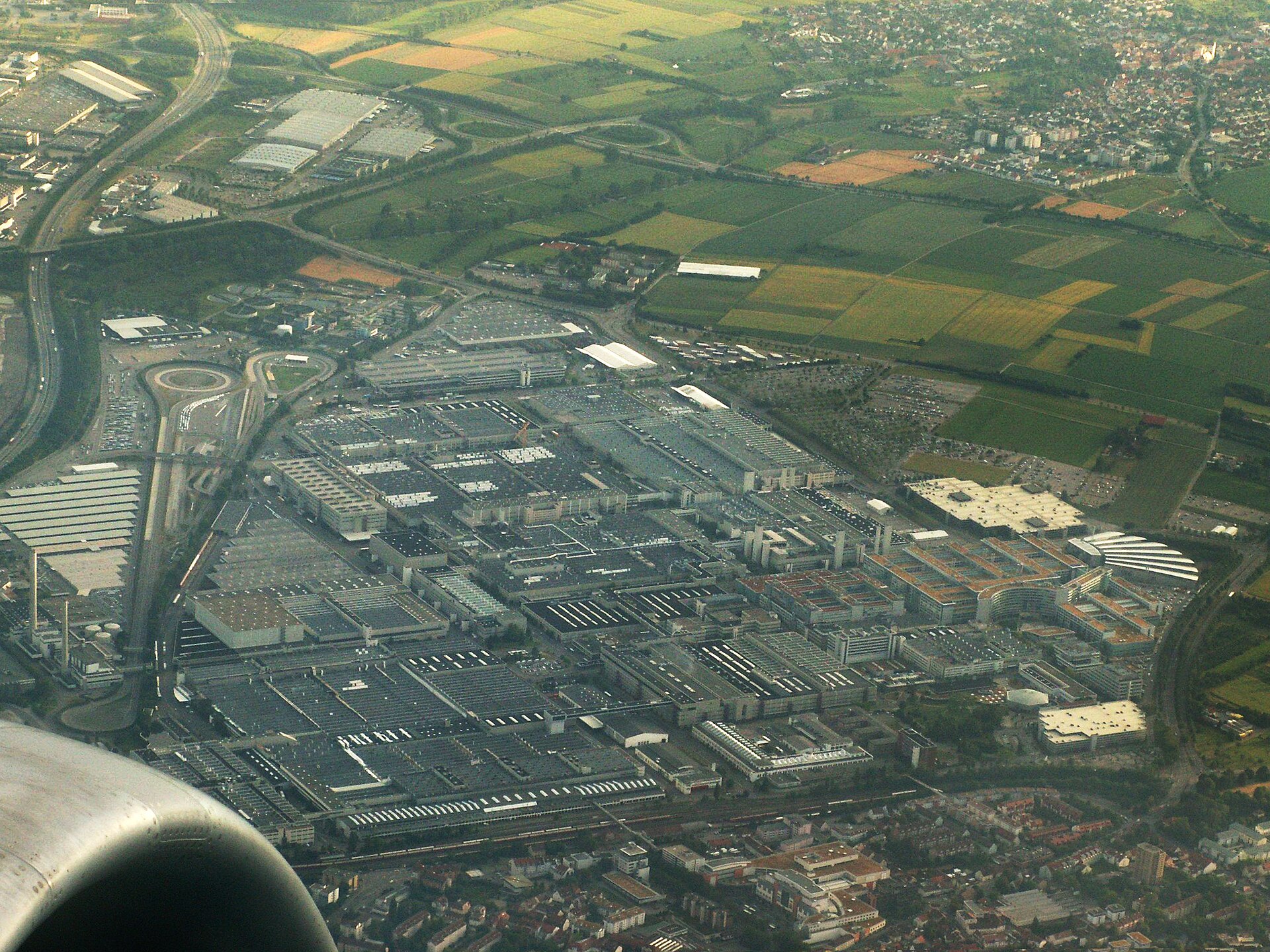
The three German car assembly plants are large employers: Sindelfingen has about 31,500 staff, Bremen 10,500 and Rastatt 7,000, Carscoops reported. Sindelfingen builds the flagship Mercedes-Benz S-Class and the E-Class. Its German component plants are Stuttgart-Untertürkheim, AMG's home in Affalterbach, Berlin, Hamburg, Kamenz, Kölleda and Arnstadt.
Why Mercedes wants lower costs now
Sales have been falling, which the reports put down to the collapse of the Chinese business, US tariffs and the effects of the Iran war. Carscoops reported that Mercedes sales in China dropped 31% in the third quarter of 2026 and that expected returns for 2026 are 2-3%, far below the double-digit margins the company was aiming for. Mercedes had already withdrawn its sales and production forecast in the summer and warned of lower profits a few weeks before the interview. The threat follows other cutbacks in German car making, including the pause in development of the electric Volkswagen ID.Golf in October.
What happens next
The negotiations with IG Metall continue, and nothing has been closed yet. For buyers, the dispute does not affect current models, but the decision on where future cars are built could change the origin of a Mercedes-Benz bought later this decade.
Sources
- electrive: Mercedes board threatens to close German plants and stop investments in Germany (13 Nov 2026) (accessed 18 Nov 2026)
- Carscoops: Mercedes Stops Investment In German Factories And Weighs Plant Closures (13 Nov 2026) (accessed 18 Nov 2026)
Found a mistake? Report an error