
UK rapid charging heads towards GBP 1 per kWh as standing charges soar
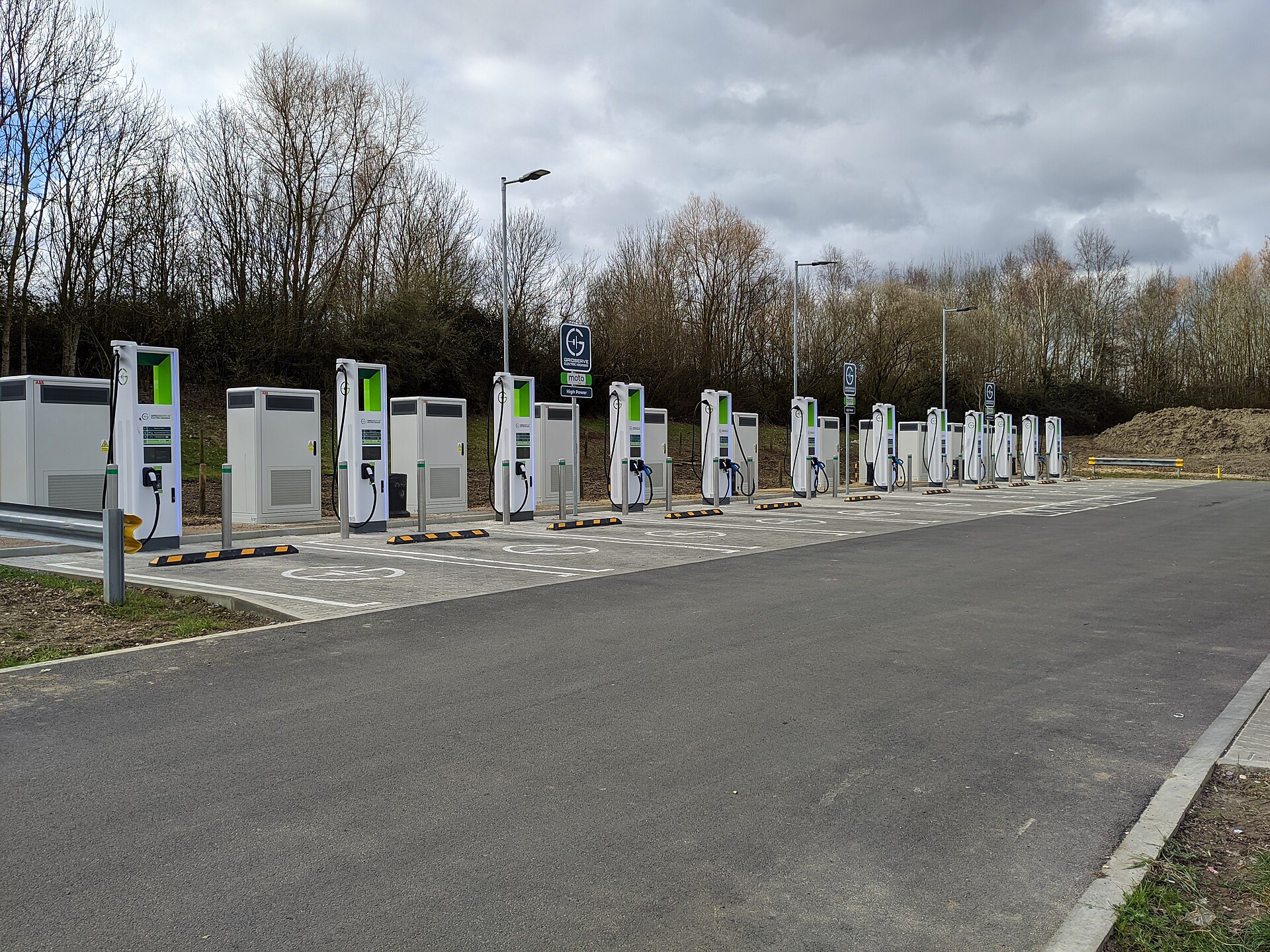
Public rapid charging in the UK could cost more than GBP 1 per kWh in 2027 before VAT, according to an impact assessment by charging firm Zest and The Fast Charge newsletter. The cause is grid standing charges, which operators pay on the maximum capacity of each charger regardless of use, Auto Express reported on 12 November.
Key takeaways
- Projected 2027 rapid-charging price: GBP 1.03 per kWh, excluding VAT and running costs.
- The average weekly standing charge per operator rose from GBP 61.47 in 2021 to GBP 440.13 in 2026.
- A further rise to GBP 541.73 a week is projected for 2027.
- The current average rapid price (above 100 kW) is 79p per kWh, according to ZapMap.
Why UK rapid charging prices are rising
The problem goes back to Ofgem's Targeted Charging Review. Since that change, network charges for chargepoints are based on their maximum connection capacity, not on how much electricity they actually deliver. A quiet rapid site therefore pays almost as much as a busy one. The report models a rapid charger dispensing 3,000 kWh a month and arrives at GBP 1.03 per kWh in 2027. Operating costs add 6-10p per kWh depending on location, and VAT at 20 per cent comes on top. Ultra-rapid chargers of 350 kW or more could hit the GBP 1 mark sooner, because their capacity-based charges are higher.
What a charge would cost
Auto Express uses a 60 kWh Tesla Model Y RWD as an example. A 10-80 per cent charge at the current average of 79p per kWh costs GBP 33.18. At GBP 1.03 per kWh the same stop would cost GBP 43.26, about GBP 10 more. The general picture of home and public prices is set out in the guide to the cost of charging an electric car.
What the industry says
Robin Heap, founder and chief executive of Zest, said the switch to capacity-based network charges was never meant to slow the move to electric cars. Jarrod Birch, head of policy at ChargeUK, said the largely pre-profit sector can no longer absorb extra costs, so operators must either raise prices or invest less. Report author Tom Riley called the standing charges a feudal tax and said Ofgem has known about the issue for at least a year.
The government's own review of public charging costs said the tension between EV goals and current rules must be addressed urgently. Proposals to move quieter rapid sites into lower standing charge bands have not been implemented, and the GBP 100 million announced in the 2026 Autumn Budget targets slower local chargers, not rapid hubs.
What it means for drivers
Drivers who can charge at home on an off-peak tariff are largely shielded, which makes a home wallbox even more valuable. Those who rely on rapid chargers should compare networks and memberships, since list prices already vary widely. The figures are a projection, so the final price will depend on whether Ofgem changes the rules before 2027. More on charging speeds is in the EV charging guide.
Sources
- Auto Express: EV drivers brace for GBP 1 per kWh charging prices as standing charges skyrocket (12 Nov 2026) (accessed 18 Nov 2026)
Found a mistake? Report an error


