 Fiat Palio
All generations, specs and history
Published Sources (1) Report an error
By Felix Hartmann, Automotive Technology & EV Contributor
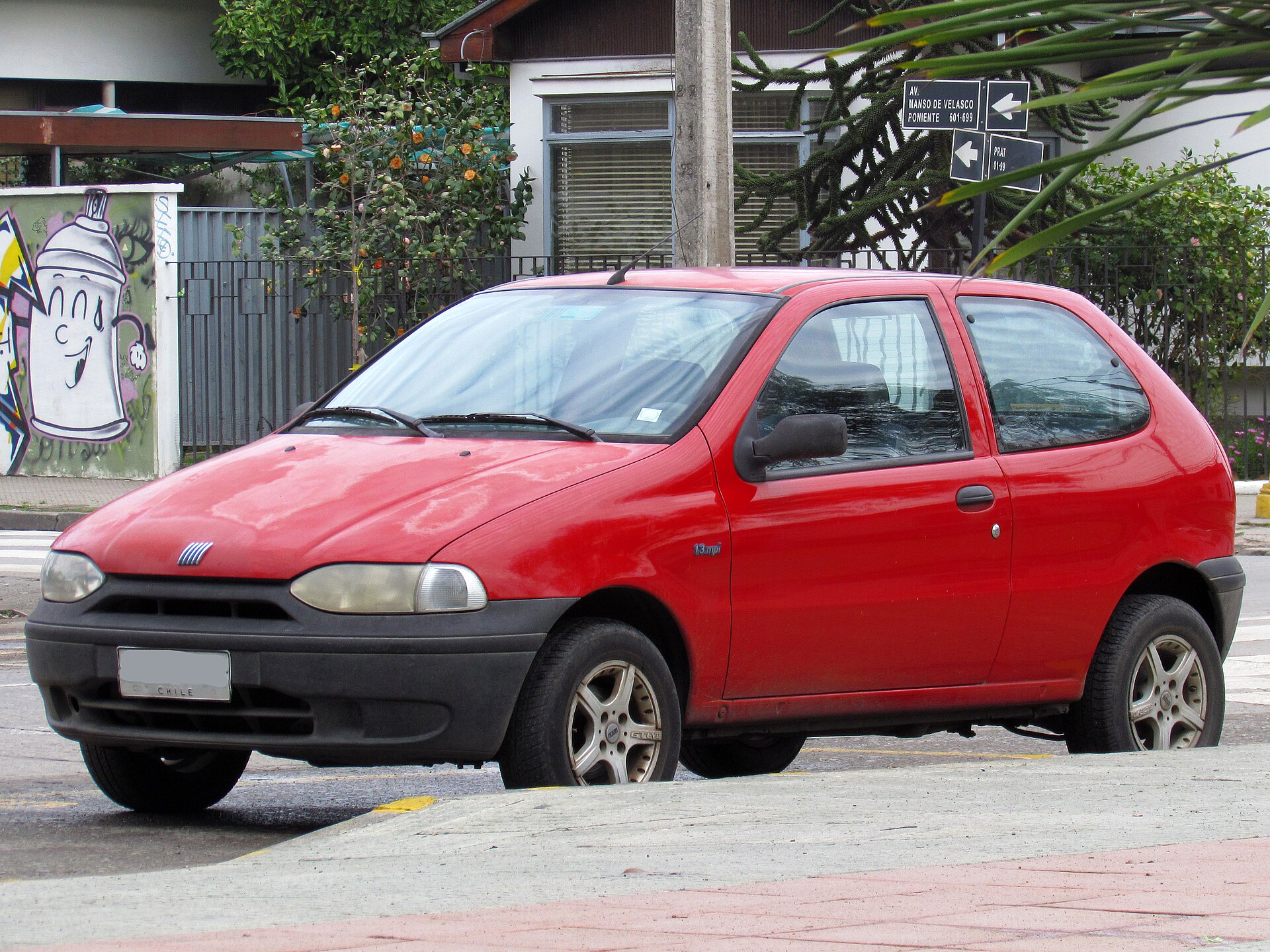
- Built
- 1996–2020
- Generations
- 2
Timeline
Palio generations
Click a generation for its own page


Newest first · 2 generations since 1996
-
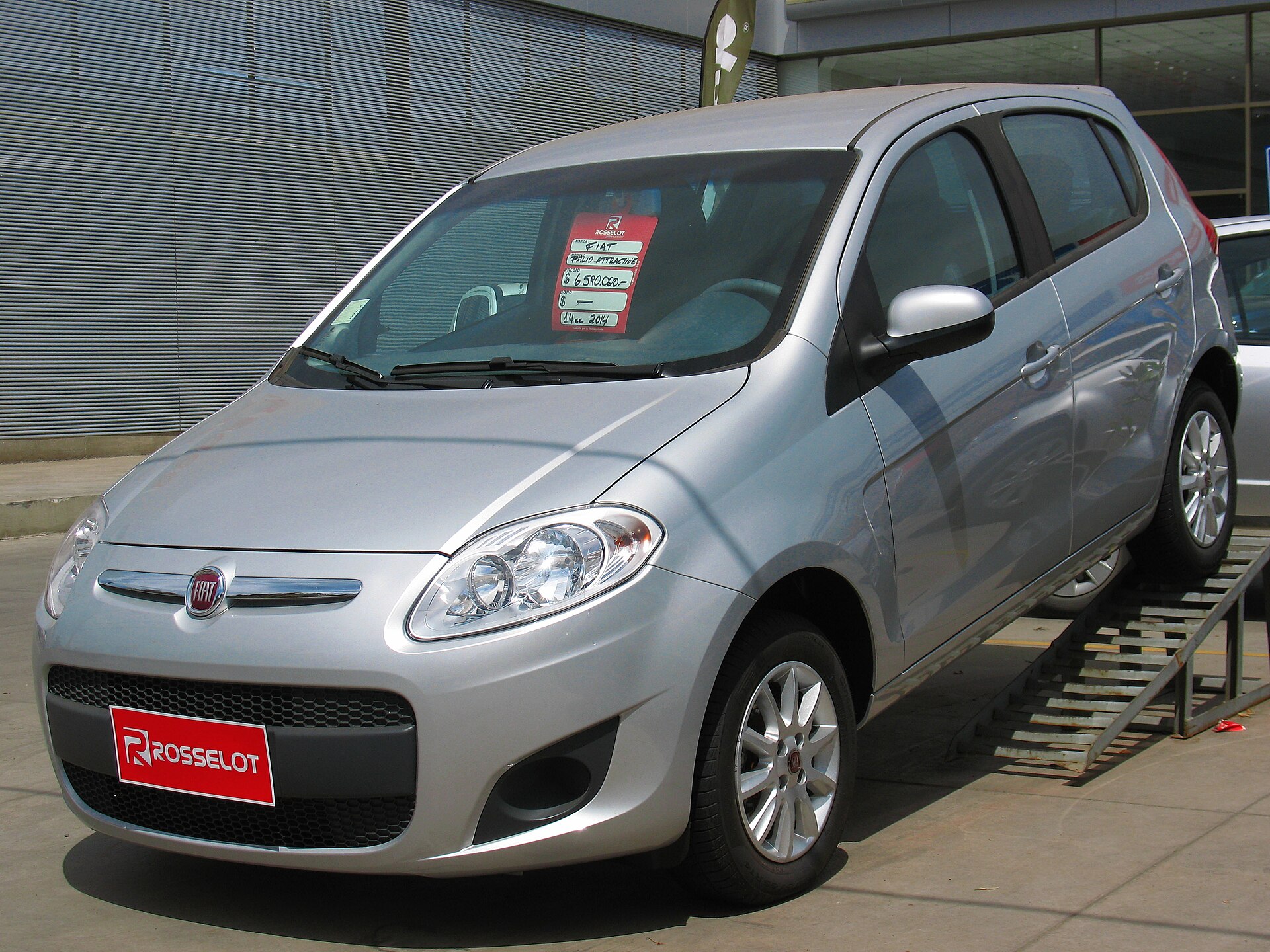
2011
-
1996
All generations by year: Palio II (2011–2017) · Palio I (1996–2010)
Which one is mine?
Pick the year of first registration to see which generation it is.
Check by VINWhich Fiat Palio to choose
Our verdict · Felix Hartmann
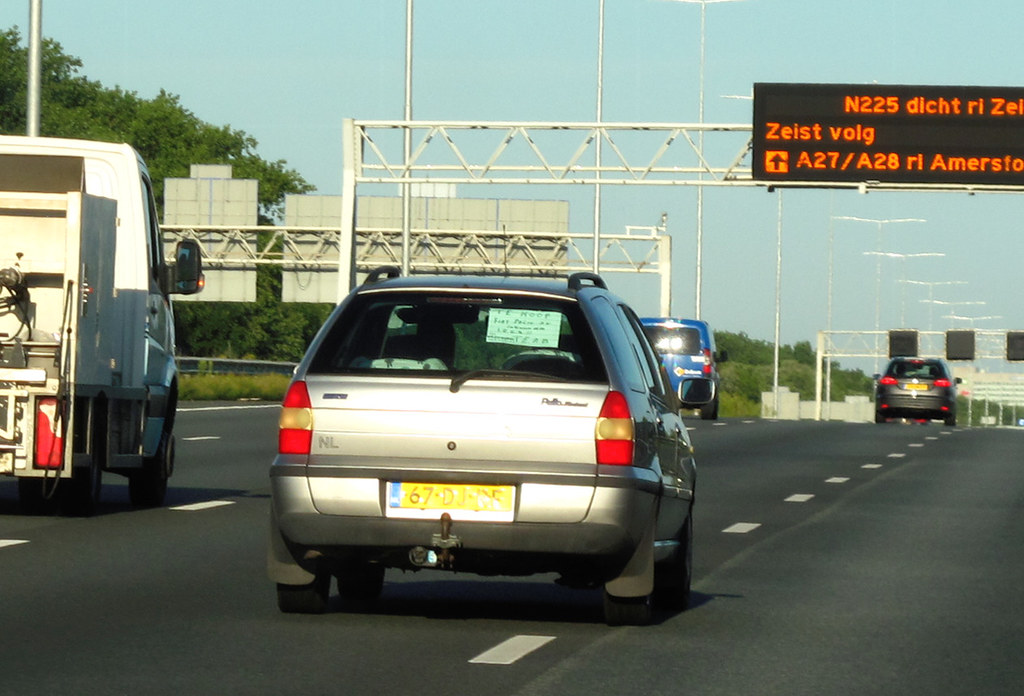
In Europe the Palio Weekend is the realistic choice, as it was the only version sold in German-speaking markets and the main one elsewhere. Cars after the 2001 update have the revised 1.2 and 1.6 engines and the 1.9 diesel; the 1.6 16V with 76 kW is the strongest European petrol. Its age and the poor crash results of the Latin American versions are the main reasons to compare it carefully with newer small estates. Our car comparison tool helps to set a Palio Weekend against a Skoda Fabia Combi or a Fiat Punto of the same years. For a newer small Fiat, see the Fiat Punto.
The Fiat Palio is the small car Fiat developed as its first "world car" under the code Project 178. Launched in Brazil in April 1996, it was built in at least ten countries for emerging markets and was sold in parts of Europe mainly as the Palio Weekend estate. Its hatchback ended with the second generation in 2017–2018, and the Weekend estate was built until 2020.
In short
- First generation (Project 178) from 1996, with major facelifts in 2000, 2004 and 2007; second generation (Type 326) from November 2011.
- Built in Brazil, Argentina, Venezuela, Poland, Morocco, Turkey, India, South Africa, Egypt and China, among others.
- Family of body styles: hatchback, Weekend estate, Siena and Albea sedans, Strada pickup and Adventure crossover.
- European petrol engines ranged from 44 kW (60 PS) to 76 kW (103 PS); the Brazilian 1.8 had up to 97 kW (130 hp) in the second generation.
Fiat Palio at a glance
| Specification | Fiat Palio |
|---|---|
| Production | 1996–2017/2018 (hatchback), Weekend estate to 2020 |
| Project | Project 178, Fiat's first "world car" |
| Design | I.DE.A Institute, Turin (body and interior); facelifts of 2000 and 2004 by Giorgetto Giugiaro |
| Segment | supermini / small family car for emerging markets |
| Body | three- and five-door hatchback, Weekend estate; related Siena, Albea, Strada, Adventure |
| Chassis | developed from the Fiat Uno; MacPherson front, torsion beam rear (independent rear on the Weekend) |
| Engines | 1.0–1.8 petrol and flex-fuel, 1.7 TD and 1.9 diesel, 1.3 Multijet (India) |
| Predecessor / successor | Fiat Mille (Uno) / Fiat Argo |
The Palio appears with Fiat's other models in our Fiat catalogue. Its pickup derivative has a page of its own: Fiat Strada, Brazil's best-selling compact pickup.
Palio generations from 1996 to 2020
| Generation | Code | Years | Body styles | Engines | Power |
|---|---|---|---|---|---|
| First (178) | 178 | 1996–2011 (facelifts 2000, 2004, 2007) | 3- and 5-door hatchback, Weekend estate | 1.0–1.8 petrol, 1.7 TD, 1.9 D, 1.3 Multijet | 44–86 kW |
| Second | 326 | 2011–2017/2018 | 5-door hatchback | 1.0 and 1.4 Evo, 1.6 E-Torq | up to 85 kW (1.6) |
| Weekend (estate) | 178 | 1996–2020 | estate | 1.4, 1.6, 1.8 | up to 97 kW (1.8) |
Project 178: Fiat's world car
Fiat planned Project 178 as one small car for many emerging markets, to be built locally in each region. The body and interior were designed by the I.DE.A Institute in Turin, while the chassis was developed from the Fiat Uno, with MacPherson struts at the front and a torsion beam at the rear. The Weekend estate used the independent rear suspension of the Fiat Punto.
The Palio was launched in Brazil in April 1996, the Weekend in the same year, and Argentina followed in 1996. In 1997 production started in Venezuela, Poland (for Europe) and at Somaca in Casablanca, Morocco, and in 1998 in Turkey. India (in Pune with Tata, later at Ranjangaon) and South Africa, where Nissan assembled the Palio and the Strada, came in 1999, Egypt in 2001 and China, where the Palio was the first Fiat to be built, in 2001–2002.
Brazil remained the main market. Fiat sold 156,930 Palios there in 1996 and a peak of 290,820 in 1997. In Europe the car was a niche product: sales reached 52,585 in 1999 and 49,053 in 2000.
Body styles: Weekend, Siena, Albea, Strada and Adventure
From the start the Palio was planned as a family of models. The Weekend estate was the version Europe knew best, and in German-speaking countries it was the only Palio on sale, from summer 1998 to mid-2003. The Siena sedan was the notchback version, and the long-wheelbase Albea sedan was built in Turkey and other markets; China received it as the Fiat Perla. The Strada pickup shared the Palio's front end and is still built in Brazil in a later generation.
The Palio Adventure, launched in Brazil in 2001, was a raised, crossover-styled version of the Weekend estate.

Facelifts of 2000, 2004 and 2007
Giorgetto Giugiaro styled the first facelift of 2000, with new front and rear ends and a new interior. Some markets also received the Speedgear CVT automatic, and Fiat's 1.0 and 1.2 FIRE 16-valve engines arrived. Giugiaro also handled the 2004 revision, when the Brazilian Palio received four airbags. In 2004 flex-fuel engines that run on petrol or ethanol were introduced in Brazil.
The "New Palio" shown in Natal in 2007 had a new body inspired by the Grande Punto, but the chassis was still that of 1996. Engines at this stage included the 1.1 and 1.4 FIRE and, in Brazil, a 1.8 based on an Opel/GM engine with 86 kW (115 hp) on ethanol and 84 kW (112 hp) on petrol.

Second generation (Type 326, 2011–2017)
The second-generation Palio was revealed in October 2011 and went on sale in Brazil on 4 November 2011. It was a completely new five-door hatchback, sold with 1.0 and 1.4 Evo engines and a 1.6 E-Torq 16-valve with 85 kW (114 hp); the Strada and Weekend used a 1.75-litre (sold as 1.8) with 97 kW (130 hp). Brazilian sales still reached 183,741 in 2014. Assembly in Argentina ended in late 2017, after 21 years of the Palio name, and the hatchback was replaced by the Fiat Argo. The Weekend estate, renamed Fiat Weekend in 2014, stayed in production until 2020.

Engines (first generation, Europe)
| Engine | Power | Years |
|---|---|---|
| 1.2 8V petrol | 54 kW (73 PS) | to 2001 |
| 1.2 8V petrol | 44 kW (60 PS) | from 2001 |
| 1.2 16V petrol | 59 kW (80 PS) | from 2001 |
| 1.6 16V petrol | 74 kW (101 PS), then 76 kW (103 PS) | to 2001 / from 2001 |
| 1.7 TD 8V diesel | 51 kW (70 PS) | to 2001 |
| 1.9 D 8V diesel | 46 kW (63 PS) | from 2001 |
In Brazil and other markets the range also included 1.0-litre FIRE engines, the 1.8 and flex-fuel versions; in China the Palio had a 1.2 with 44 kW (60 PS) and a 1.5 with 63 kW (85 PS), and in India a 1.3 Multijet diesel.

Safety ratings
In Latin NCAP's 2010 tests the Palio ELX 1.0 with two airbags reached 10.65 of 17 points for adult occupants (one star). The New Palio with two airbags scored 10.84 of 17 in 2014 and 11.34 in July 2015, and under the stricter 2016 protocol it reached 18.09 of 34 points, again one star for adults and children. A version without airbags tested in 2014 scored zero points for adult occupants. China-NCAP gave the Perla sedan three stars overall.
Photo gallery


Image credits · Photos from Wikimedia Commons under free licences
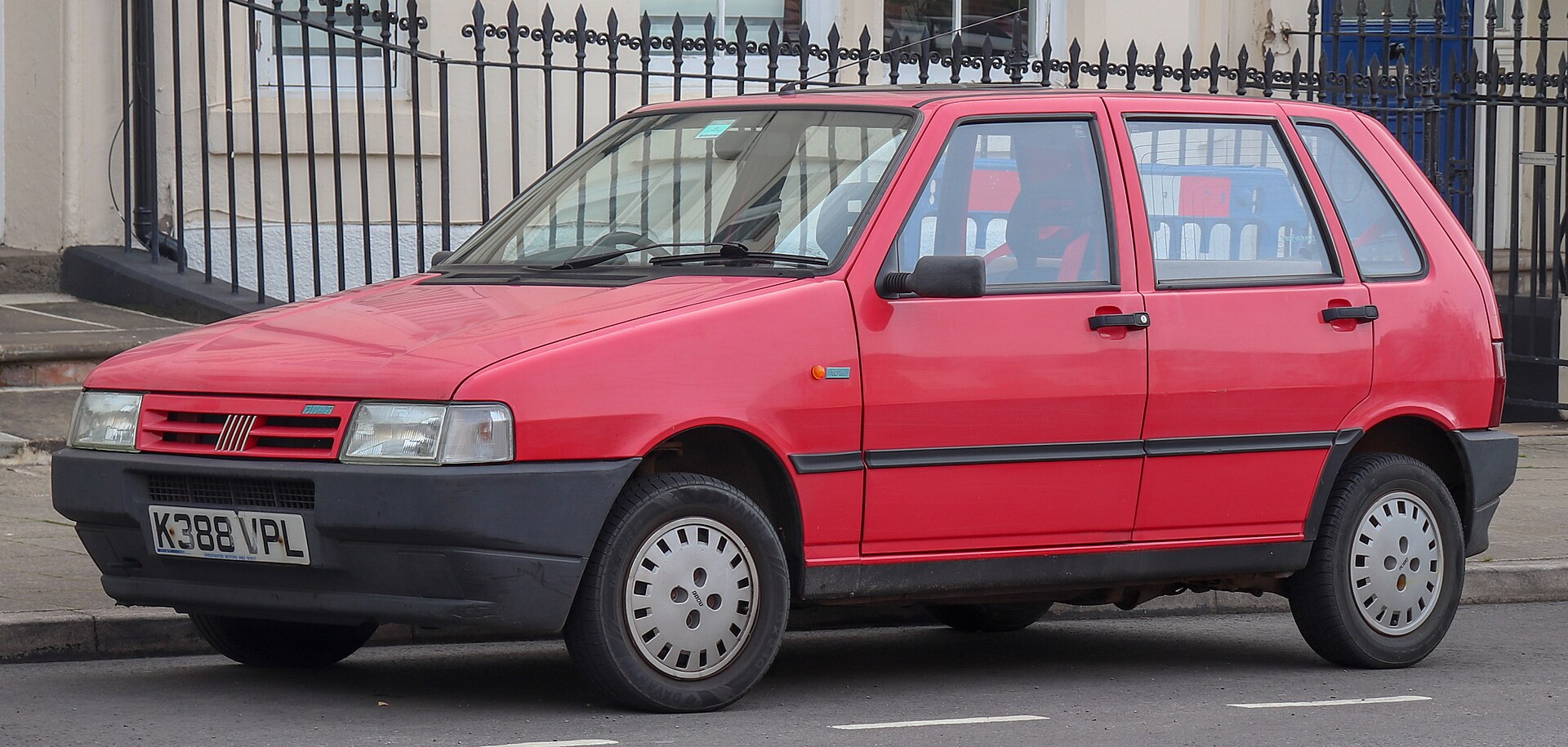
- Fiat Palio I · Photo: rvandermaar / Flickr, CC BY 2.0
Fiat Palio in our rankings
- No. 171 of 1082 · Longest-running car nameplates (21 years · top 17%)
- No. 290 of 411 · Cars with the most generations (2 generations)
In production longer than 83% of ranked nameplates in the 1CARS catalog (No. 171 of 1082).
FAQ
How many generations of the Fiat Palio are there?
Two: the Project 178 Palio of 1996, facelifted in 2000, 2004 and 2007, and the second-generation Type 326 of 2011–2017. The Weekend estate stayed in production until 2020.
Was the Fiat Palio sold in Europe?
Yes, mainly as the Palio Weekend estate. It was built in Poland for Europe from 1997 and sold in German-speaking countries from summer 1998 to mid-2003.
What engines did the Fiat Palio have?
In Europe 1.2 and 1.6 petrol engines from 44 to 76 kW and 1.7 and 1.9 diesels; in Brazil also 1.0, 1.4, 1.6 and 1.8 flex-fuel engines running on petrol or ethanol.
What replaced the Fiat Palio?
The Fiat Argo replaced the hatchback in South America; the Weekend estate continued until 2020.
Is the Fiat Palio safe?
By today's standards it is not. Latin NCAP rated tested versions with one star between 2010 and 2016, and a version without airbags scored zero for adult protection in 2014.
Data sources
Data checked by an editor against the sources below.