
 Fiat Fiorino
All generations, specs and history
Published Sources (1) Report an error
By Felix Hartmann, Automotive Technology & EV Contributor
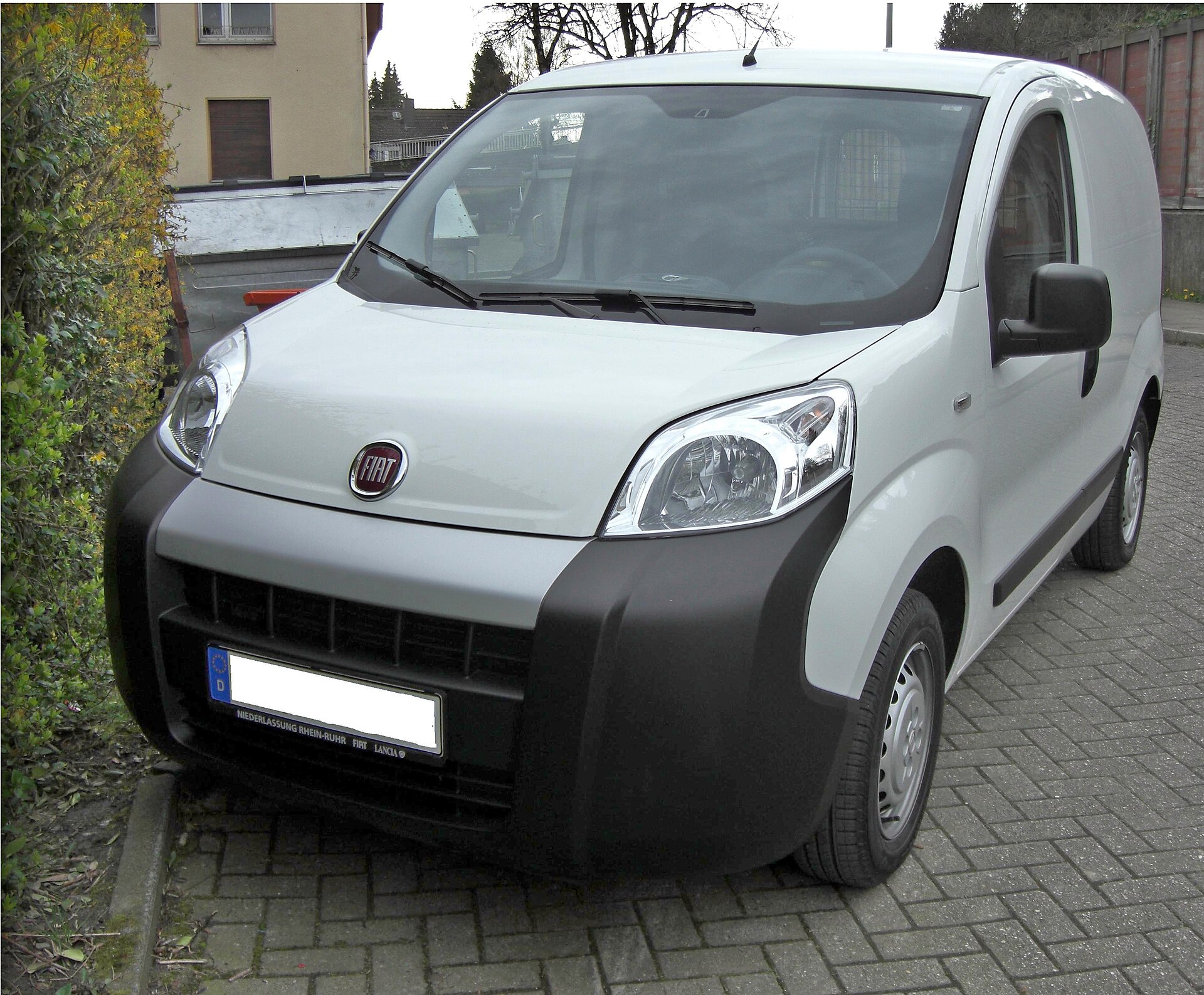
- Built
- 1977–present
- Generations
- 3 · 147 to 225
- Top power
- 71 kW (97 PS)
Timeline
Fiorino generations
Click a generation for its own page


146 and 225 overlapped in 2007–2013, so 225 sits on a second lane
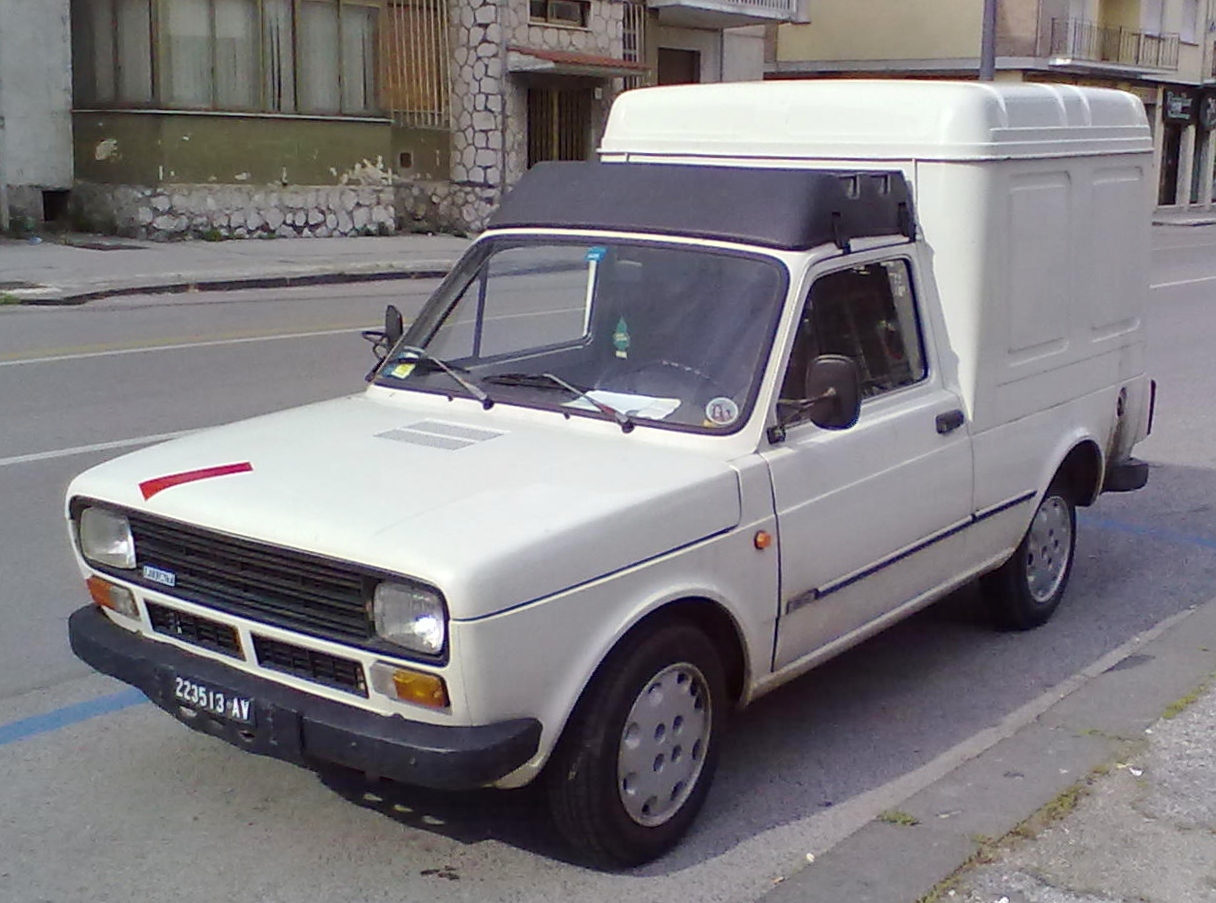
- Fiorino 147 1977–1988 · Pickup, Van · 33–45 kW (45–61 PS)
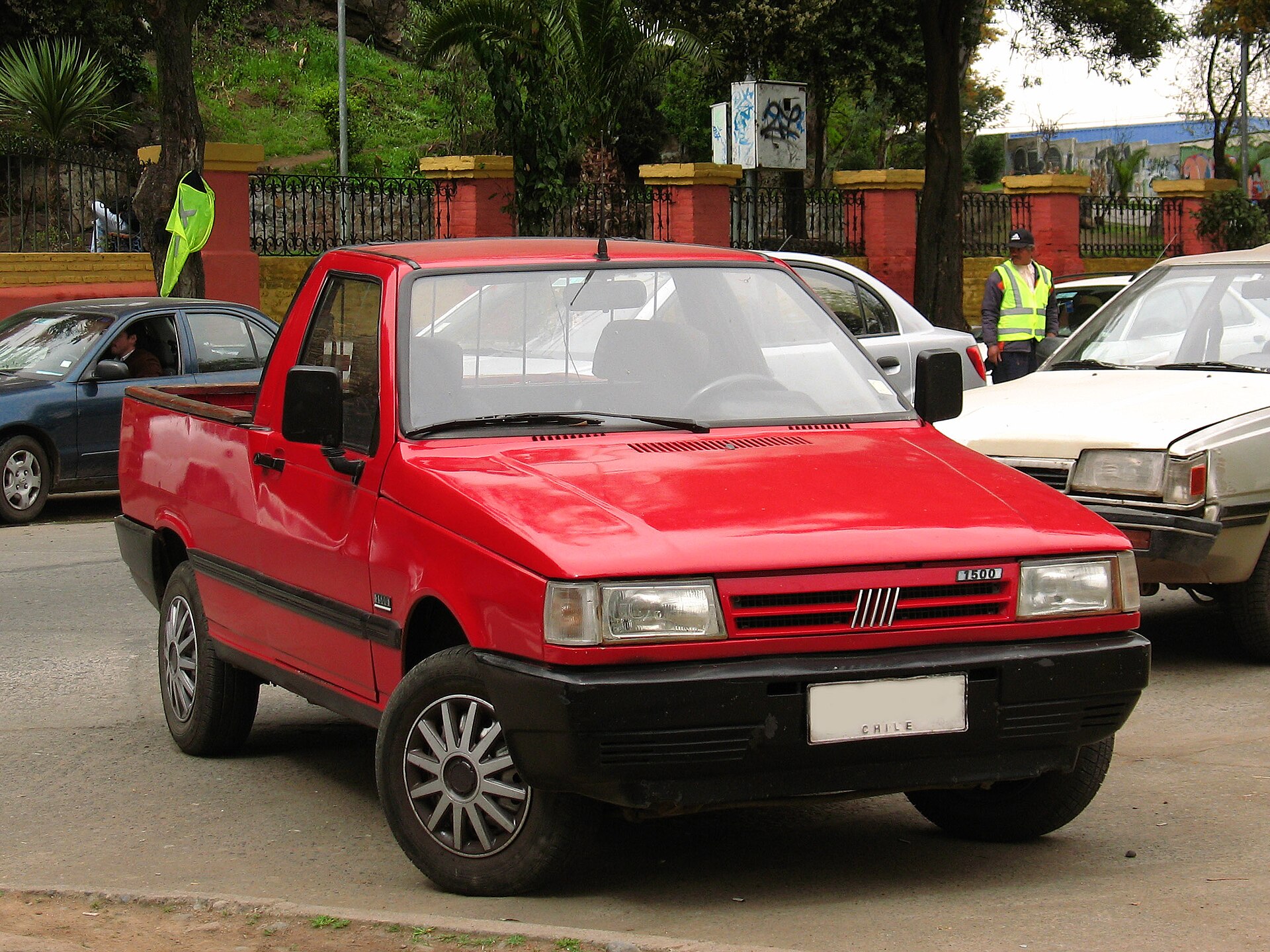
- Fiorino 146 1988–2013 · Pickup, Van · 40–55 kW (54–75 PS)
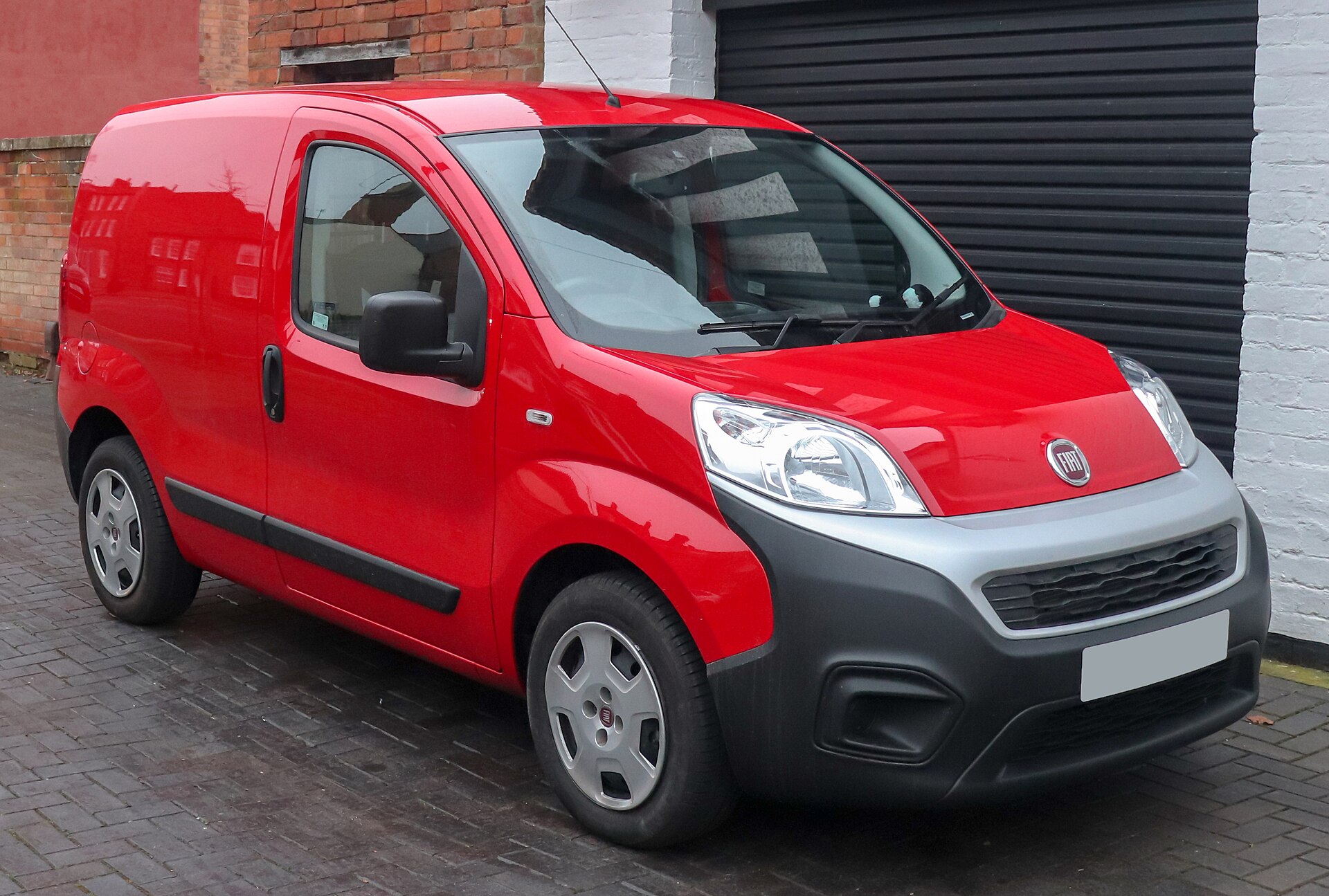
- Fiorino 225 Current 2007–now · Minivan / MPV, Van · 51–71 kW (69–97 PS)
Newest first · 3 generations since 1977
-
2007
-
1988
-
1977
All generations by year: Fiorino 225 (2007–now) · Fiorino 146 (1988–2013) · Fiorino 147 (1977–1988)
Which one is mine?
Pick the year of first registration to see which generation it is.
Check by VINWhich Fiorino to choose
Our verdict · Felix Hartmann
For European buyers, the third-generation Fiorino is the relevant one. The 1.3 Multijet with 70 kW (95 PS) and 200 Nm is the strongest version; the 1.4 petrol and the CNG Natural Power are the alternatives for buyers who do not want a diesel. Cars from the 2016 facelift onwards have the updated engines and touchscreen. If 2.5 m³ is not enough, compare it with the Renault Kangoo or the Doblò in our car comparison tool.
The Fiat Fiorino is Fiat's smallest van, a name used since November 1977 for car-based delivery vans and pickups. The first two generations were built on the Fiat 127 and Uno and were also made in Brazil and Argentina. The third, launched in February 2008, was developed with PSA and built by Tofaş in Turkey alongside the Peugeot Bipper and Citroën Nemo. A separate Uno-based Fiorino has been built in Brazil since 2013.
In short
- Third generation (2008–2024): Tofaş, Bursa, Turkey; 2.5 m³ load space, up to 2.8 m³ with the passenger seat folded; Van of the Year 2009.
- Engines of the current European van: 1.4 petrol and CNG with 51–57 kW, 1.3 Multijet diesel with 55–70 kW.
- Passenger version Fiat Qubo from 2008; twins Peugeot Bipper and Citroën Nemo.
- In Brazil 981,922 second-generation Fiorinos were built at Betim up to December 2013.
Fiat Fiorino at a glance
| Specification | Fiat Fiorino |
|---|---|
| Production | 1977–2024 in Europe and Turkey; since 1980 in Latin America |
| Plants | Italy and Bertone (1st gen), Betim (Brazil), Sevel Argentina, Tofaş Bursa (Turkey, 3rd gen) |
| Segment | small van / car-derived van |
| Body | panel van, passenger van (Panorama, Qubo), pickup |
| Base | Fiat 127/147 (1st gen), Uno (2nd gen), Fiat Small platform of the Grande Punto (3rd gen), Uno Type 327 (Brazil, 2013–) |
| Engines (3rd gen) | 1.4 8V petrol, 1.4 Natural Power (CNG), 1.3 Multijet diesel |
| Load space (3rd gen) | 2.5 m³ (2.8 m³ with passenger seat folded) |
| Related | Peugeot Bipper, Citroën Nemo, Fiat Qubo |
The Fiorino is listed with Fiat's passenger cars and vans in our Fiat catalogue. For more space, Fiat offers the larger Fiat Doblò.
Fiorino generations from 1977
| Generation | Code | Years | Body styles | Engines | Power |
|---|---|---|---|---|---|
| First | 147 | 1977–1988 (Europe, Brazil); to 1995 in Argentina | van, pickup | 0.9, 1.05, 1.3 petrol; 1.3 diesel | 33–45 kW |
| Second | 146 | 1987/1988–2013 (Brazil) | van, Panorama, pickup | 1.1, 1.3, 1.5 petrol; 1.7 diesel | 40–50 kW |
| Third | 225 | 2007/2008–2024 | van, Qubo passenger | 1.4 petrol/CNG, 1.3 Multijet | 51–70 kW |
| Brazil | 327 | 2013 to date | van | 1.4 Evo flex, 1.3 Firefly flex (2025) | 63–79 kW |
First generation (1977–1988): the 127 with a high box
The first Fiorino was launched in early November 1977 as a panel van based on the Series 2 Fiat 127, with a tall "high cube" load box of 1.3 metres. It started with the 903 cc OHV engine with 33 kW (45 PS) and 64 Nm. A 1,049 cc OHC with 37 kW (50 PS) followed in 1979–1980, and a 1.3-litre diesel with 33 kW (45 PS) in the early 1980s. Bertone built the European cars until late 1987, including right-hand-drive versions from 1979.
In Brazil the Fiorino was launched in September 1980 on the Fiat 147 with a payload of 420 kg. Betim built 250,545 of them until 1988, including 78,459 pickups. In Argentina Sevel built another 25,035 from 1989 to 1995, and in Spain the SEAT-based Emelba 127 Poker was a local relative.

Second generation (1988–2013): the Uno-based Fiorino
The second Fiorino was developed in Brazil from the local Uno and Duna family, released in 1987 and sold in Europe from 1988. It came as the Cargo van, the Panorama passenger version and a pickup. Launch engines were a 1,301 cc petrol with 50 kW (68 hp) and a 1.7-litre diesel with 44 kW (60 hp). A 1.5 followed in 1989, and continental Europe also received a 1.1 with 40 kW (54 hp). A facelift in 1992 brought styling inspired by the Fiat Tipo, and from 1994 the van moved to a Mille-based platform with a longer wheelbase.
More than 250,000 were sold in Europe by the end of 2000 and more than one million in South America. Betim built 981,922 second-generation Fiorinos, 206,302 of them pickups, before Brazilian production ended in December 2013.

Third generation (2008–2024): Turkish-built with PSA twins
The third Fiorino was a joint project of Fiat and PSA. It was unveiled in October 2007 and went on sale in February 2008; production at Tofaş in Bursa, Turkey, began in November 2007. Peugeot sold it as the Bipper and Citroën as the Nemo, and Fiat added the Qubo passenger version, launched at the Geneva Motor Show in March 2008. The van uses the Fiat Small platform of the Grande Punto with a 2,513 mm wheelbase, and was named Van of the Year 2009.
The load area is 1.52 m long, 1.47 m wide and 1.18 m high, with 1.04 m between the wheel arches and a loading sill at 527 mm. It holds 2.5 m³, or 2.8 m³ and a load length of 2.49 m with the passenger seat folded. The petrol engine was a 1.4 8V with 57 kW (77 PS) and 118 Nm, also offered as the Natural Power CNG version with 51 kW (70 PS) on gas. The 1.3 Multijet diesel came with 55–59 kW (75–80 PS) and 190 Nm, or with 70 kW (95 PS) and 200 Nm.
A facelift in 2016 brought the 1.4 Fire petrol with 57 kW (77 PS), Multijet diesels with 59 and 70 kW (80 and 95 PS), an EcoJet economy version and a 5-inch touchscreen. The Peugeot and Citroën twins were not updated and, according to English Wikipedia, ended in December 2017, while the Fiat stayed in production; its engines were homologated to Euro 6d-Temp in July 2018. German registrations of the Fiorino as a passenger car reached 12,892 from 2008 to 2020.


Safety
In April 2010 a Citroën Nemo rolled over in a moose test carried out in Germany. According to Wikipedia, electronic stability control was not available for it at that time, either as standard or as an option.
Fiorino in Latin America: the Uno-based van since 2013
In Brazil, Fiat introduced a new Fiorino in October 2013 as a 2014 model, based on the second-generation Uno (Type 327). It is sold as the Ram Promaster Rapid in Mexico and as the Ram V700 Rapid in Chile, Bolivia, Colombia and Peru, and since May 2022 also as the Peugeot Partner Rapid in Brazil. Its 1.4 Evo flex-fuel engine produced 63–66 kW (85–88 hp) on petrol and ethanol until 2024, and in 2025 it was replaced by the 1.3 Firefly flex engine with 79 kW (107 cv). Brazilian sales were 23,824 in 2014 and 21,329 in 2025.
Photo gallery


Fiat Fiorino evolution in numbers
Did you know?
- The Fiat Fiorino has been around for 49 years: 3 generations in our catalog since 1977.
- The biggest jump in power came with the Fiorino 225: up to 71 kW (97 PS), 16 kW more than the Fiorino 146.
Most powerful version, kW
Figures from the 1cars catalog: power is the strongest version of each generation; generations without the figure are left out.
Fiat Fiorino: first vs latest generation
| Spec | Fiorino 147 | Fiorino 225 | Change |
|---|---|---|---|
| Years | 1977–1988 | 2007–present | 30 years apart |
| Most powerful version | 45 kW (61 PS) | 71 kW (97 PS) | +26 kW (+58%) |
Oldest and newest generation in the 1cars catalog. Power is the strongest version of each; other rows are shown only when both generations have the figure.
Image credits · Photos from Wikimedia Commons under free licences
- Fiat Fiorino 225 · Photo: Vauxford / Wikimedia Commons, CC BY-SA 4.0
FAQ
How many generations of the Fiat Fiorino are there?
Three in Europe: the 127-based van (1977–1988), the Uno-based van (1988 onwards) and the Tofaş-built van of 2008–2024. Brazil has had its own Uno-based Fiorino since 2013.
What is the load volume of the Fiat Fiorino?
The third-generation van holds 2.5 m³, or up to 2.8 m³ with the front passenger seat folded.
What engines does the Fiat Fiorino have?
The 2008–2024 van uses a 1.4 petrol (57 kW), a 1.4 petrol/CNG Natural Power and 1.3 Multijet diesels with 55–70 kW.
Is the Fiat Fiorino the same as the Peugeot Bipper and Citroën Nemo?
Yes, they were twins built by Tofaş in Turkey. The Peugeot and Citroën versions ended earlier; the Fiat continued until 2024.
Where is the Fiat Fiorino built?
The European van was built by Tofaş in Bursa, Turkey; the Latin American version comes from Betim in Brazil.
Data sources
Data checked by an editor against the sources below.


