 FSO Polonez
Specs, engines and history
Published Sources (1) Report an error
By Oleksandr Hnatiuk, Automotive Editor & Used Car Specialist
- Built
- 1978–2002
- Top power
- 77 kW (105 PS)
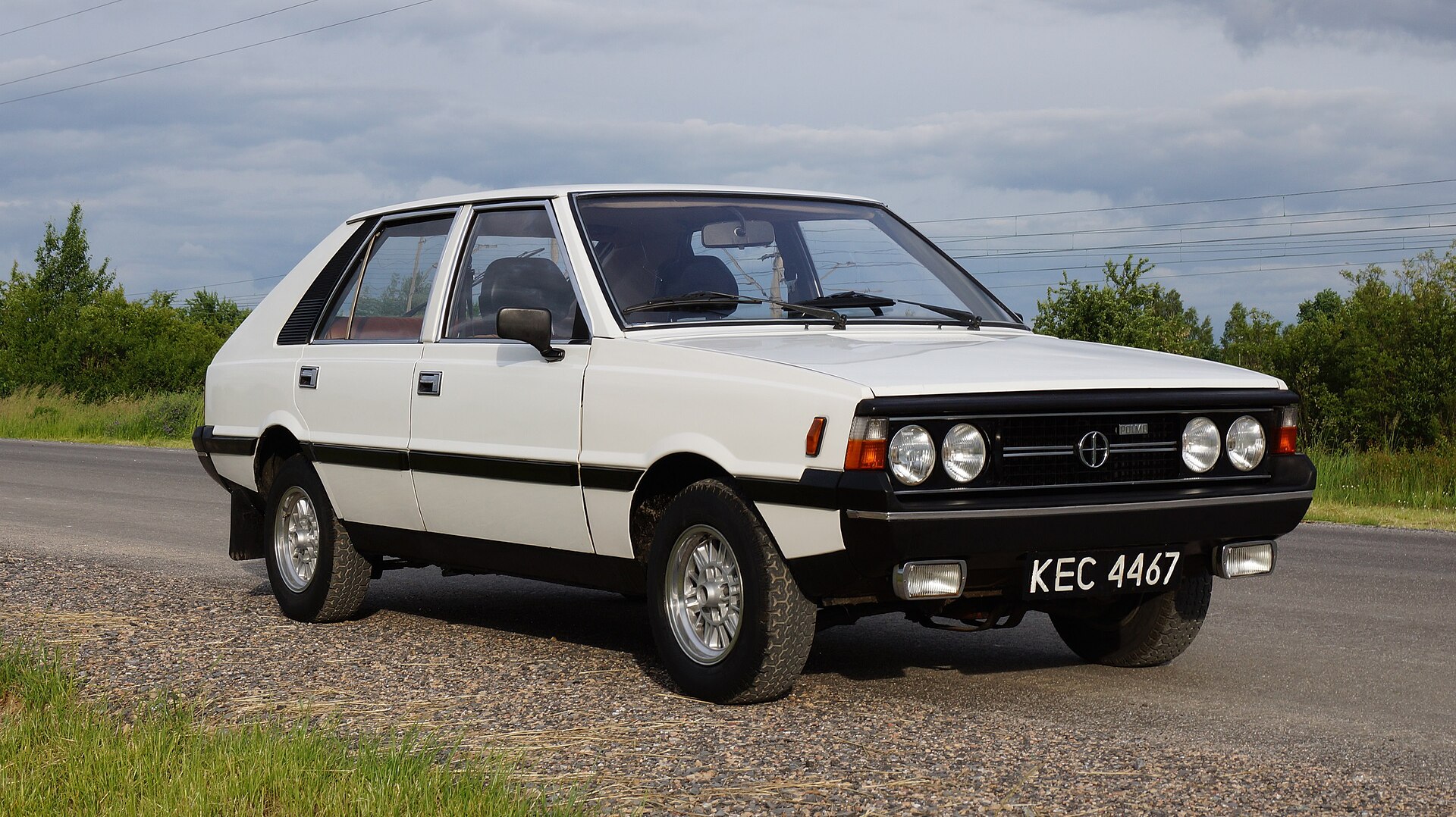
The FSO Polonez is a five-door family car built by FSO (Fabryka Samochodów Osobowych) in Warsaw from 1978 to 2002. It used the rear-wheel-drive mechanicals of the Polski Fiat 125p under a new hatchback body developed with Fiat, and more than one million were made, not counting pick-ups and vans. In 1991 it became FSO's only passenger car, and it stayed in production for 24 years.
In short
- Built from 1978 to 2002 in Warsaw, with the Truck pick-up until 2003; over one million cars, 226,966 of them exported.
- Launch engines: 1.3 and 1.5 litres with 47.8 kW (65 PS) and 55.9 kW (76 PS), later Fiat, Ford, Rover and Citroën units.
- The body came from Fiat's ESV 2000 safety study; the Polonez was the first hatchback offered in the Eastern Bloc.
- Main versions: Polonez, Caro (1991), Caro Plus (1997), Atu saloon, Kombi estate and Truck pick-up.
Specs by version
| Version | Engine | Power | Gearbox | Drive | Production years |
|---|---|---|---|---|---|
| 1.4 GLI 16V | 1.4 l · 4 cyl · Petrol 1,398 cc | 76 kW 103 PS102 hp | 5-sp Manual | Rear-wheel drive | 1993–1997 |
| 2.0 GLE | 2.0 l · 4 cyl · Petrol 1,993 cc | 77 kW 105 PS103 hp | 5-sp Manual | Rear-wheel drive | 1991 |
Verified Manufacturer and type-approval data from our catalog · Sources and methodology
FSO Polonez at a glance
| Specification | FSO Polonez |
|---|---|
| Maker | FSO, Warsaw, Poland |
| Production | May 1978 – first quarter of 2002 (cars); Truck until 2003 |
| Other assembly | Nysa (Poland), Cairo (Egypt, from 1983), Luoyang (China, 1990–1995), Bangkok (Thailand) |
| Body styles | five-door hatchback, three-door, coupé, four-door saloon (Atu), estate (Kombi), pick-up (Truck) |
| Layout | front engine, rear-wheel drive |
| Engines | petrol 1.3 to 2.0 litres; diesels from VM Motori and Citroën |
| Power | 44–82 kW, depending on version |
| Built | over one million cars, excluding pick-ups and vans |
| Exports | 226,966 cars; main markets China, UK, Egypt and France |
| Predecessor | Polski Fiat 125p |
More cars of the brand are listed in the FSO catalogue, and the Fiat models behind its engineering are in the Fiat catalogue.
Development: from Fiat's safety car to a Polish hatchback
FSO built the Polski Fiat 125p under licence from Fiat, and the Polonez was planned as its successor. Its chassis, running gear and most of its mechanicals came from the 125p. The body was new: Fiat's Centro Stile had drawn it in the early 1970s, and Wikipedia credits the hatchback design to Zbigniew Wattson, Walter de Silva and Giorgetto Giugiaro.
In 1974 FSO chose Fiat's ESV 2000 experimental safety vehicle, known at Fiat as Type 137, as the basis. Wattson and de Silva adapted it to the 125p floorpan and sent the prototypes to Poland. The name comes from the polonaise, a Polish dance, and was chosen in a readers' poll by the Warsaw newspaper Życie Warszawy.
The Polonez was shown at the 1978 Poznań trade fair, and mass production started in May 1978. A planned Fiat 2.0-litre twin-cam engine for the whole range was dropped because of FSO's financial problems in the 1980s. As a result, the 125p and the Polonez were built side by side for more than a decade, until the 125p ended in 1991.


Design and engineering: a 125p under a liftback body
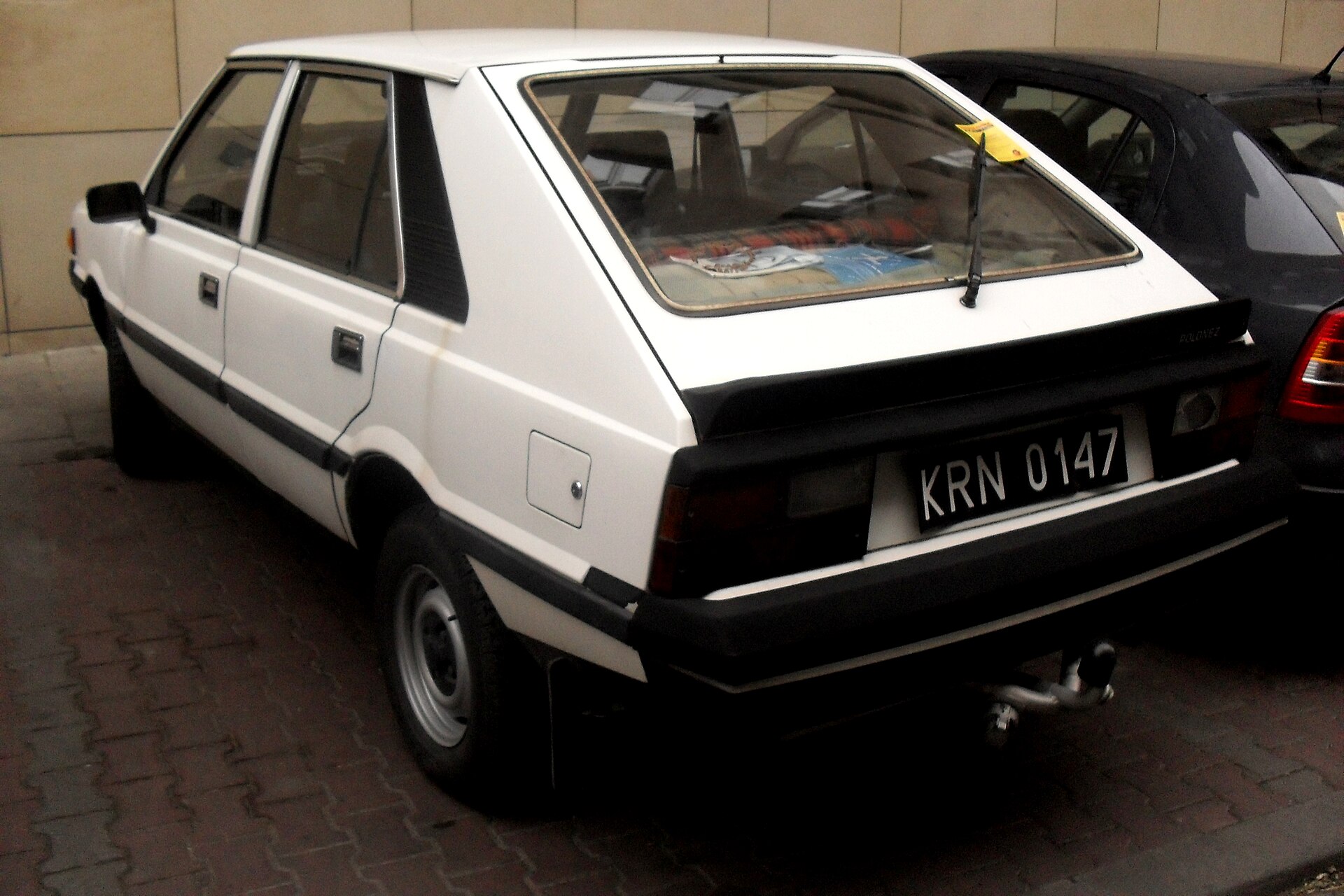
The Polonez was a five-door liftback, and German Wikipedia calls it the first hatchback car available in the Eastern Bloc. Under the skin it kept the 125p's front-engine, rear-wheel-drive layout. FSO added changes such as a belt-driven camshaft, an electric cooling fan and a diaphragm-spring clutch.
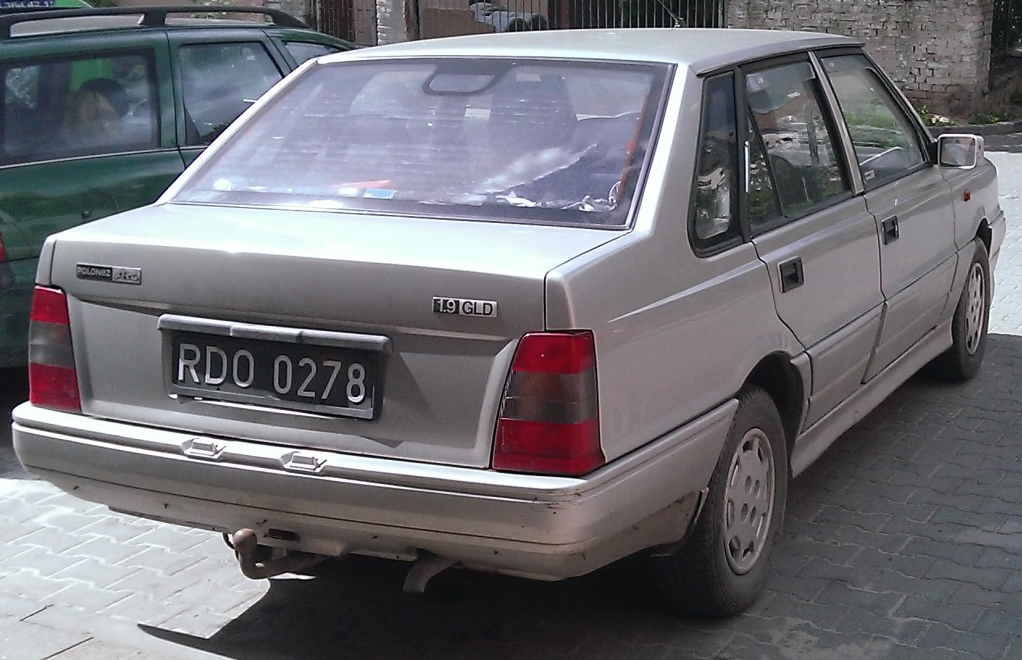
Its origins in a Fiat safety study showed in its crash record. In 1978 it was reportedly the only car from Eastern Europe built to pass US crash tests. In 1994 a Caro 1.9 GLD was crashed into a concrete block at 50 km/h with 40% front overlap, under EU rules. All doors could be opened afterwards, no critical injuries to the occupants were recorded and no fuel leaked.
Engines: from Fiat twin-cam to Rover 16V
The first cars had 1.3 and 1.5-litre petrol engines with 47.8 kW (65 PS) and 55.9 kW (76 PS). From 1979 the Polonez 2000 used Fiat's 1,995 cc twin-cam with 82 kW (110 hp), good for 0–100 km/h in 12.0 s and 175 km/h. From 1991 FSO also bought in engines from Ford, Rover and Citroën.
| Version | Engine | Displacement | Power | Years |
|---|---|---|---|---|
| 2000 | Fiat twin-cam | 1,995 cc | 82 kW (110 hp) | from 1979 |
| 2.0 D Turbo | VM Motori HR 488 diesel | 1,995 cc | 62 kW (84 PS) | 1983 (about 100 built) |
| 1.5 SLE Turbo | turbo petrol | — | 78 kW (105 hp) | 1989 |
| 1.5 GLE | AB, carburettor | 1,481 cc | 60 kW (82 PS) | 1991–1994 |
| 1.6 GLE | CB, carburettor | 1,598 cc | 64 kW (87 PS) | 1991–1994 |
| 2.0 GLE | Ford SOHC | 1,993 cc | 77 kW (105 PS) | 1991 |
| 1.9 GLD | Citroën XUD9A diesel | 1,905 cc | 51 kW (70 PS) | 1991–1997 |
| 1.4 GLI 16V | Rover K16 | 1,398 cc | 76 kW (103 PS) | 1993–1997 |
| 1.6 GLI | AB, single-point injection | 1,581 cc | 56 kW (76 PS) | 1997–2002 |
| 1.6 GSI | AF, multi-point injection | 1,581 cc | 62 kW (84 PS) | 1998–2002 |
The 1.5 SLE Turbo reached 100 km/h in 11.0 s and 180 km/h. Wikipedia describes the performance of most versions as relatively poor; the exceptions were the Fiat 2.0 twin-cam, the Ford 2.0 and the Rover 1.4 16V. For the 1.6-litre engines it gives both 1,598 cc and 1,581 cc in different places, and the table follows the later engine list. The power converter turns the kW figures into PS or hp.
Polonez versions: Caro, Atu, Kombi and Truck
FSO kept the car alive with frequent updates and new bodies.
| Version | Years | Body | Notes |
|---|---|---|---|
| Polonez 1300/1500 | from 1978 | five-door hatchback | three-door from 1979 to 1981, about 300 built |
| Polonez 2000 | from 1979 | hatchback | mostly for government officials; rally version |
| Coupé | 1981 and 1983 | three-door | only a few dozen built |
| C/CE "Kryzysowy" | 1983 | hatchback | stripped economy version with steel bumpers |
| Prima | from 1985 | hatchback | upmarket UK version |
| Truck | from 1988 | pick-up | up to 1,000 kg payload; extended and double cabs |
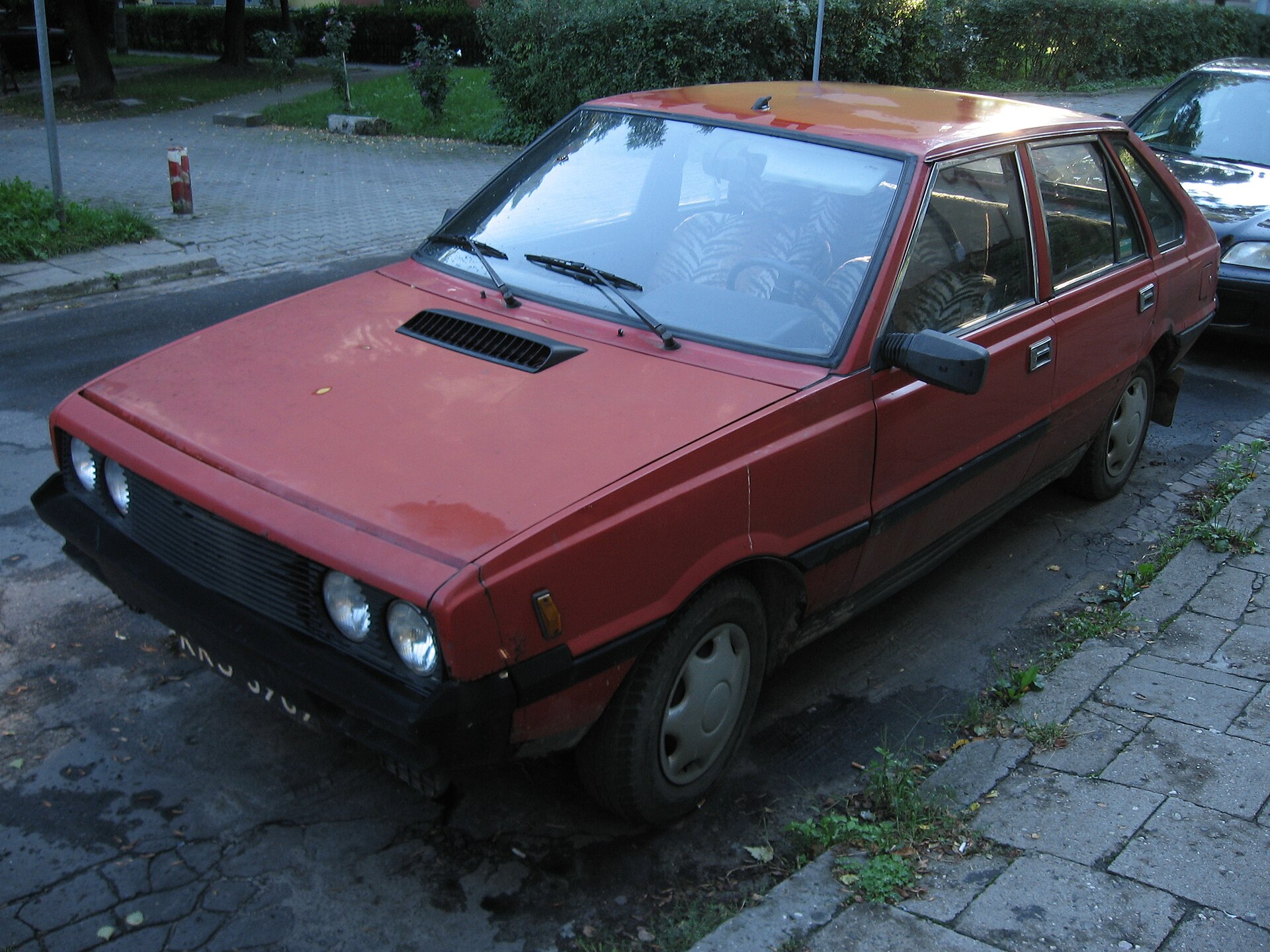
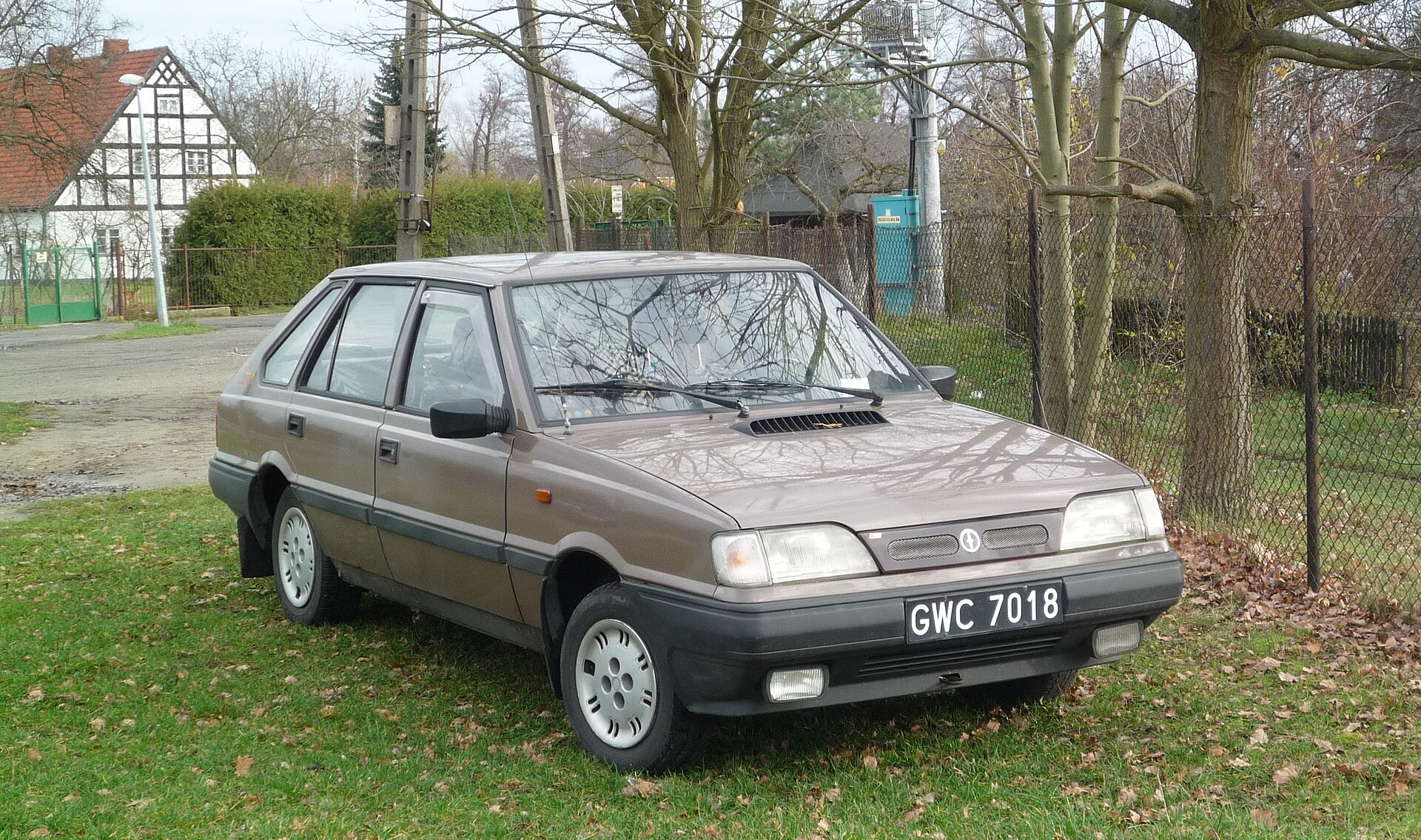
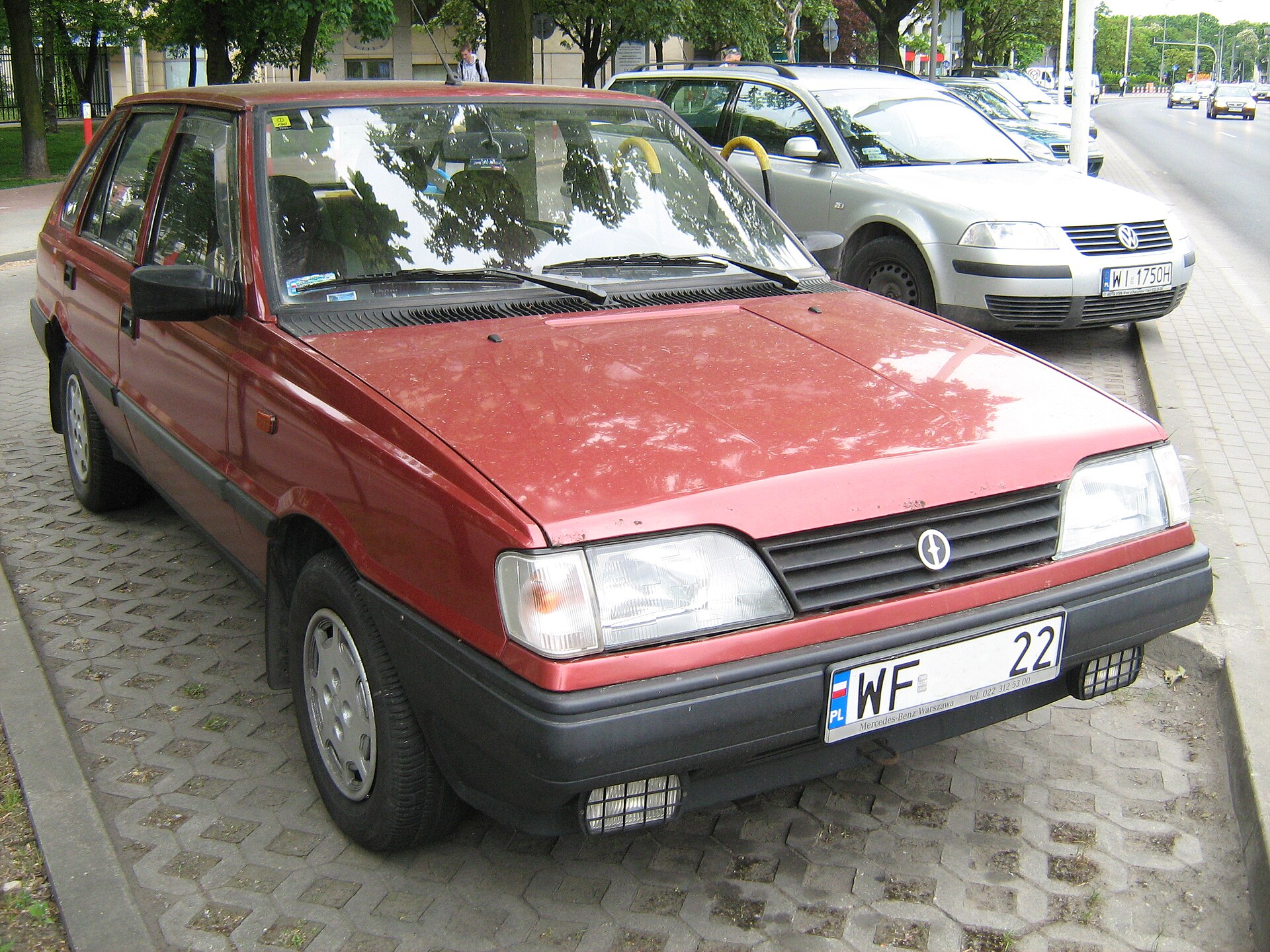
| Caro | from 1991 | hatchback | new headlamps, grille and bumpers |
| Cargo / LAV | from about 1993 | high-roof van, ambulance | based on the Caro |
| Atu | 1996 | four-door saloon | Celina in some export markets |
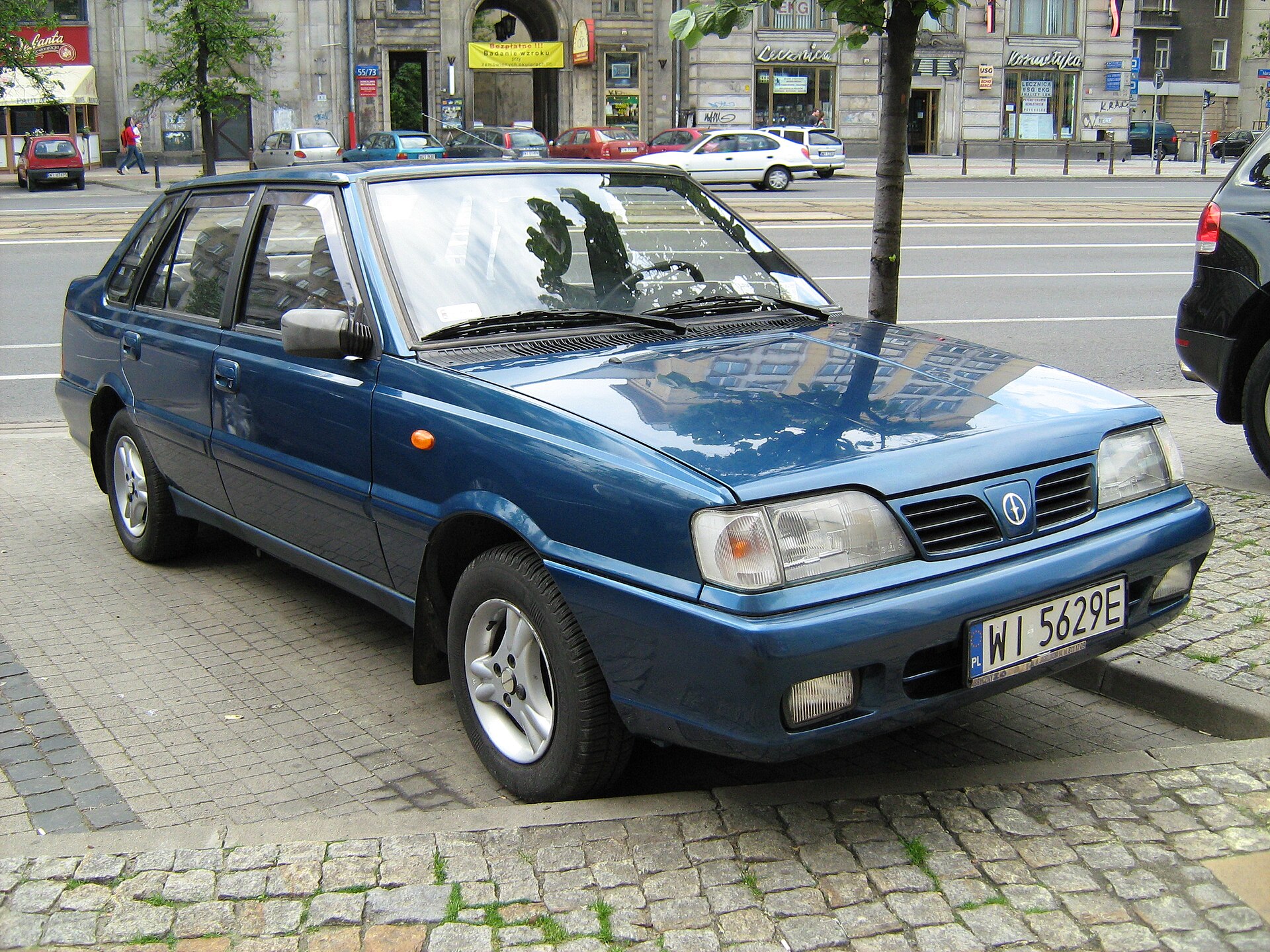
| Caro Plus, Atu Plus | 1997 | hatchback, saloon | new grille, bumpers and dashboard |
| Kombi | 1999 | estate | first shown in 1994 |
There were also prototypes such as the Analog, a four-wheel-drive four-door pick-up. The Stratopolonez was a one-off racer with a mid-mounted engine and 206 kW (280 PS), built with parts from a crashed Lancia Stratos.

Motorsport and service with the police
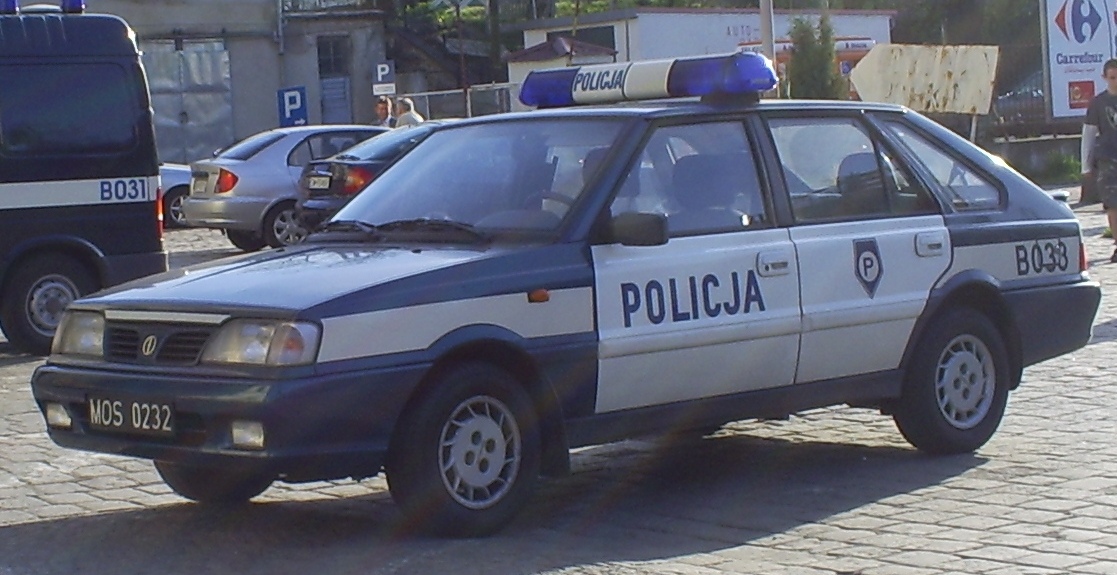
A Polonez 2000 Rally made its debut at the Rallye Monte Carlo, and FSO built Group A and Group N versions. Turbo kits were available on request for production cars. Polish police, fire brigades and rescue services used the Polonez widely. German Wikipedia records that the police retired their last examples by 1 July 2009.

Exports and the end of production
FSO exported 226,966 cars, mainly to China, the UK, Egypt and France. Export names included Prima, Caro, Celina, Mistral, Piedra and Atou. In the UK imports stopped in 1997, while France and other western markets took cars for about a year longer. In Egypt, El Nasr assembled kits together with Arab American Vehicles. In China, YTO Group built Dongfanghong derivatives with a 1.5-litre engine from the Beijing Engine Factory, which sold less well.
Daewoo began working with FSO in 1995; our history of Daewoo Motors covers that period. The last Polonez car left the line in the first quarter of 2002, and the Truck Plus ended in 2003. The planned successor, the FSO Wars prototype, never went into production. After Poland joined the EU on 1 May 2004, cheap used cars from Western Europe largely replaced the Polonez on Polish roads.
Buying and collecting a Polonez today
About 33,000 cars were still registered in Poland in 2021, so the Polonez is now a classic rather than an everyday car. It remains popular in events such as the Złombol charity rally: in 2018 about 300 teams, around 40% of the field, drove one. Rare versions stand out: the three-door, of which about 300 were built, the Coupé, made in a few dozen, and the Fiat-engined 2000. The late Caro Plus and Atu Plus with the injected 1.6 are the most usable day to day.
As with any car of this age, check the body for rust and ask for the service history before you buy. Other classics are collected in our classic cars section.
Photo gallery


FSO Polonez in our rankings
- No. 28 of 70 · Biggest engines: hatchbacks (1,993 cc · top 40%)
- No. 409 of 557 · Biggest engines: cars (1,993 cc · top 74%)
- No. 82 of 106 · Most powerful hatchbacks (77 kW · top 79%)
- No. 83 of 91 · Most powerful cars of the 1990s (77 kW · top 92%)
- No. 782 of 859 · Most powerful cars (77 kW · top 92%)
Bigger engine than 60% of ranked hatchbacks in the 1CARS catalog (No. 28 of 70).
FSO Polonez photos 6
FAQ
When was the FSO Polonez produced?
From May 1978 until the first quarter of 2002 in Warsaw. The Truck pick-up continued until 2003, and kits were assembled in Egypt and China.
How many FSO Polonez were built?
More than one million cars, not counting pick-up and van versions. FSO exported 226,966 of them.
Who designed the FSO Polonez?
The body came from Fiat's Centro Stile and was based on the Fiat ESV 2000 safety prototype. Wikipedia credits the design to Zbigniew Wattson, Walter de Silva and Giorgetto Giugiaro.
What engines did the Polonez have?
Petrol engines from 1.3 to 2.0 litres, including a Fiat 2.0 twin-cam, a Ford 2.0 and a Rover 1.4 16V, plus diesels from VM Motori and Citroën. The launch engines gave 47.8 kW (65 PS) and 55.9 kW (76 PS); the Fiat 2.0 twin-cam had 82 kW.
What replaced the FSO Polonez?
No direct successor reached production. The FSO Wars prototype was planned but cancelled, and the Polonez ended in 2002.
Data sources
Data checked by an editor against the sources below.