FSO — The Warsaw Factory of the Warszawa, 125p and Polonez
FSO, short for Fabryka Samochodów Osobowych (passenger car factory), was the car maker of the Żerań district of Warsaw. Established by the Polish state in 1948, it built the Warszawa from 1951, the two-stroke Syrena from 1957, the Polski Fiat 125p under licence from 1967 and the Polonez from 1978. After Daewoo bought it in 1995 it made Daewoo models such as the Lanos and Matiz. Its last car, a Chevrolet Aveo, was built under licence in 2011.
Key takeaways
- Established in 1948 at Żerań in Warsaw; the first model, the Warszawa (1951–1973), was a licensed version of the GAZ-M20 Pobeda.
- The Polski Fiat 125p, built from 28 November 1967 to 26 June 1991, reached 1,445,689 cars.
- The Polonez of 1978–2002 sold more than a million cars and was exported to China, the UK, Egypt and France.
- Daewoo bought FSO in 1995; after Daewoo's bankruptcy the plant built 126,622 Chevrolet Aveos from 2007 to 2011.
FSO at a glance
| Fact | Value |
|---|---|
| Full name | Fabryka Samochodów Osobowych |
| Founded | 1948, Żerań, Warsaw |
| First model | Warszawa (1951) |
| Licensors | GAZ, Fiat, Daewoo, General Motors |
| Best-known models | Warszawa, Syrena, Polski Fiat 125p, Polonez, Lanos |
| Biggest seller | Polski Fiat 125p, 1,445,689 built |
| Owners | Polish state, Daewoo (1995), UkrAVTO (2006) |
| Last car | Chevrolet Aveo, February 2011 |
Origins: the Warsaw plant and the Warszawa
FSO was established at Żerań in Warsaw in 1948. Its first car was the Warszawa, built from 1951 under a licence for the GAZ-M20 Pobeda and identical to it until 1957. The 2,120 cc side-valve four-cylinder produced 37 kW (50 hp), and 38 kW (52 hp) after the 1957 update. The Warszawa 200 of 1957 was a facelift. The 201 of 1960 gained 15-inch wheels, and the 202 of 1962 had an overhead-valve engine of 51 kW (70 hp).
From 1964 the 203 and 204 had a ponton body. In 1968 they were renamed 223 and 224, because Peugeot objected to three-digit names with a zero in the middle. Exports began in 1954, and by 1973 at least 72,834 cars had gone abroad. When production ended in 1973, 254,471 Warszawas had been built.

The Syrena
In 1953 an in-house team began developing a smaller, cheaper car. The result was the Syrena, designed by Stanisław Łukaszewicz, Stanisław Panczakiewicz and Fryderyk Bluemke, who was responsible for the two-stroke engines. Mass production began on 20 March 1957. The first engine was a 746 cc two-cylinder, and from 1966 an 842 cc three-cylinder was used. A Syrena Sport prototype of 1960 had a glass-fibre body and a four-stroke engine but never went into production.
FSO built 177,234 Syrenas in Warsaw until 1972. Production then moved to the FSM factory in Bielsko-Biała, which made another 344,077 until June 1983, for a total of 521,311.

The Polski Fiat 125p
On 22 December 1965 Poland signed a licence agreement with Fiat to build mid-size cars. The Polski Fiat 125p combined the body and brakes of the Fiat 125 with the engines and chassis of the older Fiat 1300 and 1500. A pre-series built from Italian parts began on 28 November 1967, and 75 cars were finished that year. The 1300 of 1968 had 1,295 cc and 44 kW (60 PS), and the 1500 of 1969 had 1,481 cc and 55 kW (75 PS). Both engines gained 3.7 kW in 1975. The licensor's own story is in the history of Fiat.
The car was sold widely abroad. Right-hand-drive versions reached the UK and Ireland from 1975, and in 1978 the estate won the Estate Car of the Year award in the UK. In late 1991 it was the cheapest car on the British market for some time, at £3,099 in the United Kingdom in 1991. After the licence ended the car was sold as the FSO 125p, and production ended on 26 June 1991 after 1,445,689 cars.

The Polonez
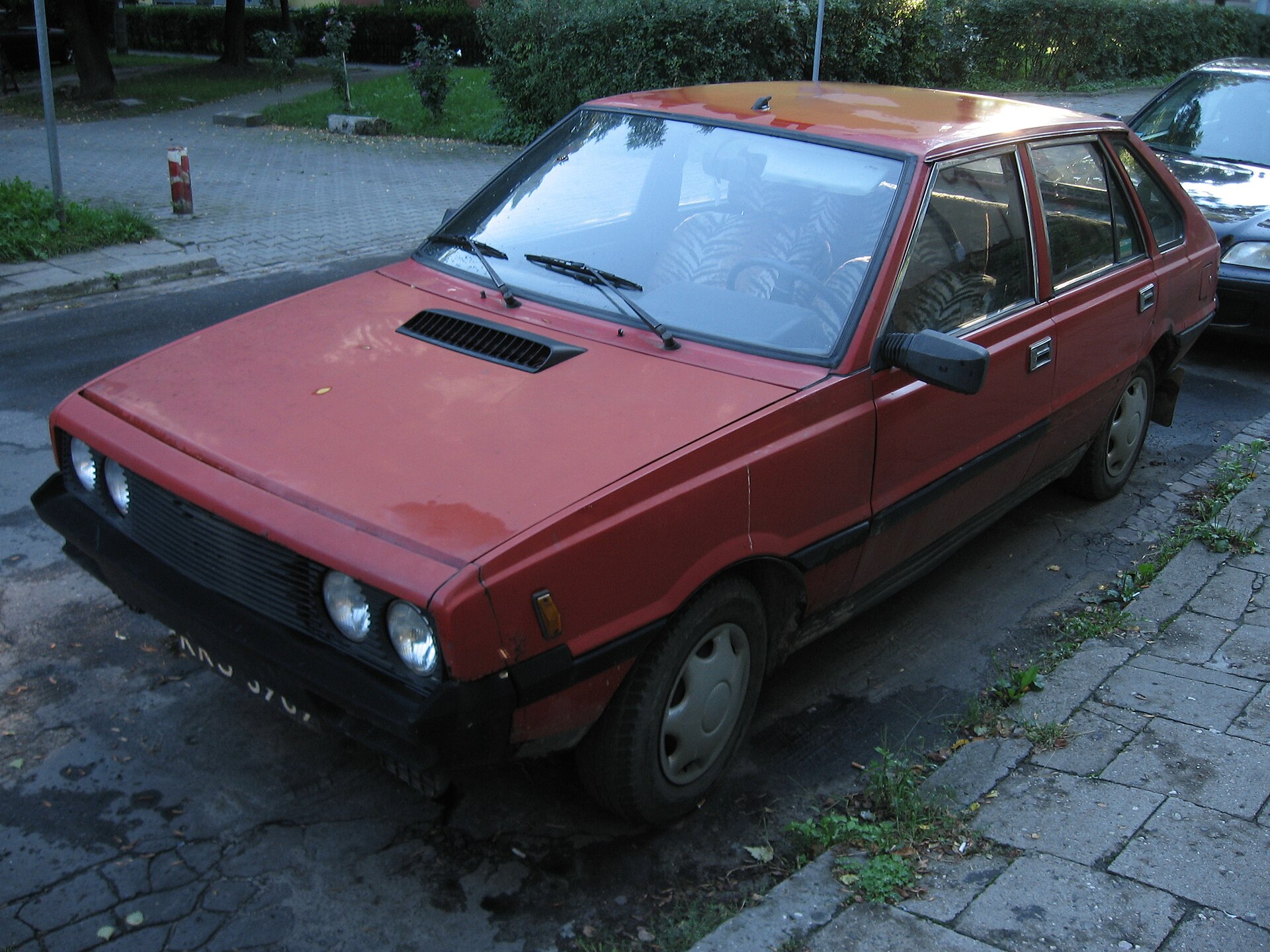
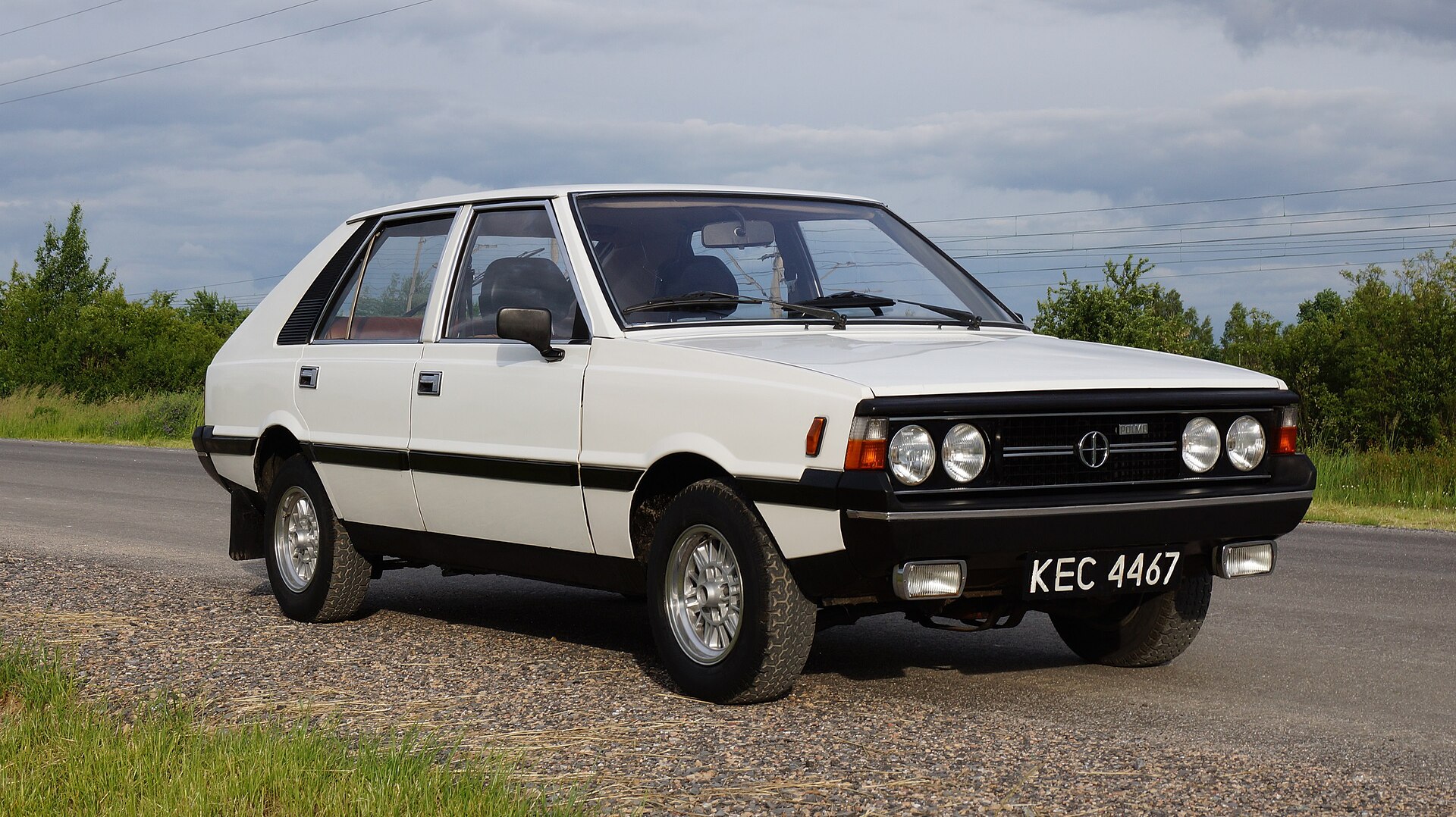
The Polonez of 1978 was a five-door liftback on the 125p platform, with its chassis and engines. The body began in the early 1970s as a Fiat prototype from Centro Stile Fiat. FSO adapted it, and Zbigniew Wattson, Walter de Silva and Giorgetto Giugiaro are credited with the design. The 1.5-litre engine produced 60 kW (82 PS). Later versions used a 1.6-litre engine, a 1.4-litre Rover 16-valve unit with 76 kW (103 PS), a 2.0-litre Ford engine and a Peugeot 1.9-litre diesel.
The car was updated as the Caro in 1991 and joined by the Truck pickup in 1988 and the Atu saloon in 1996. FSO exported 226,966 Polonez cars, mainly to China, the UK, Egypt and France. In Egypt El Nasr assembled kits from 1983 to 1993. Passenger car production ended in 2002 and the pickup in 2003, after more than a million cars, or 1,061,807 counting all versions.
Daewoo-FSO and the end
In 1994 FSO agreed with General Motors to assemble the Opel Astra at Żerań. In 1995 it was sold to Daewoo Motors and renamed Daewoo-FSO. The plant began building the Lanos in 1997 and the Matiz in 1999, and it also assembled the Tico, Espero, Nubira, Leganza and Tacuma. When Daewoo went bankrupt in 2000, its overseas subsidiaries were not part of the takeover by General Motors, so FSO became independent in practice. In 2004 it took back the FSO name, and the Lanos was built as the FSO Lanos until 2008, with 461,655 made at Żerań. The Korean parent is covered in the history of Daewoo.
In 2006 UkrAVTO, the owner of ZAZ, became majority shareholder with 84.31%, and its parent company signed a licence with General Motors for the Chevrolet Aveo. The first FSO-built Aveo left the line on 11 July 2007, and the 100,000th on 1 February 2011. The licence expired in February 2011 and was not renewed. By March 2011 more than 1,800 workers had been made redundant, and car production at Żerań ended. FSO models are listed in the FSO catalogue, and other cars of the period are in the classic cars section.
FSO timeline
| Year | Event |
|---|---|
| 1948 | FSO established at Żerań, Warsaw |
| 1951 | Warszawa production begins |
| 1957 | Syrena in mass production (20 March) |
| 1965 | Fiat licence agreement (22 December) |
| 1967 | Polski Fiat 125p (28 November) |
| 1973 | End of the Warszawa |
| 1978 | Polonez |
| 1991 | Last 125p (26 June); Polonez Caro |
| 1995 | Daewoo buys FSO |
| 1997 | Daewoo Lanos production |
| 2000 | Daewoo bankruptcy |
| 2002 | End of the Polonez saloon |
| 2006 | UkrAVTO takes 84.31% |
| 2007 | First Chevrolet Aveo (11 July) |
| 2011 | Aveo licence expires; production ends |
Landmark FSO models
| Model | Years | Why it matters |
|---|---|---|
| Warszawa | 1951–1973 | First FSO car, 254,471 built |
| Syrena | 1957–1972 at FSO | Two-stroke small car developed in-house |
| Polski Fiat 125p | 1967–1991 | Fiat-licensed saloon, 1,445,689 built |
| Polonez | 1978–2002 | Liftback on the 125p platform, over a million built |
| Lanos | 1997–2008 | Daewoo design, 461,655 built as the FSO Lanos |
| Chevrolet Aveo | 2007–2011 | Last car built by FSO |
Photo gallery

FAQ
What does FSO stand for?
Fabryka Samochodów Osobowych, Polish for "passenger car factory". The plant was in the Żerań district of Warsaw.
Was the Polski Fiat 125p a real Fiat?
It was built under a Fiat licence, combining the body of the Fiat 125 with the engines and chassis of the Fiat 1300 and 1500.
Who designed the FSO Polonez?
The body began as a Centro Stile Fiat prototype; Zbigniew Wattson, Walter de Silva and Giorgetto Giugiaro are credited with the design.
What happened to FSO?
Daewoo bought it in 1995. After Daewoo's bankruptcy in 2000 it became independent, built the Chevrolet Aveo from 2007 and ended car production in 2011.
How many Polonez cars were built?
More than a million; the FSO article lists 1,061,807, including later versions.
Sources
- Wikipedia — Fabryka Samochodów Osobowych (accessed 24 Oct 2026)
- Wikipedia — FSO Warszawa (accessed 24 Oct 2026)
- Wikipedia — FSO Syrena (accessed 24 Oct 2026)
- Wikipedia — Polski Fiat 125p (accessed 24 Oct 2026)
- Wikipedia — FSO Polonez (accessed 24 Oct 2026)
Found a mistake? Report an error