 Dodge Super Bee
All generations, specs and history
Published Sources (1) Report an error
By Sarah Whitmore, Senior Automotive Writer
- Built
- 1968–1971
- Generations
- 2
- Top power
- 317 kW (431 PS)
Timeline
Super Bee generations
Click a generation for its own page
- Super Bee I 1968–1970 · Coupe · 250–317 kW (340–431 PS)
- Super Bee II 1971 · Coupe · 317 kW (431 PS)
Newest first · 2 generations since 1968


All generations by year: Super Bee II (1971) · Super Bee I (1968–1970)
Which one is mine?
Pick the year of first registration to see which generation it is.
- Super Bee II 1971
- Super Bee I 1968–1970
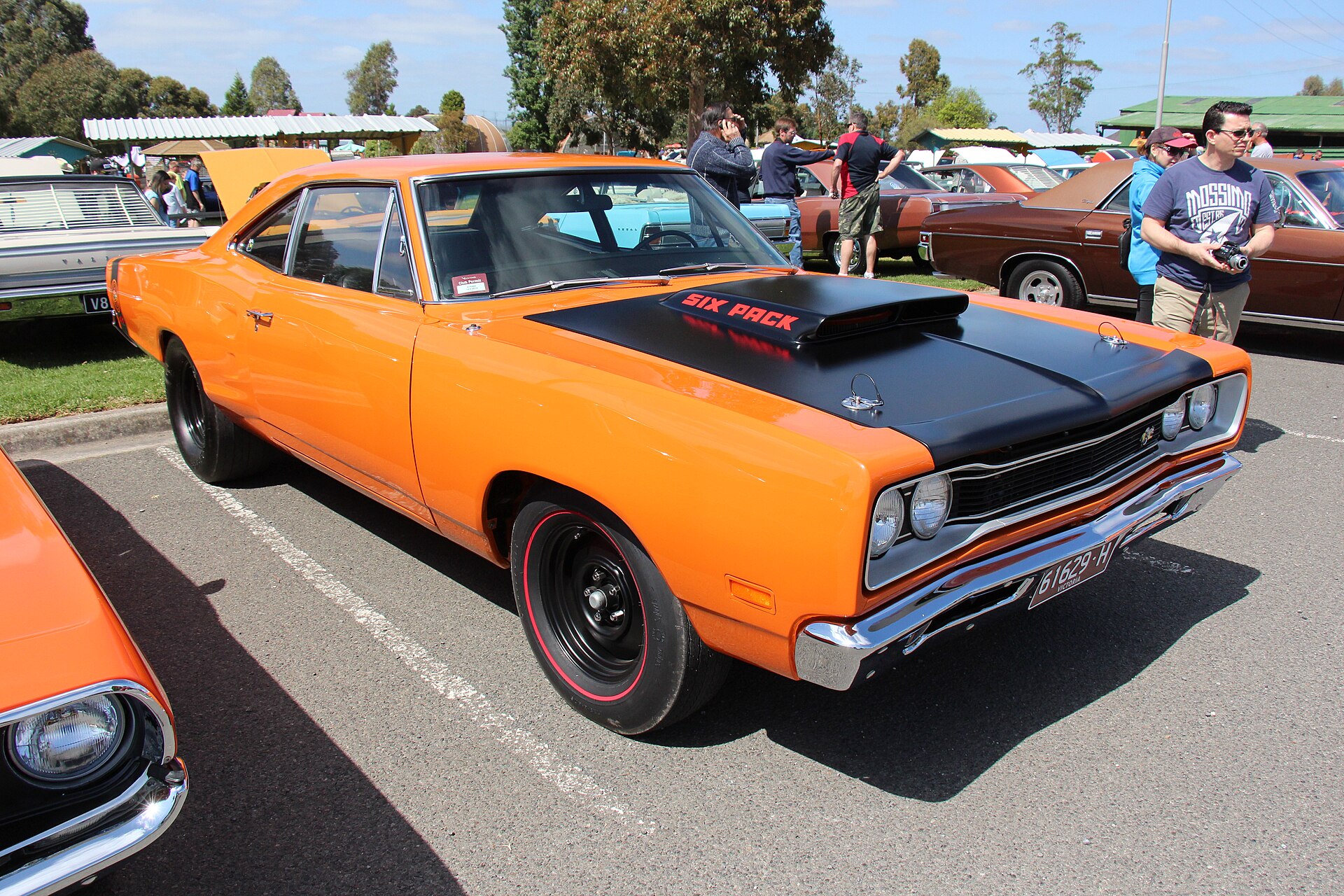
The Dodge Super Bee was Dodge's low-priced muscle car of 1968–1971. It began as a two-door Coronet coupé, Dodge's answer to the Plymouth Road Runner. The engines were big and the body plain: the 383 Magnum as standard, the 426 Hemi as the top option, and from 1969 the 440 Six Pack. For 1971 the Super Bee moved to the Charger body. Later, Dodge used the name for special editions of the modern Charger.
In short
- 1968–1970 on the two-door Coronet (B-body), 1971 on the Charger; the name comes from the B-body designation.
- 383 Magnum with 250 kW (335 hp, SAE gross) and 576 Nm as standard; 426 Hemi with 317 kW (425 hp) as the top option.
- Mid-1969: A12 package with the 440 Six Pack, 291 kW (390 hp) and 664 Nm.
- Production: 7,842 (1968), 27,800 (1969), 15,506 (1970) and 5,054 (1971).
Dodge Super Bee at a glance
| Specification | Dodge Super Bee |
|---|---|
| Production | 1968–1971 model years |
| Built | 56,202 (sum of the yearly figures) |
| Base | Dodge Coronet two-door coupé (1968–1970); Dodge Charger (1971) |
| Platform | Chrysler B-body, rear-wheel drive |
| Standard engine | 383 Magnum V8, 250 kW (335 hp) and 576 Nm |
| Options | 440 Six Pack (A12, from mid-1969), 291 kW (390 hp); 426 Hemi, 317 kW (425 hp) and 664 Nm |
| Rival | Plymouth Road Runner |
| Later use of the name | Charger editions 2007–2009, from 2012 and 2023 |
Other Dodge models are listed in our Dodge catalogue, and the 1964–1974 cars of all American brands are grouped in the American muscle car guide.
Dodge's answer to the Road Runner
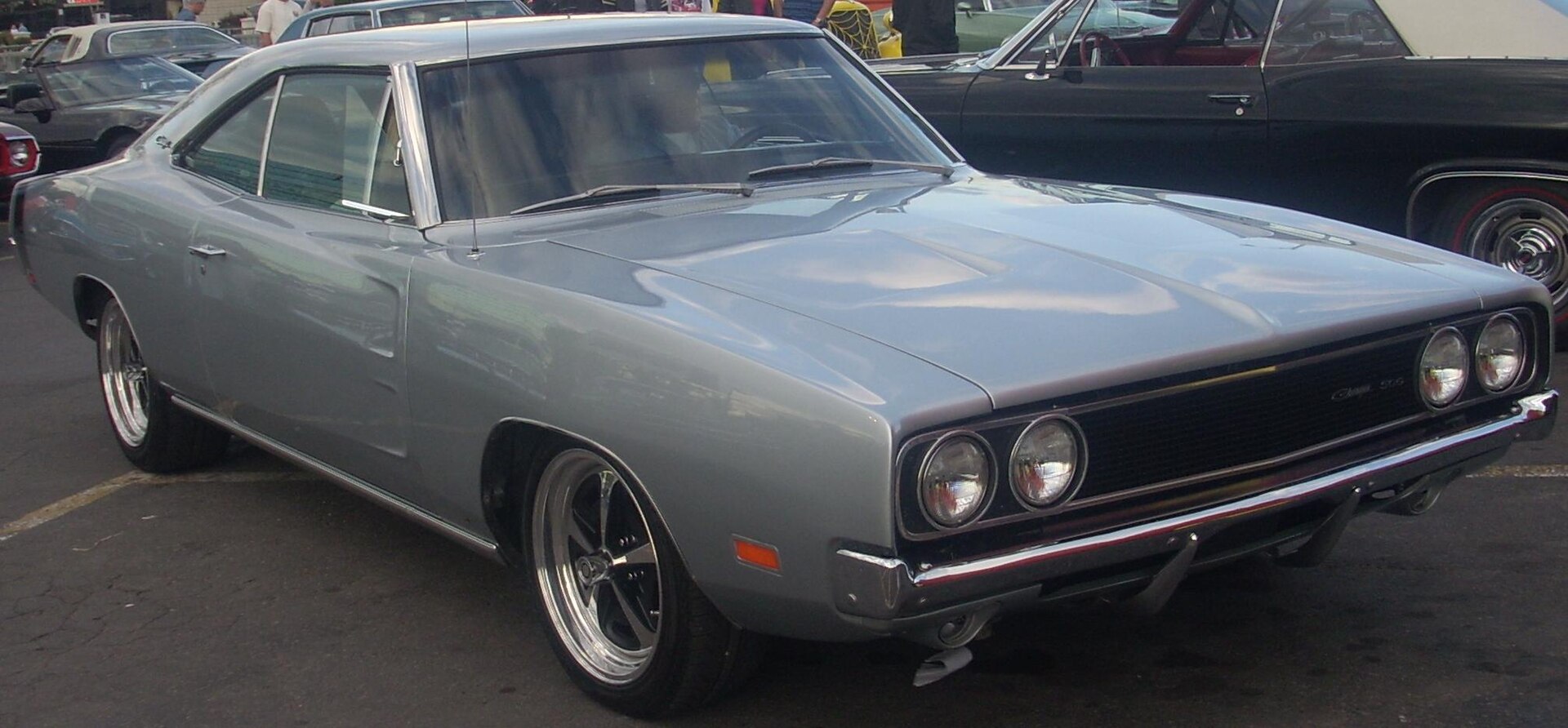
The Plymouth Road Runner of 1968 showed that buyers wanted a cheap car with a big engine. When its sales grew, Dodge's general manager asked for a similar model, and the Super Bee was ready during the same model year. It was based on the two-door Coronet coupé, and its name played on the "B" body designation that Chrysler used for its mid-size cars.
The standard engine was the 383 cu in Magnum V8 with 250 kW (335 hp) and 576 Nm. The 440 Magnum with a four-barrel carburettor was reserved for the more expensive Coronet R/T. The Super Bee therefore had a different top option: the 426 Hemi with 317 kW (425 hp) and 664 Nm. It raised the price by a third, and only 125 of the 7,842 Super Bees built in 1968 had it.
The Super Bee also faced a problem inside the company. It was slightly heavier than the Road Runner and had a longer wheelbase, but it cost more — a difference that Wikipedia says hurt sales.
The A12 Six Pack of 1969
1969 was the Super Bee's best year, with 27,800 cars built. Most of them, 25,727, had the 383. In the middle of the year Dodge added the A12 package with the 440 Six Pack. Three two-barrel carburettors sat on the 440 cu in V8, rated at 291 kW (390 hp) and 664 Nm. It sat between the standard engine and the Hemi in price, and 1,907 Super Bees received it. Another 166 had the Hemi.


The 1970 car and the Charger-based Super Bee
For 1970 the Super Bee continued on the Coronet with the same three engines. Production fell to 15,506 cars.
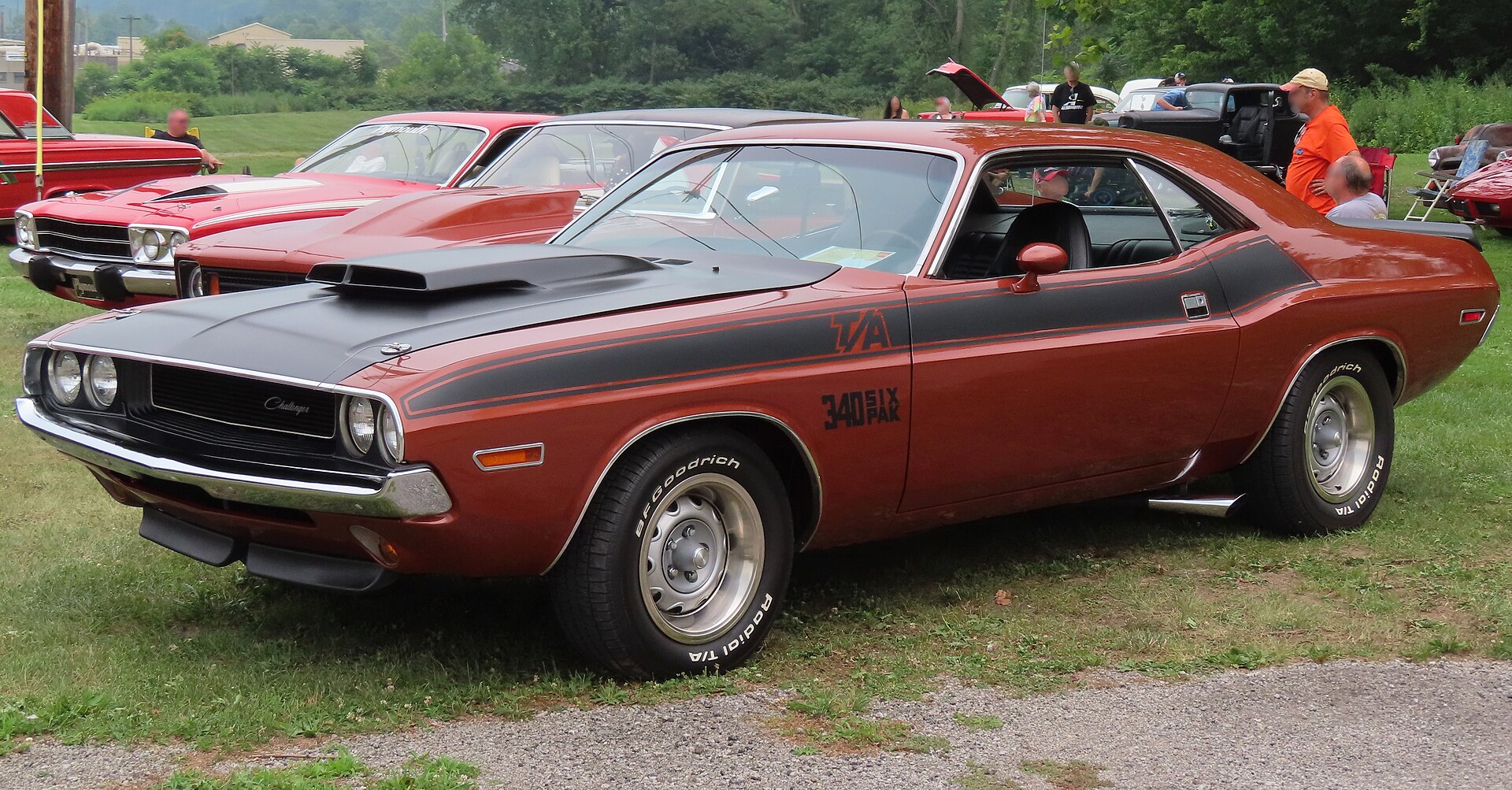
For 1971 Dodge moved the Super Bee to the Charger's B-body. The Charger R/T already covered the expensive muscle car role, so the Super Bee was again the budget model of the line. Production dropped to 5,054 cars, and only 22 had the Hemi. Wikipedia names the new look and higher insurance rates for performance cars as reasons. 1971 was also the last year of the Hemi in Chrysler production cars, and the last year of the original Super Bee.


Engines and production
| Year | Base | Built | 383 Magnum | 440 Six Pack | 426 Hemi |
|---|---|---|---|---|---|
| 1968 | Coronet | 7,842 | 7,717 | — | 125 |
| 1969 | Coronet | 27,800 | 25,727 | 1,907 | 166 |
| 1970 | Coronet | 15,506 | not given | not given | not given |
| 1971 | Charger | 5,054 | not given | not given | 22 |
Ratings, all SAE gross: 383 Magnum 250 kW (335 hp) and 576 Nm; 440 Six Pack 291 kW (390 hp) and 664 Nm; 426 Hemi 317 kW (425 hp) and 664 Nm.
The name returns on the Charger
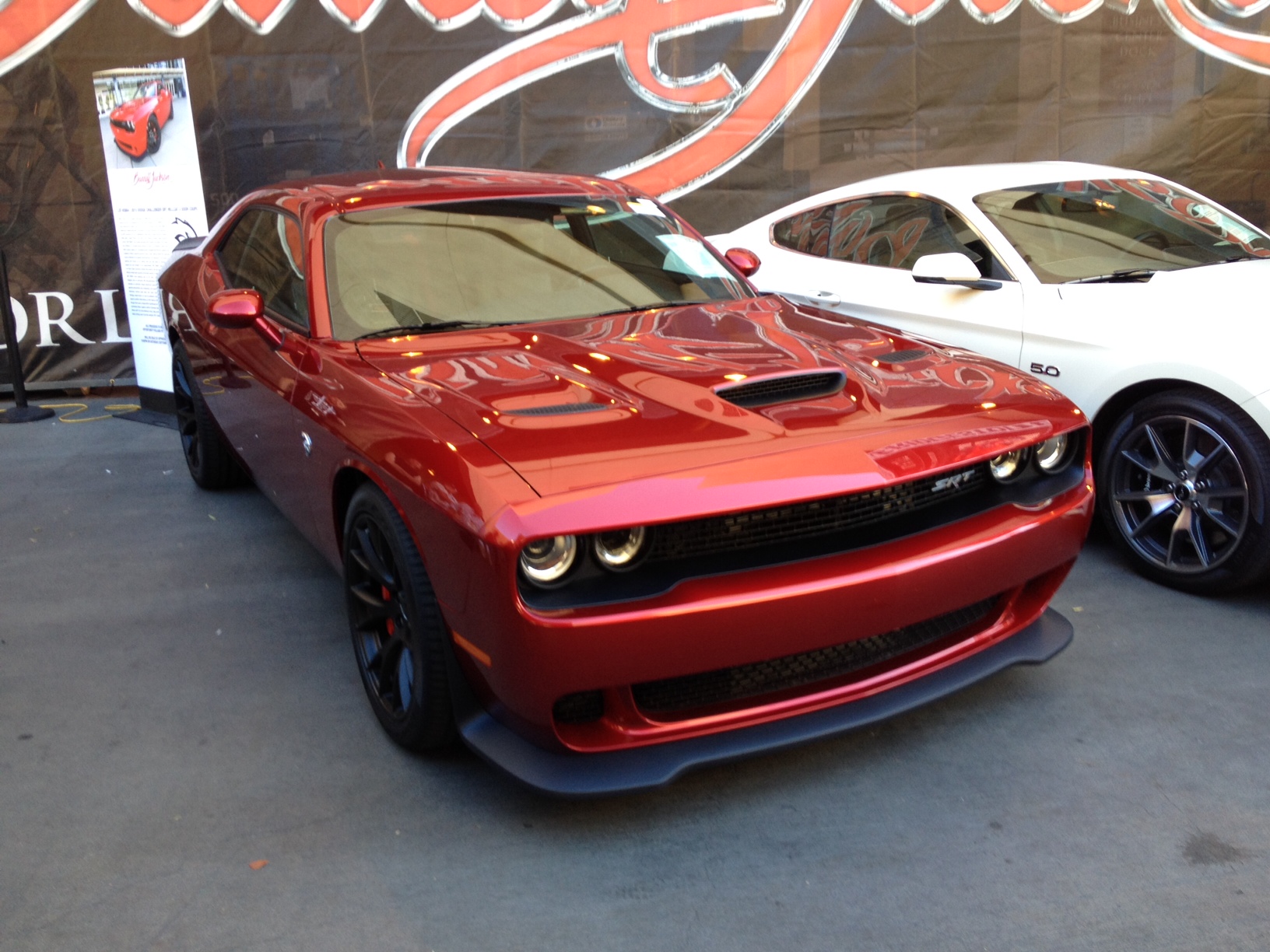
Dodge brought the Super Bee back as a limited edition of the four-door Charger. The 2007 car was based on the Charger SRT8 with its 6.1-litre Hemi of 317 kW (425 hp), and 1,000 were made. For 2008 another 1,000 followed, all in B5 Blue Pearl, and for 2009 there were 425 cars in Hemi Orange Pearl.
From 2012 the Super Bee returned as a more affordable Charger with the 6.4-litre "392" Hemi, which the main Charger article lists at 350 kW (470 hp). The last chapter so far is a 1,000-car package for the 2023 Charger 392 Scat Pack, part of Dodge's "Last Call" editions.
In Mexico, Dodge sold a Super Bee from 1970 to 1980 that had nothing to do with the B-body cars. It was built on the smaller A-body, replaced the local Barracuda and was closely related to the Plymouth Duster, first with a 318 and later with a 360 V8.

Which Super Bee to look for
The 1969 A12 Six Pack car is the best-known Super Bee. The Hemi cars are the rarest: 125 in 1968, 166 in 1969 and 22 in 1971. The 1971 Charger-based car offers the later body in its cheapest form. For the Plymouth sister model, see the Plymouth Road Runner, and compare both in our car rankings.
Photo gallery

Dodge Super Bee: first vs latest generation
| Spec | Super Bee I | Super Bee II | Change |
|---|---|---|---|
| Years | 1968–1970 | 1971 | 3 years apart |
| Most powerful version | 317 kW (431 PS) | 317 kW (431 PS) | same (0%) |
Oldest and newest generation in the 1cars catalog. Power is the strongest version of each; other rows are shown only when both generations have the figure.
Image credits · Photos from Wikimedia Commons under free licences
- Dodge Super Bee I · Photo: dave_7 from Lethbridge, Canada / Wikimedia Commons, CC BY 2.0
- Dodge Super Bee II · Photo: Greg Gjerdingen from Willmar, USA / Wikimedia Commons, CC BY 2.0
Dodge Super Bee in our rankings
- No. 4 of 88 · Most powerful cars of the 1970s (317 kW)
- No. 261 of 859 · Most powerful cars (317 kW · top 32%)
- No. 43 of 154 · Most powerful American cars (317 kW · top 34%)
- No. 146 of 313 · Most powerful coupes (317 kW · top 49%)
- No. 771 of 912 · Longest-running car nameplates (3 years · top 89%)
- No. 247 of 345 · Cars with the most generations (2 generations)
More powerful than 90% of ranked cars of the 1970s in the 1CARS catalog (No. 4 of 88).
FAQ
Where does the name Super Bee come from?
From the "B" body, Chrysler's designation for its mid-size cars such as the Coronet, Charger and Road Runner.
What is a 1969½ Super Bee A12?
A Super Bee with the A12 package added in the middle of 1969: a 440 V8 with three two-barrel carburettors, 291 kW (390 hp) and 664 Nm.
How many Hemi Super Bees were built?
125 in 1968, 166 in 1969 and 22 in 1971, according to Wikipedia; the 1970 figure is not given.
Is the modern Charger Super Bee the same car?
No. Since 2007 the name has been used for limited editions of the four-door Dodge Charger.
Data sources
Data checked by an editor against the sources below.