 Dodge Dart
All generations, specs and history
Published Sources (6) Report an error
By Sarah Whitmore, Senior Automotive Writer
- Built
- 1959–2016
- Generations
- 5
- Top power
- 224 kW (305 PS)
Timeline
Dart generations
Click a generation for its own page
- Dart I 1960–1961 · Sedan
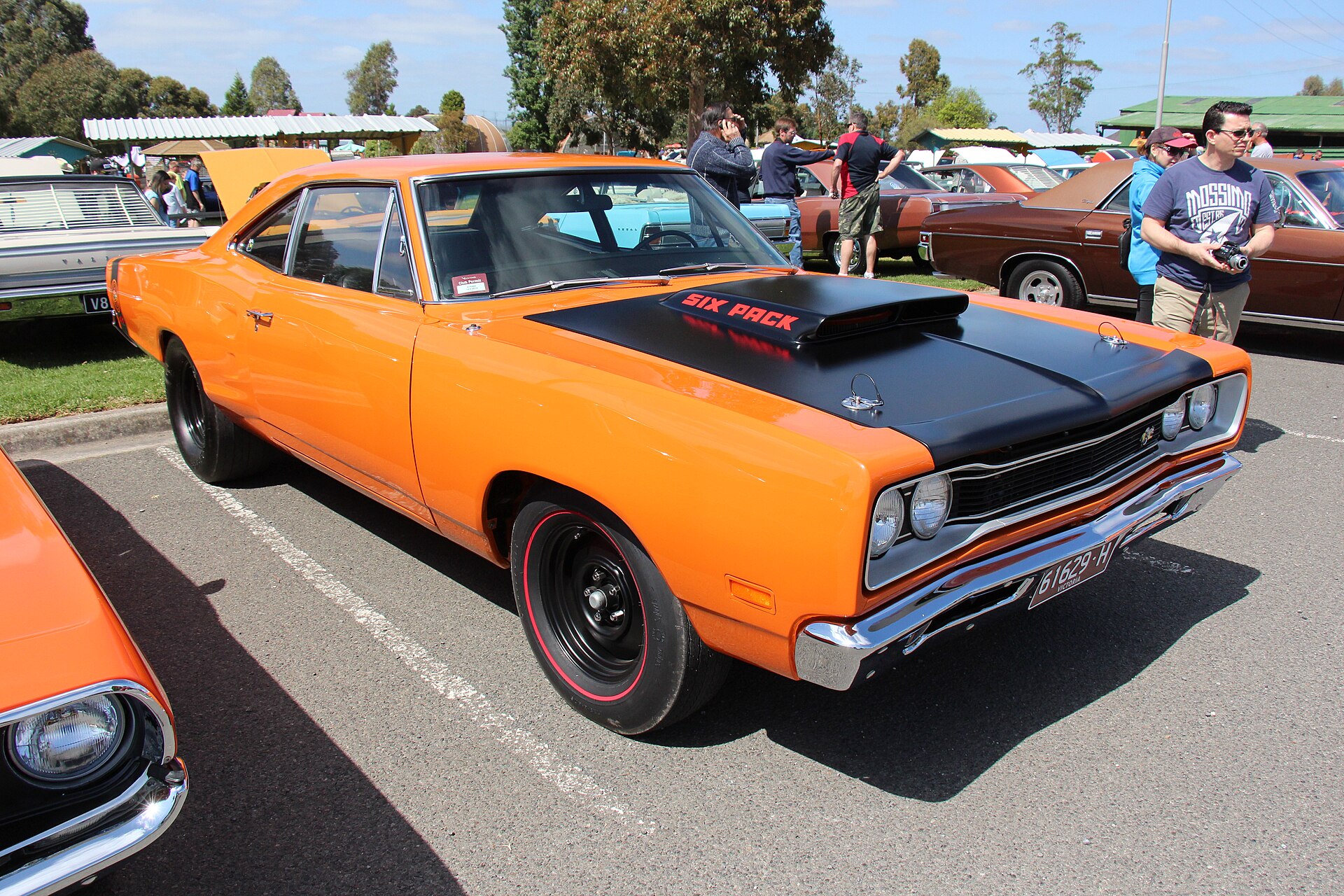
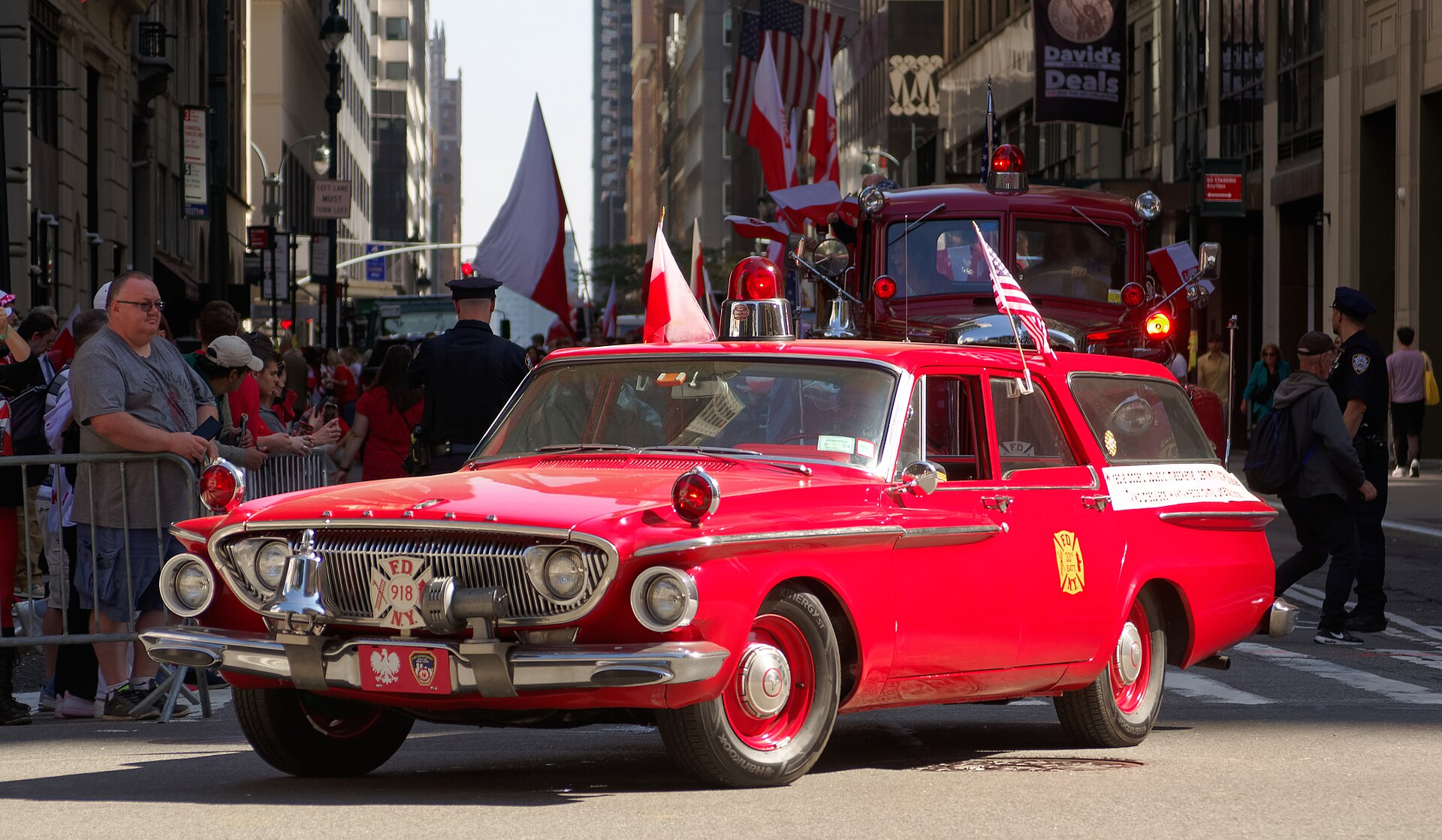
- Dart II 1962 · Sedan
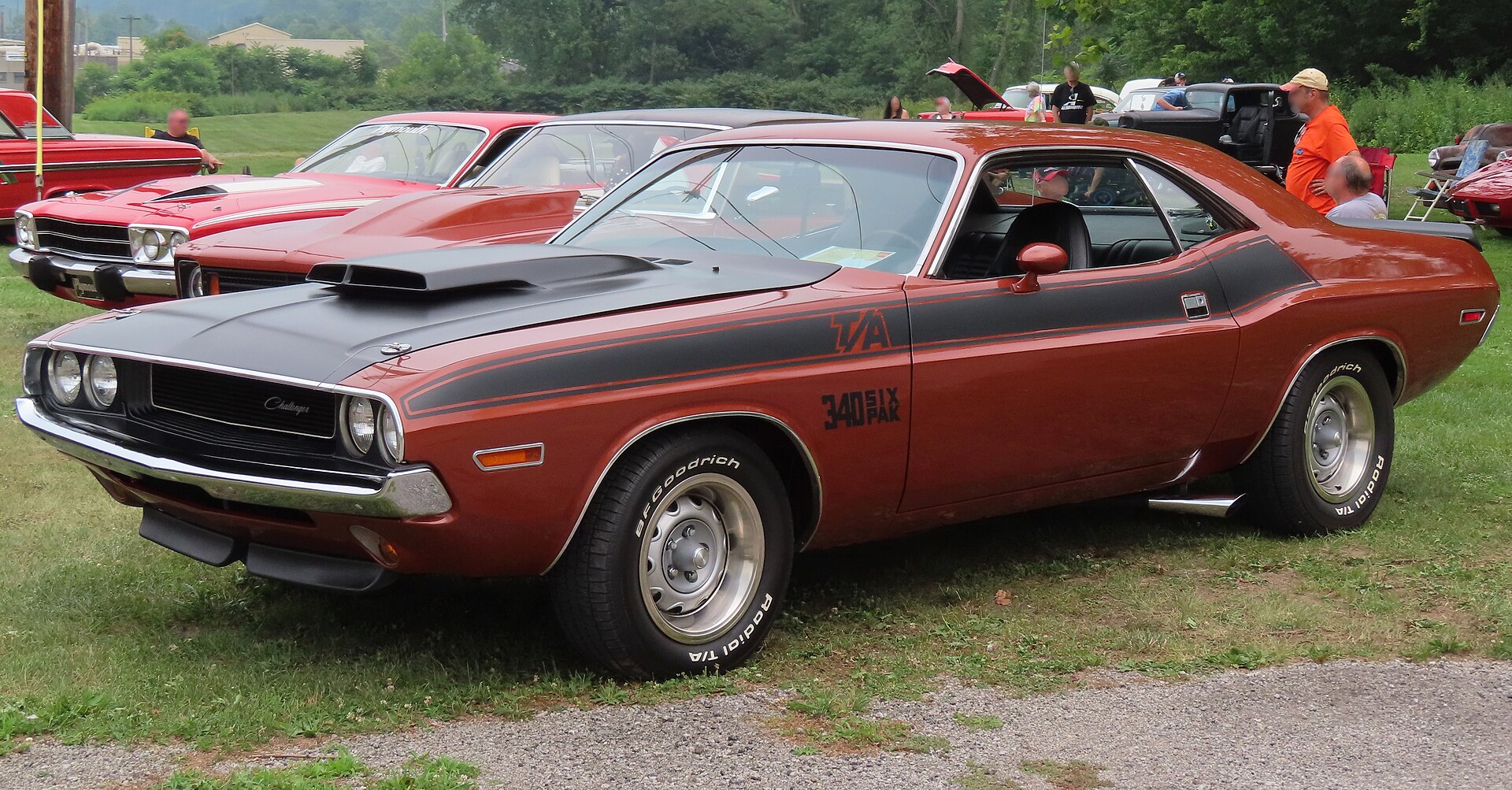
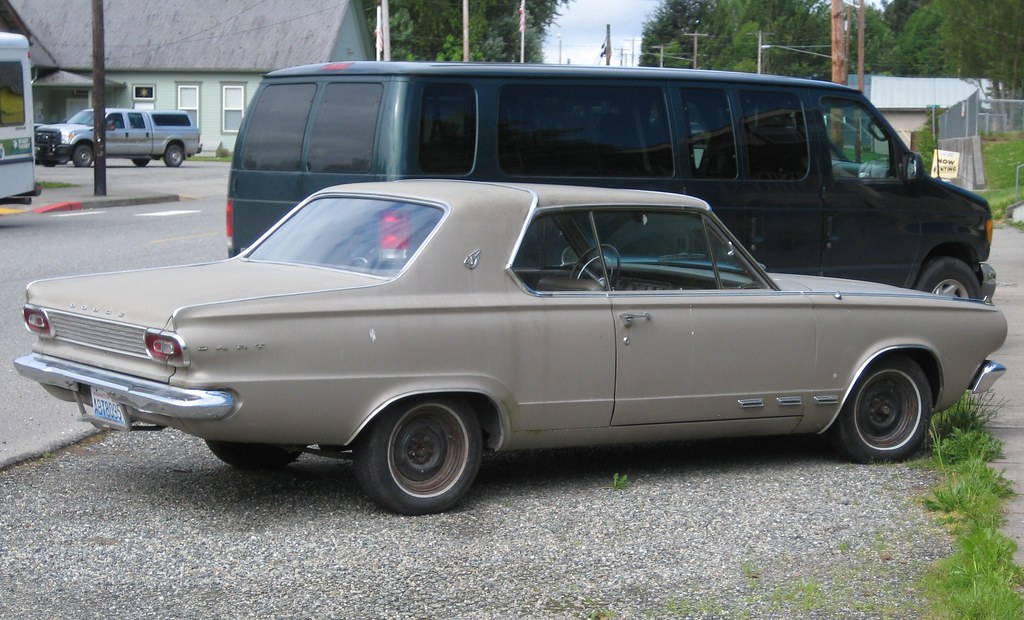
- Dart III 1963–1966 · Sedan, Coupe · 175 kW (238 PS)
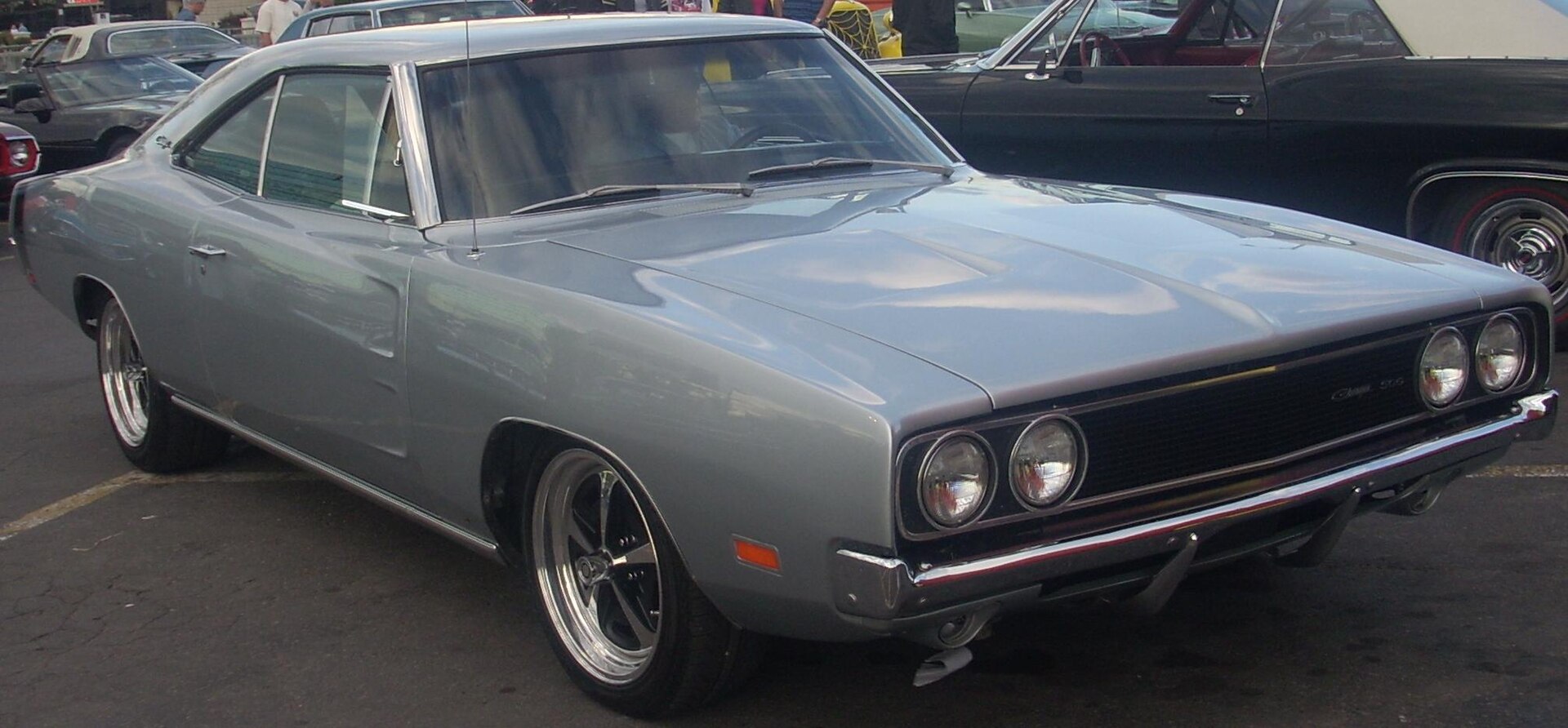
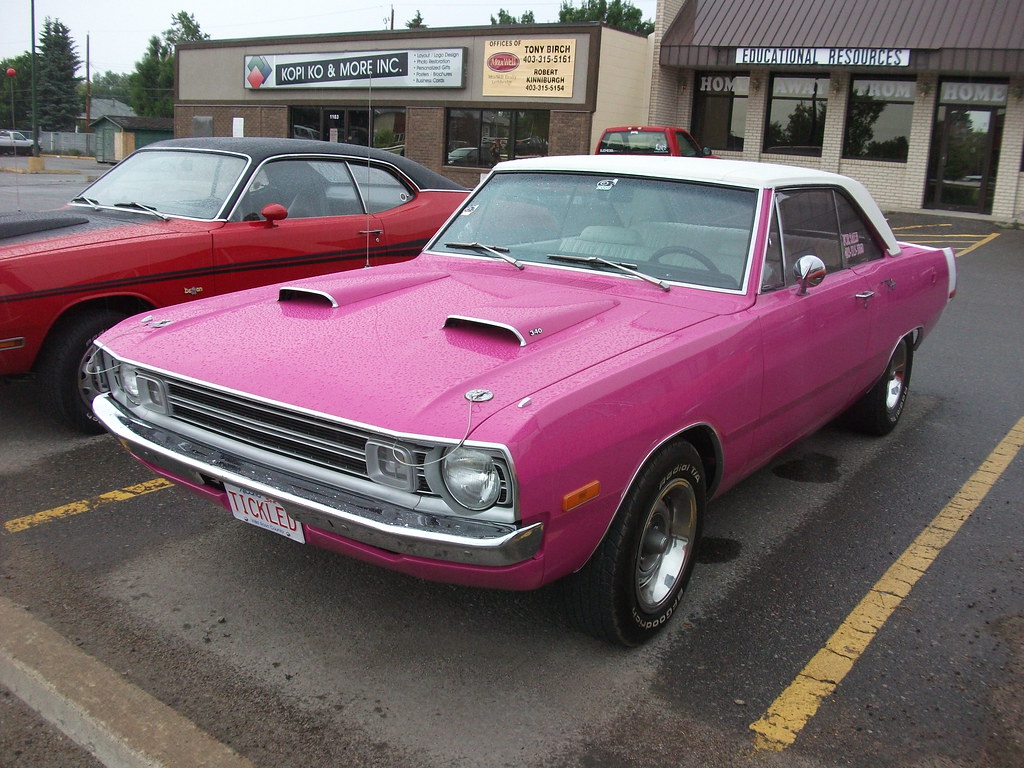
- Dart IV 1967–1976 · Sedan, Coupe · 224 kW (305 PS)
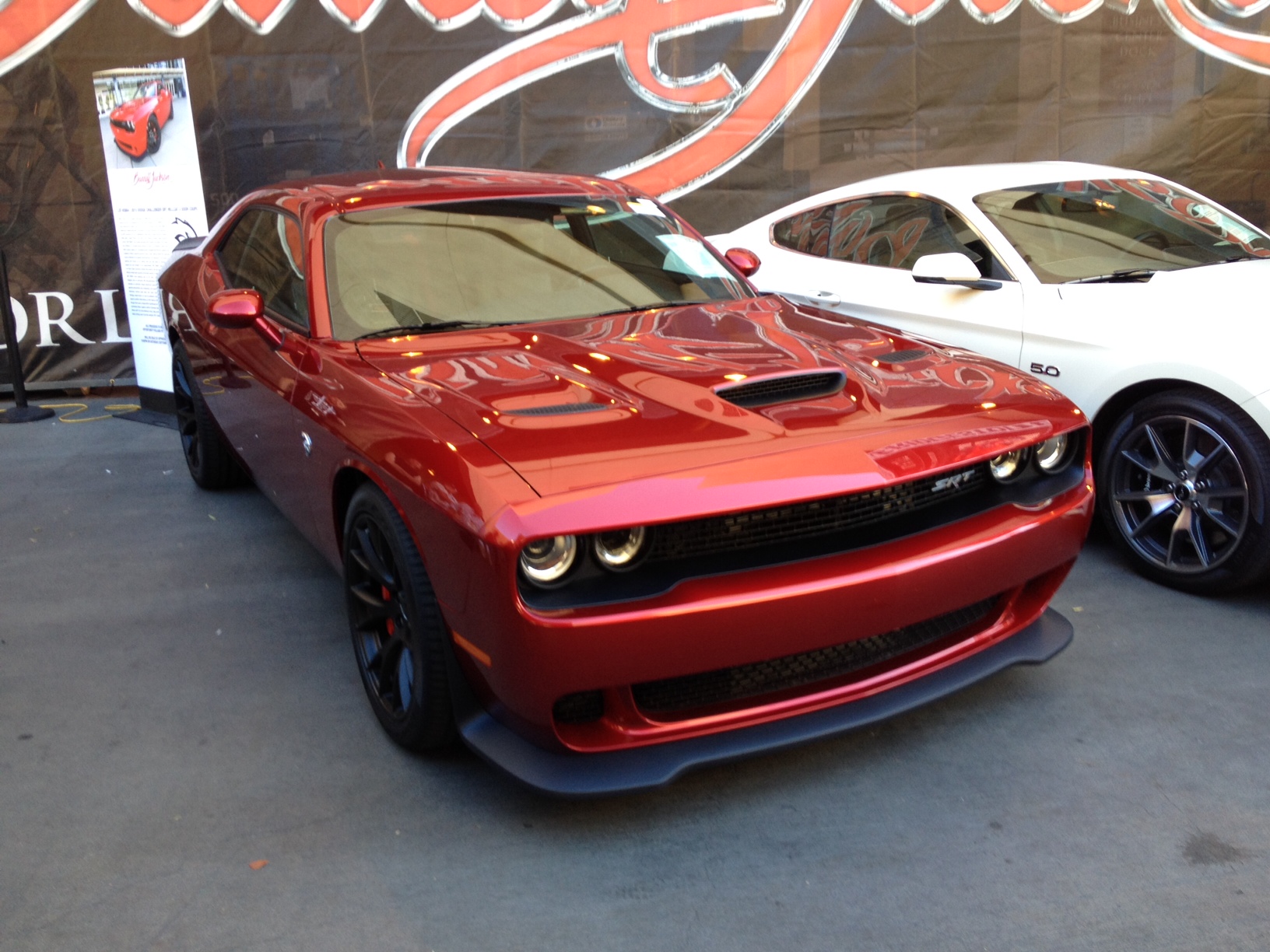
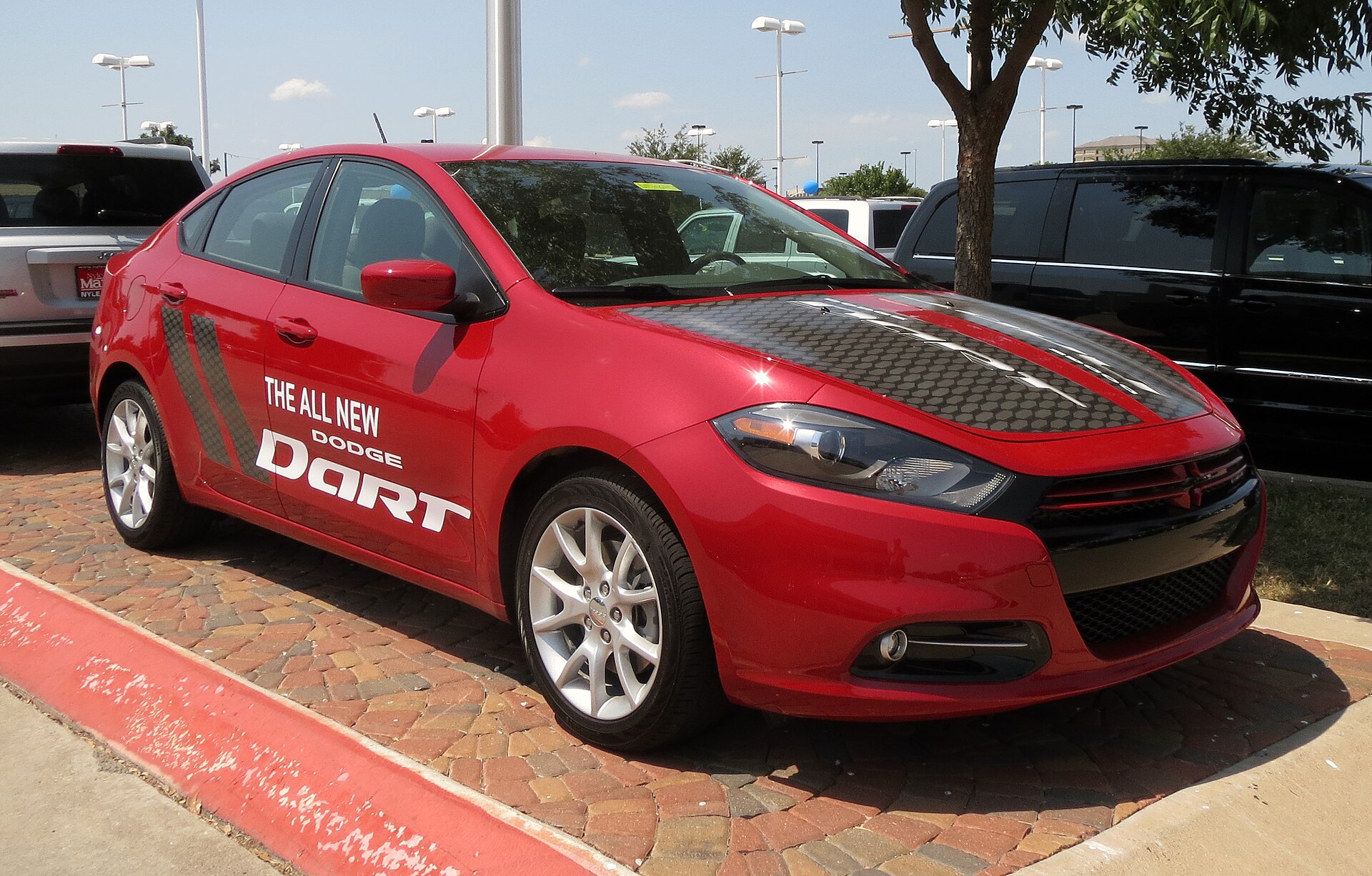
- Dart V 2013–2016 · Sedan
Newest first · 5 generations since 1960
-
2013
-
1967
-
1963
-
1962
-
1960
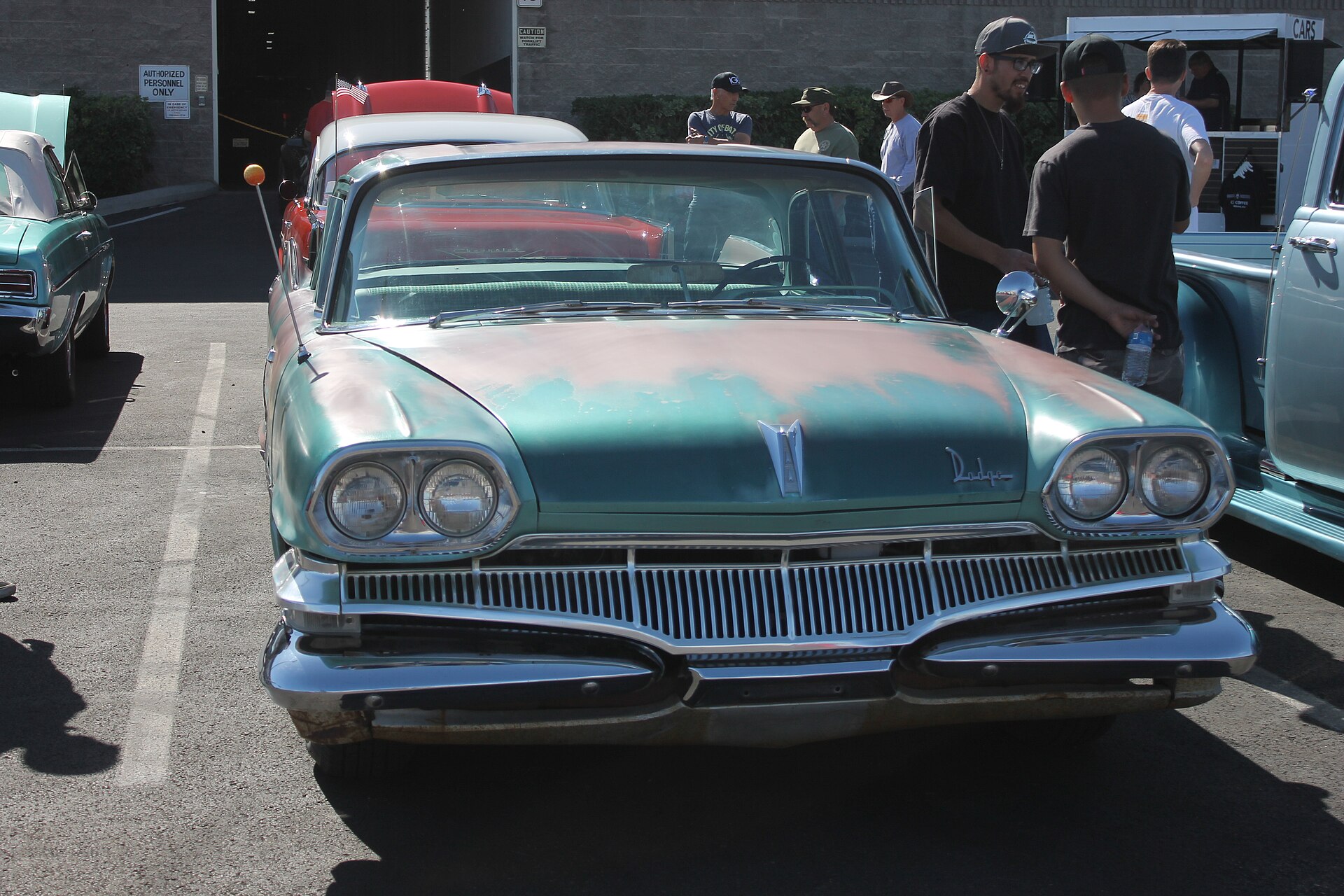


All generations by year: Dart V (2013–2016) · Dart IV (1967–1976) · Dart III (1963–1966) · Dart II (1962) · Dart I (1960–1961)
Which one is mine?
Pick the year of first registration to see which generation it is.
- Dart V 2013–2016
- Dart IV 1967–1976
- Dart III 1963–1966
- Dart II 1962
- Dart I 1960–1961
Which Dart to choose
Our verdict · Sarah Whitmore
For a muscle car the A-body Darts from 1968 on are the ones to look at, and the choice is mostly about engine and rarity. The 383 gave the GTS 19 kW, or about nine percent, more than the 340. But it put a heavy big-block into the front of a compact car. The small-block 340 made almost the same 37 kW per litre and kept the car better balanced. By our count of the source figures, the 440 Darts of 1968–1969 were about eight times as common as the Hemi Darts. More than 650 were built, against 80 Hemi cars that were never meant for the road.
A buyer who wants a usable car will usually be happier with a Swinger 340 or a Demon 340: the same 340 engine in a simpler specification. The later Sport 360 is rated in net figures and should not be compared directly with the gross ratings of the earlier cars.
The Dodge Dart began in 1960 as a full-size car, spent 1962 on the B-body and from 1963 to 1976 was Dodge's compact on the A-body. In that last form it became one of the quickest small American cars. The best known are the 1968 Dart GTS with the 340 V8, the Swinger 340, the Demon 340 and the Dart Sport 340 and 360. For drag racers Hurst built 80 Darts with the 426 Hemi in 1968. The name returned for the 2013 model year on a Fiat-based compact.
In short
- 1960–1961 full-size, 1962 B-body, 1963–1966 and 1967–1976 A-body compact, 2013 revival.
- 1968 Dart GTS: 340 V8 with 205 kW (275 hp) as standard, 383 with 224 kW (300 hp) optional (SAE gross).
- 1968 Hemi Dart (LO23): 80 drag-racing cars with 317 kW (425 hp) and 664 Nm.
- Swinger 340 (1969–1971), Demon 340 (1971–1972), Dart Sport 340 (1973) and 360 (1974–1976).
Running cost
Fuel · Dart 2 L 4 cyl Automatic 6-spd · 2015 (EPA)
about 2,300 EUR fuel a year at 15,000 km
8.7 l/100 km · petrol at 1.75 EUR/l · change mileage, fuel price or version
Specs by version
Engines
| Version | Engine | Gearbox | Drive | Production years |
|---|---|---|---|---|
| Dart V · 1.4 L 4 cyl Automatic (AM6) · 2016 (EPA) | 1.4 l · 4 cyl 1,400 cc | 6-sp Dual-clutch | Front-wheel drive | 2016 |
| Dart V · 1.4 L 4 cyl Manual 6-spd · 2016 (EPA) | 1.4 l · 4 cyl 1,400 cc | 6-sp Manual | Front-wheel drive | 2016 |
| Dart V · 1.4 L 4 cyl Automatic (AM6) · 2015 (EPA) | 1.4 l · 4 cyl 1,400 cc | 6-sp Dual-clutch | Front-wheel drive | 2015 |
| Dart V · 1.4 L 4 cyl Automatic (AM6) · 2014 (EPA) | 1.4 l · 4 cyl 1,400 cc | 6-sp Dual-clutch | Front-wheel drive | 2014 |
| Dart V · 1.4 L 4 cyl Automatic (AM6) · 2013 (EPA) | 1.4 l · 4 cyl 1,400 cc | 6-sp Dual-clutch | Front-wheel drive | 2013 |
| Dart V · 1.4 L 4 cyl Manual 6-spd · 2013 (EPA) | 1.4 l · 4 cyl 1,400 cc | 6-sp Manual | Front-wheel drive | 2013 |
| Dart V · 2 L 4 cyl Automatic 6-spd · 2016 (EPA) | 2.0 l · 4 cyl · Petrol 2,000 cc | 6-sp Automatic | Front-wheel drive | 2016 |
| Dart V · 2 L 4 cyl Manual 6-spd · 2016 (EPA) | 2.0 l · 4 cyl 2,000 cc | 6-sp Manual | Front-wheel drive | 2016 |
| Dart V · 2 L 4 cyl Automatic 6-spd · 2015 (EPA) | 2.0 l · 4 cyl · Petrol 2,000 cc | 6-sp Automatic | Front-wheel drive | 2015 |
| Dart V · 2 L 4 cyl Manual 6-spd · 2015 (EPA) | 2.0 l · 4 cyl 2,000 cc | 6-sp Manual | Front-wheel drive | 2015 |
| Dart V · 2 L 4 cyl Automatic 6-spd · 2014 (EPA) | 2.0 l · 4 cyl · Petrol 2,000 cc | 6-sp Automatic | Front-wheel drive | 2014 |
| Dart V · 2 L 4 cyl Manual 6-spd · 2014 (EPA) | 2.0 l · 4 cyl 2,000 cc | 6-sp Manual | Front-wheel drive | 2014 |
| Dart V · 2 L 4 cyl Automatic 6-spd · 2013 (EPA) | 2.0 l · 4 cyl 2,000 cc | 6-sp Automatic | Front-wheel drive | 2013 |
| Dart V · 2 L 4 cyl Automatic 6-spd · 2013 (EPA) | 2.0 l · 4 cyl · Petrol 2,000 cc | 6-sp Automatic | Front-wheel drive | 2013 |
| Dart V · 2 L 4 cyl Manual 6-spd · 2013 (EPA) | 2.0 l · 4 cyl 2,000 cc | 6-sp Manual | Front-wheel drive | 2013 |
| Dart V · 2.4 L 4 cyl Automatic 6-spd · 2016 (EPA) | 2.4 l · 4 cyl 2,400 cc | 6-sp Automatic | Front-wheel drive | 2016 |
| Dart V · 2.4 L 4 cyl Manual 6-spd · 2016 (EPA) | 2.4 l · 4 cyl 2,400 cc | 6-sp Manual | Front-wheel drive | 2016 |
| Dart V · 2.4 L 4 cyl Automatic 6-spd · 2015 (EPA) | 2.4 l · 4 cyl 2,400 cc | 6-sp Automatic | Front-wheel drive | 2015 |
| Dart V · 2.4 L 4 cyl Manual 6-spd · 2015 (EPA) | 2.4 l · 4 cyl 2,400 cc | 6-sp Manual | Front-wheel drive | 2015 |
| Dart V · 2.4 L 4 cyl Automatic 6-spd · 2014 (EPA) | 2.4 l · 4 cyl 2,400 cc | 6-sp Automatic | Front-wheel drive | 2014 |
| Dart V · 2.4 L 4 cyl Manual 6-spd · 2014 (EPA) | 2.4 l · 4 cyl 2,400 cc | 6-sp Manual | Front-wheel drive | 2014 |
| Dart V · 2.4 L 4 cyl Automatic 6-spd · 2013 (EPA) | 2.4 l · 4 cyl 2,400 cc | 6-sp Automatic | Front-wheel drive | 2013 |
| Dart V · 2.4 L 4 cyl Manual 6-spd · 2013 (EPA) | 2.4 l · 4 cyl 2,400 cc | 6-sp Manual | Front-wheel drive | 2013 |
Performance
Show all 23 versions
| Version | Fuel consumption |
|---|---|
| Dart V · 1.4 L 4 cyl Automatic (AM6) · 2016 (EPA) | 7.8 l/100 km30.2 mpg US · 36.2 mpg UK |
| Dart V · 1.4 L 4 cyl Manual 6-spd · 2016 (EPA) | 7.6 l/100 km30.9 mpg US · 37.2 mpg UK |
| Dart V · 1.4 L 4 cyl Automatic (AM6) · 2015 (EPA) | 7.8 l/100 km30.2 mpg US · 36.2 mpg UK |
| Dart V · 1.4 L 4 cyl Automatic (AM6) · 2014 (EPA) | 7.8 l/100 km30.2 mpg US · 36.2 mpg UK |
| Dart V · 1.4 L 4 cyl Automatic (AM6) · 2013 (EPA) | 7.8 l/100 km30.2 mpg US · 36.2 mpg UK |
| Dart V · 1.4 L 4 cyl Manual 6-spd · 2013 (EPA) | 7.6 l/100 km30.9 mpg US · 37.2 mpg UK |
| Dart V · 2 L 4 cyl Automatic 6-spd · 2016 (EPA) | 8.7 l/100 km27.0 mpg US · 32.5 mpg UK |
| Dart V · 2 L 4 cyl Manual 6-spd · 2016 (EPA) | 8.1 l/100 km29.0 mpg US · 34.9 mpg UK |
| Dart V · 2 L 4 cyl Automatic 6-spd · 2015 (EPA) | 8.7 l/100 km27.0 mpg US · 32.5 mpg UK |
| Dart V · 2 L 4 cyl Manual 6-spd · 2015 (EPA) | 8.1 l/100 km29.0 mpg US · 34.9 mpg UK |
| Dart V · 2 L 4 cyl Automatic 6-spd · 2014 (EPA) | 8.7 l/100 km27.0 mpg US · 32.5 mpg UK |
| Dart V · 2 L 4 cyl Manual 6-spd · 2014 (EPA) | 8.1 l/100 km29.0 mpg US · 34.9 mpg UK |
| Dart V · 2 L 4 cyl Automatic 6-spd · 2013 (EPA) | 8.7 l/100 km27.0 mpg US · 32.5 mpg UK |
| Dart V · 2 L 4 cyl Automatic 6-spd · 2013 (EPA) | 8.7 l/100 km27.0 mpg US · 32.5 mpg UK |
| Dart V · 2 L 4 cyl Manual 6-spd · 2013 (EPA) | 8.1 l/100 km29.0 mpg US · 34.9 mpg UK |
| Dart V · 2.4 L 4 cyl Automatic 6-spd · 2016 (EPA) | 8.7 l/100 km27.0 mpg US · 32.5 mpg UK |
| Dart V · 2.4 L 4 cyl Manual 6-spd · 2016 (EPA) | 8.7 l/100 km27.0 mpg US · 32.5 mpg UK |
| Dart V · 2.4 L 4 cyl Automatic 6-spd · 2015 (EPA) | 8.7 l/100 km27.0 mpg US · 32.5 mpg UK |
| Dart V · 2.4 L 4 cyl Manual 6-spd · 2015 (EPA) | 8.7 l/100 km27.0 mpg US · 32.5 mpg UK |
| Dart V · 2.4 L 4 cyl Automatic 6-spd · 2014 (EPA) | 8.7 l/100 km27.0 mpg US · 32.5 mpg UK |
| Dart V · 2.4 L 4 cyl Manual 6-spd · 2014 (EPA) | 8.7 l/100 km27.0 mpg US · 32.5 mpg UK |
| Dart V · 2.4 L 4 cyl Automatic 6-spd · 2013 (EPA) | 9.8 l/100 km24.0 mpg US · 28.8 mpg UK |
| Dart V · 2.4 L 4 cyl Manual 6-spd · 2013 (EPA) | 9.0 l/100 km26.1 mpg US · 31.4 mpg UK |
Verified Manufacturer and type-approval data from our catalog · Sources and methodology
Safety
-
Dart V · NHTSA 2016
US NCAP (NHTSA)
Stars from different years and organisations are not directly comparable: test protocols change every few years.
Dodge Dart at a glance
| Generation | Years | Platform | Notable performance engine |
|---|---|---|---|
| I | 1960–1961 | full-size, 118 in wheelbase | - |
| II | 1962 | B-body | - |
| III | 1963–1966 | A-body compact, 111 in | 273 V8 four-barrel, 175 kW (235 hp) |
| IV | 1967–1976 | A-body compact | 340 V8, 205 kW (275 hp); 383, 224 kW (300 hp) |
| V | 2013 | Fiat-based compact | - |
The Dart belongs to our Dodge catalogue, and its GTS, Swinger and Demon versions to the American muscle car guide.
From full-size Dart to compact Dart
The first Dart of 1960 used a unibody Plymouth platform with a 118 in wheelbase, or 122 in for wagons. It made Dodge's year. The division built 367,804 cars, its highest total to date, and the Dart accounted for 87 percent of them. A year later Dodge built 142,708 Darts and fell to ninth place in the industry. For 1962 the Dart moved to the smaller B-body, its only year on that platform.
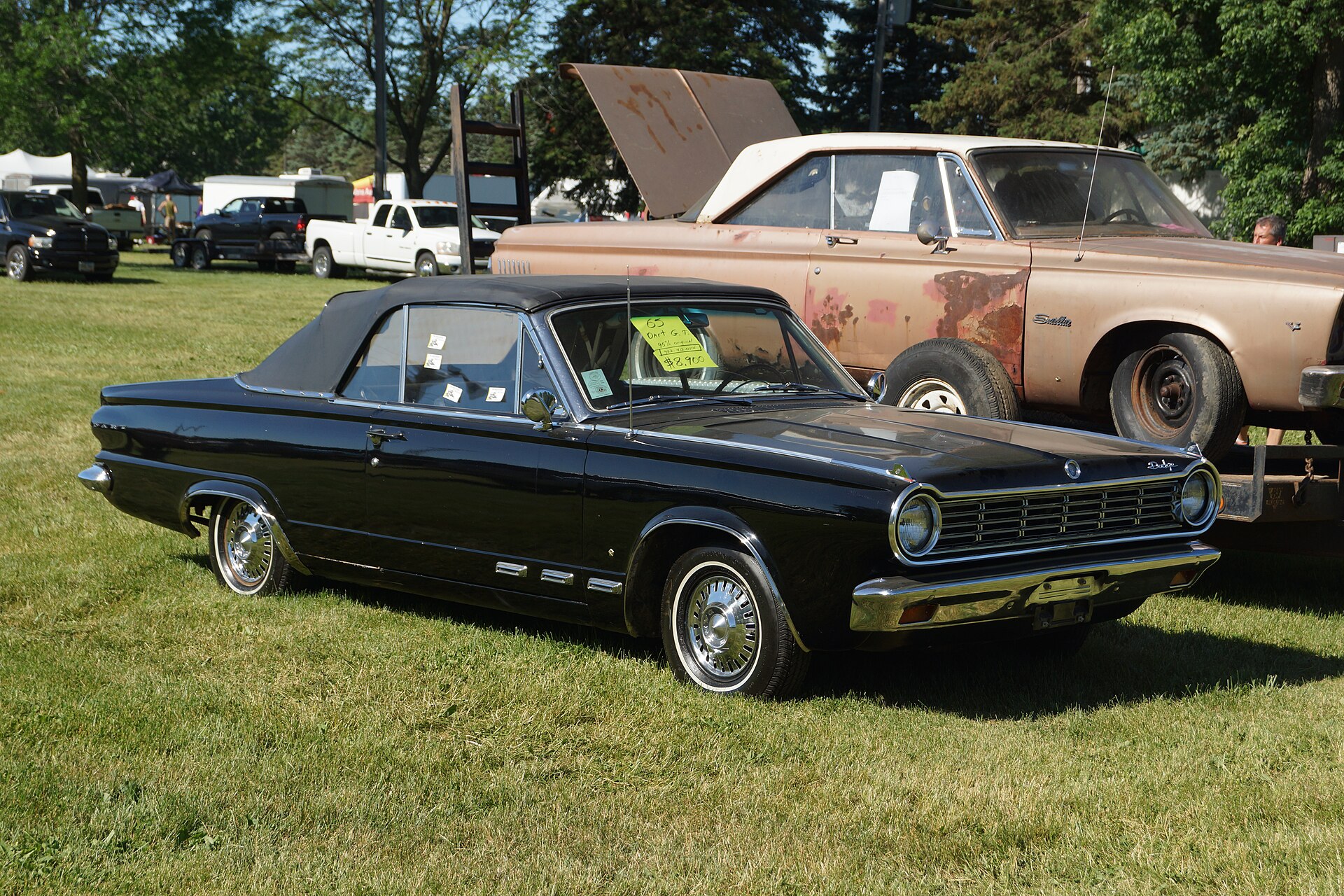
From 1963 the Dart was a compact on the A-body with a 111 in wheelbase. In 1964 the 273 V8 arrived during the model year with 134 kW (180 hp), and for 1965 a four-barrel version with 175 kW (235 hp). That year Dodge also sold the Dart Charger, a yellow GT hardtop with this engine. For NHRA D/Stock racing the 1966 D-Dart had the 273 tuned to 205 kW (275 hp).

Dart GTS and the 1968 Hemi Dart
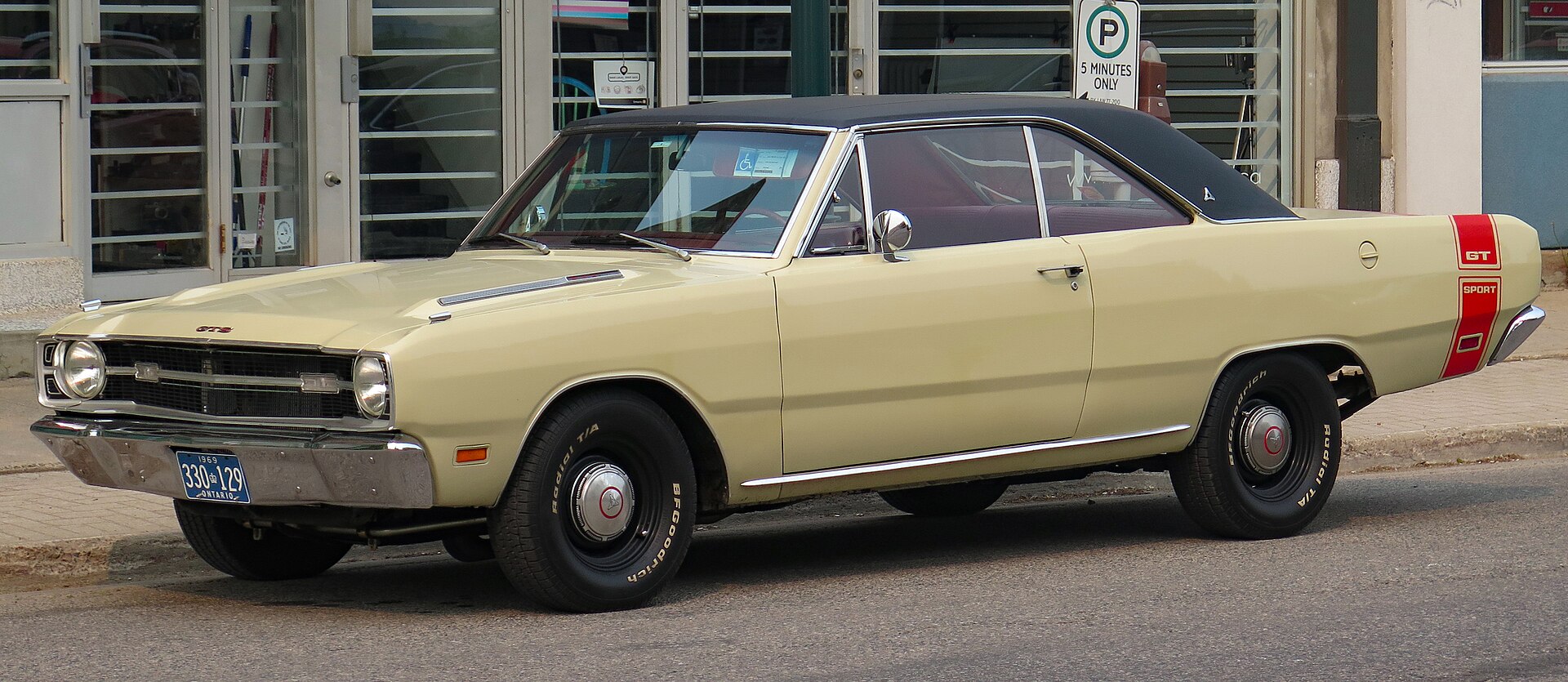
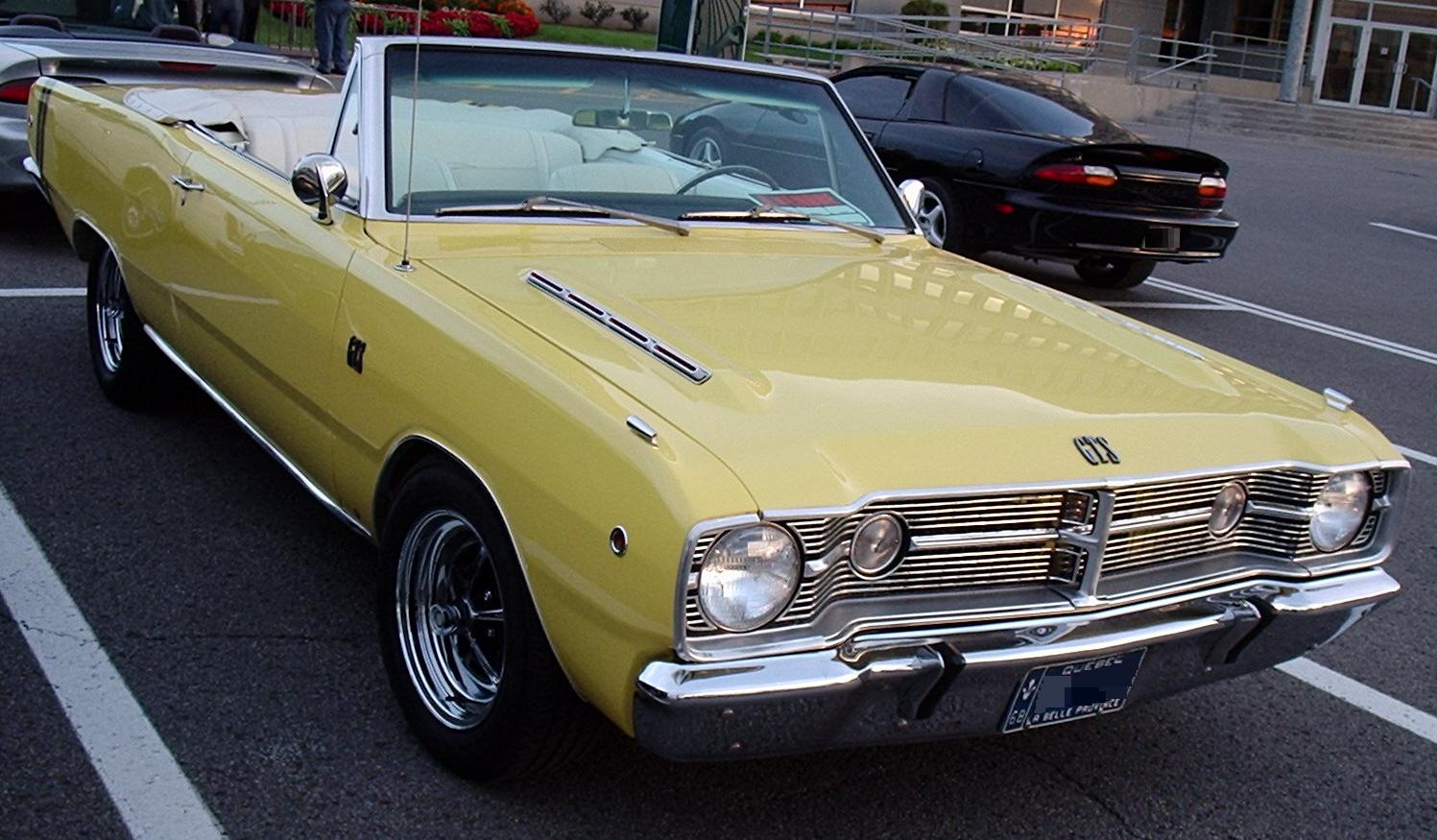
The Dart was redesigned for 1967, and wagons were dropped. The performance version followed in 1968. The GTS had the 340 V8 as standard, rated at 205 kW (275 hp). The 383 big-block with 224 kW (300 hp) was an option. Like every Dart of the period, it had rear-wheel drive. In 1969 the 440 V8 was available in the GTS in limited numbers. A pilot run of about 50 440-powered Darts was built in 1968 and over 600 in 1969.
The most extreme Dart was not meant for the street. In 1968 Hurst Performance built 80 Hemi Darts, coded LO23, for the NHRA Super Stock B class, with a disclaimer that they were not for road use. The 426 Hemi with two four-barrel carburettors was rated at 317 kW (425 hp) and 664 Nm. A fibreglass bonnet and wings and only two bucket seats brought the weight to about 3,000 lb (1,360 kg). The engineers claimed quarter-mile times in the 10- to 11-second range at around 130 mph (209 km/h).


Swinger 340 and Demon 340
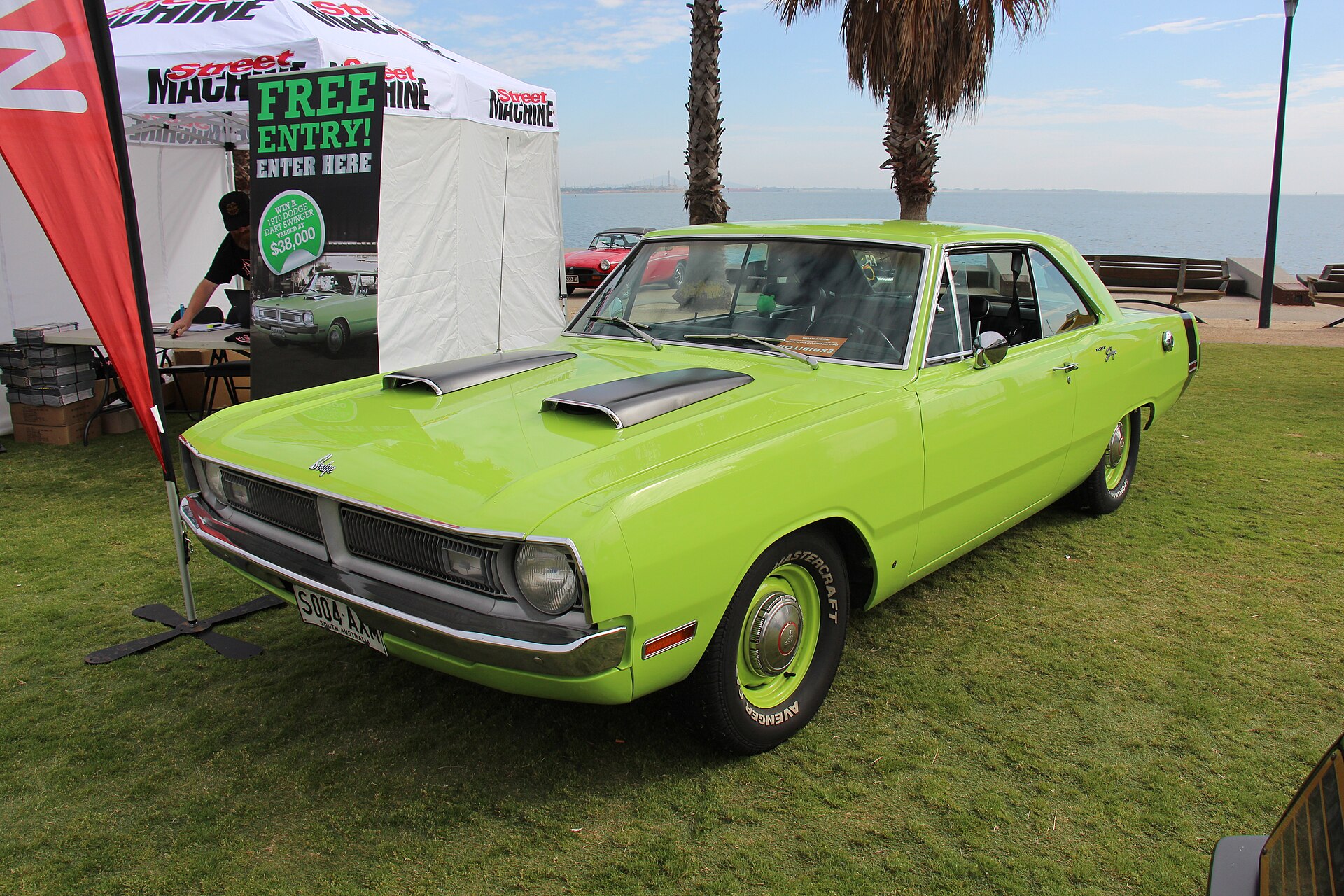
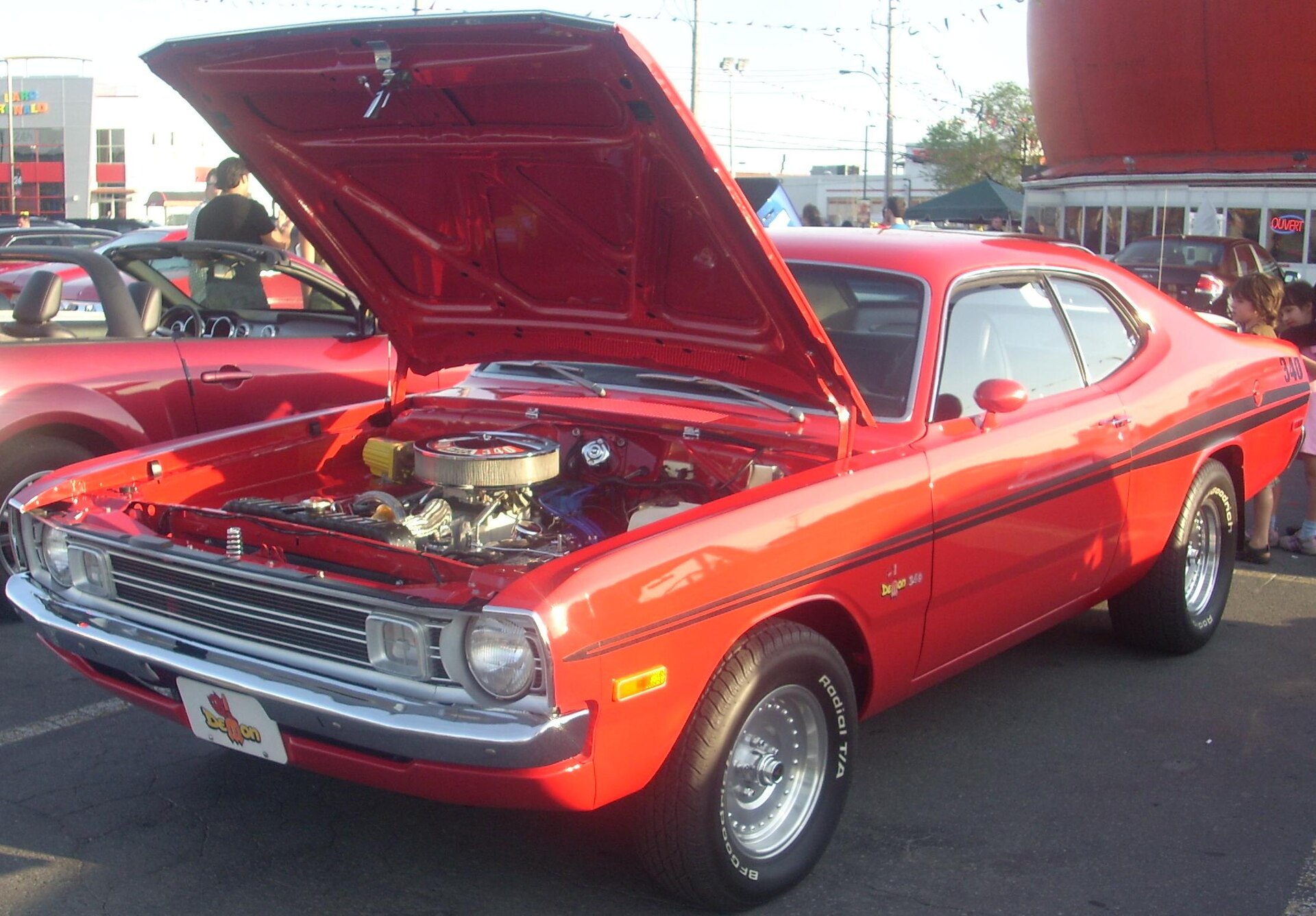
The Swinger 340 was added in 1969. In 1970 it was the Dart's performance model with functional bonnet scoops, "Rallye" heavy-duty suspension and a 3.23:1 axle as standard. For 1971 it was replaced by the Demon 340, Dodge's version of the Plymouth Duster fastback on a 108 in wheelbase. It had the 205 kW (275 hp) 340, an optional four-speed and a blacked-out bonnet. The original name "Beaver" had been rejected by Chrysler's marketing department; the Demon name and its devil logo were then believed to hurt sales among religious buyers.

Dart Sport 340 and 360 (1973–1976)
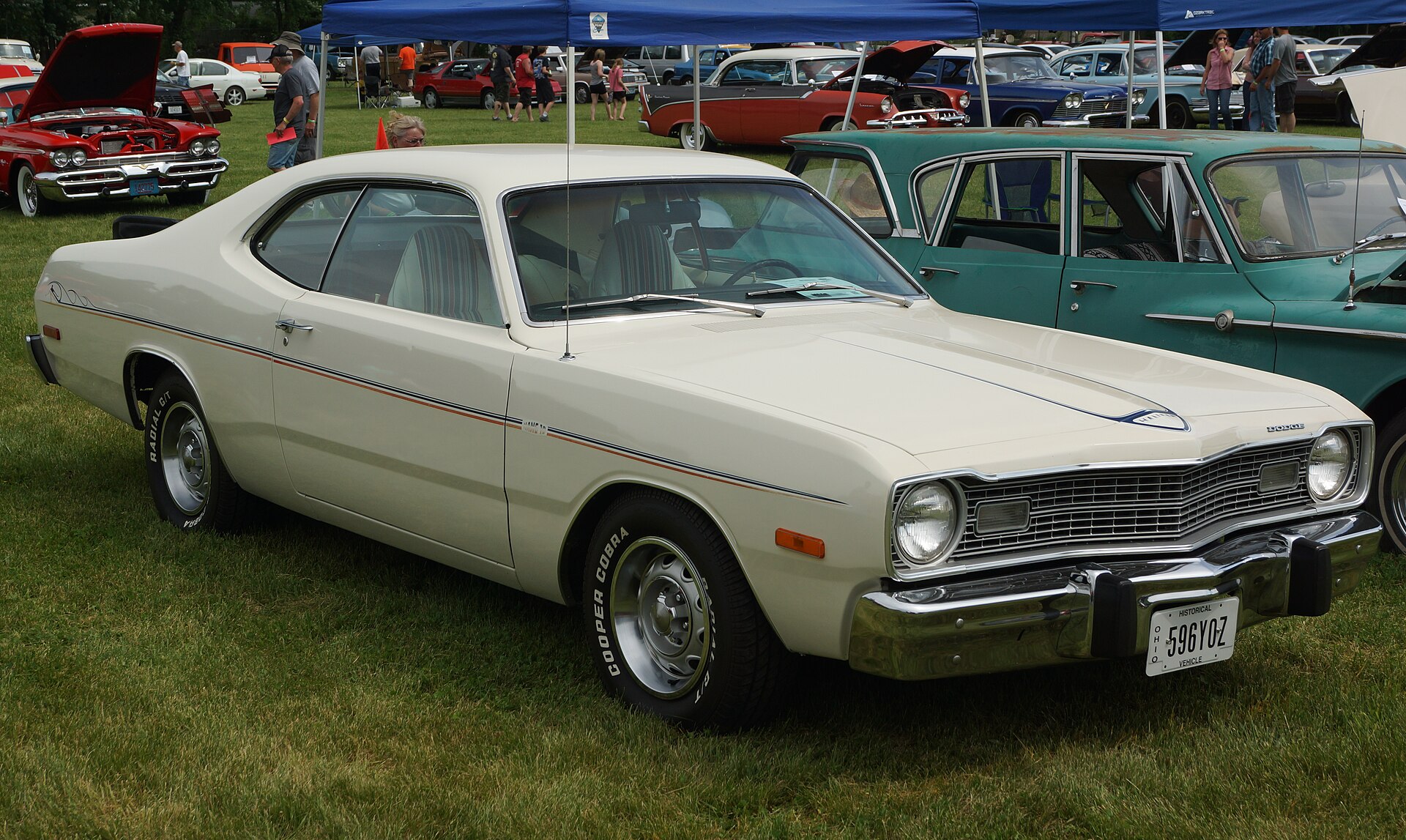
Because of poor sales, the Demon was renamed Dart Sport for 1973, with the Sport 340 as the high-performance model. In 1974 the 340 was replaced by a 360 rated at 183 kW (245 hp, SAE net). Dodge built 285,672 Darts that year, 183,700 with six-cylinder engines and 101,972 with V8s. In 1976 the Sport 360 was dropped as a separate model, but the 360 remained an option on Sport V8 models with an automatic gearbox.
| Version | Years | Engine and power |
|---|---|---|
| Dart GTS | 1968–1969 | 340 V8, 205 kW (275 hp gross); 383, 224 kW (300 hp) |
| Swinger 340 | 1969–1971 | 340 V8 |
| Demon 340 | 1971–1972 | 340 V8, 205 kW (275 hp gross) |
| Dart Sport 340 | 1973 | 340 V8 |
| Dart Sport 360 | 1974–1976 | 360 V8, 183 kW (245 hp net) |
The compact Darts were still fast in the late malaise era. In an April 1976 Car and Driver comparison, the Dart Sport 360 reached 121.6 mph (196 km/h), behind the Corvette's 124.5 mph and ahead of the Pontiac Trans Am. In mid-1976 the Dodge Aspen replaced the Dart in the United States.
The Plymouth twin of the Demon, the Duster 340, is in our muscle car section. Compare the compact cars with the Plymouth Barracuda in the muscle car rankings.

| Version | Engine | kW per litre | Rarity |
|---|---|---|---|
| Dart GTS 340 | 5.6 l V8, 205 kW | 37 | series production |
| Dart GTS 383 | 6.3 l V8, 224 kW | 36 | option |
| Dart 440 | 7.2 l V8 | - | more than 650 (1968–1969) |
| Hemi Dart LO23 | 7.0 l V8, 317 kW | 45 | 80, race cars only |
Photo gallery


Dodge Dart evolution in numbers
Did you know?
- The Dodge Dart ran for 57 years, from 1959 to 2016, over 5 generations in our catalog.
- The longest-running generation is the Dart IV (1967–1976): 9 years.
Image credits · Photos from Wikimedia Commons under free licences
- Dodge Dart I · Photo: Noah Wulf / Wikimedia Commons, CC BY-SA 4.0
- Dodge Dart II · Photo: Jakub Hałun / Wikimedia Commons, CC BY 4.0
- Dodge Dart III · Photo: Hugo-90 / Flickr, CC BY 2.0
- Dodge Dart IV · Photo: dave_7 / Flickr, CC BY 2.0
- Dodge Dart V · Photo: zombieite / Wikimedia Commons, CC BY 2.0
Dodge Dart in our rankings
- No. 85 of 345 · Cars with the most generations (5 generations · top 25%)
- No. 113 of 256 · Most economical cars (7.6 l/100 km · top 46%)
- No. 428 of 859 · Most powerful cars (224 kW · top 51%)
- No. 71 of 131 · Biggest engines: sedans (2,400 cc · top 56%)
- No. 27 of 49 · Most economical sedans (7.6 l/100 km · top 56%)
- No. 332 of 557 · Biggest engines: cars (2,400 cc · top 62%)
More generations than 75% of ranked nameplates in the 1CARS catalog (No. 85 of 345).
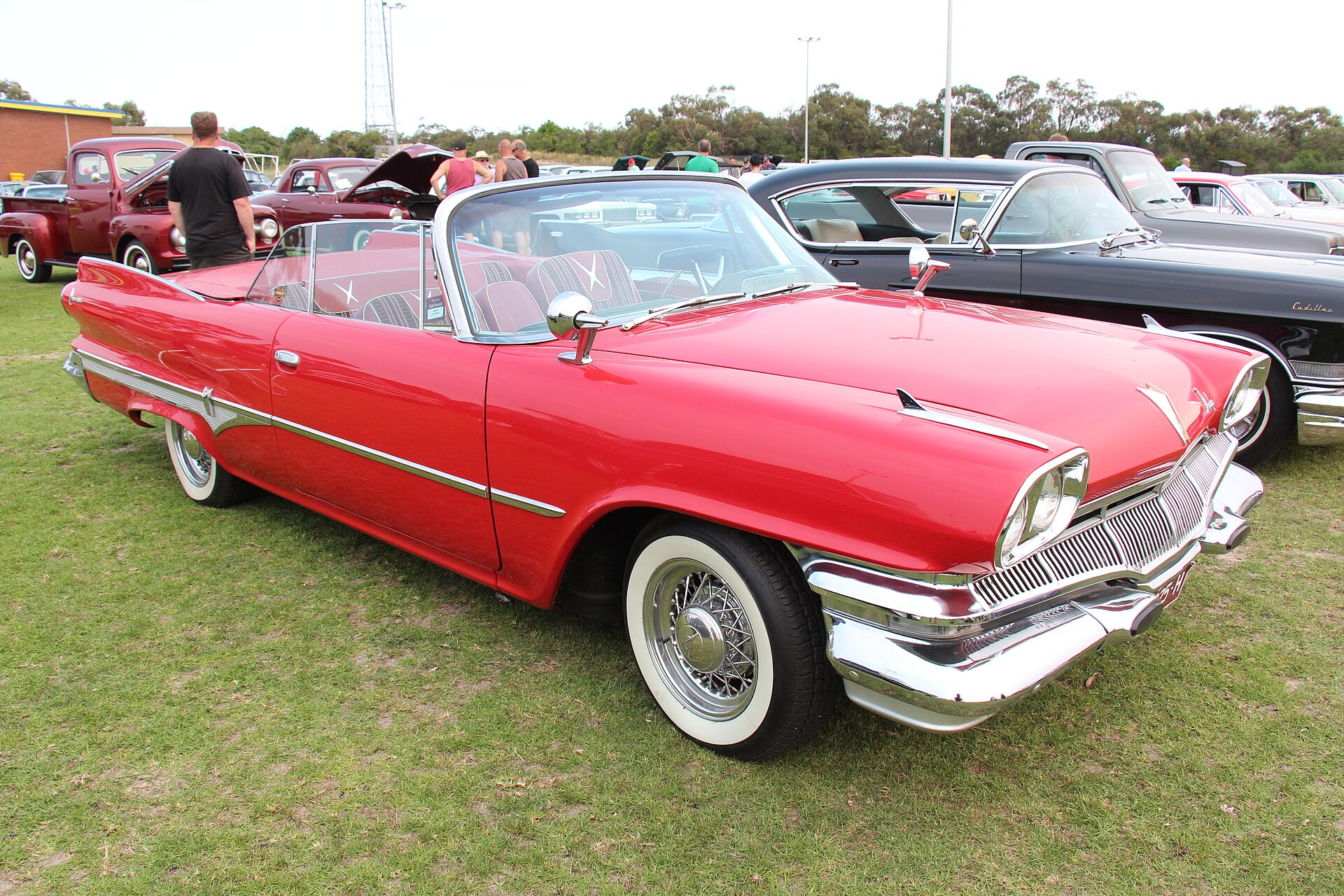
Dodge Dart photos 6
FAQ
Which Dodge Dart is a muscle car?
The Dart GTS (1968–1969) with the 340 or 383 V8, the Swinger 340, the Demon 340 and the Dart Sport 340 and 360.
How many Hemi Darts were built?
80, all in 1968, built by Hurst for NHRA Super Stock racing and not intended for road use.
Why was the Dodge Demon renamed?
The Demon name and its devil logo were thought to hurt sales, so for 1973 the car became the Dart Sport.
How powerful was the Dart GTS?
The 340 V8 was rated at 205 kW (275 hp, SAE gross); the optional 383 at 224 kW (300 hp).
Data sources
Data checked by an editor against the sources below.
- Wikipedia - Dodge Dart
- US EPA fueleconomy.gov - 36365.shtml
- US EPA fueleconomy.gov - 36530.shtml
- US EPA fueleconomy.gov - 36533.shtml
- US EPA fueleconomy.gov - 36404.shtml
- NHTSA 5-Star Safety Ratings (US NCAP) — U.S. Government work, public domain