 Pagani Zonda
All generations, specs and history
Published Sources (1) Report an error
By Felix Hartmann, Automotive Technology & EV Contributor
- Built
- 1999–2017
- Generations
- 3
- Top power
- 588 kW (799 PS)
Timeline
Zonda generations
Click a generation for its own page
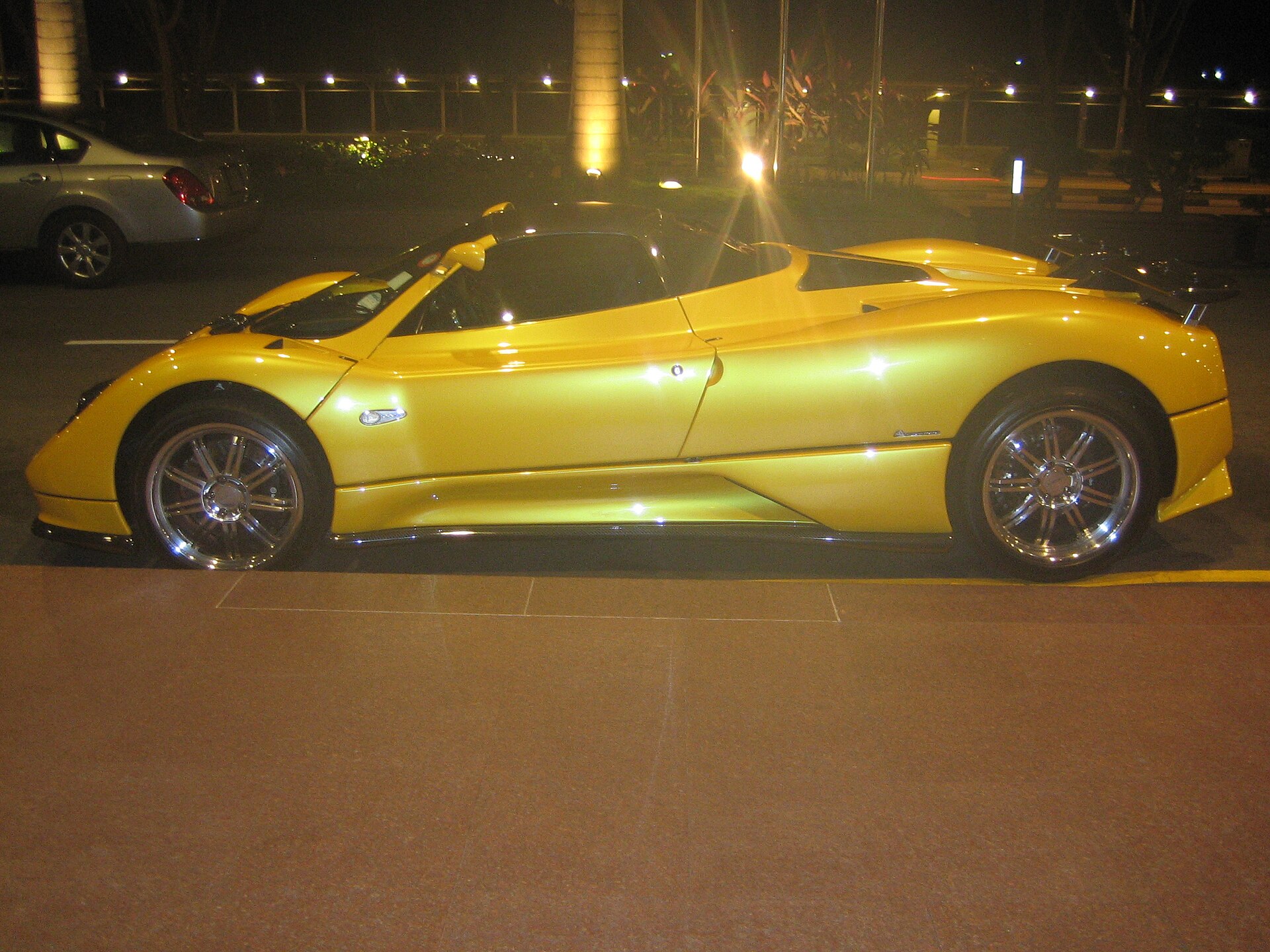
- Zonda C12 / C12 S / S 1999–2005 · Coupe · 300–408 kW (408–555 PS)
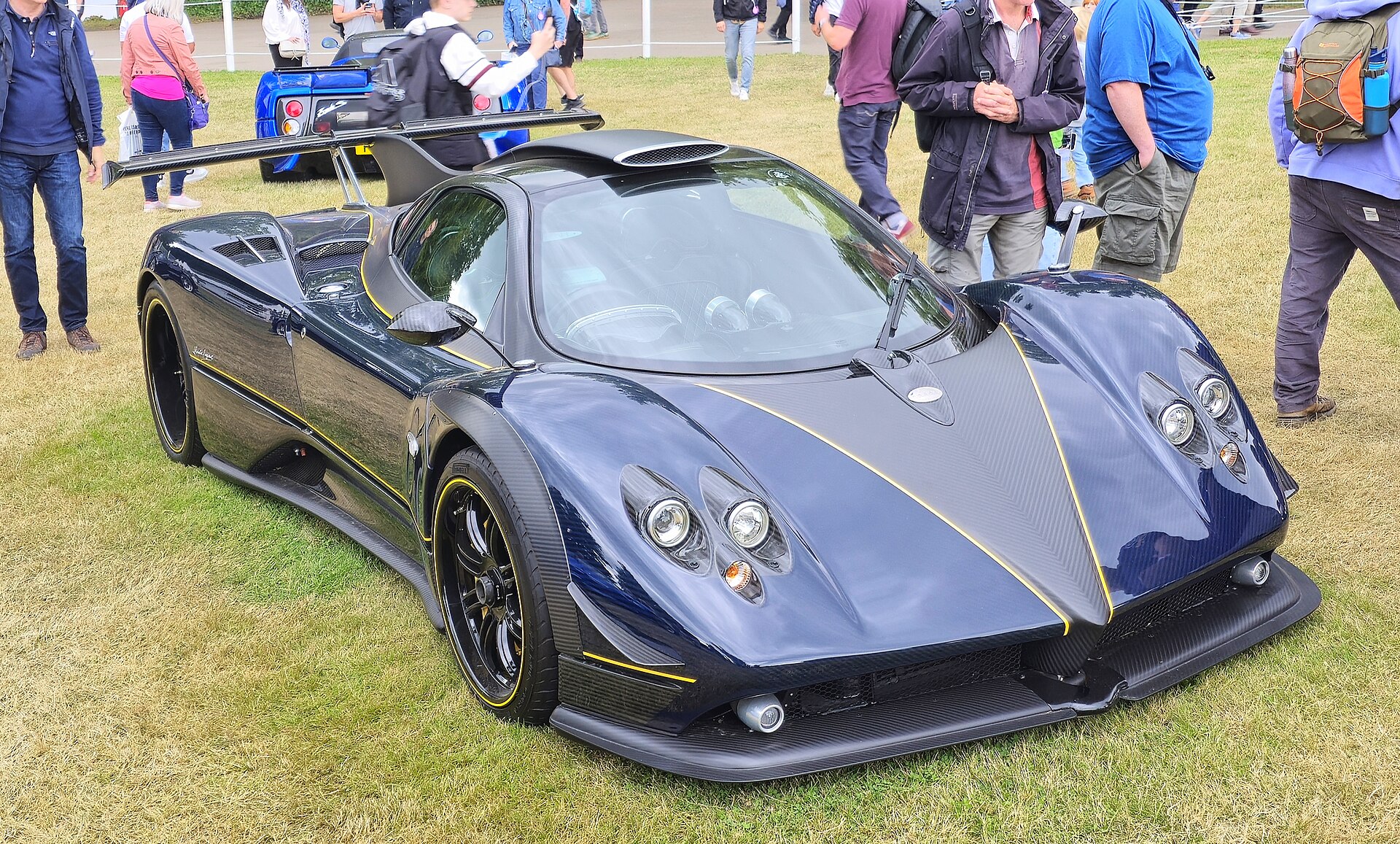
- Zonda F / Roadster F 2005–2011 · Coupe · 443–499 kW (602–678 PS)
- Zonda HP Barchetta 2017 · Roadster · 588 kW (799 PS)
Newest first · 3 generations since 1999
- 2017 HP Barchetta 2017 · Roadster · 588 kW (799 PS)
-
2005
-
1999
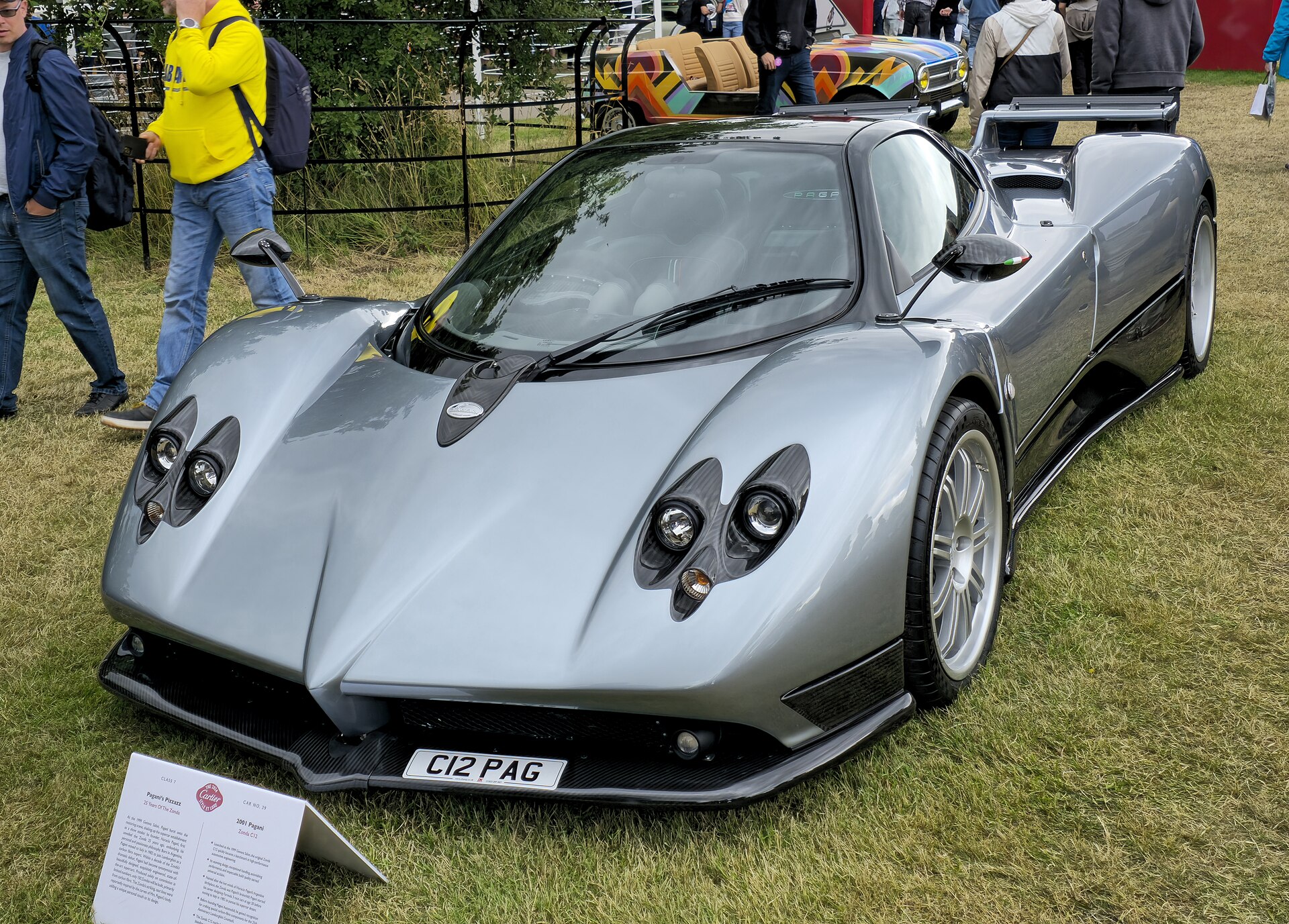


All generations by year: Zonda HP Barchetta (2017) · Zonda F / Roadster F (2005–2011) · Zonda C12 / C12 S / S (1999–2005)
Which one is mine?
Pick the year of first registration to see which generation it is.
- Zonda HP Barchetta 2017
- Zonda F / Roadster F 2005–2011
- Zonda C12 / C12 S / S 1999–2005
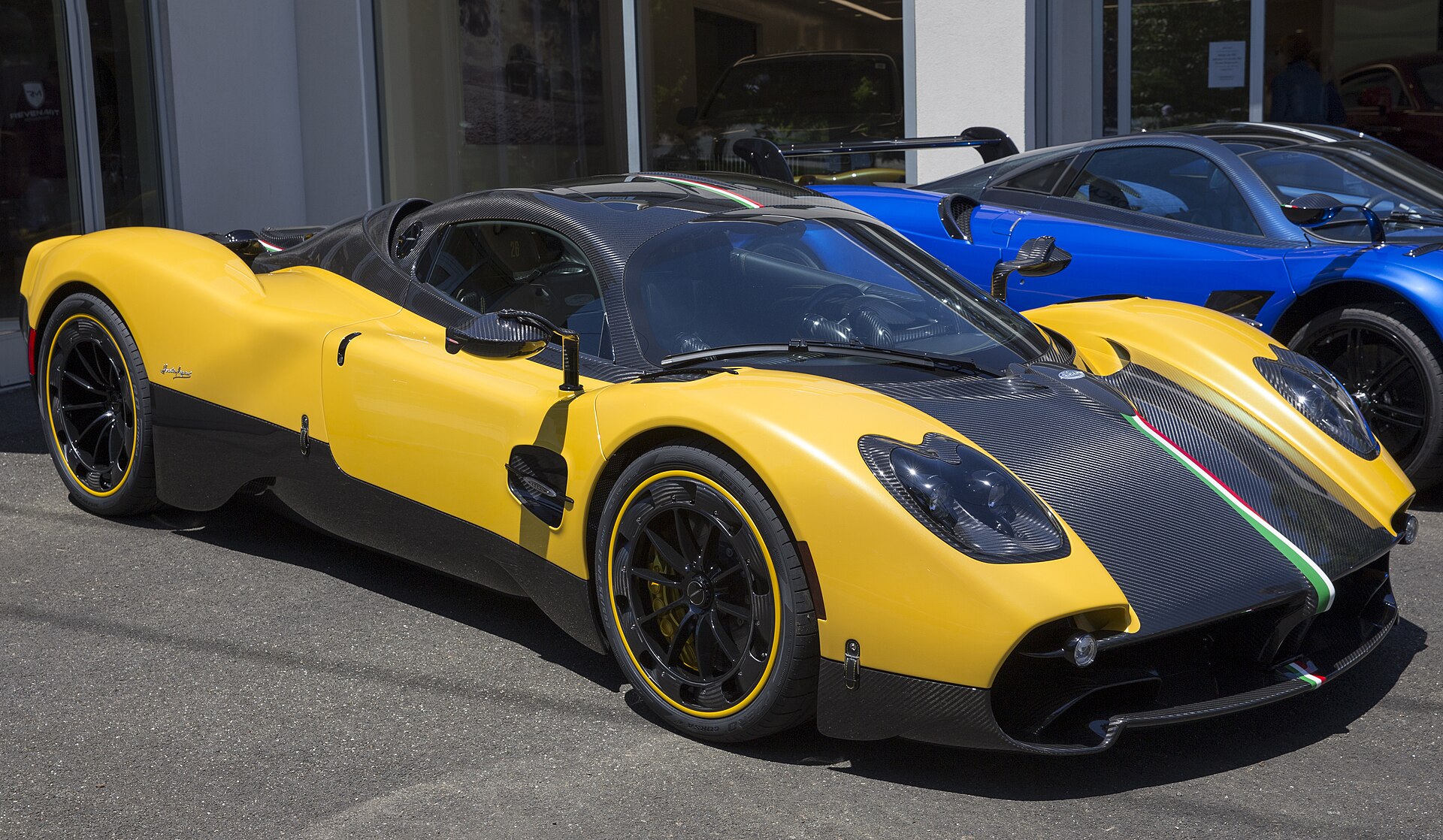
The Pagani Zonda is the mid-engined supercar with which Horacio Pagani turned his small workshop in San Cesario sul Panaro, near Modena, into a car manufacturer. Revealed at the Geneva motor show in 1999, it combined a carbon-fibre body with a large naturally aspirated Mercedes-Benz V12. Over almost two decades it grew from 331 kW (450 PS) to 588 kW (800 PS). Pagani built about 140 cars in many versions, coupés, roadsters and track cars, before the Huayra took over.
In short
- Shown at Geneva in 1999 as the Zonda C12; regular production ended with the HP Barchetta of 2017, though one-off cars were still built later.
- About 140 cars by 2019, including development cars, according to Wikipedia.
- Mercedes-Benz M120 and M297 V12 engines of 6.0, 7.0 and 7.3 litres, from 331 kW (450 PS) to 588 kW (800 PS).
- Carbon-fibre central monocoque with chrome-molybdenum steel frames front and rear; dry weights from 1,250 kg (C12) down to 1,070 kg (Zonda R).
Size at a glance
| Dimensions | Pagani Zonda F / Roadster F |
|---|---|
| Length | 4,395 mm173.0 in |
| Width | 2,055 mm80.9 in |
| Height | 1,151 mm45.3 in |
| Wheelbase | 2,730 mm107.5 in |
Specs by version
Engines
| Version | Engine | Power | Drive | Production years |
|---|---|---|---|---|
| Zonda F / Roadster F · Zonda F | 7.3 l · 12 cyl · Petrol 7,291 cc | 443 kW 602 PS594 hp | Rear-wheel drive | 2005 |
| Zonda F / Roadster F · Zonda Roadster F / F Clubsport | 7.3 l · 12 cyl · Petrol 7,291 cc | 478 kW 650 PS641 hp | Rear-wheel drive | 2006 |
| Zonda F / Roadster F · Zonda Tricolore | 7.3 l · 12 cyl · Petrol 7,291 cc | 493 kW 670 PS661 hp | Rear-wheel drive | 2010 |
| Zonda F / Roadster F · Zonda Cinque / Cinque Roadster | 7.3 l · 12 cyl · Petrol 7,291 cc | 499 kW 678 PS669 hp | Rear-wheel drive | 2009 |
| Zonda HP Barchetta | 7.3 l · 12 cyl · Petrol 7,291 cc | 588 kW 799 PS789 hp | Rear-wheel drive | 2017 |
Dimensions and weight
Verified Manufacturer and type-approval data from our catalog · Sources and methodology
Zonda at a glance
| Specification | Pagani Zonda |
|---|---|
| Production | 1999–2017 (later one-offs), San Cesario sul Panaro (Italy) |
| Cars built | about 140 including development cars |
| Body | two-door berlinetta, roadster and barchetta |
| Layout | rear mid-engine, rear-wheel drive |
| Engines | Mercedes-Benz M120 and M297 V12, 5,987 cc to 7,291 cc |
| Power | 331 kW (450 PS) (C12) to 588 kW (800 PS) (HP Barchetta) |
| Torque | 590 Nm (C12) to 850 Nm (HP Barchetta) |
| Gearbox | six-speed manual; six-speed automated manual (Cinque) |
| Dry weight | 1,250 kg (C12) to 1,210 kg (Cinque); 1,070 kg (Zonda R) |
| Successor | Pagani Huayra |
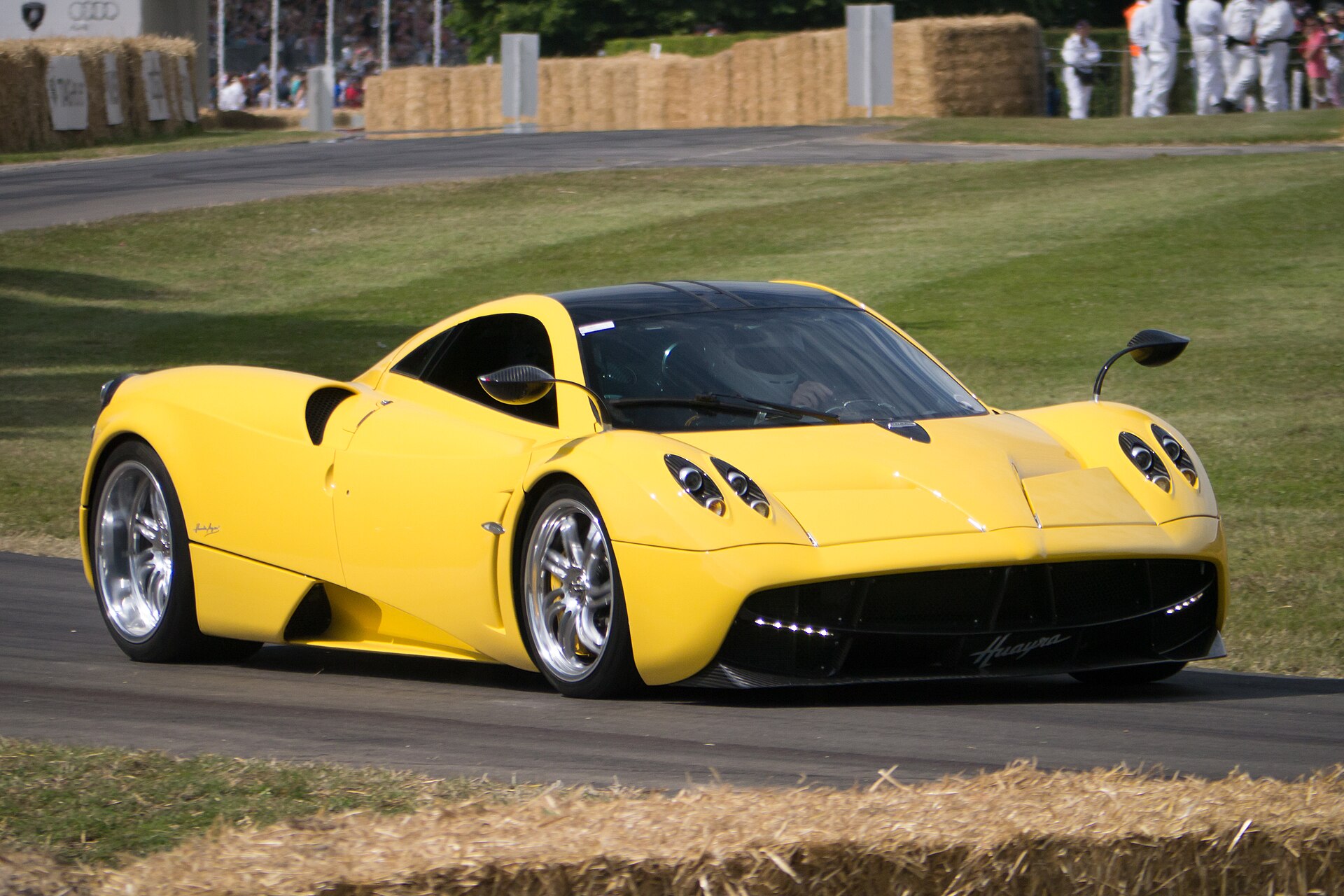
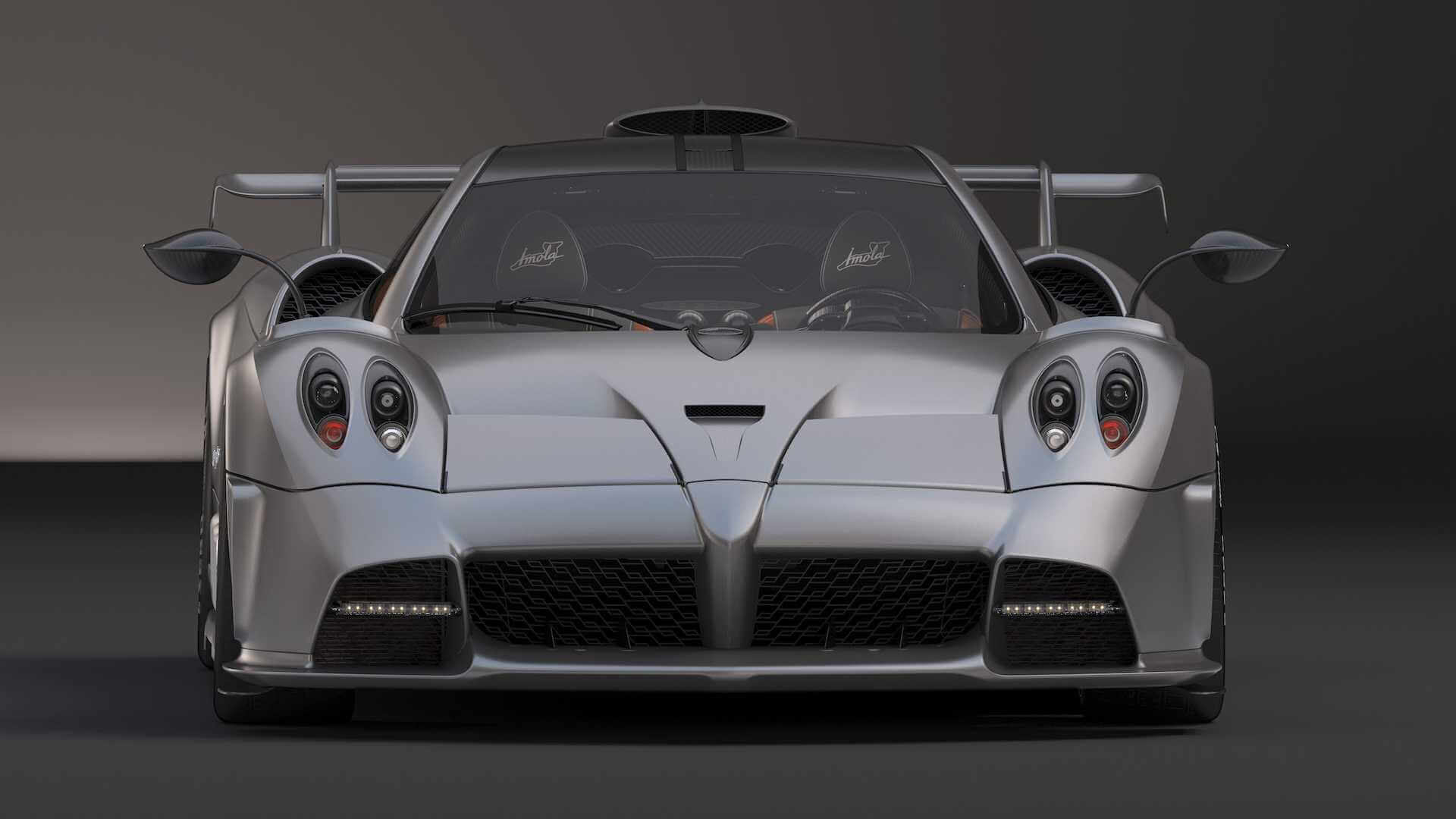
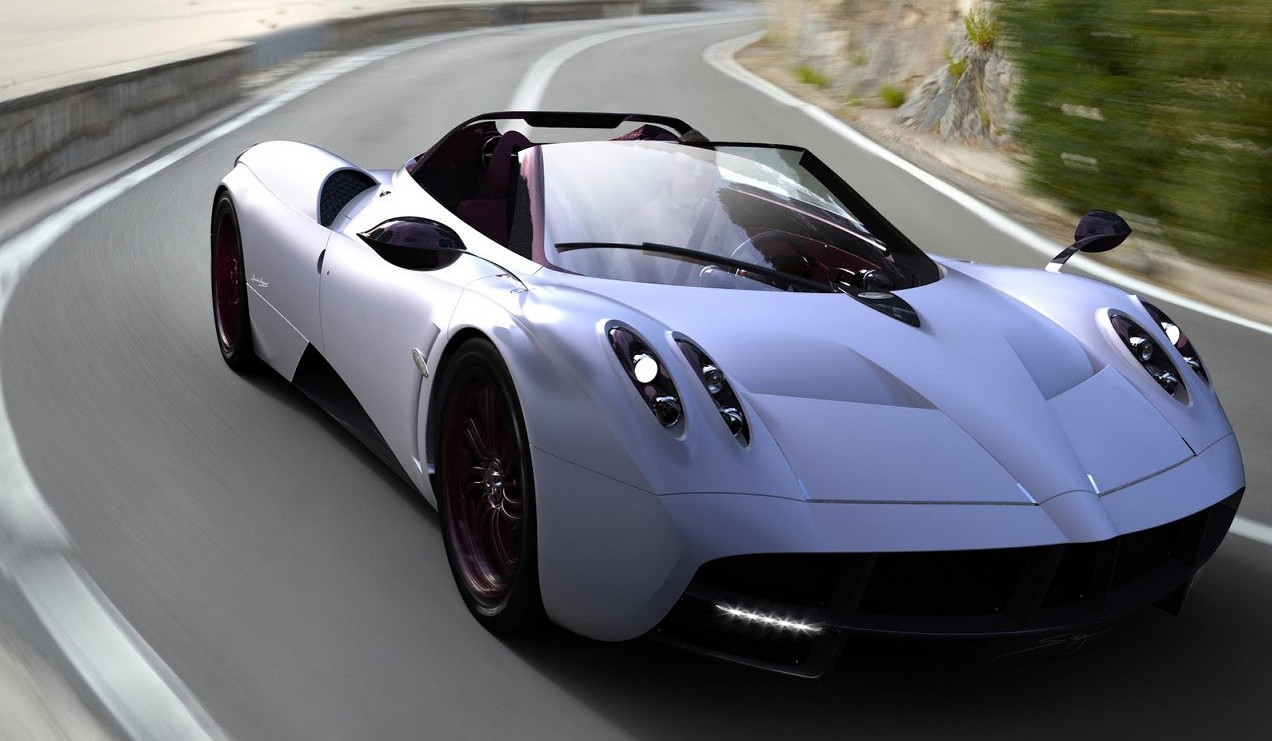
The Zonda is the founding model of the brand described in our history of Pagani. Its successor and the later special editions are in the Pagani catalogue, including the Pagani Huayra Imola.
From Fangio F1 to Zonda
Horacio Pagani designed the car himself. It was originally to be called the "Fangio F1", in honour of the Argentinian Formula 1 world champion Juan Manuel Fangio. After Fangio died in 1995, Pagani renamed it after the Zonda, a hot air current over Argentina.
The first car, the Zonda C12, appeared at the Geneva motor show in 1999. Pagani's own description stresses that it was conceived, designed and developed in the company's atelier. The shape of its body was inspired by the Mercedes "Silver Arrows" racing cars of the Group C era. The very first chassis, 001, was used for crash tests and homologation. It was restored by the company's Pagani Rinascimento department and shown at the Geneva motor show in 2019 to mark the Zonda's 20th anniversary.
Design and construction
The core of the car is a carbon-fibre central monocoque, with chrome-molybdenum steel space frames at the front and rear to carry the engine and the suspension. Most of the body is carbon fibre. The Zonda F of 2005 introduced a new carbon weave called "Z preg" for parts of the crash structure, and the later Cinque used carbo-titanium.
The suspension uses independent double wishbones with coil springs, hydraulic dampers and anti-roll bars. The C12-S had Brembo brakes with ventilated discs (355 mm front, 335 mm rear) and four-piston calipers, OZ alloy wheels and power-assisted TRW rack-and-pinion steering. Pagani says the interior draws on the cultures of the past, present and future, and that the exhaust system was designed to produce the blue flames for which the car became known.

The Mercedes-AMG V12
From the beginning the Zonda used a Mercedes-Benz V12, mounted lengthwise behind the cabin. The C12 had the 5,987 cc M120 with 331 kW (450 PS) at 5,200 rpm and 590 Nm at 3,900 rpm, according to Pagani's specification table. Wikipedia mentions outputs of 300 kW (408 PS) or 331 kW (450 PS) for the first cars, and only five C12s were built with the 6.0-litre engine. From 2000 the C12-S used a 7.0-litre (7,010 cc) version prepared by Mercedes-AMG. From 2002 the S 7.3 had the 7,291 cc engine, and its later M297 form powered every Zonda from the F onwards.
| Version | Year | Engine | Power | Torque | 0–100 km/h | Top speed |
|---|---|---|---|---|---|---|
| C12 | 1999 | 6.0 V12 | 331 kW (450 PS) | 590 Nm | 4.0–4.2 s | 298 km/h |
| C12-S | 2000 | 7.0 V12 (AMG) | 405 kW (550 PS) at 5,500 rpm | 750 Nm | 3.7 s | 335 km/h |
| S 7.3 / S Roadster | 2002 / 2003 | 7.3 V12 (AMG) | 408 kW (555 PS) at 5,900 rpm | 750 Nm | 3.7 s | 335 km/h |
| F | 2005 | 7.3 V12 (M297) | 443 kW (602 PS) at 6,150 rpm | 760 Nm | 3.6 s | 345 km/h |
| Roadster F | 2006 | 7.3 V12 | 478 kW (650 PS) at 6,200 rpm | 780 Nm | 3.4 s | 350 km/h |
| Cinque / Cinque Roadster | 2009 | 7.3 V12 | 499 kW (678 PS) at 6,200 rpm | 780 Nm | 3.4 s | 350 km/h |
| Tricolore | 2010 | 7.3 V12 | 493 kW (670 PS) at 6,150 rpm | 780 Nm | 3.4 s | 350–354 km/h |
| HP Barchetta | 2017 | 7.3 V12 | 588 kW (800 PS) | 850 Nm | not published | 355 km/h |
The C12-S introduced a new six-speed manual gearbox from CIMA, and traction control and ABS became standard on the S 7.3. Wikipedia records 0–161 km/h in 7.0 seconds and 1.18 g on the skidpad for the C12-S.


Zonda F and Roadster F
The Zonda F of 2005 was the most thorough update. Its M297 V12 produced 443 kW (602 PS) and 760 Nm. It also got carbon-ceramic brakes with 380 mm discs developed with Brembo, an Inconel exhaust and a hydroformed aluminium intake plenum. Its dry weight fell to 1,230 kg. Pagani built 25 coupés.
The Roadster F followed in 2006, again in 25 examples. The engine was upgraded to 478 kW (650 PS) and 780 Nm, and instead of heavier sills the open car has billet alloy braces and a strengthened firewall. A Clubsport package added more power and carbo-titanium parts.
The F Clubsport made the Zonda famous with a wider audience. On the Top Gear test track the Roadster F Clubsport lapped in 1:17.8, faster than the Bugatti Veyron in the same episode. It did, however, lose a quarter-mile drag race to the Veyron by almost 2.5 seconds. At the Nürburgring, Marc Basseng lapped the 20.8 km Nordschleife in a Zonda F Clubsport in 7:24.7.

Cinque, Tricolore and the final series
The Zonda Cinque of 2009 was built in five coupés and five roadsters. It had 499 kW (678 PS) and a six-speed automated manual gearbox with shifts in under 100 milliseconds. Other features were carbo-titanium bodywork, magnesium and titanium suspension parts, 750 kg of downforce at 355 km/h and lateral acceleration of 1.45 g. Its dry weight was 1,210 kg.
The Tricolore of 2010 was planned as a single car, but it was eventually built three times, with 493 kW (670 PS).
In 2017 Pagani presented the Zonda HP Barchetta at Pebble Beach to mark both the model's 18th anniversary and Horacio Pagani's 60th birthday. With a 7.3-litre V12 rated at 588 kW (800 PS) and 850 Nm and a top speed of 355 km/h, it was announced as the end of Zonda production. Three were built, one of them kept by Pagani.
Track cars: Zonda R and Revolución
The Zonda R of 2007 was a track-only car. With a dry weight of only 1,070 kg it was the lightest Zonda. Its evolution, the Zonda Revolución, followed in 2012 with the same weight. The sources used here give no reliable power figures for either car.
Earlier, the Carsport team had developed the Zonda GR, a racing car based on the S, in 2002. It weighed 1,100 kg, was 2 metres wide and had about 447 kW (608 PS) with an intake restrictor. At the 2003 Le Mans 24 Hours it retired after ten laps with gearbox failure.
One-offs and the HP Barchetta
The end of regular production did not end the Zonda. Pagani continued to build individual cars for clients; a series of one-offs used a 7.3-litre M297 engine with 559 kW (760 PS) and 780 Nm. Other specials include the Zonda C12 S Monza, a one-off track-day car. The Zonda Revo combined the Revolución body kit and a 588 kW (800 PS) engine with the open top of the Barchetta. These cars explain why Wikipedia's production period for the Zonda runs to 2019.

Photo gallery

Pagani Zonda evolution in numbers
Did you know?
- The Pagani Zonda ran for 18 years, from 1999 to 2017, over 3 generations in our catalog.
- The biggest jump in power came with the Zonda F / Roadster F: up to 499 kW (678 PS), 91 kW more than the Zonda C12 / C12 S / S.
Most powerful version, kW
Figures from the 1cars catalog: power is the strongest version of each generation; generations without the figure are left out.
Pagani Zonda: first vs latest generation
| Spec | Zonda C12 / C12 S / S | Zonda HP Barchetta | Change |
|---|---|---|---|
| Years | 1999–2005 | 2017 | 18 years apart |
| Most powerful version | 408 kW (555 PS) | 588 kW (799 PS) | +180 kW (+44%) |
Oldest and newest generation in the 1cars catalog. Power is the strongest version of each; other rows are shown only when both generations have the figure.
Image credits · Photos from Wikimedia Commons under free licences
- Pagani Zonda C12 / C12 S / S · Photo: Calreyn88 / Wikimedia Commons, CC BY-SA 4.0
- Pagani Zonda F / Roadster F · Photo: Calreyn88 / Wikimedia Commons, CC BY-SA 4.0
Pagani Zonda in our rankings
- No. 1 of 27 · Widest convertibles and roadsters (2,055 mm)
- No. 4 of 49 · Biggest engines: convertibles and roadsters (7,291 cc)
- No. 5 of 170 · Most powerful cars of the 2000s (499 kW)
- No. 5 of 89 · Widest coupes (2,055 mm)
- No. 5 of 28 · Most powerful V12 cars (588 kW)
- No. 8 of 79 · Most powerful convertibles and roadsters (588 kW)
More powerful than 97% of ranked cars of the 2000s in the 1CARS catalog (No. 5 of 170).
FAQ
How many Pagani Zondas were built?
About 140 cars by 2019, including development cars, according to Wikipedia. Many versions were built in very small numbers: 25 Zonda F, 25 Roadster F, five Cinque coupés and five Cinque Roadsters.
What engine does the Zonda use?
A naturally aspirated Mercedes-Benz V12, later prepared by Mercedes-AMG, of 6.0, 7.0 or 7.3 litres. Output ranged from 331 kW (450 PS) in the C12 to 588 kW (800 PS) in the HP Barchetta.
Why is it called Zonda?
It was named after the Zonda, a hot air current over Argentina. The car was first to be called Fangio F1, but the name was changed after Juan Manuel Fangio died in 1995.
How fast is the Pagani Zonda?
From 298 km/h for the original C12 to 350 km/h for the Roadster F and Cinque and 355 km/h for the HP Barchetta.
What replaced the Zonda?
The Pagani Huayra.
Data sources
Data checked by an editor against the sources below.