 Renault Espace
All generations, specs and history
Published Sources (1) Report an error
By Oleksandr Hnatiuk, Automotive Editor & Used Car Specialist
- Built
- 1984–present
- Generations
- 6
Timeline
Espace generations
Click a generation for its own page
- Espace J11 1984–1990 · Minivan / MPV
- Espace J63 1991–1996 · Minivan / MPV
- Espace III 1996–2002 · Minivan / MPV
- Espace JK 2002–2014 · Minivan / MPV
- Espace RFC 2015–2023 · Minivan / MPV
- Espace RHN Current 2023–now · SUV
Newest first · 6 generations since 1984
-
2023
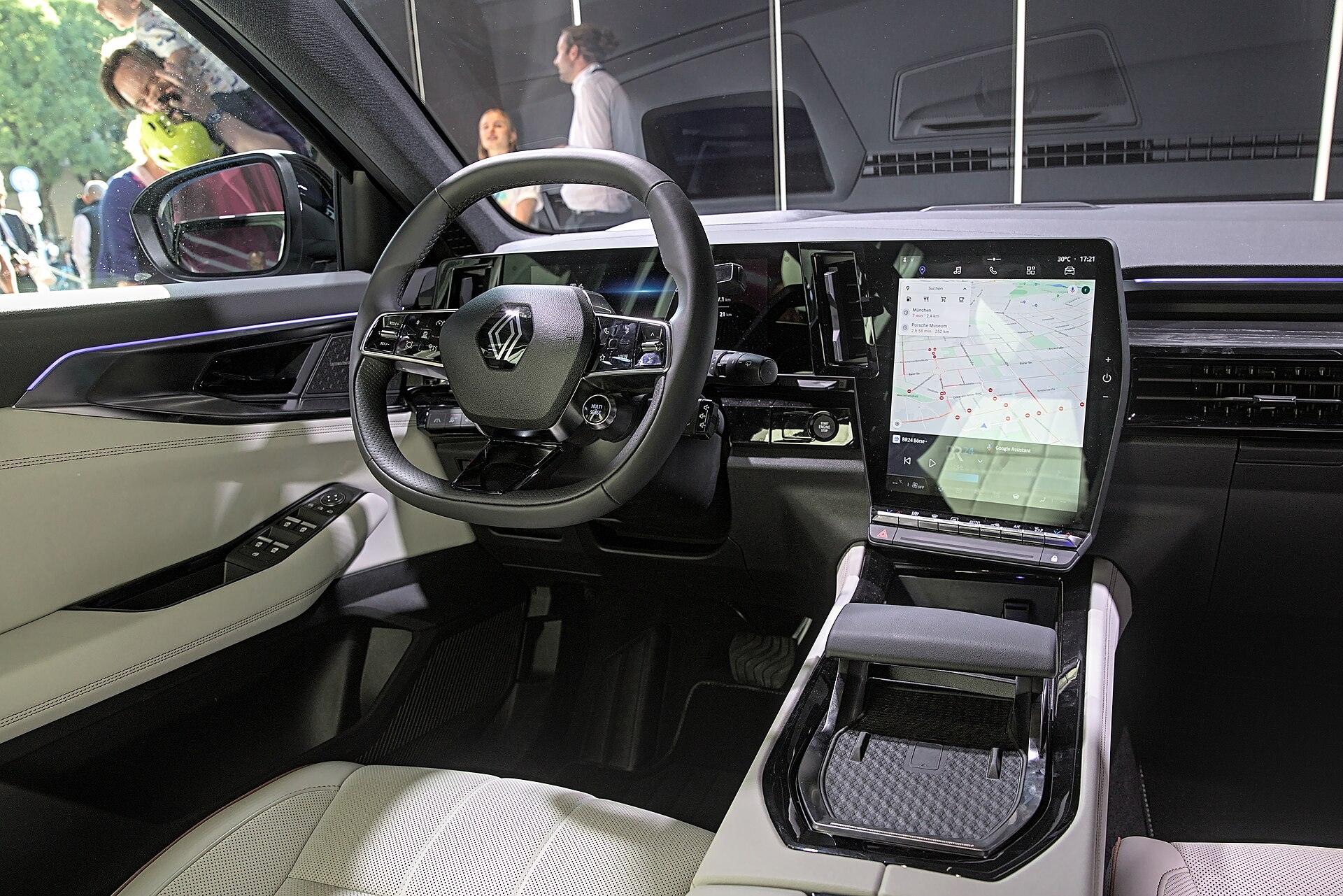
-
2015
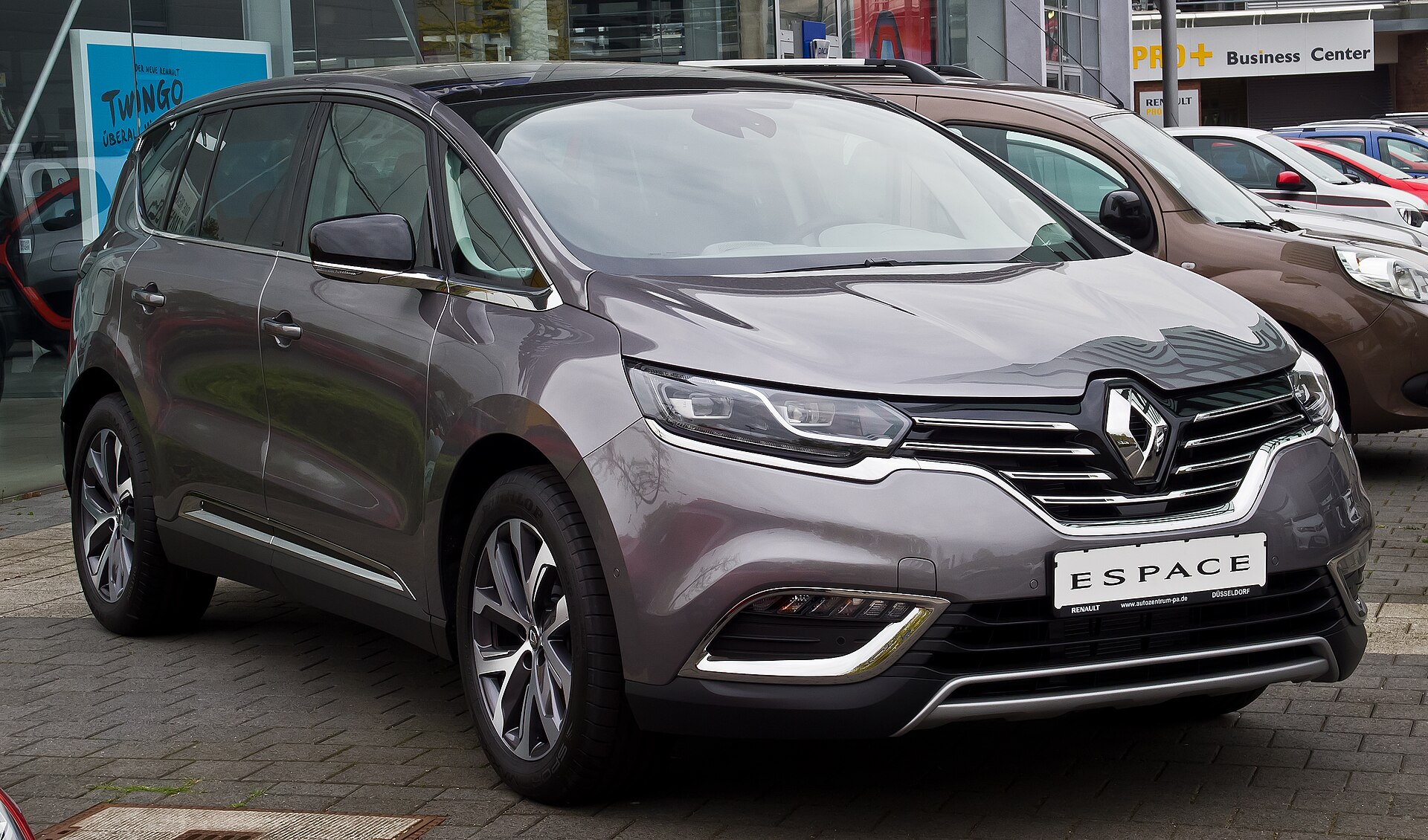
-
2002
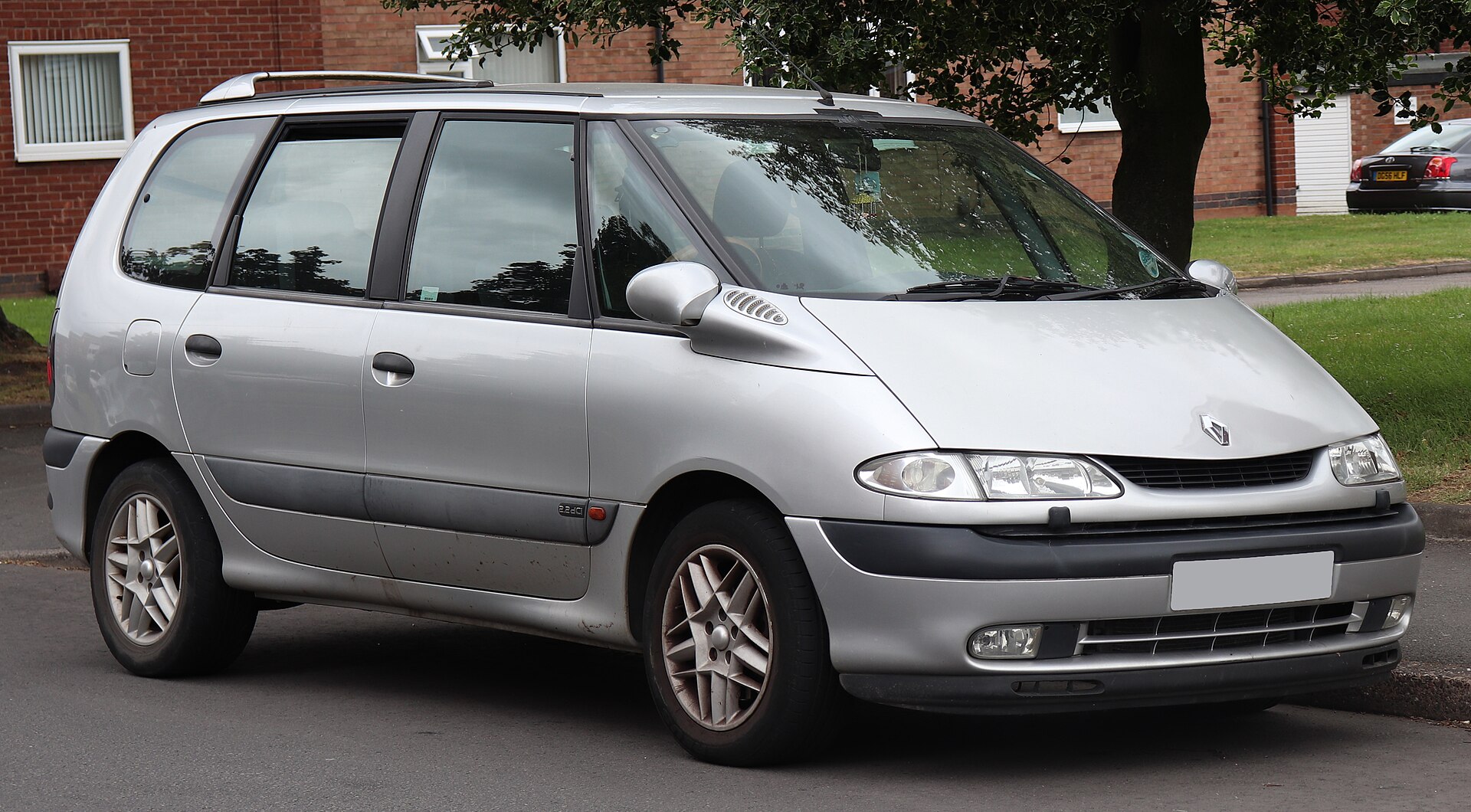
-
1996
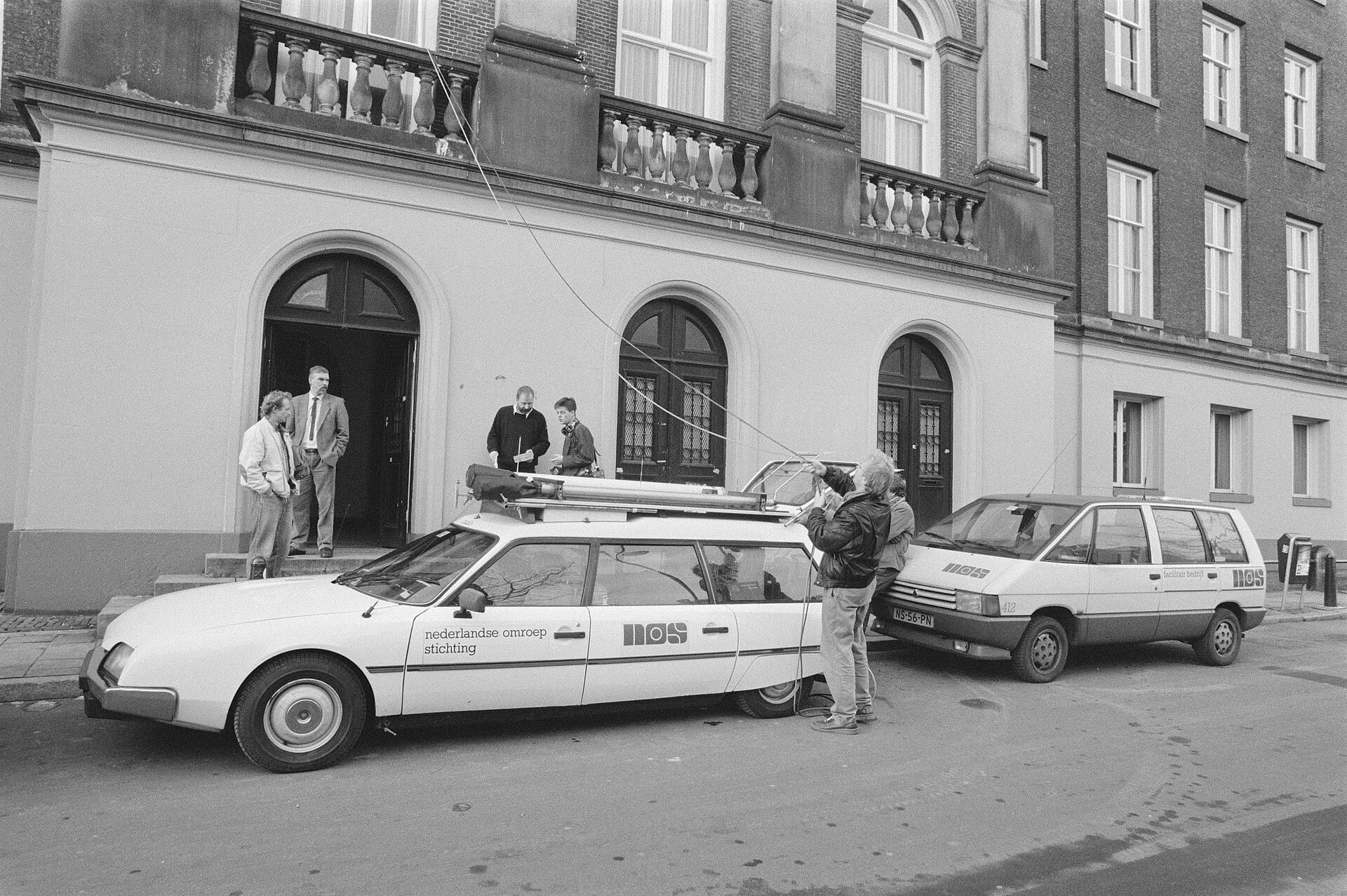
-
1991
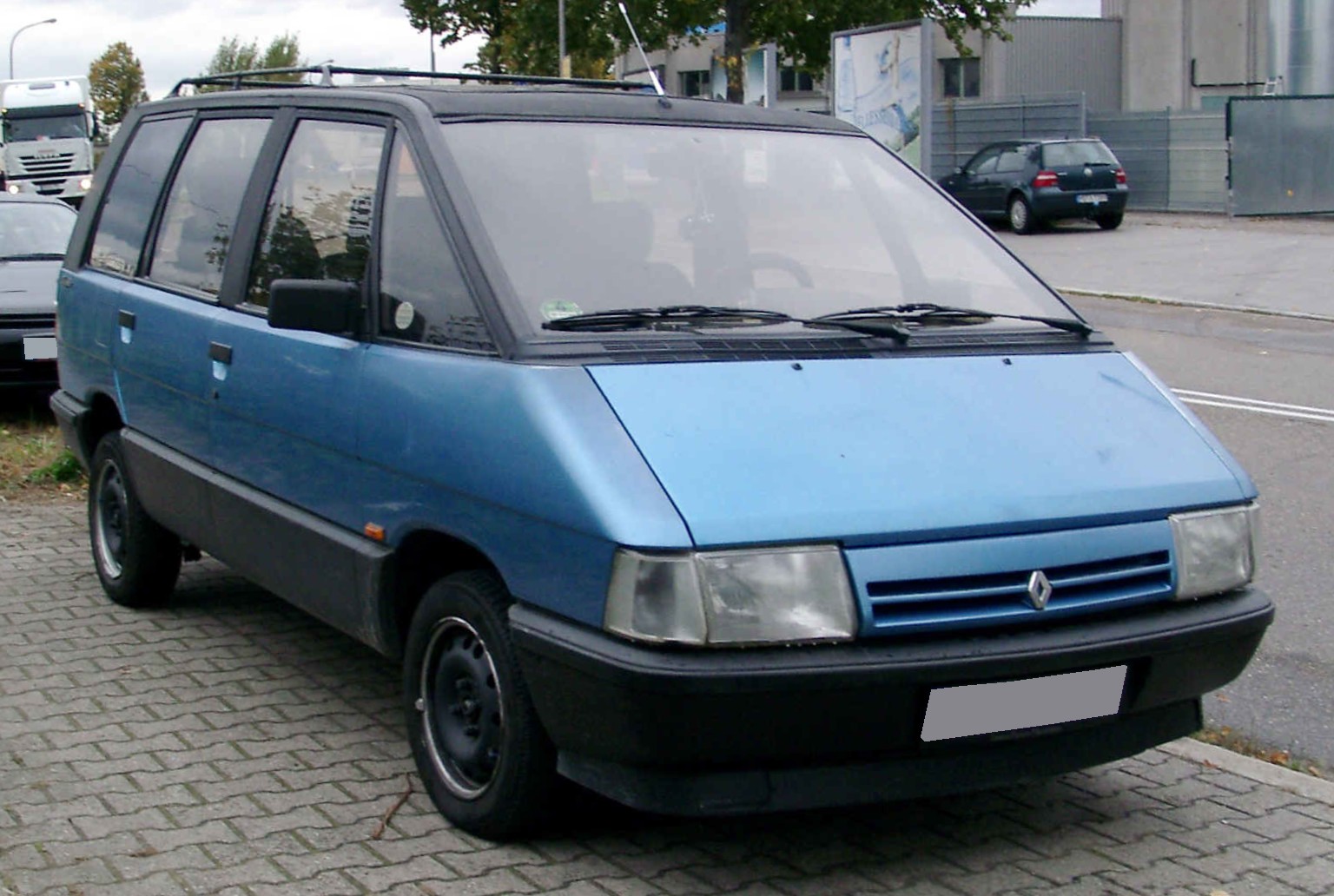
-
1984
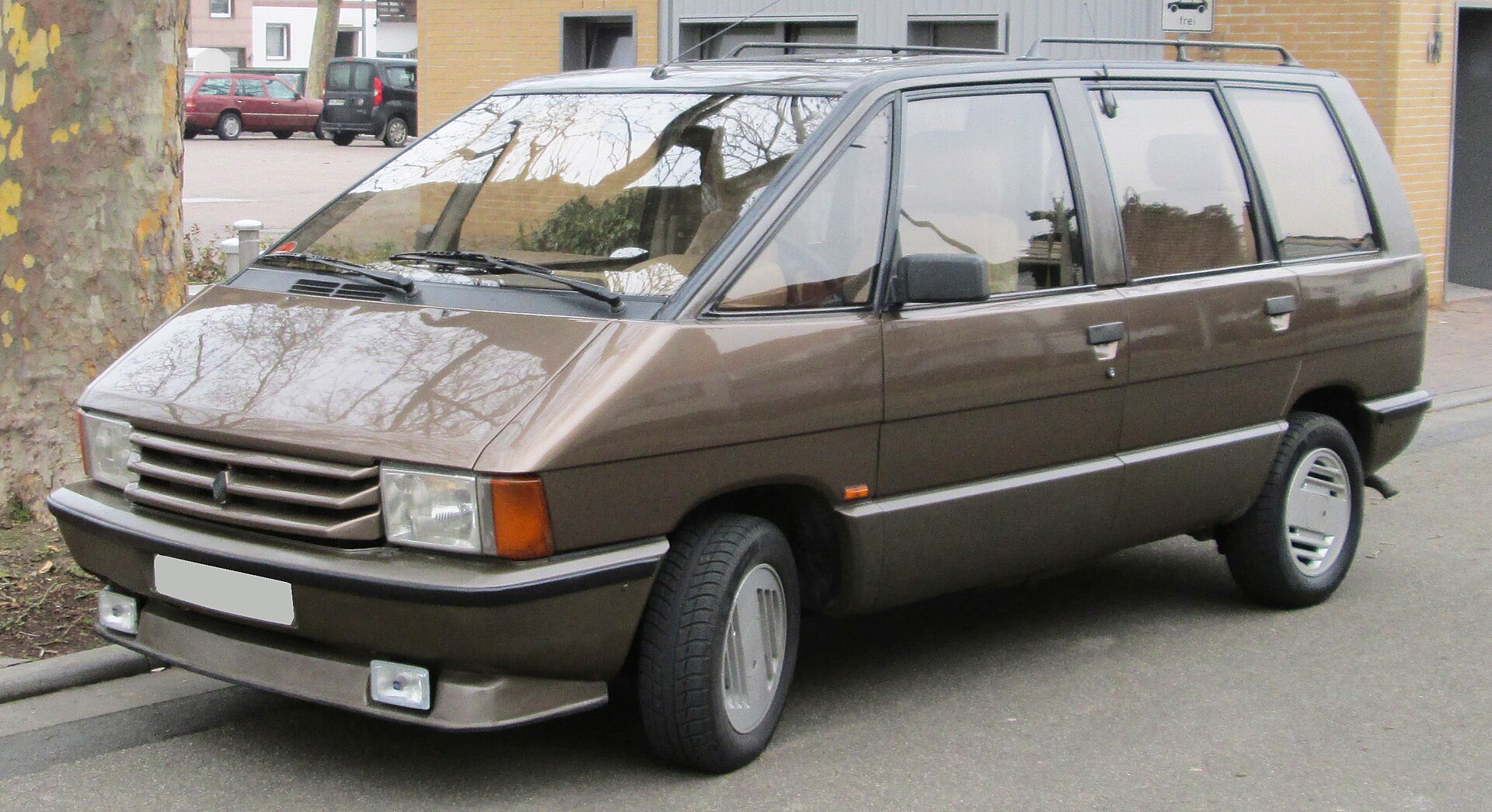


All generations by year: Espace RHN (2023–now) · Espace RFC (2015–2023) · Espace JK (2002–2014) · Espace III (1996–2002) · Espace J63 (1991–1996) · Espace J11 (1984–1990)
Which one is mine?
Pick the year of first registration to see which generation it is.
- RHN 2023–present
- RFC 2015–2023
- JK 2002–2014
- Espace III 1996–2002
- J63 1991–1996
- J11 1984–1990
The Renault Espace is a French front-wheel-drive people carrier with five or seven seats. It began in 1984 as one of Europe's first modern MPVs, and with its fifth generation Renault repositioned it as something closer to a large crossover. Its name is simply the French word for "space".
In short
- Six generations since 1984; the first three were developed and built by Matra, and the Espace IV of 2002 was the first made by Renault itself.
- The Espace V was unveiled at the Paris motor show in October 2014, facelifted in 2020 and built until March 2023.
- Its engines ranged from a 96 kW (130 PS) 1.6 dCi diesel to a 165 kW (225 PS) 1.8 TCe petrol, with dual-clutch EDC gearboxes.
- 4Control four-wheel steering, adaptive dampers and Multi-Sense driving modes set it apart from ordinary MPVs.
Renault Espace at a glance
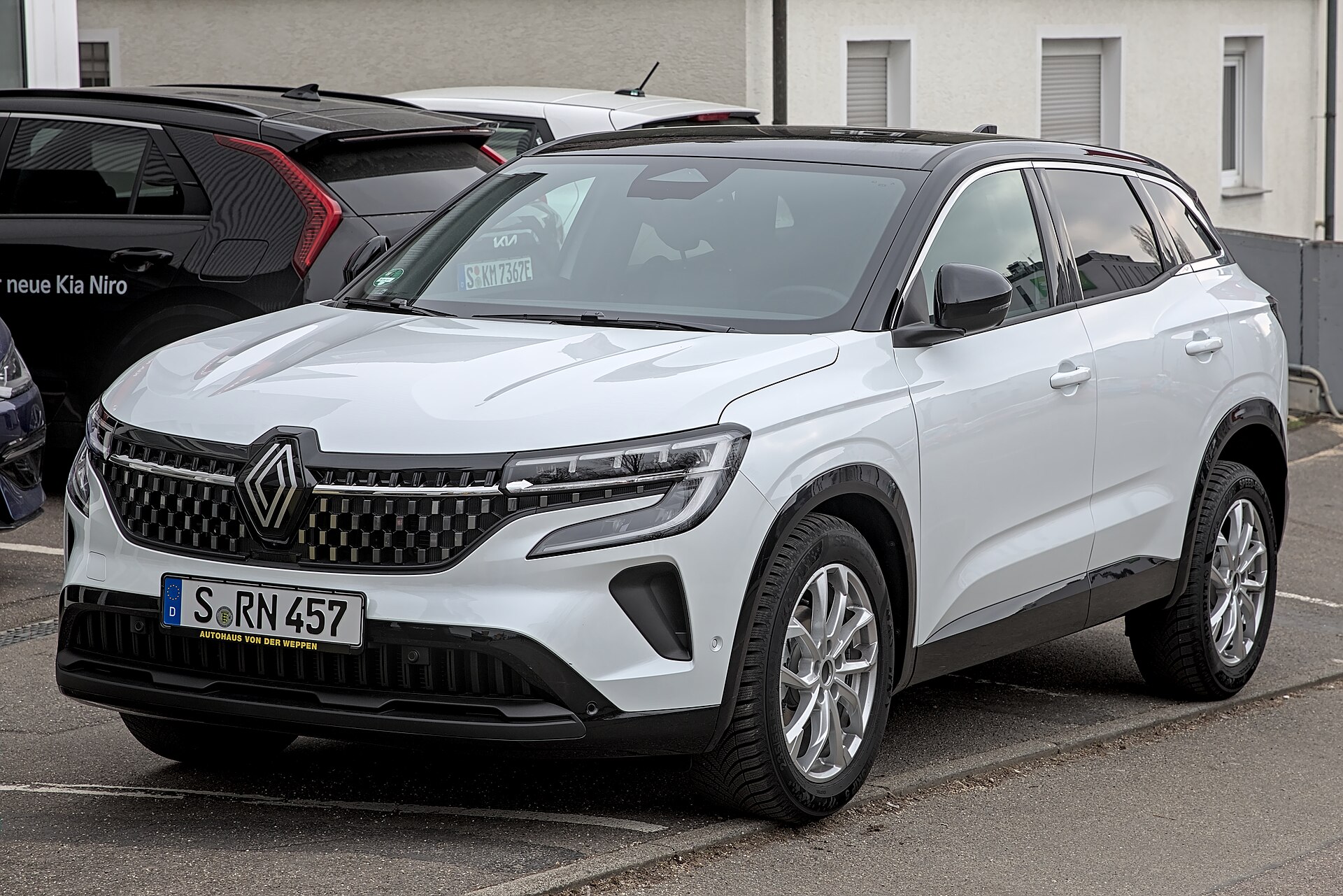
The Espace started life in 1984 as a classic one-box MPV. Unusually, it was developed and produced by Matra rather than by Renault, which sold it. The model became fully Renault's own only with the fourth generation of 2002, and in 2014 the fifth generation turned it into a crossover-style vehicle. The Espace V was unveiled at the Paris motor show in 2014; its facelift brought sharper lights and better technology rather than big changes in appearance. Renault ended production of the Espace V in March 2023, and the name passed to a sixth generation: a seven-seat SUV based on the Renault Austral. More models are in our Renault catalogue.
Generations
| Generation | Years | Built by | Notes |
|---|---|---|---|
| Espace I | 1984–1991 | Matra | The original one-box MPV |
| Espace II | 1991–1996 | Matra | Evolution of the original concept |
| Espace III | 1996–2002 | Matra | Long-wheelbase Grand Espace offered |
| Espace IV | 2002–2014 | Renault | First Espace developed and built by Renault |
| Espace V | 2014–2023 | Renault | Crossover styling, CMF platform, 4Control |
| Espace VI | from 2023 | Renault | Seven-seat SUV based on the Austral |
Espace V exterior
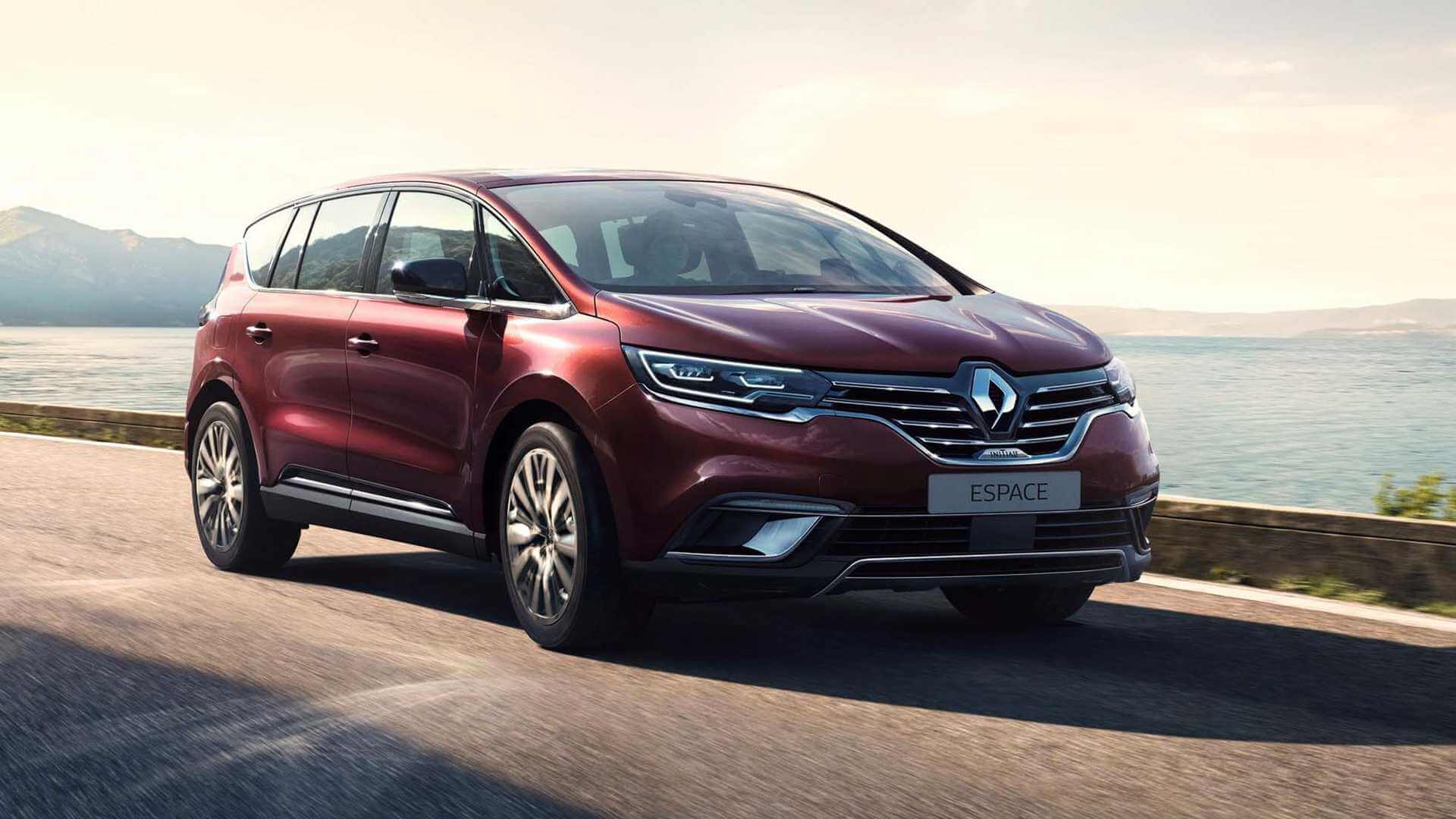
The styling is one of the fifth generation's strengths, sharing the corporate look of the Koleos, Megane and Talisman. The front has a narrow, squinting look with full-LED headlights. On the facelifted car they contain Matrix Vision LED modules for low and high beam, linked to a chrome V-shaped grille, while the bulging lower bumper has horizontal fog lights with chrome trim.
The matrix headlights have Renault's typical C-shaped signature, and their LEDs are controlled individually so the beam adapts to the traffic situation. A front camera detects oncoming vehicles up to 550 metres away and vehicles ahead in the same lane at up to 350 metres, and switches segments off so as not to dazzle other drivers; the lights also avoid glare from road signs. The light pattern depends on the selected Multi-Sense mode — Sport, for example, uses settings that light the road better for brisk driving. According to published figures, the matrix lights are about 50% more effective than ordinary LED units, with high-beam range rising from 175 to 220 metres.
In profile the Espace looks dynamic, with strongly flared wheel arches and a window line that narrows towards the rear, framed by chrome that continues onto the mirror bases. Wheels range from 17 to 20 inches. Ground clearance is a useful 160 mm, compared with just 120 mm on the previous Espace.
At the rear there are inverted-T tail lights that extend onto the wings and pillars, a large power tailgate with a recessed centre, and chrome inserts in the bumper that echo the front design rather than serving as exhausts. A retractable tow bar is available, and the real exhaust is integrated into the diffuser.
Interior and practicality
The cabin, offered with five seats or seven in three rows, received many small improvements in the facelift, mainly to the dashboard and the centre tunnel. Materials include fabric, leather, soft-touch plastics and silver trim. The driver has a three-spoke leather multifunction steering wheel with a flat bottom and a 10.2-inch digital instrument display that can show conventional dials, digital readouts or a 3D navigation map, plus a head-up display. The front seats are comfortable, electrically adjustable and offer good lateral support; massage is available.
The centre console was kept largely unchanged, but the facelift brought a larger 9.3-inch portrait touchscreen (previously 8.7 inches) with a new Easy Link interface, smartphone mirroring for Android and iOS, over-the-air updates and remote functions. Below it sits the climate panel with new round controls and small displays. A Multi-Sense controller operates the screen, and ambient lighting can be set in eight colours. The reorganised tunnel adds a wireless charging pad, a longer covered compartment with cupholders and two USB ports, and an Auto Hold button near the electronic parking brake; the gear selector is shift-by-wire. Unlike earlier Espaces, the cabin has relatively little small-item storage.
Options include a 2.8-square-metre panoramic glass roof, a 12-speaker Bose audio system with five sound modes and a hands-free power tailgate. The second row has three individual seats; the third row is tight but can have more comfortable wraparound headrests, and rear passengers get sunblinds and their own climate controls. With all seven seats in use, the boot holds 247 litres; with the third row folded it holds 614 litres, and with the second row folded too it reaches about 2,000 litres. Buttons in the boot fold the rear rows automatically.
Engines and transmissions (Espace V)
| Engine | Years | Power (kW / PS) | Torque | 0–100 km/h |
|---|---|---|---|---|
| 1.6 dCi 130 diesel | 2015–2018 | 96 kW / 130 PS | 320 Nm | 10.7 s |
| 1.6 dCi 160 twin-turbo diesel | 2015–2018 | 118 kW / 160 PS | 380 Nm | — |
| 2.0 Blue dCi 160 diesel | 2018–2022 | 118 kW / 160 PS | 360 Nm | — |
| 2.0 Blue dCi 200 diesel | 2018–2020 | 147 kW / 200 PS | — | — |
| 1.6 TCe 200 petrol | 2015–2017 | 147 kW / 200 PS | 260 Nm | 8.6 s |
| 1.8 TCe 225 petrol | 2017–2020 | 165 kW / 225 PS | 300 Nm | 7.9 s |
The base 1.6 dCi offers low consumption with reasonable performance, while the twin-turbo version of the same engine adds power without raising consumption. The 1.6 TCe turbo petrol, also used in the previous Clio R.S., uses about 7.8 l/100 km. From July 2017 it was replaced by the 1.8 TCe, a relative of the engine in the Alpine A110, which gives a top speed of 224 km/h and combined consumption of about 7.6 l/100 km. Later the 1.6 diesels gave way to 2.0 Blue dCi engines. The Espace V is front-wheel drive only; the base diesel was offered with a manual gearbox, and the other engines use EDC dual-clutch automatics with six or seven speeds.
Chassis
The Espace V uses the Renault–Nissan CMF modular platform, also found under the Nissan X-Trail. Thanks to many improvements, the base version is about 250 kg lighter than its predecessor. The 4Control system steers the rear wheels: below 50 km/h they turn opposite to the front wheels for better manoeuvrability, and above that speed they turn in the same direction for better stability. Adaptive dampers work with five Multi-Sense modes — Eco, Comfort, Neutral, Sport and Perso. In Comfort the Espace soaks up bumps smoothly but leans noticeably in corners; in Sport it handles well for a family car. Suspension is independent at the front and semi-independent at the rear, with coil springs, and the brakes are discs with ventilated fronts and electronic assistance.
Safety and equipment
Equipment includes ABS and ESC, adaptive emergency braking for city and open-road speeds with pedestrian detection, an adaptive front passenger airbag, side and curtain airbags, ISOFIX mounts, tyre-pressure monitoring, hill-start assist, rain and light sensors, an automatic electronic parking brake with Auto Hold, a speed limiter, rear parking assistance, lane-departure warning and lane-keeping assist, traffic-sign recognition, safe-distance warning, blind-spot monitoring, Easy Park Assist and a reversing camera. An air-quality sensor with a dual-action filter and automatic door locking complete the list. Options include the Bose audio system, adaptive cruise control with automatic braking, the parking assistant and the head-up display.
Strengths and weaknesses
Owners of earlier Espaces praise the attractive design, the huge, comfortable cabin and good safety, and say the car is excellent for long journeys. Good sound insulation, the audio system, performance, equipment and the torquey, economical diesels also earn praise. On the downside, finding a qualified specialist is not always easy, resale can be slow, the mirrors are small, and the petrol engines are thirsty. Ground clearance is limited and there is no all-wheel drive. Rivals of the Espace V included the Ford S-MAX and Galaxy, Volkswagen Sharan, SEAT Alhambra and Peugeot 5008.
Renault Espace evolution in numbers
Did you know?
- The Renault Espace has been around for 42 years: 6 generations in our catalog since 1984.
- The longest-running generation is the Espace JK (2002–2014): 12 years.
Image credits · Photos from Wikimedia Commons under free licences
- Renault Espace J11 · Photo: Rudolf Stricker / Wikimedia Commons, Attribution
- Renault Espace J63 · Photo: Rudolf Stricker / Wikimedia Commons, Attribution
- Renault Espace III · Photo: Rob Bogaerts for Anefo / Wikimedia Commons, CC0
- Renault Espace JK · Photo: Vauxford / Wikimedia Commons, CC BY-SA 4.0
- Renault Espace RFC · Photo: M 93 / Wikimedia Commons, CC BY-SA 3.0 de
- Renault Espace RHN · Photo: Alexander-93 / Wikimedia Commons, CC BY-SA 4.0
Renault Espace in our rankings
- No. 28 of 912 · Longest-running car nameplates (42 years · top 4%)
- No. 23 of 305 · Oldest car models still on sale (42 years · top 8%)
- No. 38 of 345 · Cars with the most generations (6 generations · top 16%)
In production longer than 96% of ranked nameplates in the 1CARS catalog (No. 28 of 912).
FAQ
Who built the original Renault Espace?
Matra developed and built the first three generations for Renault. The Espace IV of 2002 was the first developed and produced by Renault itself.
How many generations of the Espace are there?
Six: 1984, 1991, 1996, 2002, 2014 and 2023. The latest is a seven-seat SUV based on the Renault Austral.
What is 4Control on the Renault Espace?
A four-wheel steering system. Below 50 km/h the rear wheels turn opposite to the fronts for agility; above that they turn the same way for stability.
How big is the Renault Espace V boot?
247 litres with seven seats in use, 614 litres with the third row folded and about 2,000 litres with both rear rows folded.
Does the Espace V have all-wheel drive?
No. It was front-wheel drive only.
Data sources
Data checked by an editor against the sources below.