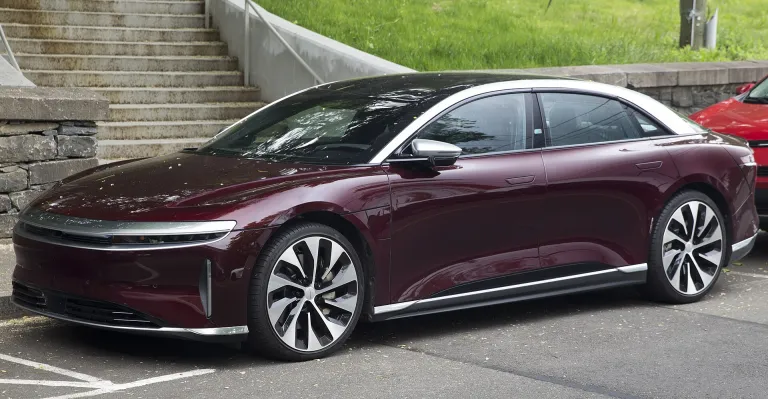
BMW i3 Drives North Cape to Tarifa on Under Three Hours of Charging
A new BMW i3 50 xDrive has driven 5,886.7 km (3,658 miles) from North Cape in Norway to Tarifa in southern Spain with a total charging time of 2 hours, 45 minutes and 54 seconds. BMW set the run up as a record attempt focused on minimum charging time, and electrive reported the result on 11 November.
Key takeaways
- Route: North Cape to Tarifa through eight countries, 5,886.7 km.
- Total charging time 2 h 45 min 54 s, average charging power 275 kW.
- Average consumption 12.5 kWh/100 km, below the official WLTP range of figures.
- The time beat the previous Paneuropeana record from 2017 by more than seven hours.
How the drive was run
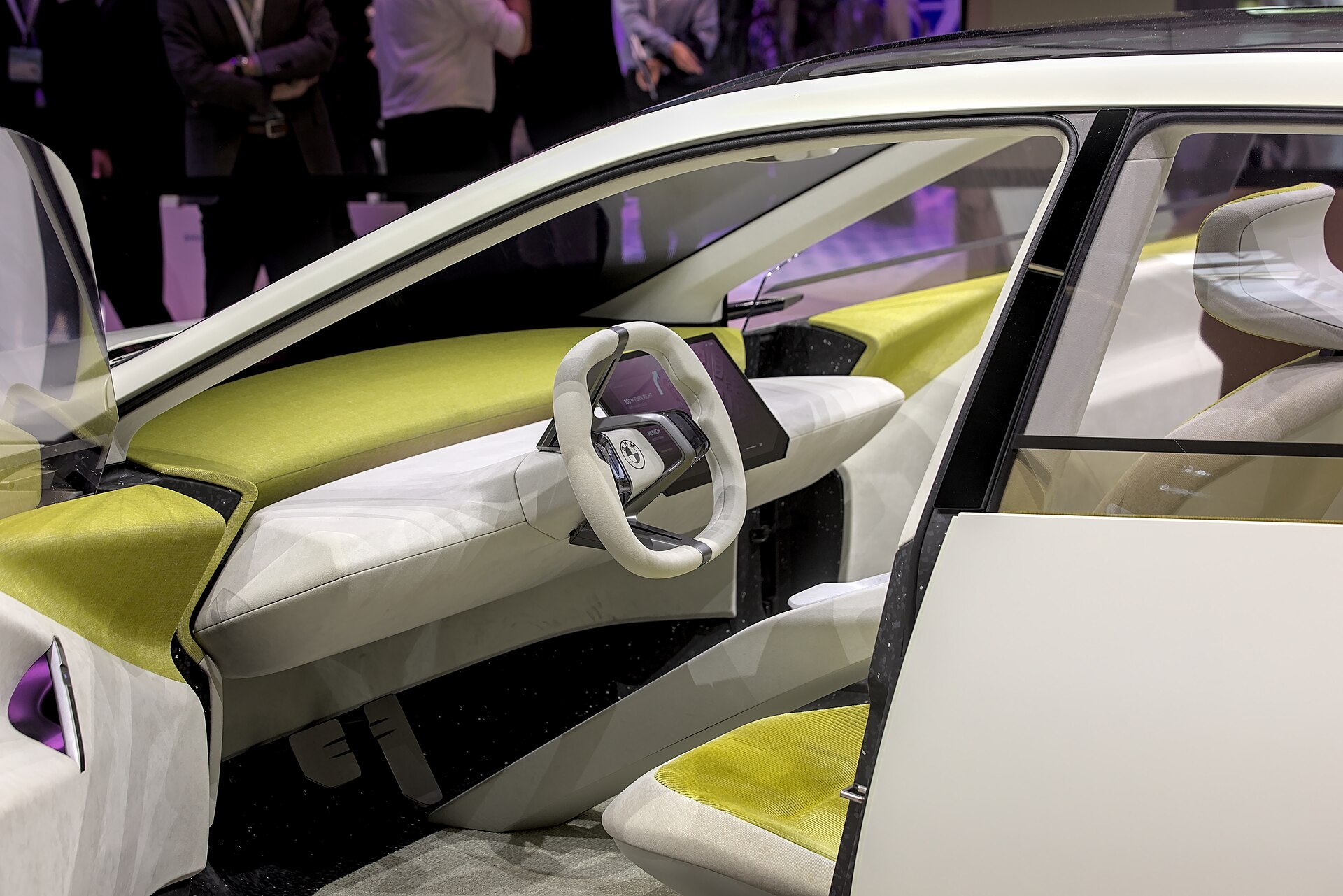
The car was a standard-specification i3 50 xDrive, the Neue Klasse electric saloon built in Munich, backed by a second i3 and an iX3 50 xDrive as support vehicles. The aim was to spend as little time as possible plugged in at predefined checkpoints, with total driving time a secondary concern. The team chose fast chargers in advance and adjusted the route for charger power, weather and traffic, using only public charging points. Pure driving time was 3 days, 2 hours and 41 minutes, at an average speed of 79.7 km/h (49.5 mph). BMW did not publish the number of stops or the exact dates.
The numbers behind the result
The i3 averaged 12.5 kWh/100 km over the whole trip. BMW quotes 13.4-18 kWh/100 km for the car on the WLTP combined cycle. At that consumption the journey used roughly 736 kWh. The usable capacity of the NMC Gen6 battery is 108.7 kWh, so the car drove the equivalent of almost seven full packs. Averaging 275 kW across every session is close to 70 per cent of the car's 400 kW peak.
The technical base explains much of this. The i3 uses an 800-volt system with cylindrical cells, a drag coefficient of 0.21, and motors with 40 per cent lower energy losses than BMW's previous generation. BMW claims up to 423 km of WLTP range can be added in 10 minutes under ideal conditions, and a WLTP range of up to 912 km (567 miles). Two motors give 345 kW (469 PS) and 645 Nm, for 0-100 km/h in 4.7 seconds and a 200 km/h top speed.
What it means for buyers
The result shows what the car can do with careful planning, warm batteries and available high-power chargers, so typical owners will spend longer plugged in. The useful lesson is the consumption figure: at motorway-heavy average speeds the i3 stayed below its own WLTP band. It is a very different car from the original BMW i3 hatchback, and it now competes with the cars in our list of electric cars with the longest range. Its SUV sibling, the Neue Klasse BMW iX3, served as a support car on the run.
Sources
- electrive: BMW i3 completes North Cape to Tarifa journey with less than three hours of charging time (11 Nov 2026) (accessed 12 Nov 2026)
Found a mistake? Report an error