
RWTH Aachen Compares Electric Car Motors From Three Markets
Electric car motors from China, Europe and the United States are converging on the same basic design, with the main differences in materials and individual components. That is the main finding of a study by RWTH Aachen University that examined 115 motors from 80 electric vehicles of the 2019-2025 model years, electrive reported on 11 November.
Key takeaways
- Researchers at the PEM chair of RWTH Aachen analysed 115 motors from 80 EVs.
- Average peak power density of permanent-magnet motors rose from 1.68 kW/kg in 2019 to 2.43 kW/kg in 2024-2025.
- Newer drives often exceed 20,000 rpm, with a maximum of 30,500 rpm in the sample.
- Chinese makers use more magnesium housings, European makers more aluminium.
Who did the study
The work comes from the Chair of Production Engineering of E-Mobility Components (PEM) at RWTH Aachen, one of Germany's main centres for electric drive research. It was published in the journal Energies under the title "Review and Benchmarking of Electric Motor Product Design and Manufacturing Technologies from the Chinese Market". The focus is on Chinese drivetrains, compared with data from European and US designs. The researchers found no fundamentally different technical direction in China, even though the country is a major driver of electric motor development.
What has changed since 2019
Housing structures, rotor and stator geometry and cooling concepts are now very similar across the three markets. Since 2022, highly integrated units that combine motor, transmission and power electronics have dominated the sample.
The clearest trend is power density. For permanent-magnet synchronous motors, the most common type, average peak power density rose from 1.68 kW/kg in 2019 to 2.43 kW/kg for 2024-2025 models, an increase of nearly 45 per cent. Speeds have climbed too: drives of 2020-2022 mostly peaked at 8,000-17,000 rpm, while newer designs increasingly pass 20,000 rpm and some reach 30,500 rpm. The average gear ratio grew by about 21.5 per cent over the period. Higher speeds allow smaller rotor and stator diameters and less material, although the study notes that some makers used them to raise top speed instead of shrinking the motor. Cooling has moved from simple water jackets to direct oil cooling of both rotor and stator, which demands tighter sealing in production.
Where China and Europe differ
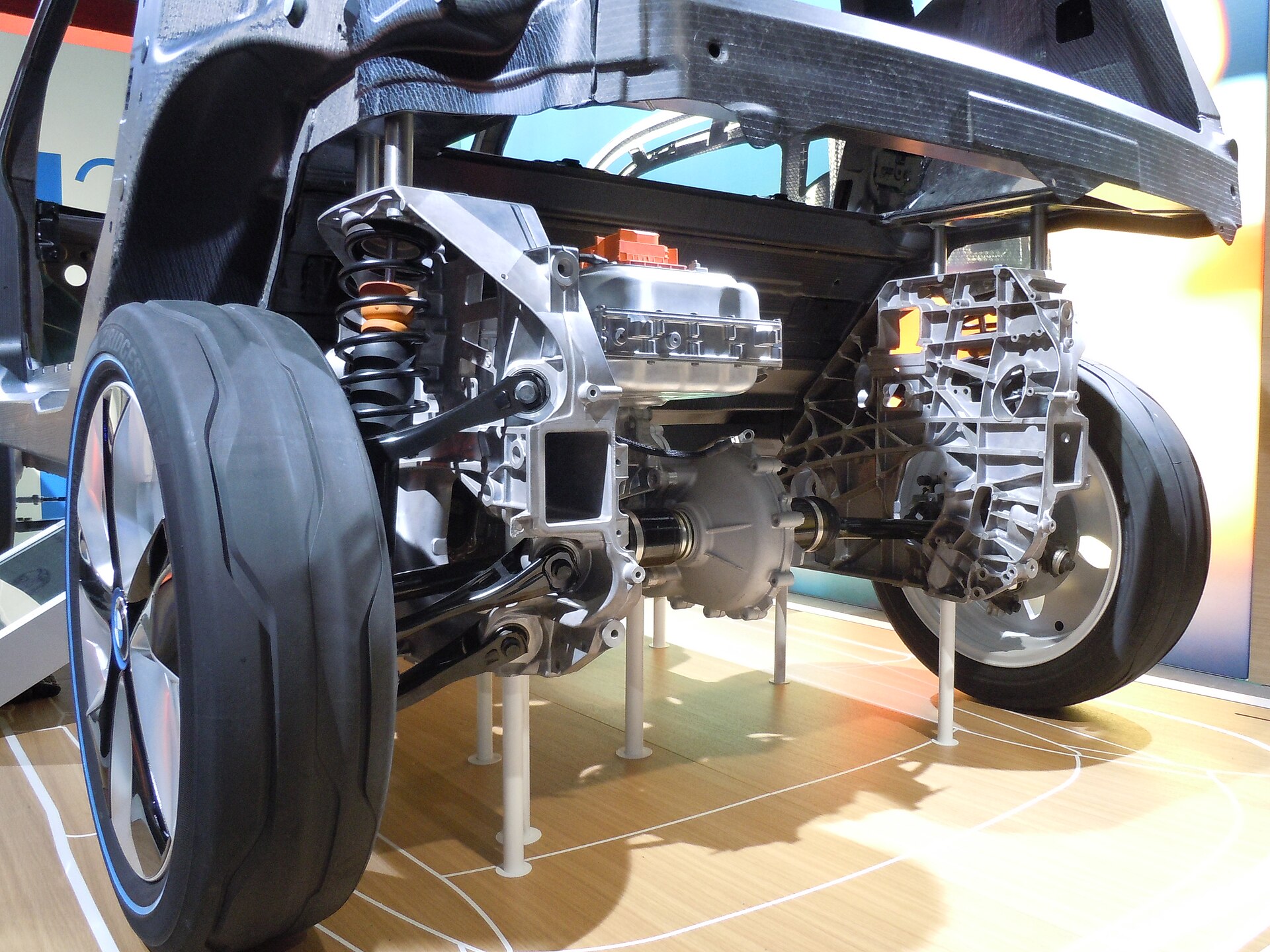
The differences are in materials and parts. Chinese manufacturers increasingly use magnesium alloys for motor housings, where European makers mostly use aluminium. Chinese designs also tend to use powder-coated busbars, while European suppliers more often embed several copper bars in a polymer part. One of the motors pictured in the study coverage came from the Nio ET7 saloon; more on the brand is in the Nio catalogue.
What it means for buyers
For drivers, the convergence means a Chinese-built electric car is unlikely to hide a radically different motor. The real progress since 2019 is lighter, faster-spinning and better-cooled drives, which help efficiency and packaging. The trend is continuing: supplier ZF announced a 30,000 rpm drive unit on 6 November, as covered in our car news.
Sources
- electrive: German study compares electric motors from China, Europe and the USA (11 Nov 2026) (accessed 12 Nov 2026)
Found a mistake? Report an error


