US Proposal: Cyan Lights to Show When a Car Is Driving Itself
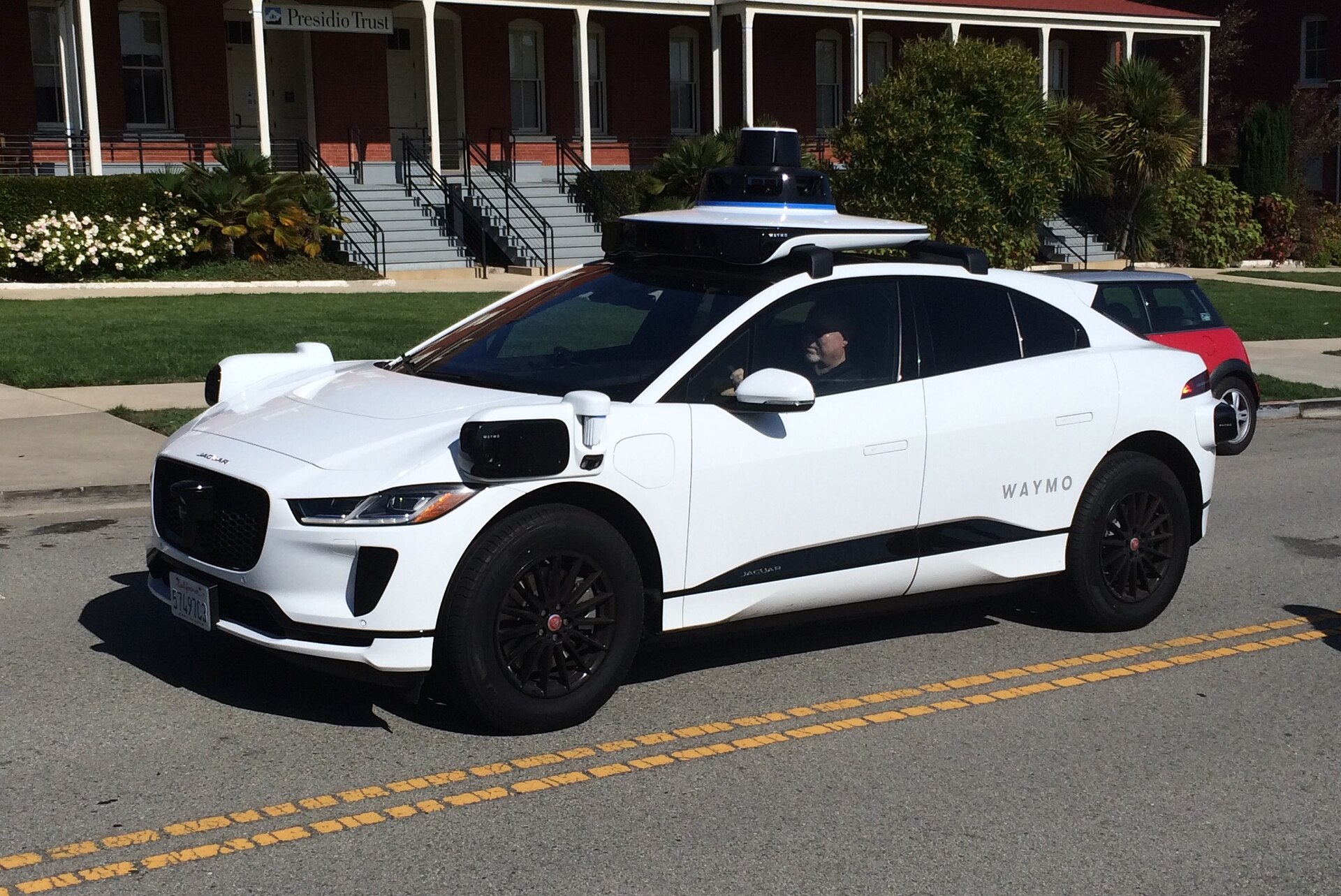
Self-driving cars in the United States could soon carry cyan lights to show other road users that nobody is driving. On 23 October 2026 the National Highway Traffic Safety Administration (NHTSA) proposed changes to the federal lighting standard, FMVSS No. 108, that set out how optional cyan marker lamps for automated driving systems should work.
Key takeaways
- The cyan lamps would be optional and switch on only while an automated system is driving.
- The proposal also relaxes rules on manual light controls for cars built without them.
- After publication in the Federal Register there are 30 days for public comment.
- Mercedes-Benz was the first to propose such lamps, for its Drive Pilot system.
What NHTSA proposes
The draft covers vehicles designed to be driven only by an automated driving system, and lamps that signal automated operation. NHTSA wants to set the colour (cyan), where the lamps are mounted, when they switch on and how visible they must be, so that police and other road users can tell when the system is in control. According to Electrek's reading of the draft, the markers would sit on the front, sides and rear at least 15 inches (38 cm) above the ground. They would be visible from any angle, switch on and off together and stay dark while a person is driving.
Other parts of the proposal are about cars without a steering wheel or pedals. They would no longer need manual turn-signal, hazard and beam-switch controls. Makers could also certify integral beam headlamps at their design voltage instead of a fixed 12.8 volts, and the rule on the vertical order of high and low beams would go.
| Proposal | Detail |
|---|---|
| Rule | FMVSS No. 108, lamps and reflective devices |
| Published by NHTSA | 23 October 2026 |
| Lamp colour | cyan, optional |
| Comment period | 30 days after Federal Register publication |
| Docket | NHTSA-2026-1519 |
Why it matters
NHTSA Administrator Jonathan Morrison said that "our safety standards must keep pace with innovation in ways that do not compromise public safety". He added that the changes "address unnecessary regulatory burdens for vehicles built without traditional manual controls."
The idea is not new. Mercedes-Benz first proposed coloured exterior marker lights for Drive Pilot, its Level 3 system that lets the driver take their eyes off the road in heavy motorway traffic, which it has trialled in California for two years, according to Electrek. China published a draft standard of its own around 20 October 2026, with optional turquoise lights from 2028, according to CnEVPost. The engineering body SAE also favours cyan.
What it means for drivers
For now, nothing changes on the road. The proposal still has to go through public comment, and only cars with an automated driving system would ever use the lamps. For other drivers the benefit is simple: a glance would tell you whether the car beside you is driven by a person or by software. That matters at a junction, when you decide whether to make eye contact with the driver or simply wait.
More about the brand that started the idea: Mercedes-Benz in the 1CARS catalogue. More about battery models in our electric cars section.
Sources
- NHTSA press release: vehicle lighting updates for automated vehicles (23 Oct 2026) (accessed 27 Oct 2026)
- NHTSA: Notice of proposed rulemaking, FMVSS No. 108 (October 2026, PDF) (accessed 27 Oct 2026)
- Electrek: NHTSA proposes cyan lights for robotaxis (24 Oct 2026) (accessed 27 Oct 2026)
Found a mistake? Report an error