 Mazda 626
All generations, specs and history
Published Sources (1) Report an error
By Felix Hartmann, Automotive Technology & EV Contributor
- Built
- 1978–2002
- Generations
- 5 · CB to GF
- Top power
- 127 kW (173 PS)
Timeline
626 generations
Click a generation for its own page
GD and GE overlapped in 1991–1992, so GE sits on a second lane
- 626 CB 1978–1982 · Sedan, Coupe · 55–81 kW (75–110 PS)
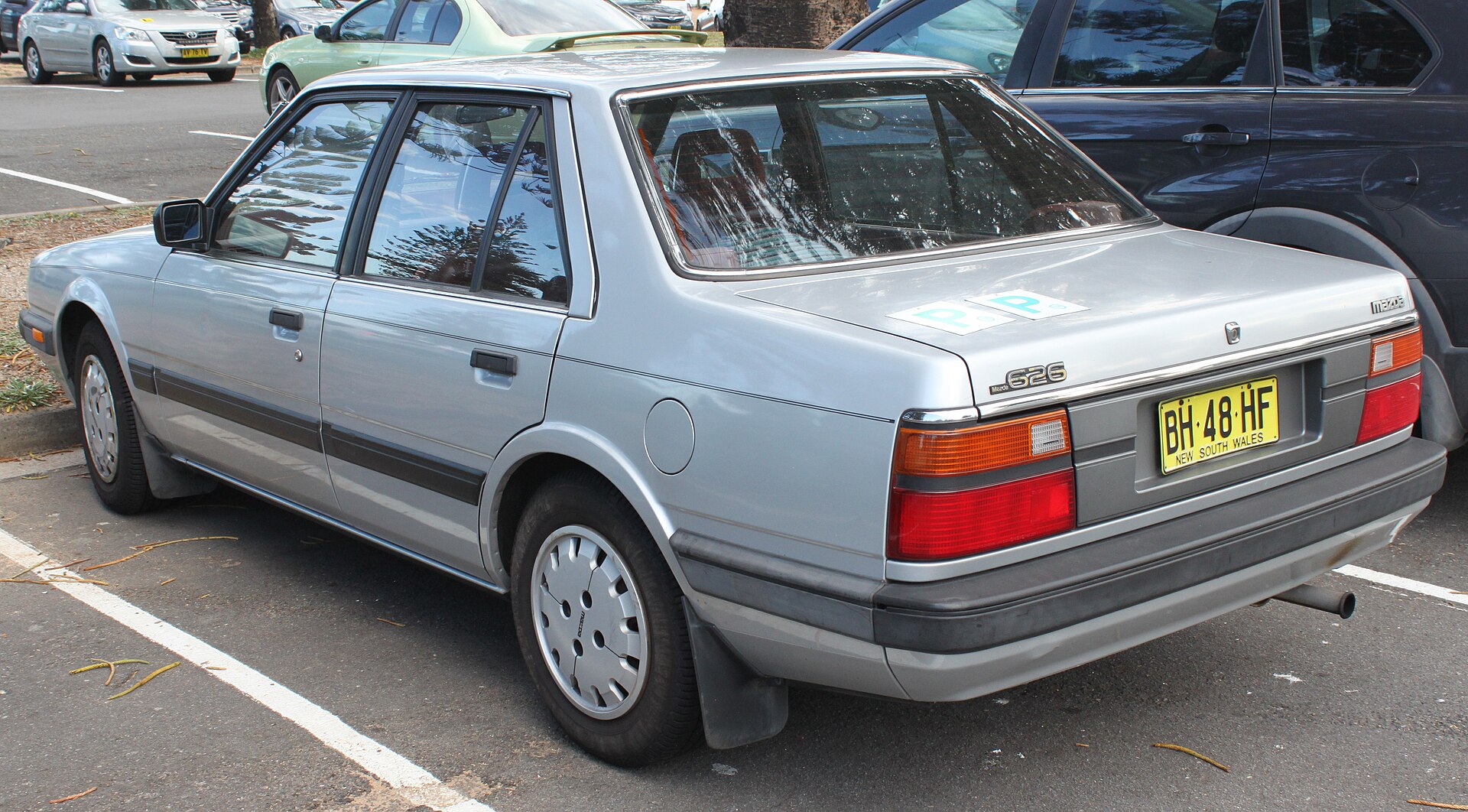
- 626 GC 1982–1987 · Sedan, Hatchback · 47–107 kW (64–145 PS)
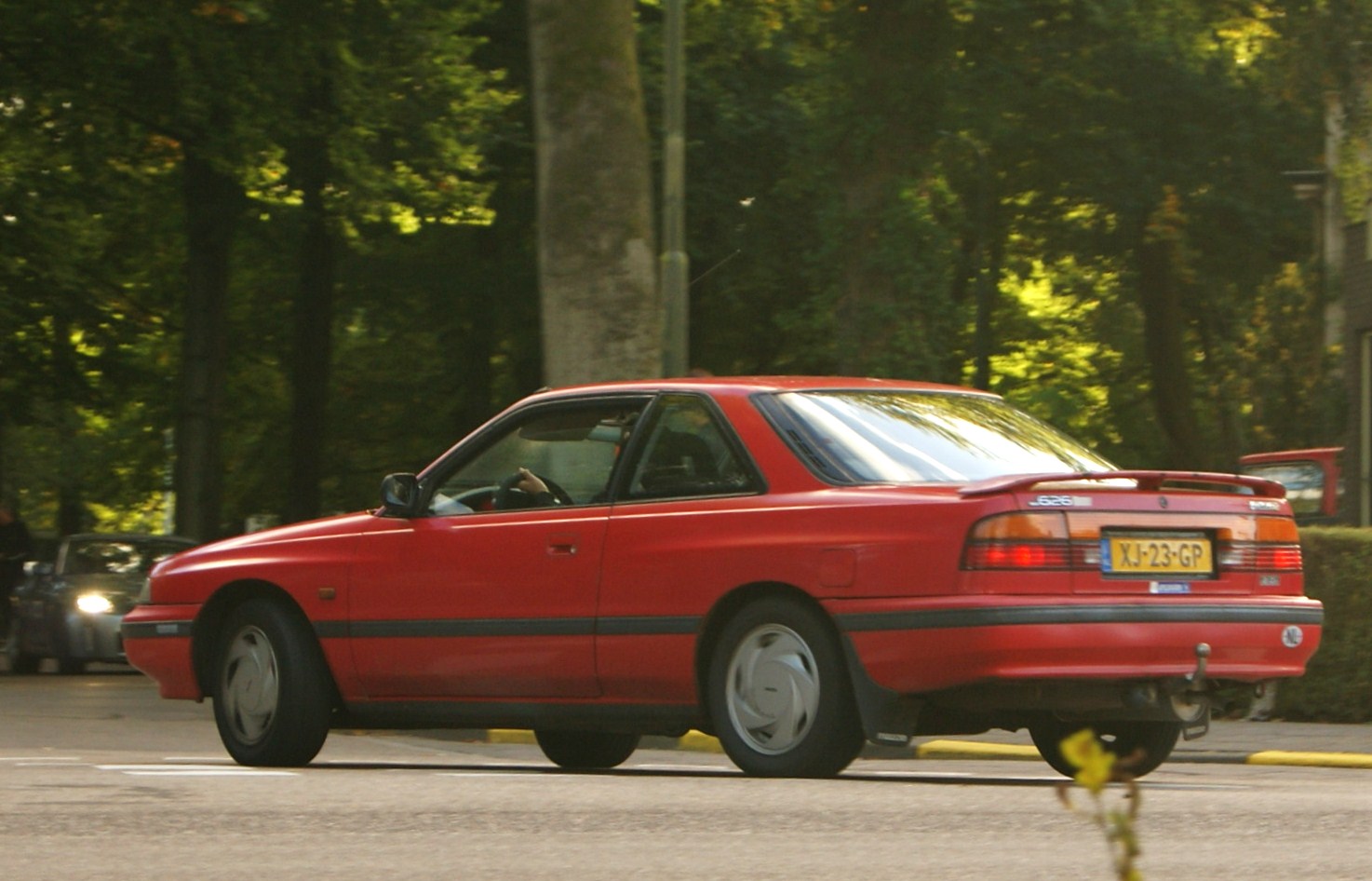
- 626 GD/GV 1987–1992 · Sedan, Hatchback · 45–110 kW (61–150 PS)
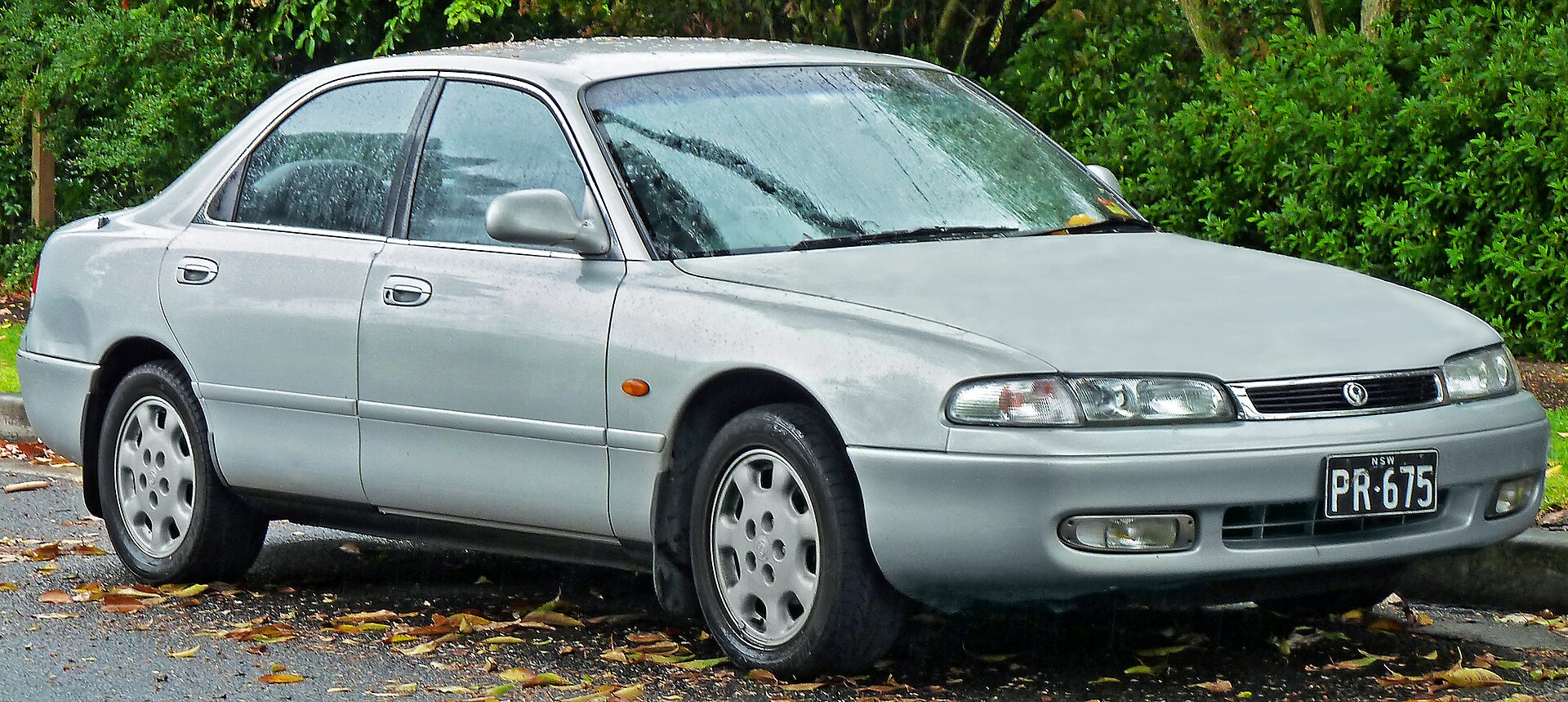
- 626 GE 1991–1997 · Sedan, Hatchback · 55–122 kW (75–166 PS)
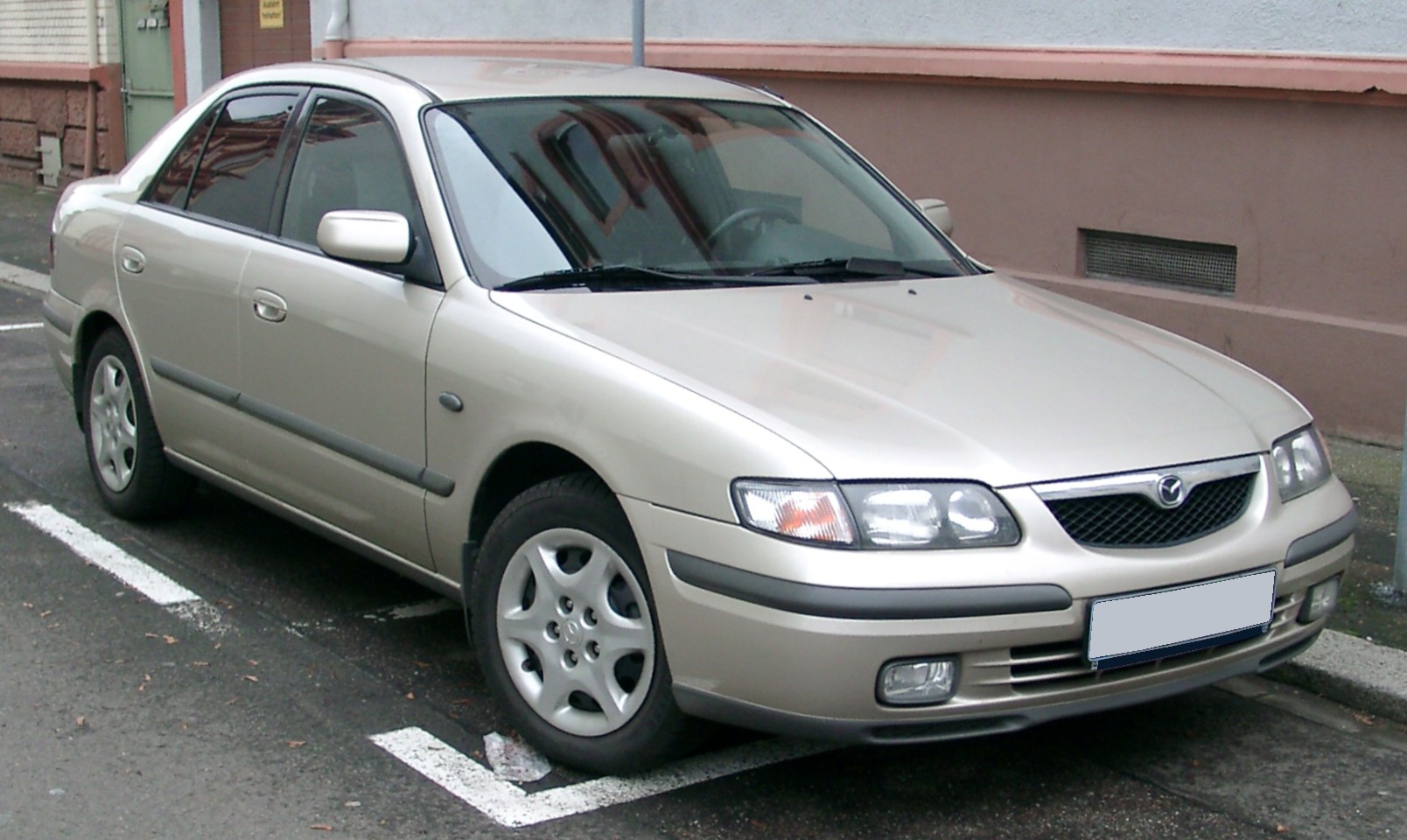
- 626 GF/GW 1997–2002 · Sedan, Hatchback · 66–127 kW (90–173 PS)
Newest first · 5 generations since 1978
- 1997 GF 1997–2002 · Sedan, Hatchback · 66–127 kW (90–173 PS)
-
1991
-
1987
-
1982
-
1978
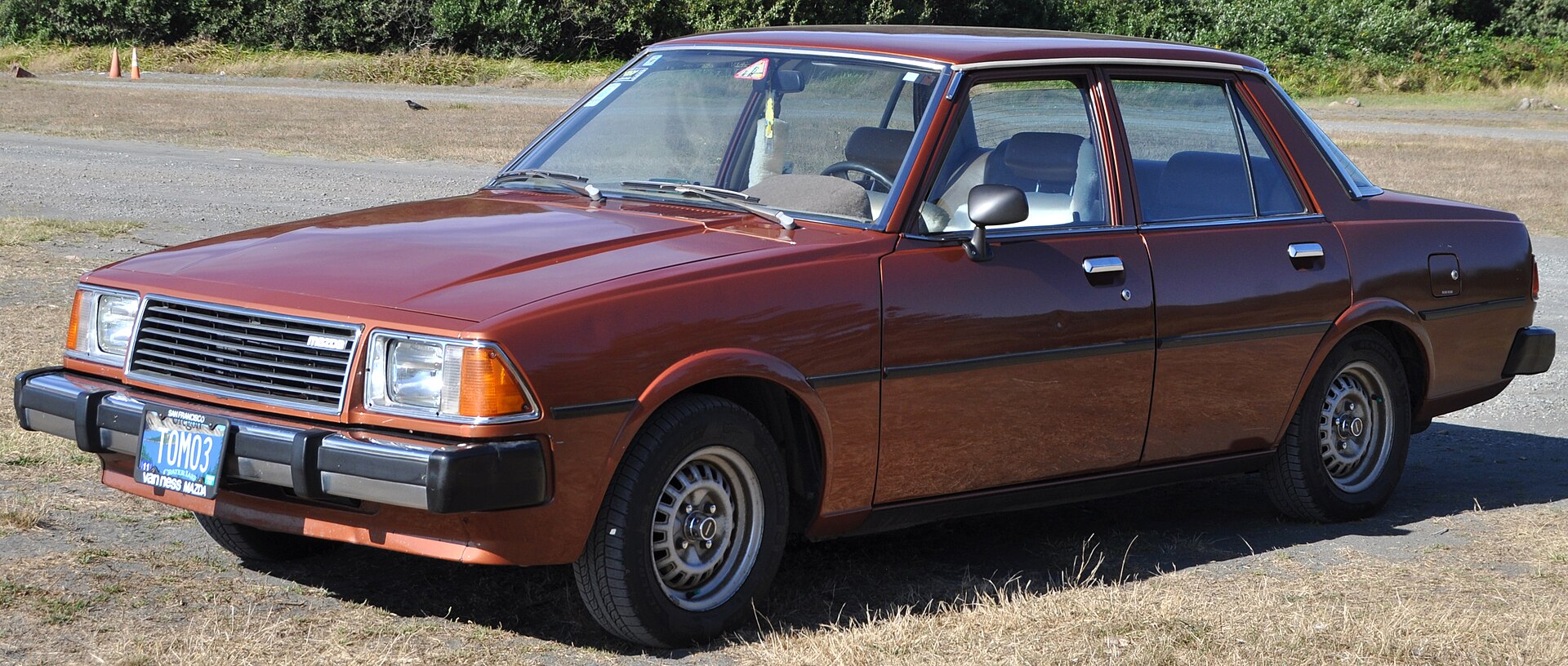


All generations by year: 626 GF/GW (1997–2002) · 626 GE (1991–1997) · 626 GD/GV (1987–1992) · 626 GC (1982–1987) · 626 CB (1978–1982)
Which one is mine?
Pick the year of first registration to see which generation it is.
Check by VINWhich one to buy
Our verdict · Felix Hartmann
- For a youngtimer: a GD 2.0 GT or a 4WS model, the most technically interesting 626s.
- For performance: a GE 2.5 V6 with 121 kW (165 PS), the most powerful 626 sold in Europe.
- For everyday use: a GF 2.0 or 2.0 RF-T diesel from 1998-2002, the newest and easiest to find parts for.
- For space: the GW estate, with its longer wheelbase.
The rear-drive CB and the award-winning GC now belong among the classic cars.
The Mazda 626 was Mazda's mid-size family car for export markets from 1978 to 2002, sold in Japan as the Capella. Five generations moved it from a rear-drive saloon and coupé to a front-drive range with hatchbacks, estates, Comprex diesels and electronic four-wheel steering. Together with its Ford Telstar twin it reached 4,345,279 units, and the Mazda6 replaced it in 2002.
In short
- Five generations: CB (1978-1982), GC (1982-1987), GD/GV (1987-1992, estate to 1997), GE (1991-1997) and GF/GW (1997-2002).
- Engines from the 47 kW (64 PS) 2.0 diesel of the GC to the 2.5 V6 with 121 kW (165 PS) in Europe and 127 kW (170 hp) in North America.
- The GC won Japan Car of the Year 1982 and finished fifth in the 1984 European Car of the Year, then the best result for a Japanese car.
- Built in Japan, at AutoAlliance in Flat Rock, Michigan, from 1992 to 2002 and in Colombia until 2005.
Mazda 626 at a glance
| Item | Mazda 626 |
|---|---|
| Segment | Mid-size family car (D-segment) |
| Japanese name | Mazda Capella (also Cronos and others) |
| Production | 1978-2002 under the 626 name; Japan, Flat Rock (USA), Bogota (Colombia), New Zealand, South Africa |
| Bodies | 4-door saloon, 2-door coupé, 5-door hatchback, estate |
| Drive | rear-wheel drive (CB), then front-wheel drive; 4WD on some GD/GV |
| Sister models | Ford Telstar, Ford Probe and Mazda MX-6 (platform), Mazda Cronos |
In the United Kingdom the first 626 was called the Mazda Montrose. In Colombia, where the car was assembled for years, later generations got local names such as Asahi and Matsuri. Other models of the brand are in our Mazda catalogue.
Generations of the Mazda 626
| Generation | Code | Years | Body styles | Engines | Power (kW / hp) |
|---|---|---|---|---|---|
| 626 I | CB | 1978-1982 | saloon, coupé | 1.6, 1.8, 2.0 petrol | 55-81 kW (75-110 PS) |
| 626 II | GC | 1982-1987 | saloon, coupé, 5-door hatchback | 1.6, 1.8, 2.0 petrol, 2.0 turbo, 2.0 diesel | 47-107 kW (64-145 PS) |
| 626 III | GD | 1987-1992 (GV estate to 1997) | saloon, hatchback, coupé, estate | 1.6-2.2 petrol, 2.2 turbo, 2.0 diesel and Comprex diesel | 45-110 kW (61-150 PS) |
| 626 IV | GE | 1991-1997 | saloon, hatchback | 1.8, 2.0 petrol, 2.5 V6, 2.0 Comprex diesel | 55-122 kW (75-165 PS) |
| 626 V | GF | 1997-2002 | saloon, hatchback, estate (GW) | 1.8, 2.0 petrol, 2.5 V6, 2.0 turbo-diesel | 66-127 kW (90-170 hp) |
CB (1978-1982): the rear-drive 626
The Capella CB appeared in Japan in October 1977 and was exported as the 626 as a saloon and coupé. It kept rear-wheel drive with MacPherson struts at the front and a coil-sprung live rear axle on four links with a Panhard rod. Gearboxes were a five-speed manual or a three-speed automatic, and the drag coefficient was 0.38. Japanese engines had 66, 74 or 81 kW (90, 100 or 110 PS JIS); European 1.6 and 2.0 engines ranged from 55 to 66 kW (75 to 90 PS). A facelift followed in late 1980.

GC (1982-1987): front drive and awards
The GC of September 1982 switched to front-wheel drive with independent rear suspension and added a five-door hatchback. In Europe the 1.6 gave 59 kW (80 PS) and the 2.0 about 75 kW (102 PS); a 2.0 diesel with 47 kW (64 PS) followed in September 1983, and a 2.0 turbo topped the range. Ford's Telstar was built on the same base from 1983.
The GC was Japan Car of the Year in 1982, Motor Trend's Import Car of the Year and Wheels Car of the Year in 1983, and fifth in the 1984 European Car of the Year, the highest finish by a Japanese car at that point.

GD/GV (1987-1992): four-wheel steering and Comprex
Launched in May 1987, the GD came as a saloon, hatchback and coupé; the GV estate followed in 1988 and stayed in production until 1997. Some versions got four-wheel drive from July 1987, with a centre differential and a viscous limited-slip rear differential. In February 1988 Mazda added electronic four-wheel steering (4WS) for the five-door and coupé.
| GD/GV engine | Power |
|---|---|
| 1.6 F6, carburettor | 60 kW (81 PS) |
| 1.8 F8 | 66 kW (90 PS) |
| 2.0 FE | 66-80 kW (90-109 PS) |
| 2.0 FE DOHC (GT) | 103-110 kW (140-150 PS) |
| 2.2 F2 (USA and Europe) | 85 kW (115 PS) DIN |
| 2.2 F2T turbo (US GT) | 108 kW (145 hp) SAE |
| 2.0 RF diesel | 45 kW (61 PS) |
| 2.0 RF-CX Comprex diesel | 60-65 kW (82-88 PS) |
The Comprex was a pressure-wave supercharged diesel, unusual in a mass-market car. The coupé was sold as the MX-6 in North America and Australia and, with the Ford Probe, was built by AutoAlliance International in Michigan.
GE (1991-1997): V6 and Flat Rock
The GE was launched in Japan in November 1991 and exported as the 626 from January 1992, as a saloon and hatchback without an estate. North American 626s were built at Flat Rock from 1 September 1992.
| GE engine (Europe) | Power |
|---|---|
| 1.8 FP | 77 kW (105 PS) |
| 2.0 FS | 85 kW (115 PS) |
| 2.5 KL V6 | 121 kW (165 PS) |
| 2.0 Comprex diesel | 55 kW (75 PS) |
Four-wheel steering remained available on the European V6 hatchback with manual gearbox until a mid-1994 update. Wheels magazine made the 626 its Car of the Year for a second time in 1992.

GF/GW (1997-2002): the last 626
The final generation came as a saloon and hatchback (GF) and, from 1998, an estate (GW) with a 60 mm longer wheelbase. North American cars from Flat Rock had their own bodywork. European engines were a 1.8 with 66 kW (90 PS), a 2.0 with 85 kW (115 PS) and 100 kW (136 PS) in the GSI SE and Sport, and from autumn 1998 the 2.0 RF-T turbo-diesel with 74 kW (101 PS). North America had a 2.0 with 93-97 kW (125-130 hp) and a V6 with 127 kW (170 hp). Mazda showed a 626 MPS concept with a 2.5 twin-turbo at the 2000 Geneva show, but it never reached production. The last Flat Rock 626 was built on 30 August 2002.
Fuel economy, running costs and practicality
Our sources give no reliable fuel consumption or dimension figures for each generation, so we do not quote them here. The V6 and the Comprex diesels were built in smaller numbers than the four-cylinder petrol engines, so finding parts for them takes more effort. Our cost of ownership calculator helps put numbers on a specific car.
Safety
The CB, GC and GD were designed before Euro NCAP began testing in 1997, and we could not verify a Euro NCAP result for the GF, so no rating is given. A car of this age offers far less crash protection than a current mid-size car.
Reliability and known issues
One documented weak point is the Ford CD4E four-speed automatic that Flat Rock fitted to four-cylinder 626s in North America from 1994. Wikipedia reports a higher failure rate for it and cites Mazda service bulletins. European manual cars are not affected. Our sources record no other model-wide faults.
Rivals
In Europe the 626 competed with the Ford Sierra and Mondeo, Opel Ascona and Vectra, Volkswagen Passat, Toyota Carina and Honda Accord. It is long out of production, so new prices are not compared.
Photo gallery


Mazda 626 evolution in numbers
Did you know?
- The Mazda 626 ran for 24 years, from 1978 to 2002, over 5 generations in our catalog.
- The longest-running generation is the 626 GE (1991–1997): 6 years.
- The biggest jump in power came with the 626 GC: up to 107 kW (145 PS), 26 kW more than the 626 CB.
Most powerful version, kW
Figures from the 1cars catalog: power is the strongest version of each generation; generations without the figure are left out.
Mazda 626: first vs latest generation
| Spec | 626 CB | 626 GF/GW | Change |
|---|---|---|---|
| Years | 1978–1982 | 1997–2002 | 19 years apart |
| Most powerful version | 81 kW (110 PS) | 127 kW (173 PS) | +46 kW (+57%) |
Oldest and newest generation in the 1cars catalog. Power is the strongest version of each; other rows are shown only when both generations have the figure.
Mazda 626 in our rankings
- No. 129 of 1082 · Longest-running car nameplates (24 years · top 14%)
- No. 67 of 411 · Cars with the most generations (5 generations · top 25%)
- No. 69 of 111 · Most powerful cars of the 1990s (122 kW · top 63%)
- No. 96 of 130 · Most powerful Japanese cars (127 kW · top 74%)
- No. 51 of 69 · Most powerful cars of the 1980s (107 kW · top 74%)
- No. 742 of 1011 · Most powerful cars (127 kW · top 74%)
In production longer than 86% of ranked nameplates in the 1CARS catalog (No. 129 of 1082).
FAQ
What replaced the Mazda 626?
The Mazda6, known as the Atenza in Japan, replaced the 626 in 2002.
Did the Mazda 626 have four-wheel steering?
Yes. Electronic four-wheel steering was offered from February 1988 on the GD five-door and coupé, and on the European GE V6 hatchback until mid-1994.
Where was the Mazda 626 built?
In Japan, at AutoAlliance in Flat Rock, Michigan (1992-2002), and in Colombia until 2005; it was also assembled in New Zealand and South Africa.
How many Mazda 626s were made?
Together with the Ford Telstar, 4,345,279 units were built.
Data sources
Data checked by an editor against the sources below.