Hindustan Motors: the makers of India's Ambassador, 1942 to 2014
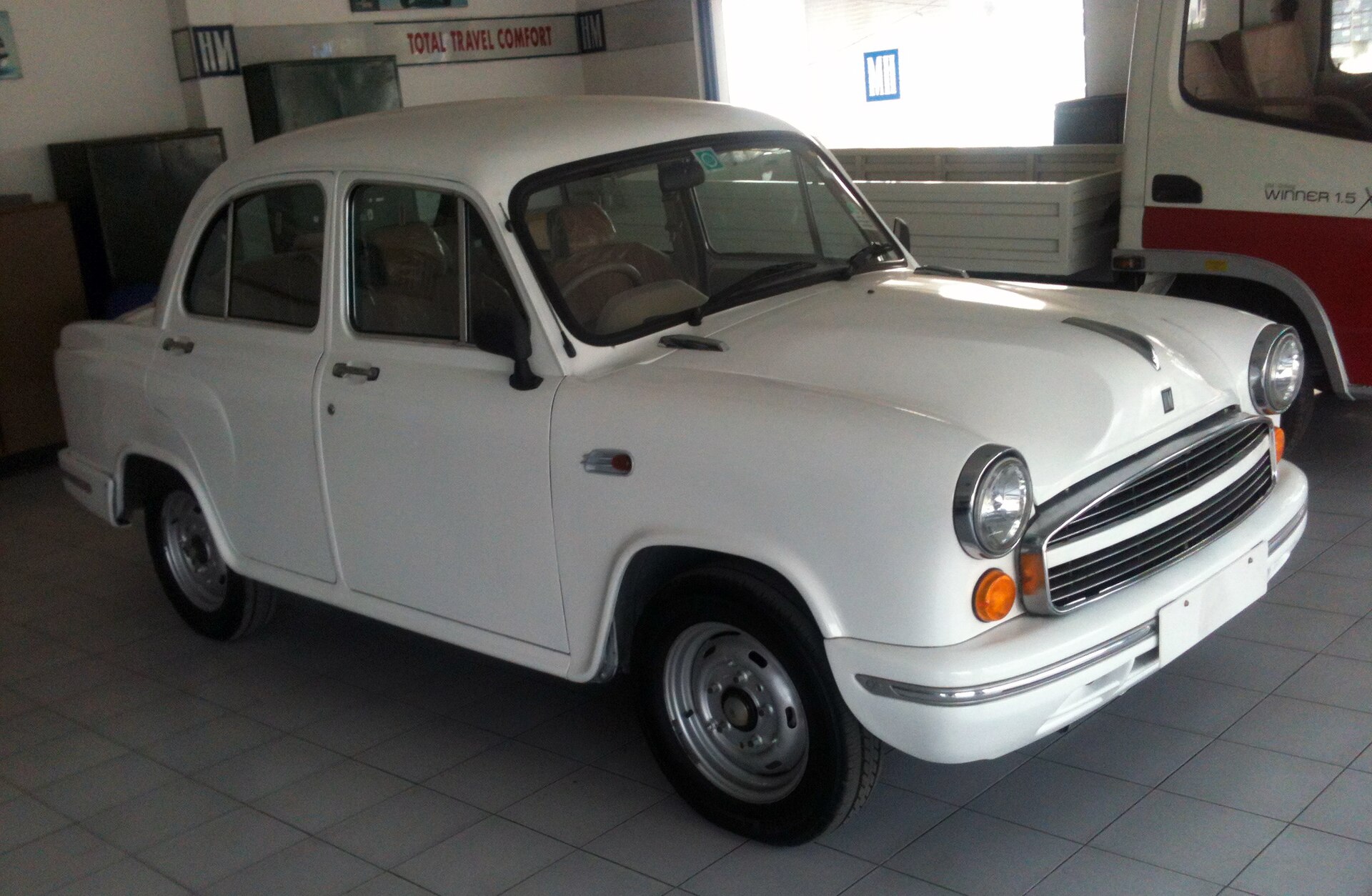
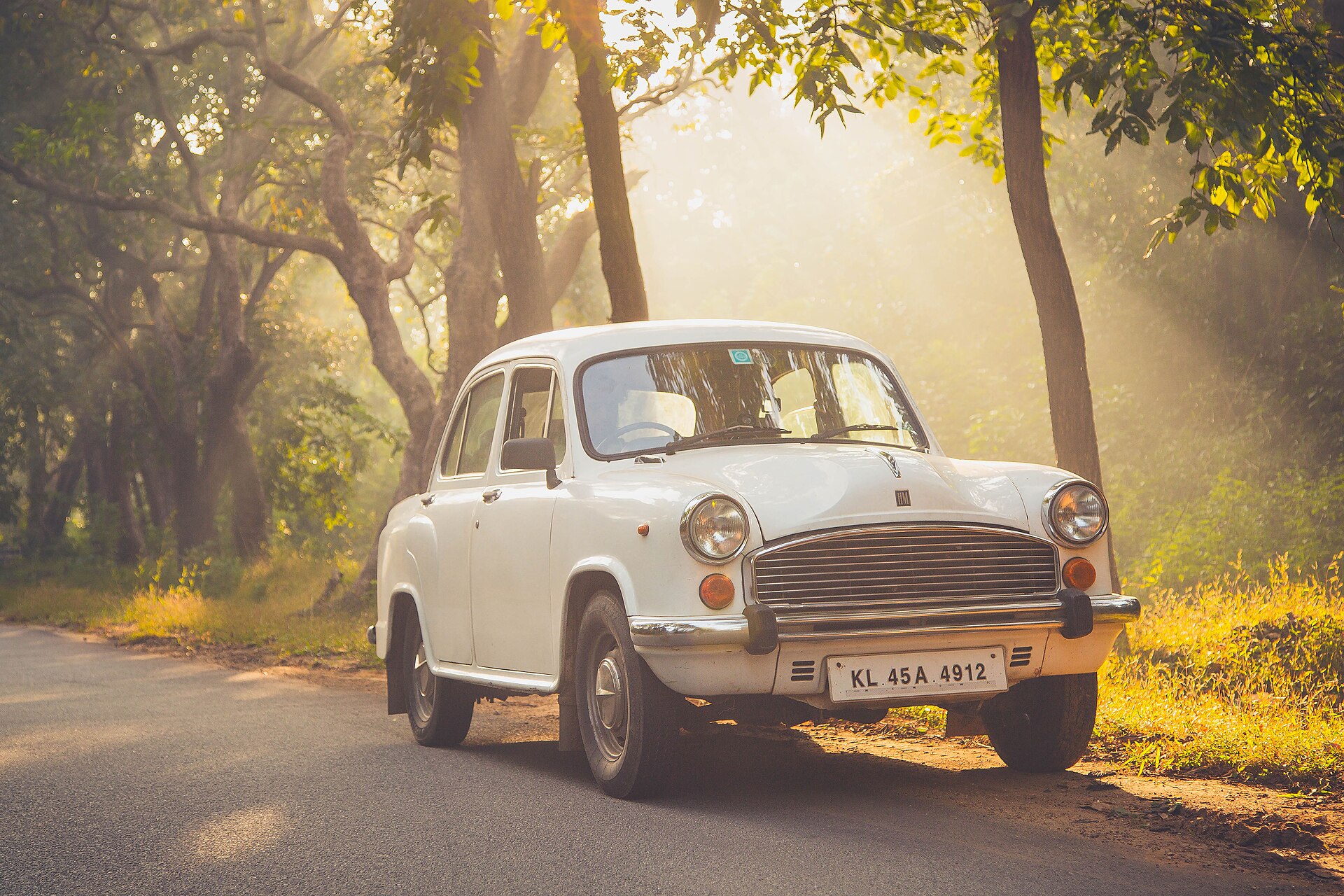
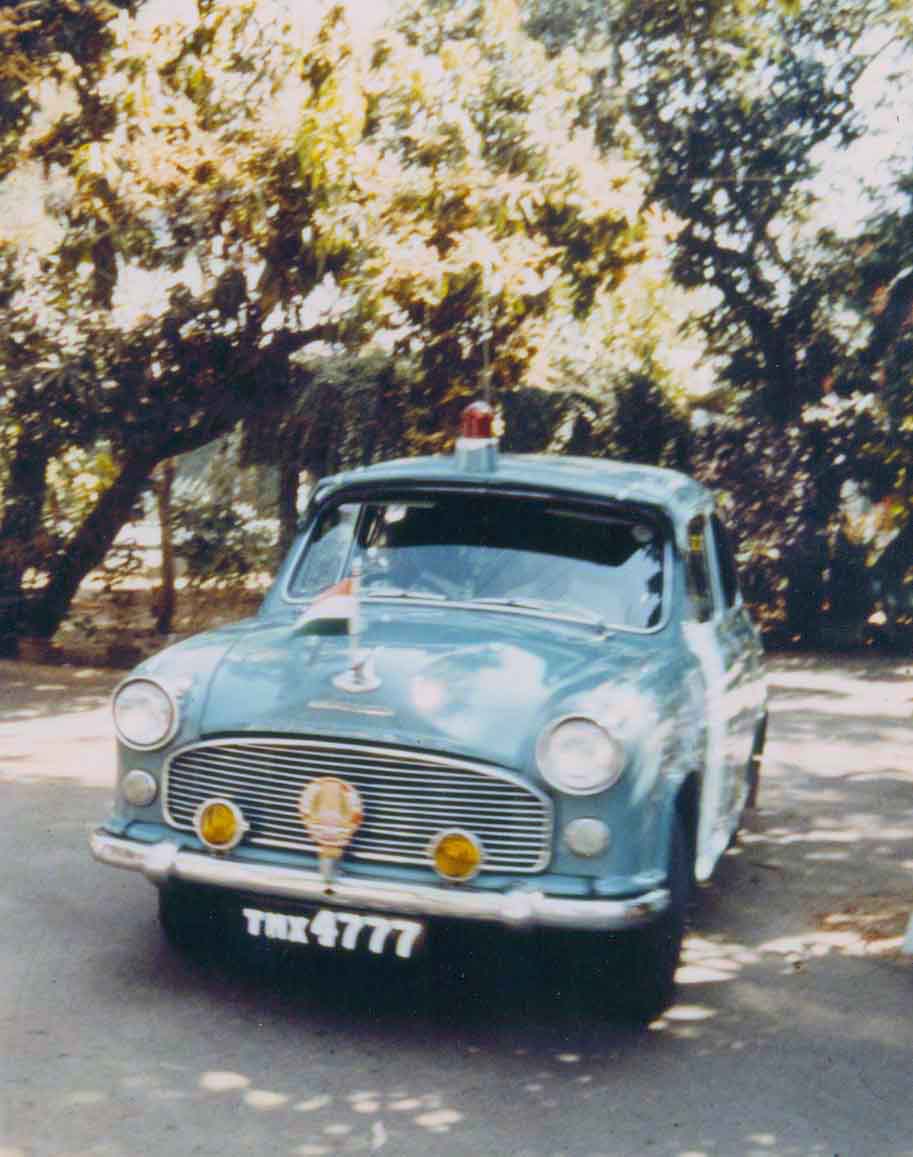
Hindustan Motors was one of the first car makers of India, founded in 1942 by B. M. Birla of the Birla family. For decades its Ambassador, a development of the British Morris Oxford Series III, was the standard Indian car: the official car of ministers, the taxi of Kolkata and, until the early 1980s, the best-selling car in the country. Hindustan also built the Contessa, the Landmaster and, with Mitsubishi and Isuzu, cars and engines for partners. Ambassador production ended in May 2014, and in 2017 the brand was sold to the PSA Group.
Key takeaways
- Hindustan Motors was founded in 1942 with Lord Nuffield of Morris Motors and began in a small assembly plant at Port Okha, Gujarat.
- In 1948 production moved to Uttarpara in West Bengal; the first car there was the Hindustan 10, based on the Morris 10.
- The Ambassador of 1957 used the tooling of the Morris Oxford Series III and stayed in production until May 2014.
- On 11 February 2017 the Ambassador brand and trademarks were sold to PSA for ₹80 crore.
Hindustan Motors at a glance
| Fact | Value |
|---|---|
| Founded | 1942, by B. M. Birla |
| Group | CK Birla Group |
| First plant | Port Okha, Gujarat |
| Main plant | Uttarpara (Hindmotor), West Bengal, from 1948; closed 2015 |
| Other sites | Chennai; engine plant at Pithampur |
| Best-known models | Hindustan 10, Landmaster, Ambassador, Contessa, Trekker |
| Partners | Morris Motors, Isuzu, Mitsubishi, General Motors |
| End of car production | Ambassador stopped in May 2014 |
B. M. Birla and the first plant
Braj Mohan Birla (1904–1981) was the youngest of the four sons of Baldeo Das Birla. In 1942 Birla founded Hindustan Motors, and in 1946 also the bearing maker NBC Bearings. The car company was set up together with Lord Nuffield of Morris Motors, the British maker whose designs Hindustan would build for the next seven decades.
Assembly started in a small plant at Port Okha, near the Gujarat coast. In 1948 the company moved to a new factory at Uttarpara in West Bengal, near Kolkata. The first car built there was the Hindustan 10, based on the Morris 10.
The Landmaster and the arrival of the Ambassador
In 1954 the Indian government adopted a policy to build up a domestic motor industry. Only a few makers met it, and Hindustan was one of them. That year the company launched the Landmaster, built until 1957. The Hindustan article says it was based on the Morris Oxford Series II, and the Morris Oxford article says Hindustan built a four-cylinder version of the Morris Isis under that name. The Series II Oxford itself was built in Britain until 1956, with 87,341 made.
In 1956 Morris sold Hindustan the rights and tooling of the Morris Oxford Series III. The car was introduced in India as the Ambassador in 1957. The first version had a side-valve engine. In 1959 it switched to the 1,489 cc BMC B-series overhead-valve petrol engine with 41 kW (55 bhp). The design changed only in details over the next 57 years:
| Version | Year | Main change |
|---|---|---|
| Mark I | 1957 | First Ambassador; overhead-valve engine from 1959 |
| Mark II | 1963 | New grille and interior |
| Mark III | 1975 | New grille and dashboard; limited 1,760 cc engine in 1977–1978 |
| Mark IV | 1979 | Larger front facelift; diesel from 1980 |
| Nova | 1990 | Deluxe petrol and DX diesel versions |
| 1800 ISZ / Classic | 1992 / 1998 | 1,817 cc Isuzu petrol engine, 56 kW (75 bhp) |
| Grand | 2003 | 137 changes over the previous car |
| Avigo | 2004 | Larger revision under a different name |
The 1980 diesel was a 1,489 cc BMC B-series with 28 kW (37 bhp). Later options included a 2.0-litre DSZ diesel with 37 kW (50 bhp) and a turbo version with 56 kW (75 bhp). In 2008 the Ambassador celebrated 50 years of production, counted from 1958.

Market leader in a closed market
Hindustan Motors held the largest share of the Indian car market until the early 1980s. Demand was high and supply short: in 1982 the waiting list for an Ambassador was about 12 months, against nearly five years for the rival Premier Padmini.
The company widened its range in these years. From 1982 it worked with Isuzu, first to assemble F-series trucks and from 1983 to 1993 on engines and gearboxes, with an engine plant at Pithampur. The Contessa saloon arrived in 1984. It was based on the Vauxhall VX Series of 1976–1978, itself a development of the Vauxhall Victor FE. The first engine was the 1.5-litre BMC B-series with 37 kW (50 hp). The 1.8-litre Isuzu 4ZB1 petrol engine gave 66 kW (88 bhp) in early imported form and 56 kW (75 bhp) when assembled locally, and a 2.0-litre Isuzu diesel followed. The Contessa was phased out in 2002.
Hindustan also built light utility vehicles, the Trekker, the Porter and the Pushpak, until April 2008. In 1994 General Motors and the C. K. Birla group formed General Motors India as a 50–50 joint venture to build the Opel Astra. A joint venture with Mitsubishi began in 1998.

Decline and the end of the Ambassador
The arrival of Maruti Udyog in the early 1980s ended Hindustan's market leadership. Private buyers turned away from the Ambassador in the 1980s and 1990s, although it stayed the car of government offices, companies and taxi drivers. In the financial year that ended in March 2014, Hindustan sold 2,200 Ambassadors, about a tenth of the mid-1980s figure. Stricter BS IV emission rules also hit the taxi trade: in Kolkata, sales of Ambassador taxis were banned from 1 April 2011 until a cleaner diesel arrived.
Production of the Ambassador was suspended at the end of May 2014. The Uttarpara plant closed in 2015, and Isuzu moved its assembly away in January 2016. On 11 February 2017 Hindustan Motors agreed to sell the Ambassador brand and trademarks to the PSA Group, now part of Stellantis, for ₹80 crore (2017, about US$8.3 million). The agreement included two joint ventures, and the Chennai plant was to build PSA vehicles. In 2022 Hindustan said it was working with Peugeot on a new Ambassador with a new engine and design; by the time of the sources it had not appeared.
The Hindustan models listed on 1cars are in the Hindustan Motors catalogue, and the famous car has its own page on the Ambassador's history, engines and variants. Other cars of the British partner on 1cars include the Morris Minor and the early Morris Oxford "Bullnose". The buyer of the brand is covered in the history of Peugeot.

Hindustan Motors timeline
| Year | Event |
|---|---|
| 1942 | Founded by B. M. Birla with Lord Nuffield; plant at Port Okha |
| 1948 | Move to Uttarpara; Hindustan 10 |
| 1954 | Landmaster launched |
| 1956 | Rights and tooling of the Morris Oxford Series III bought |
| 1957 | Ambassador introduced |
| 1959 | Overhead-valve B-series engine |
| 1980 | Ambassador diesel |
| 1984 | Contessa launched |
| 1992 | Isuzu 1.8-litre engine in the Ambassador |
| 1998 | Mitsubishi joint venture begins |
| 2002 | Contessa phased out |
| 2014 | Ambassador production stops (May) |
| 2015 | Uttarpara plant closes |
| 2017 | Ambassador brand sold to PSA (11 February) |
Landmark Hindustan Motors models
| Model | Years | Why it matters |
|---|---|---|
| Hindustan 10 | From 1948 | First car built at Uttarpara, based on the Morris 10 |
| Landmaster | 1954–1957 | Morris-based saloon before the Ambassador |
| Ambassador | 1957–2014 | Standard Indian car for decades; official car and taxi |
| Contessa | 1984–2002 | Vauxhall-based saloon with Isuzu engines |
| Trekker | Until 2008 | Light utility vehicle |
Photo gallery


FAQ
Who founded Hindustan Motors?
B. M. Birla of the Birla family, in 1942, together with Lord Nuffield of Morris Motors.
What car was the Ambassador based on?
The Morris Oxford Series III. Morris sold the rights and tooling to Hindustan in 1956, and the Ambassador was introduced in 1957.
When did Hindustan Motors stop making the Ambassador?
Production was suspended in May 2014. The Uttarpara plant closed in 2015.
Who owns the Ambassador brand now?
The PSA Group, now part of Stellantis, bought the brand and trademarks on 11 February 2017 for ₹80 crore.
Why was the Ambassador so common in India?
It was among the few cars made under the 1954 policy for a domestic industry, and Hindustan led the Indian market until the early 1980s. Government offices and taxi drivers kept using it long after private buyers moved on.
Sources
- Wikipedia - Hindustan Motors (accessed 24 Oct 2026)
- Wikipedia - Hindustan Ambassador (accessed 24 Oct 2026)
- Wikipedia - Hindustan Contessa (accessed 24 Oct 2026)
- Wikipedia - B. M. Birla (accessed 24 Oct 2026)
- Wikipedia - Morris Oxford (accessed 24 Oct 2026)
Found a mistake? Report an error