 Morris Oxford Bullnose
Specs, engines and history
Published Sources (1) Report an error
By Felix Hartmann, Automotive Technology & EV Contributor
Which Bullnose to choose
Our verdict · Felix Hartmann
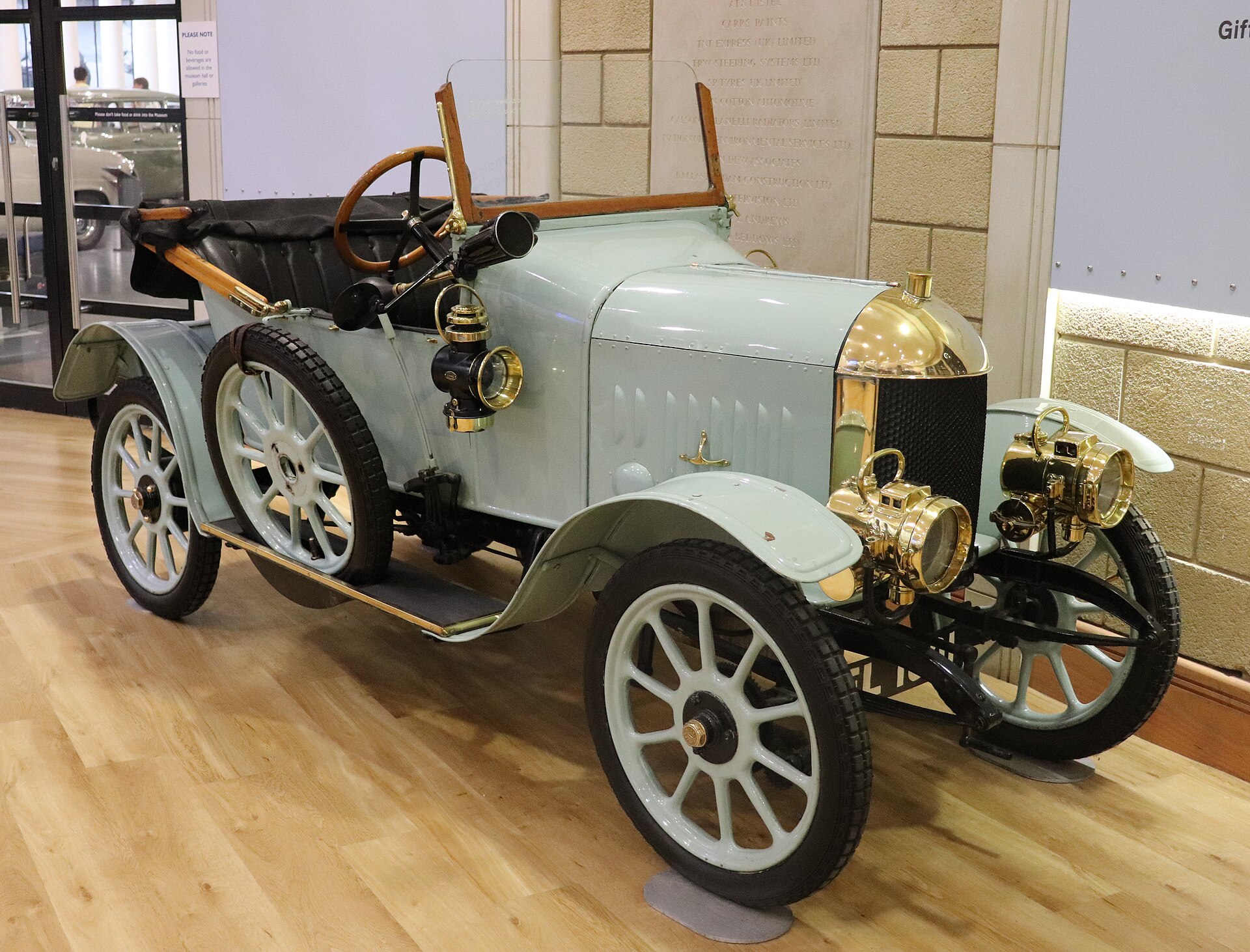
- For history: an early 1913–1915 Oxford with the White & Poppe engine and Raworth body.
- For everyday vintage use: a 1924–1926 14/28 with the 1,802 cc engine, ideally with the optional front brakes.
- For variety: one of the closed bodies of the 1920s, such as the saloon (from 1924) or the coupé.
- For MG enthusiasts: a 1925 car, the chassis on which the first MG was built.
Today's models of the brand are in the Morris catalogue, and more early cars in classic cars.
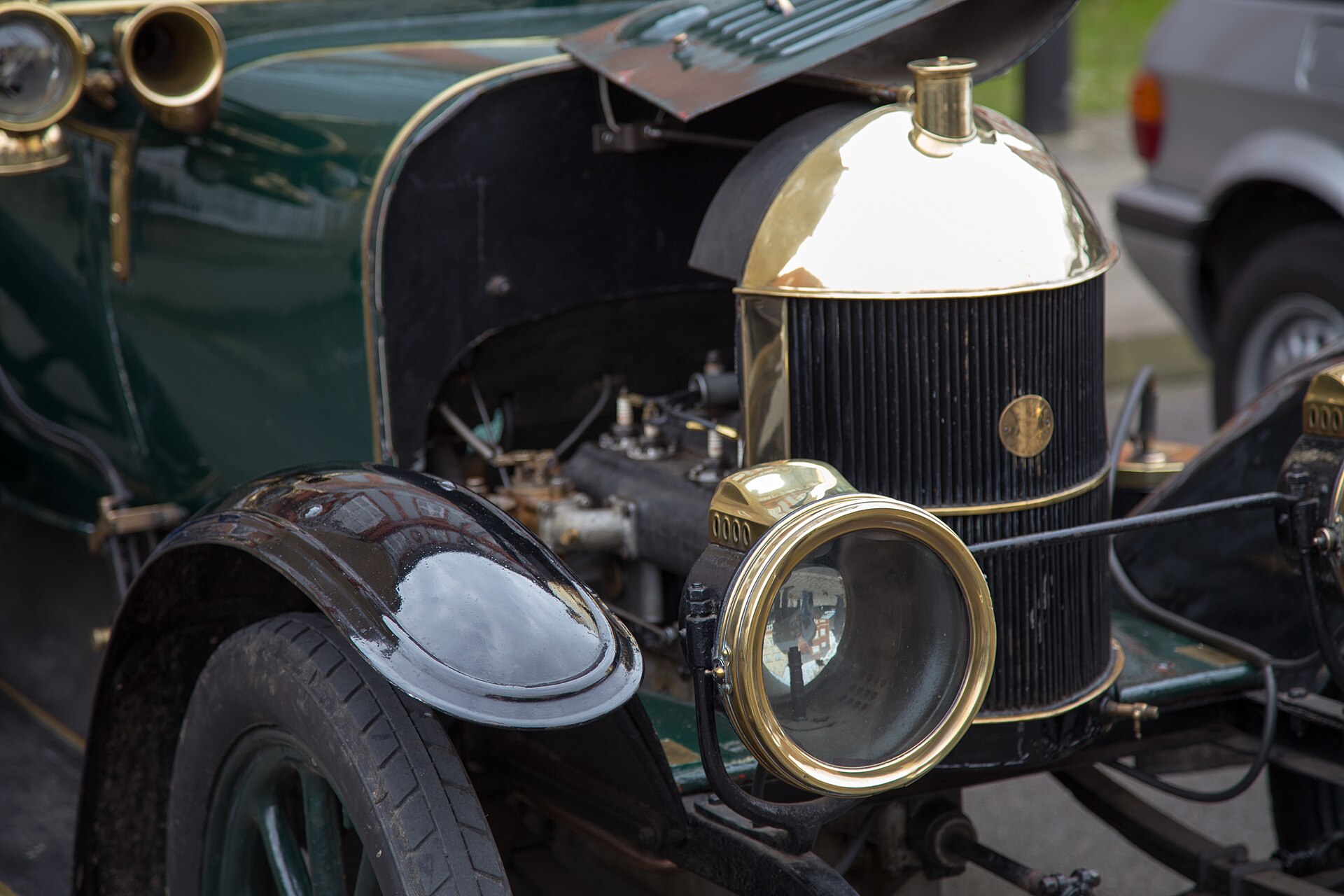
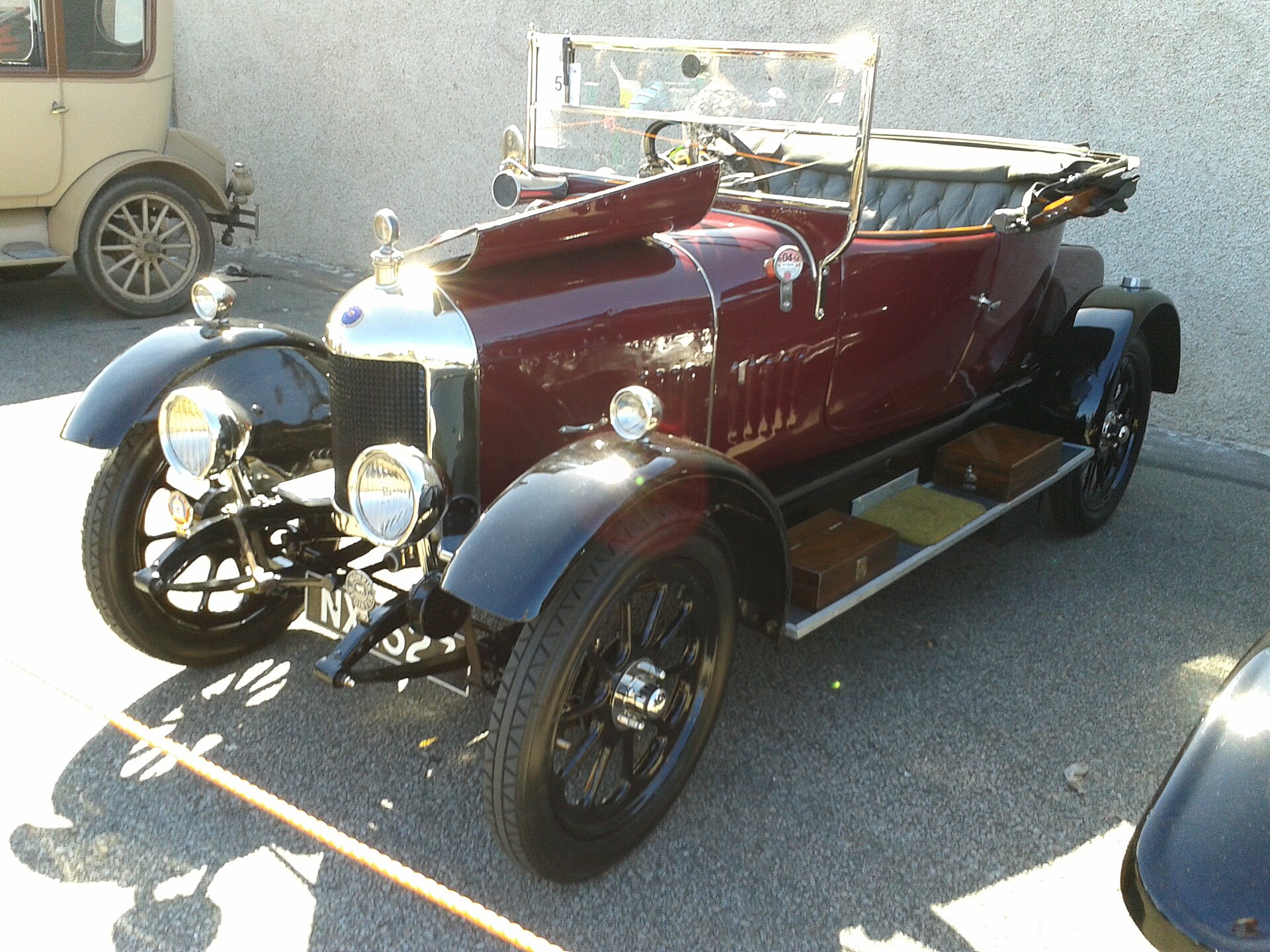
The Morris Oxford "Bullnose" is the first car built by William Morris, the founder of Morris Motors: a small two-seater announced in October 1912 and produced in Oxford from March 1913 until 1926. It got its popular name from its distinctive round-topped radiator, at first called the "bullet nose", and grew from a 1,018 cc light car into a family car with 1.5- and 1.8-litre engines. In fourteen years 154,244 were built, more than half of them in 1924–1926, and its chassis was the basis of the first MG.
In short
- Announced in The Autocar in October 1912; production from March 1913 to 1926.
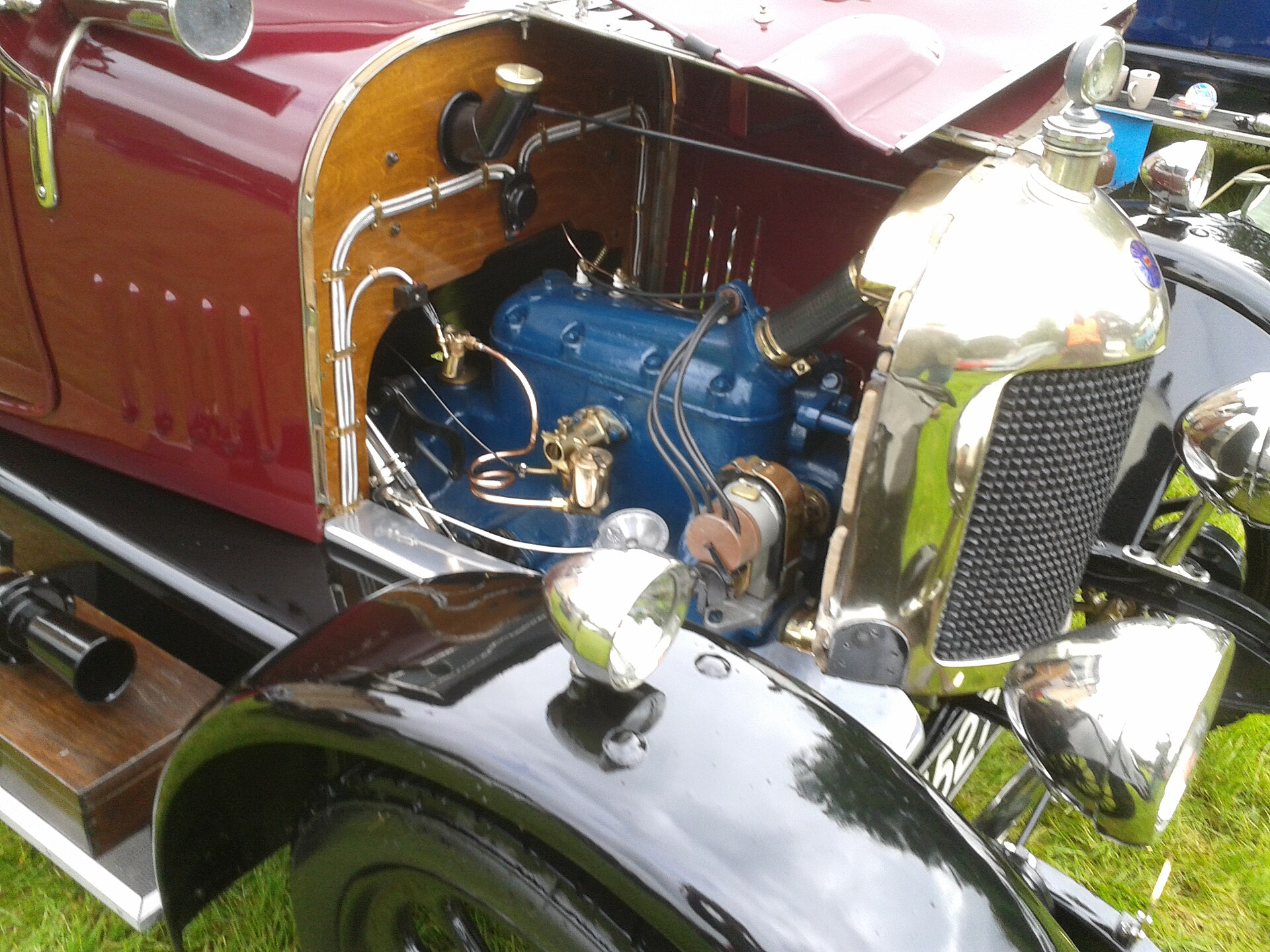
- 1913: 1,018 cc White & Poppe side-valve four with a fiscal rating of 9; from 1919 Hotchkiss-built 1,548 cc and, from 1923, 1,802 cc (14/28) engines.
- 154,244 cars by the production table in English Wikipedia; the peak was 54,151 in 1925.
- The 1925 Oxford chassis formed the basis of the first MG, the 14/28 Super Sports.
Specs by version
| Version | Engine | Gearbox | Production years |
|---|---|---|---|
| 1.0 White & Poppe (1018 cc) | 1.0 l · 4 cyl · Petrol 1,018 cc | 3-sp Manual | 1913 |
| 11.9 hp Hotchkiss (1548 cc) | 1.5 l · 4 cyl · Petrol 1,548 cc | 3-sp Manual | 1919–1926 |
| 14/28 (1802 cc) | 1.8 l · 4 cyl · Petrol 1,802 cc | 3-sp Manual | 1923–1926 |
Verified Manufacturer and type-approval data from our catalog · Sources and methodology
Morris Oxford Bullnose at a glance
| Parameter | Value |
|---|---|
| Maker | Morris Motors, Oxford, England |
| Production | March 1913 – 1926 |
| Built | 154,244 |
| Body styles | two-seater, four-seat tourer, coupé, cabriolet, saloon, landaulet, van |
| Engines | 1,018 cc White & Poppe (1913); 1,548 cc and 1,802 cc Hotchkiss-built side-valve fours (1919–1926) |
| Gearbox | three-speed manual |
| Rear axle | worm drive (1913); spiral bevel (from 1919) |
| Top speed | just under 50 mph (1914, The Times) |
Development and production history
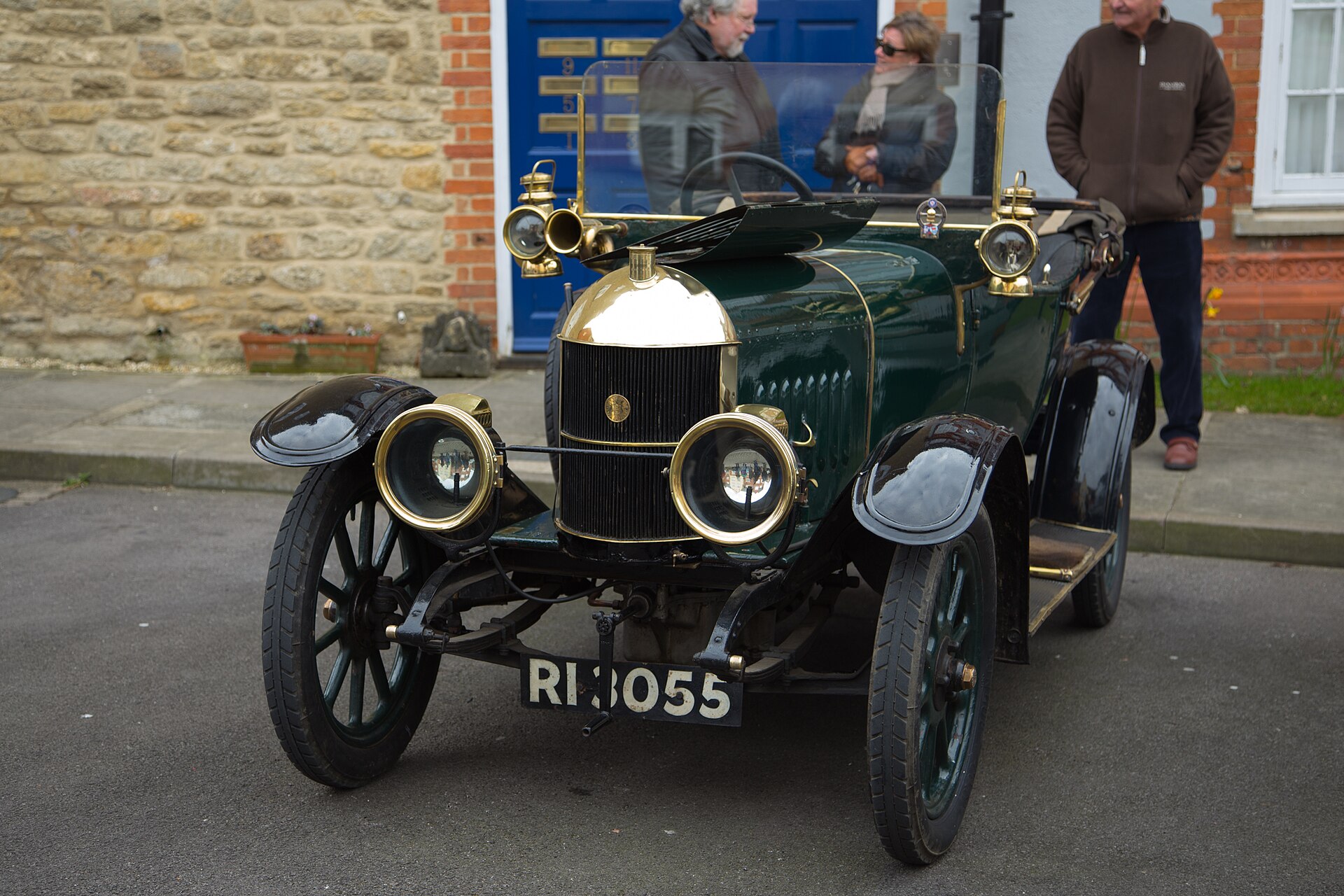
William R. Morris named the car after Oxford, the city where he grew up. It was announced in The Autocar in October 1912, and production began in March 1913. The first cars had a 1,018 cc four-cylinder side-valve engine from White & Poppe with a Bosch magneto, a three-speed gearbox from the same supplier and a worm-driven rear axle. Bodies were made by Raworth of Oxford.
In April 1915 Morris showed the press a larger, American-engined version, the Continental Cowley, with a 1,495 cc engine about 50% larger than the Oxford's, and longer, wider and better equipped. After the war the roles changed. From August 1919 the Cowley became a cheaper, simpler two-seater.
The 1919 Oxford took on the larger, stronger build of the Cowley, with a 1,548 cc engine built under licence in Coventry by a British branch of Hotchkiss and given a fiscal rating of 11.9. From January 1923 a 1,802 cc engine with a fiscal rating of 13.9 was optional, giving the 14/28, and it became standard in September 1924. Morris bought the Hotchkiss factory in May 1923 and renamed it Morris Engines.
Production grew slowly through the war years and then very fast. Morris built 393 cars in 1913, 1,932 in 1920 and 6,937 in 1922; in 1923 output jumped to 20,024, in 1924 to 32,939 and in 1925 to 54,151.
| Year | Built | Event |
|---|---|---|
| 1913 | 393 | Production starts in March |
| 1914 | 907 | - |
| 1915 | 320 | Continental Cowley shown in April |
| 1916–1918 | 697 / 126 / 198 | War years |
| 1919 | 360 | Hotchkiss-built 1,548 cc engine; new Oxford |
| 1920 | 1,932 | - |
| 1921 | 3,077 | - |
| 1922 | 6,937 | - |
| 1923 | 20,024 | 1,802 cc 14/28 engine optional; Hotchkiss plant bought |
| 1924 | 32,939 | 14/28 standard from September; front brakes shown at Olympia |
| 1925 | 54,151 | Peak year; first MG on the Oxford chassis |
| 1926 | 32,183 | Last Bullnose year |
Design and engineering
The first Oxford was a light car: the standard two-seater weighed 558 kg and the de luxe 635 kg. English Wikipedia gives wheelbases of 126 in and 132 in for these 1913 cars in its table, but other figures in the same article differ, so they are not used here. The post-war car was considerably heavier: an open four-seat tourer weighed 851 kg in 1921 and 1,067 kg in 1925.
From 1919 the Oxford used a two-plate cork-lined clutch, a three-speed gearbox with reverse and a three-quarter floating spiral-bevel rear axle. Bodies were now built by Carbodies of Coventry. Front-wheel brakes were shown as a £10 option (1924) at the October 1924 Olympia show.

Engines and drivetrain
| Engine | Years | Displacement | Rating | Notes |
|---|---|---|---|---|
| White & Poppe | 1913– | 1,018 cc | fiscal rating 9 | Bosch magneto, worm-drive axle |
| Hotchkiss 11.9 | 1919–1926 | 1,548 cc | fiscal rating 11.9 | built in Coventry, later Morris Engines |
| Hotchkiss 14/28 | 1923–1926 | 1,802 cc | fiscal rating 13.9 | optional from January 1923, standard from September 1924 |
These were fiscal (tax) ratings; brake power was quoted separately. For the 14/28, Morris claimed about 22 kW (30 bhp) at the October 1924 Olympia show, and 25 kW (34 bhp) was reported for the 1925 show car. The Times found that a 1914 car reached just under 50 mph (80 km/h) on level ground, and a 1921 car about 45 mph (72 km/h). Our power converter translates bhp into kW.

Morris Oxford Bullnose specifications
| Parameter | 1913 Oxford | 1919–1926 Oxford |
|---|---|---|
| Engine | 1,018 cc I4, side valves | 1,548 cc or 1,802 cc I4, side valves |
| Gearbox | 3-speed + reverse | 3-speed + reverse, two-plate cork clutch |
| Rear axle | worm drive | spiral bevel, three-quarter floating |
| Weight | 558 kg (standard), 635 kg (de luxe) | 851–1,067 kg (open four-seater, 1921–1925) |
| Bodies | Raworth, Oxford | Carbodies, Coventry |
| Top speed | just under 50 mph (80 km/h) | about 45 mph (72 km/h) in 1921 |
Bodies and the first MG
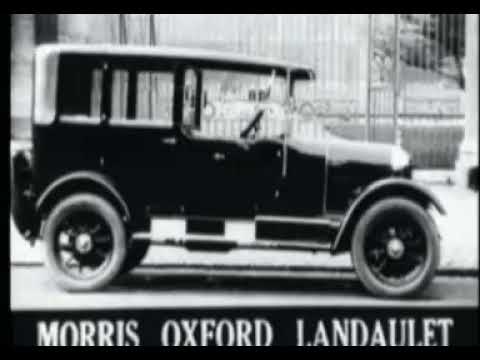
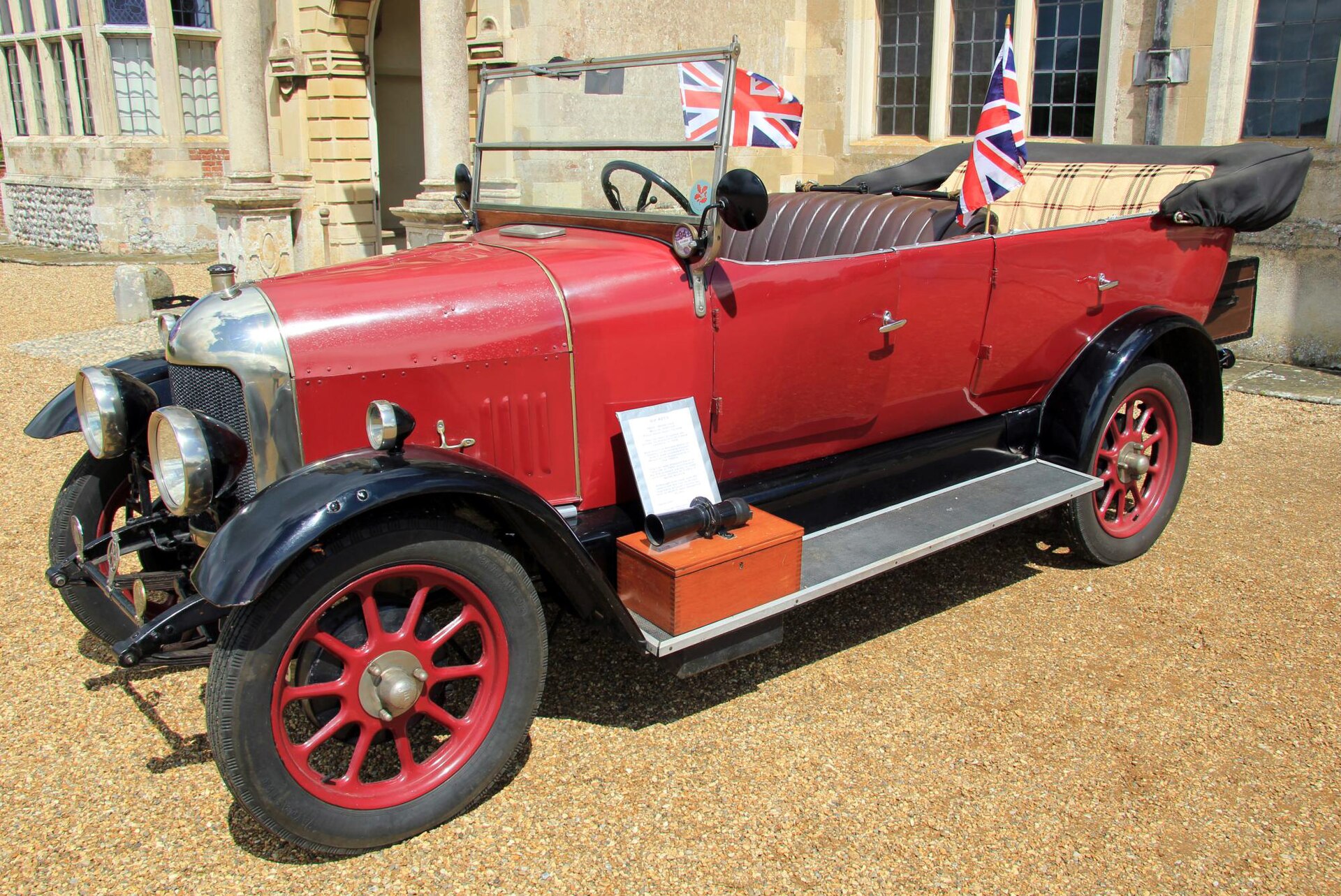
In 1913 the Oxford was offered as an open two-seater in standard and de luxe versions, as a coupé cabriolet, a limousine, a commercial van and a sporting model. The 1919–1926 range included an open two-seater, an open four-seat tourer, a coupé, a cabriolet (from 1923), a saloon (from 1924), a landaulet, a three-quarter coupé and, from 1926, a saloon landaulet.
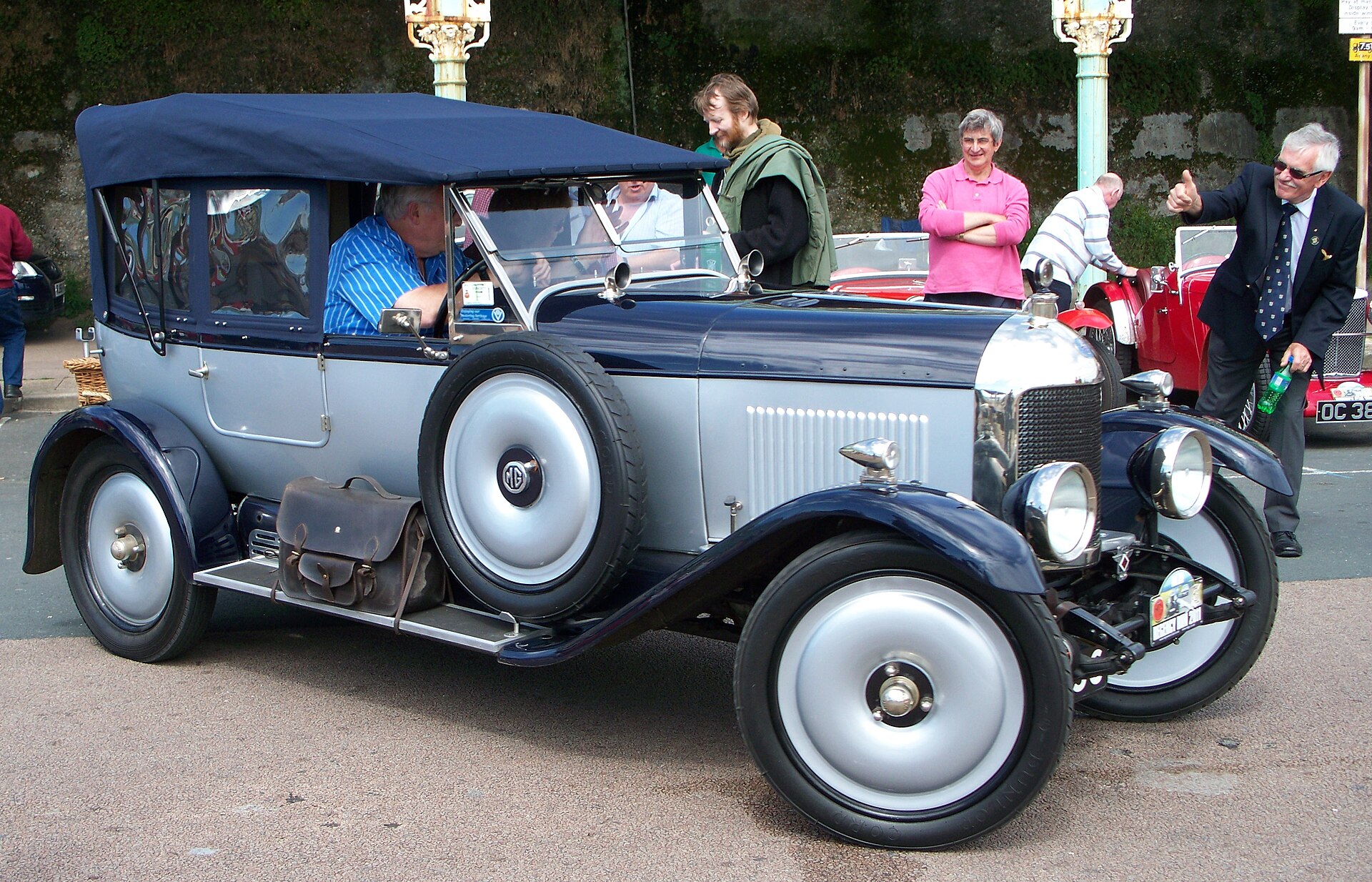
The most famous descendant of the Bullnose is a sports car. The 1925 Oxford chassis was the basis of the first MG, the 14/28 Super Sports. The MG story that followed is told in our history of MG cars.

Variants and derivatives
| Variant | Years | Body / purpose | Engine | Notes |
|---|---|---|---|---|
| Oxford (standard) | 1913– | open two-seater | 1,018 cc White & Poppe | 558 kg |
| Oxford de luxe | 1913– | open two-seater, better trim | 1,018 cc White & Poppe | 635 kg |
| Continental Cowley | 1915– | larger car | 1,495 cc American engine | shown to the press in April 1915 |
| Cowley (post-war) | from August 1919 | cheaper two-seater | - | no-frills version |
| Oxford 11.9 | 1919–1926 | two- and four-seaters, closed bodies | 1,548 cc | Carbodies bodies |
| Oxford 14/28 | 1923–1926 | as above | 1,802 cc | standard from September 1924 |
| MG 14/28 Super Sports | 1925 | sports car on the Oxford chassis | 1,802 cc | the first MG |
The split between Oxford and Cowley explains much of the Bullnose story. Before the war the Cowley was the bigger and better-equipped car. After August 1919 Morris reversed the roles and used the Cowley name for the cheaper model, while the Oxford became the larger car with more equipment. The same basic design thus served two price levels. The post-war range also added closed and convertible bodies step by step: a cabriolet from 1923, a saloon from 1924 and a saloon landaulet from 1926.

The Bullnose in numbers
The table shows that the Bullnose was above all a car of the mid-1920s. The three years 1924–1926 account for 119,273 cars, or about 77% of the total, and 1925 alone for 35%. Before the war Morris built only 1,620 cars in 1913–1915. At the same time the car became heavier: the open four-seater grew from 851 kg in 1921 to 1,067 kg in 1925, an increase of about 25%. The 1.8-litre engine increased displacement by about 16% over the 1.5-litre unit.
Photo gallery


Morris Oxford Bullnose in our rankings
- No. 273 of 912 · Longest-running car nameplates (13 years · top 32%)
- No. 426 of 557 · Biggest engines: cars (1,802 cc · top 77%)
- No. 43 of 49 · Biggest engines: convertibles and roadsters (1,802 cc · top 88%)
In production longer than 68% of ranked nameplates in the 1CARS catalog (No. 273 of 912).
Morris Oxford Bullnose photos 6
FAQ
When was the Morris Oxford Bullnose produced?
From March 1913 to 1926, in Oxford; it was announced in October 1912.
How many Morris Oxford Bullnoses were built?
154,244 according to the production table in English Wikipedia; the best year was 1925 with 54,151 cars.
What engine does the Bullnose Morris have?
A 1,018 cc White & Poppe side-valve four in 1913, then Hotchkiss-built 1,548 cc and 1,802 cc side-valve fours from 1919.
Why is it called the Bullnose?
Because of its distinctive round-topped radiator, at first called the "bullet nose".
What is the connection between the Morris Oxford and MG?
The 1925 Oxford chassis was the basis of the first MG, the 14/28 Super Sports.
Data sources
Data checked by an editor against the sources below.