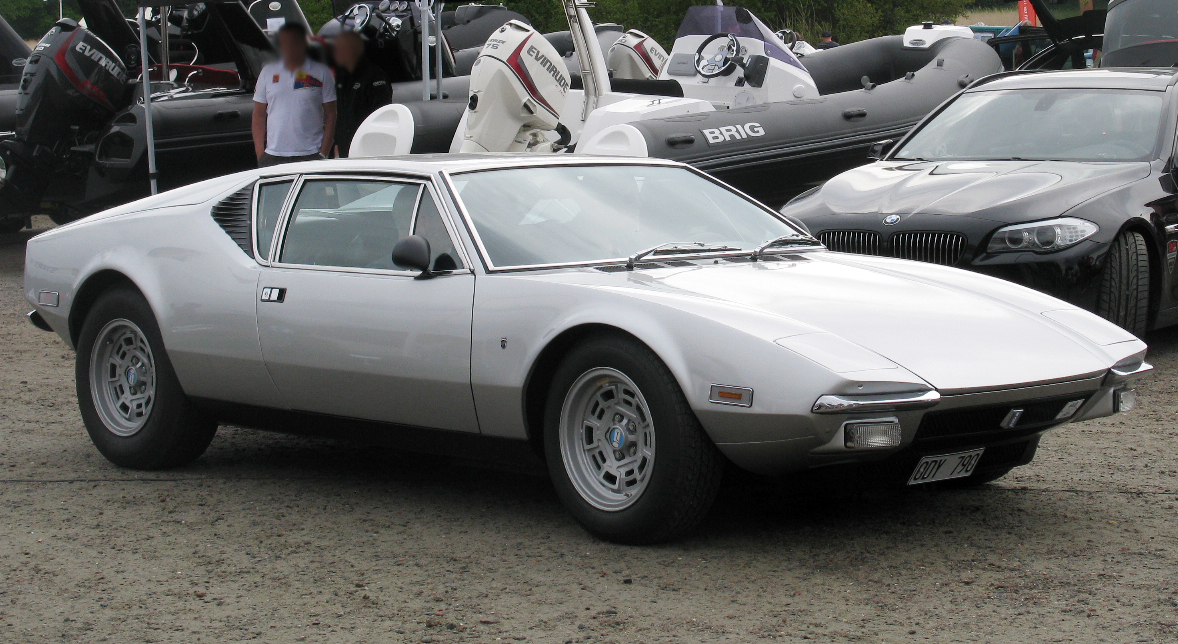
 De Tomaso Pantera
Specs, engines and history
Published Sources (1) Report an error
By Felix Hartmann, Automotive Technology & EV Contributor
- Built
- 1971–1992
- Top power
- 257 kW (349 PS)
Which Pantera to choose
Our verdict · Felix Hartmann
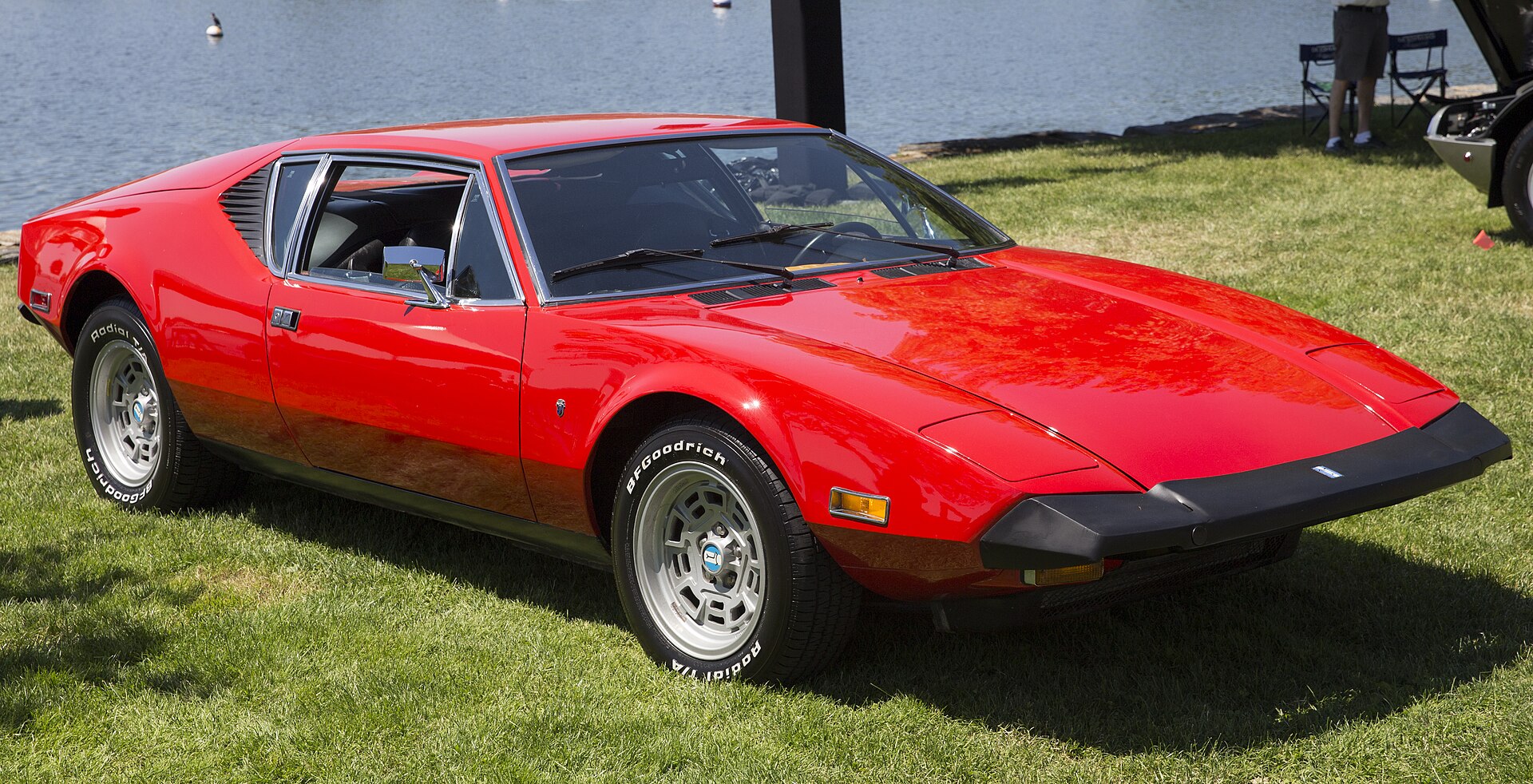
- For the original shape: a 1971–1972 car with the slim bumpers, but check rust and body solder closely.
- For the best-sorted early car: a Pantera L, which brought the fixes for the first cars' problems.
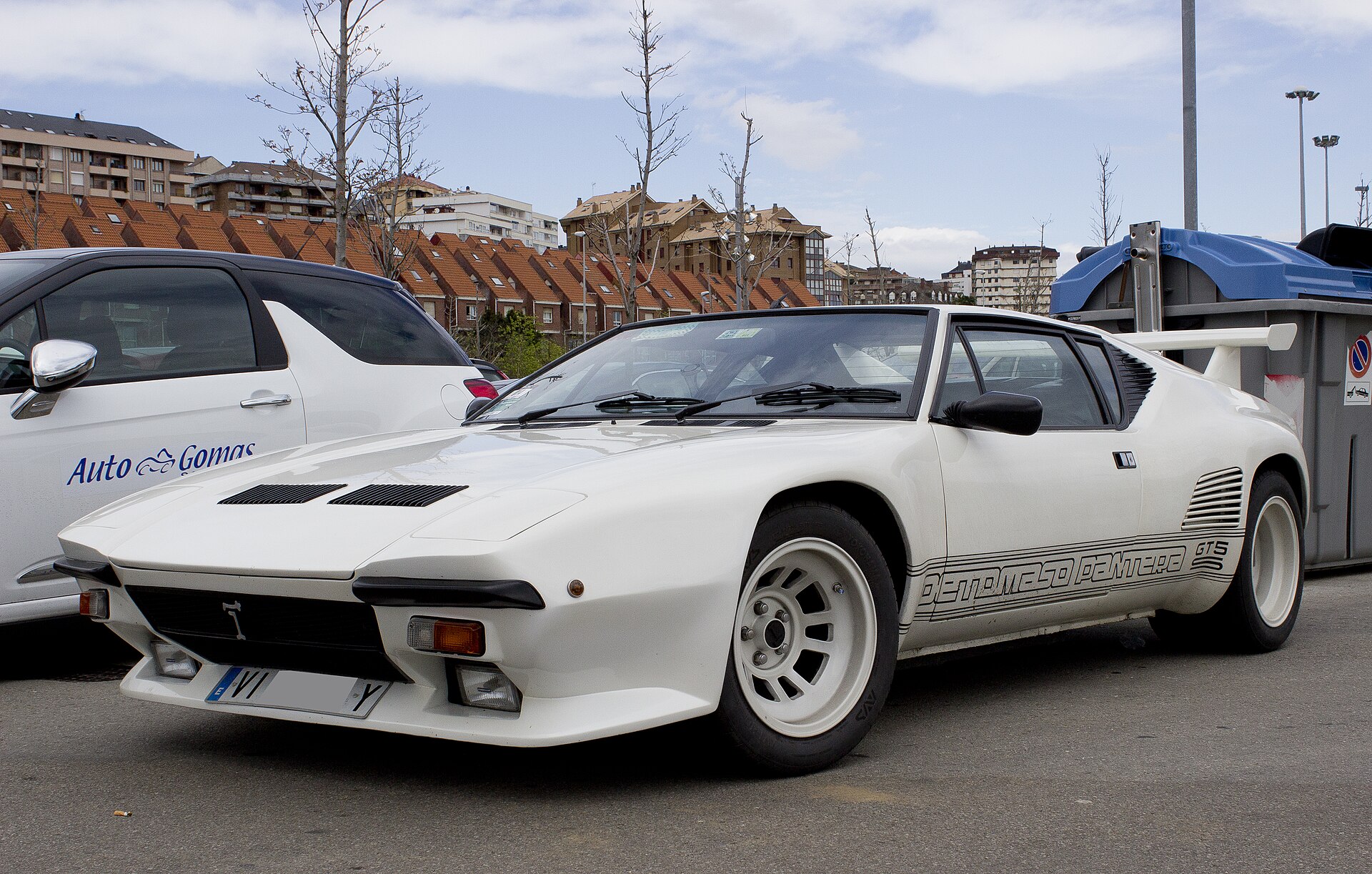
- For performance: a European GTS or a GT5-S with 257 kW (350 PS).
- For rarity: the Si; only 41 were built, four of them Targas.
More mid-engined and V8 cars of the decade are in the 1970s classics section, and Ford's own Le Mans story is told in the Ford GT40 history.
De Tomaso is the sports car maker that the Argentine Alejandro de Tomaso founded in Modena, Italy, in 1959. It began with sports prototypes and racing cars, built its first road car, the Vallelunga, in 1963, and followed it with the Ford V8-engined Mangusta in 1966. At its peak Alejandro de Tomaso also controlled the coachbuilder Ghia and owned Maserati and Innocenti from 1976 to 1993. He died in 2003, and the company went into voluntary liquidation in June 2004.
The Pantera is the car that made the name known. It is a mid-engined coupé with a Ford V8, styled by Tom Tjaarda at Ghia and sold in the United States through Lincoln-Mercury dealers. About 7,260 were built in Modena between 1971 and 1992, far more than any other De Tomaso.
Specs by version
Engines
| Version | Engine | Power | Gearbox | Drive | Production years |
|---|---|---|---|---|---|
| 5.8 V8 (351 Cleveland) | 8 cyl · Petrol | 243 kW 330 PS326 hp | 5-sp Manual | Rear-wheel drive | 1971 |
| GTS | 8 cyl · Petrol | 257 kW 349 PS345 hp | 5-sp Manual | Rear-wheel drive | - |
Dimensions and weight
Show all 1 versions
| Version | Kerb weight |
|---|---|
| 5.8 V8 (351 Cleveland) | 1,420 kg3,131 lb |
Verified Manufacturer and type-approval data from our catalog · Sources and methodology
In short
- Built from 1971 to 1992 (English Wikipedia's text says it was phased out in 1993); about 7,260 cars.
- Ford 351 Cleveland V8 of 5.8 litres behind the cabin, five-speed ZF manual gearbox.
- About 5,500 sold in the United States before Ford stopped importing it in 1975.
- First De Tomaso with a steel monocoque instead of the Mangusta's backbone chassis.
De Tomaso Pantera at a glance
| Parameter | Value |
|---|---|
| Maker | De Tomaso Automobili, Modena |
| Production | 1971–1992 |
| Built | about 7,260 |
| Designer | Tom Tjaarda (Ghia); 1990 Si updated by Marcello Gandini |
| Layout | mid-engine, rear-wheel drive, two-seat coupé (Targa for the Si) |
| Engines | Ford 351 Cleveland V8 5.8 l; 351 Windsor V8 5.8 l (1988–1990); Ford 302 V8 4.9 l (Si) |
| Power | 243 kW (330 PS) in 1971; 257 kW (350 PS) for the GTS and GT5-S |
| Gearbox | five-speed ZF manual |
| Wheelbase | 2,500 mm (2,515 mm in the spec table of the same source) |
| Length | 4,013 mm early; 4,270 mm late |
| Width | 1,702–1,811 mm, by version |
| Height | about 1,100 mm |
| Kerb weight | 1,420 kg early; 1,474 kg late |
| Successor | De Tomaso Guarà |
How the Pantera was born: Modena meets Ford
The Pantera was shown in Modena in March 1970 and at the New York show later that year. It replaced the Mangusta, whose backbone chassis gave way to a steel monocoque, the first in a De Tomaso. The deal behind it was with Ford. Ford took an 84 % stake in De Tomaso in 1971 and sold it back in 1974. In that time Ford handled US sales through its Lincoln-Mercury dealers, while De Tomaso kept the European rights.
The first production cars were sold about a year after the launch, at a rate of three a day. About 75 early cars went to Europe with bodies by Vignale, and 1,007 cars reached the United States in 1971. Lincoln-Mercury dealers sold more than three quarters of all Panteras between 1972 and 1975. Elvis Presley bought one in 1974 and sold it in 1976.
Design and construction
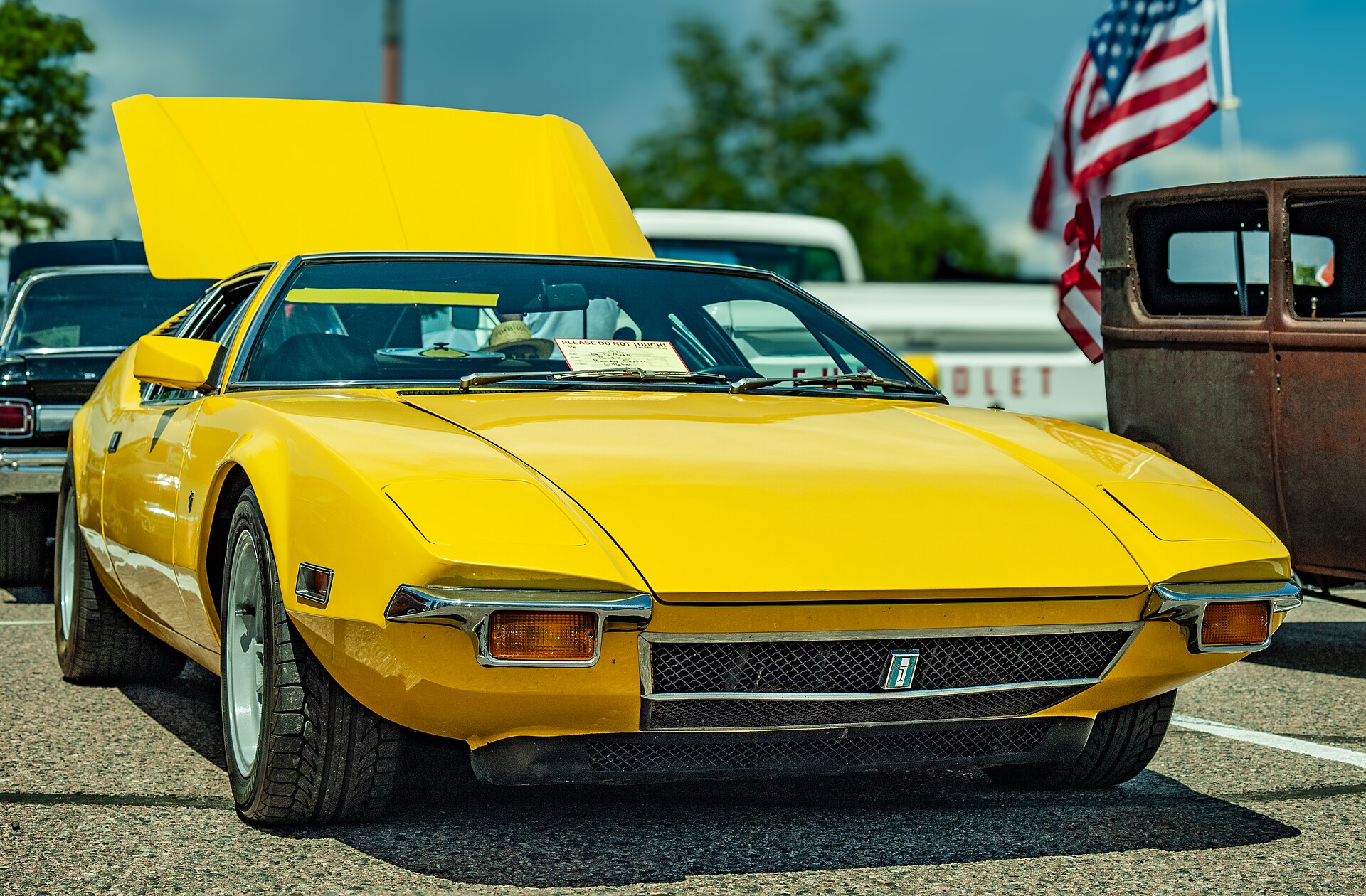
Tom Tjaarda drew a low, wedge-shaped two-seater at Ghia, a company that Alejandro de Tomaso controlled. The engine sits behind the cabin and drives the rear wheels through the ZF transaxle.
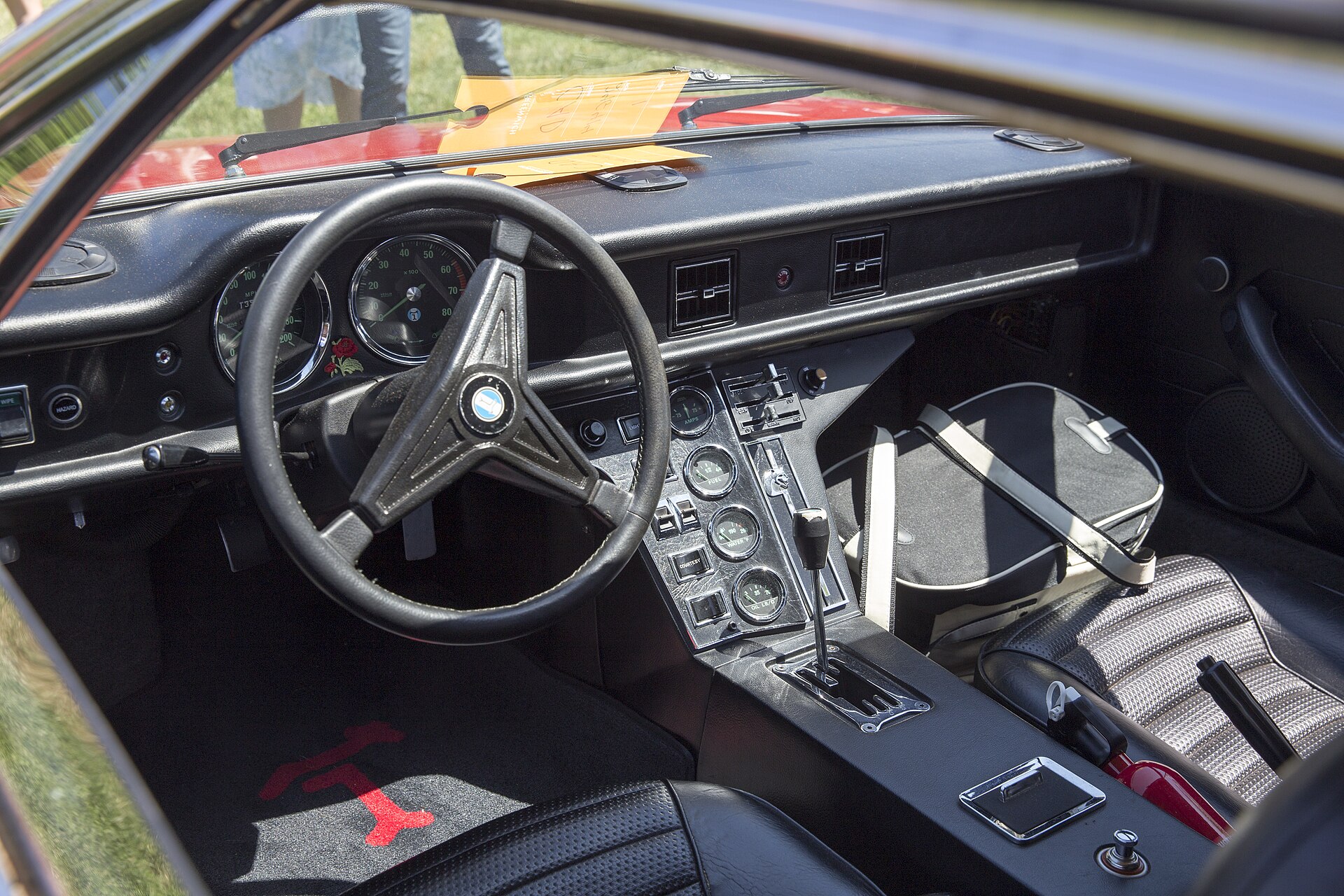
The first cars were not well made. English Wikipedia lists poor fit and finish, minimal rustproofing and body solder used to hide panel flaws. The 1973 cars received a new dashboard, with a single instrument unit instead of two pods. Body suppliers changed several times: production of the remaining Vignale bodies, about 175, ended when Vignale went bankrupt. Maggiora built bodies from mid-1976, and its poor work led De Tomaso to move to Embo, which built the last 504 cars from 1979. Chassis numbering restarted at 9000 around 1980.

Engine and performance
Every Pantera has a Ford V8. The spec table of English Wikipedia gives the original 5.8-litre 351 Cleveland 243 kW (330 PS) at 5,400 rpm and 466 Nm (344 lb-ft). Its text gives 246 kW (335 PS). For the 1972 US cars the compression ratio was lowered from 11:1 to 8.6:1, and a Cobra Jet-style camshaft was fitted. The US Pantera L of 1972½ was rated at 197 kW (264 hp) net.
| Version | Engine | Power | Notes |
|---|---|---|---|
| 1971 Pantera | 351 Cleveland 5.8 l | 243 kW (330 PS) | 0–60 mph in 5.5 s (Car and Driver) |
| 1972½ Pantera L (US) | 351 Cleveland 5.8 l, 8.6:1 | 197 kW (264 hp) net | top speed 159 mph (256 km/h) |
| 1972 GTS (Europe) | 351 Cleveland 5.8 l, 11.0:1 | 257 kW (350 PS) DIN at 6,000 rpm | wider wheels, vented brakes |
| Late Cleveland (to 1982 engines) | Australian-built, Swiss-tuned | up to 265 kW (360 PS) | - |
| 1988 GT5-S | 5.8 l V8, 9.5:1 | 257 kW (350 PS) at 6,000 rpm, 451 Nm | top speed 174 mph (280 km/h) |
| 1990 Pantera Si | Ford 302 4.9 l, fuel injection | - | Brembo brakes shared with the Ferrari F40 |
Later Cleveland engines were built in Australia until 1982 and tuned in Switzerland. The 351 Windsor followed from 1988 to 1990. With 243 kW and 1,420 kg, the early car has about 171 kW per tonne; the power-to-weight calculator puts that against modern sports cars.

Pantera L, GTS, GT5, GT5-S and Si
- Pantera L (1972½): the "Lusso" model, with a large single front bumper and fixes for early problems.
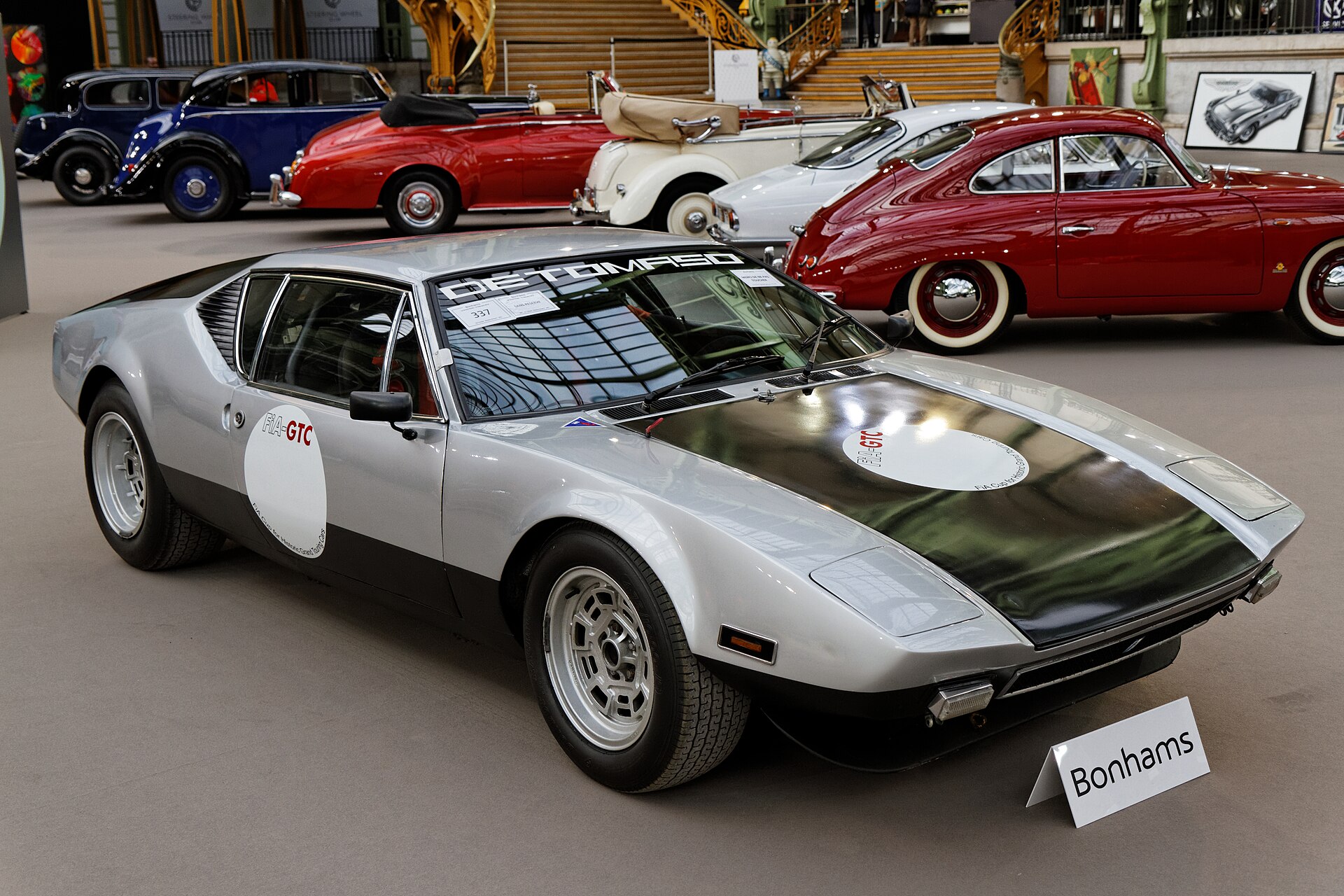
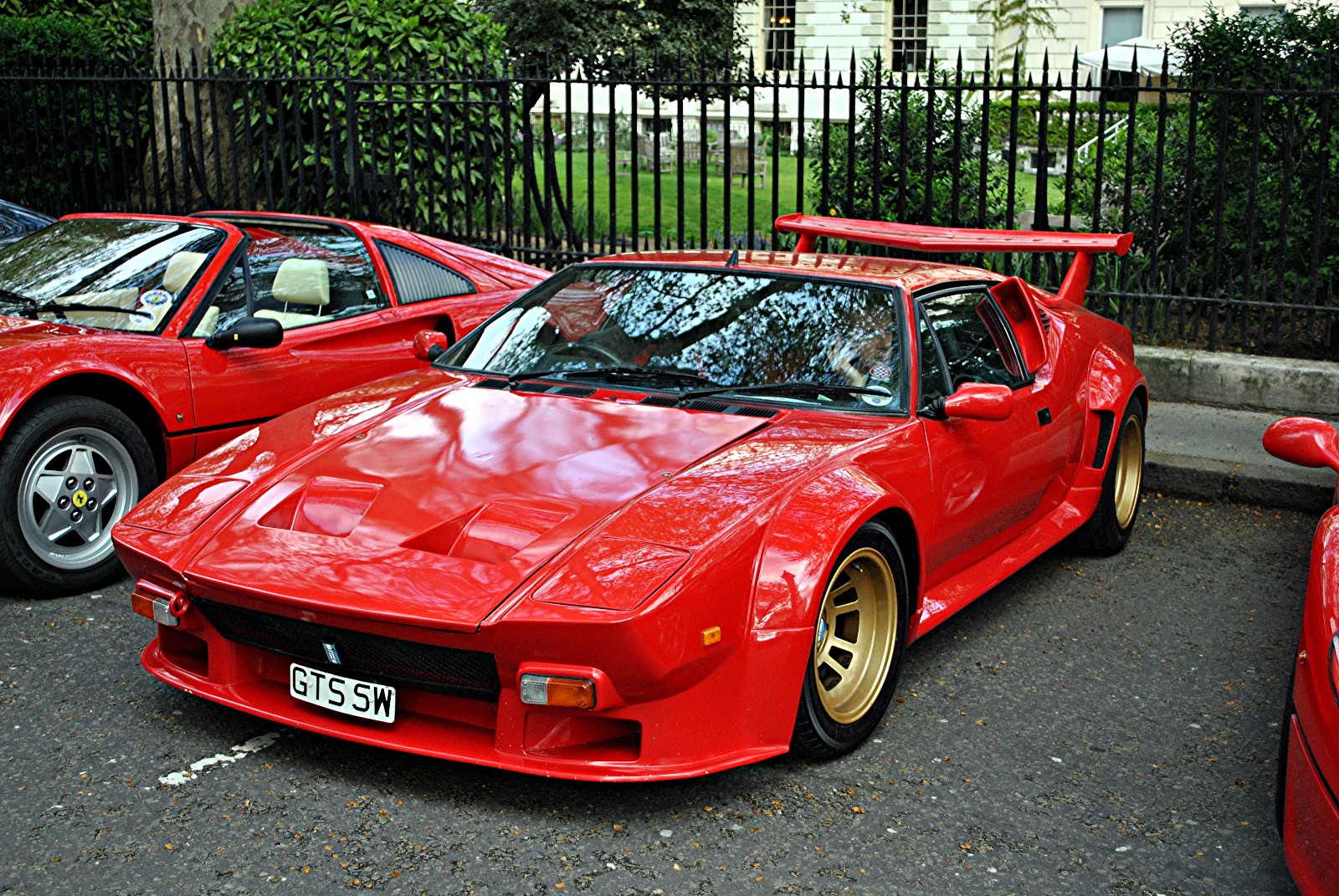
- GTS (1972): the European sporting model with more power, wider wheels and ventilated brakes. A US GTS followed in 1974; about 40 were sold in California.
- GT5 (1980): bonded and riveted glass-fibre wheel arches. Fewer than 197 were built, according to an analysis by the Pantera Owners Club of America (POCA).
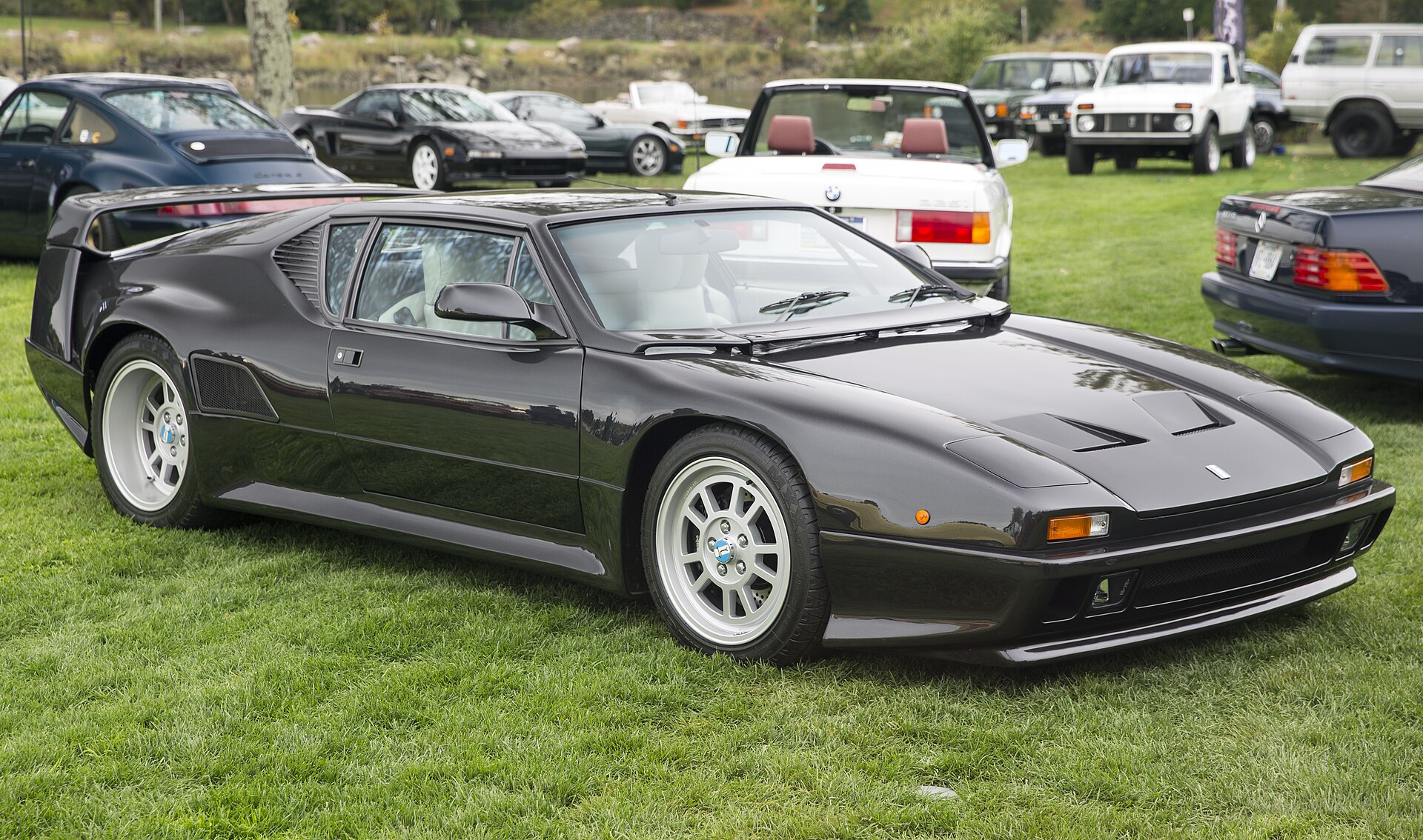
- GT5-S (1984–1985): flared steel wings instead of add-on arches; fewer than 183 built.
- Pantera 90 Si (1990): a redesign by Marcello Gandini, the Ford 302 engine with electronic fuel injection and F40 brakes. Only 41 were made: 38 were sold to the public and four were converted into Targas by Pavesi. In the UK it was sold as the Pantera 90.

Racing: Group 3, Group 4 and Group 5
De Tomaso built about 30 Group 3 cars for private teams between 1972 and 1984, with 247 kW (336 PS); they reportedly reached about 174 mph (280 km/h). The 14 Group 4 cars had a claimed 373 kW (507 PS). Their real output was 328 kW (446 PS) at 7,000 rpm, or 351 kW (477 PS) with Weber carburettors. The racing weight was about 1,100 kg at first, rising to 1,250 kg. English Wikipedia names the weak points: brakes on the hand-built Group 3 cars, and unreliable engines, a rigid chassis and extra weight on the Group 4 cars. Between 1976 and 1981 some Group 3 and 4 cars were converted to Group 5.

Ford leaves, Modena carries on
Ford stopped importing the Pantera in 1975 after selling about 5,500 cars in the United States. Production carried on for almost two more decades for other markets, in small numbers and with the GT5 and GT5-S bodies of the 1980s. In the same years Alejandro de Tomaso ran Maserati, and cars such as the Maserati Kyalami came from that period. The Si of 1990 was the last update, and the Guarà replaced the Pantera.
The story of the brand after the founder is short. After the 2004 liquidation, Gian Mario Rossignolo bought the trademark in 2009, but his company failed in 2012. The Hong Kong-based Ideal Team Ventures then bought the brand; a bankruptcy court approved the sale in April 2015 for €1,050,000. In 2019 the new company showed the P72, a retro-styled sports car, at the Goodwood Festival of Speed.

Photo gallery


De Tomaso Pantera in our rankings
- No. 147 of 912 · Longest-running car nameplates (21 years · top 18%)
- No. 75 of 301 · Power-to-weight: cars (171 kW/t · top 25%)
- No. 24 of 88 · Most powerful cars of the 1970s (257 kW · top 29%)
- No. 30 of 79 · Lightest coupes (1,420 kg · top 38%)
- No. 349 of 859 · Most powerful cars (257 kW · top 42%)
- No. 129 of 304 · Lightest cars (1,420 kg · top 43%)
In production longer than 82% of ranked nameplates in the 1CARS catalog (No. 147 of 912).
De Tomaso Pantera photos 6
FAQ
How many De Tomaso Panteras were built?
About 7,260 between 1971 and 1992, about 5,500 of them sold in the United States by 1975.
What engine is in a De Tomaso Pantera?
A Ford V8: the 5.8-litre 351 Cleveland on most cars, the 351 Windsor from 1988 to 1990 and the 4.9-litre 302 with fuel injection in the 1990 Si.
Who designed the De Tomaso Pantera?
Tom Tjaarda at Ghia; Marcello Gandini redesigned the car as the Pantera Si in 1990.
How fast is a De Tomaso Pantera?
Car and Driver timed the 1971 car at 5.5 seconds from 0 to 60 mph. English Wikipedia gives top speeds of 159 mph (256 km/h) for the 1971 L and 174 mph (280 km/h) for the 1988 GT5-S.
Why did Ford stop selling the Pantera?
Ford ended imports in 1975. English Wikipedia describes poor quality on early cars, and Ford sold its stake in De Tomaso back in 1974.
Data sources
Data checked by an editor against the sources below.