GAP Insurance: What It Covers and Is It Worth It?
GAP (guaranteed asset protection) insurance covers the shortfall after a total loss. Your car insurer pays only the car's market value on the day; GAP pays the difference up to what you still owe on finance, or up to the price you paid. It is worth considering on a new or nearly new car bought with a small deposit, a long loan or a PCP balloon, where the debt can exceed the car's value for two or three years. It is rarely worth it on an older car or after a large deposit. Do not accept it by default at the dealer: UK regulator data for 2022 showed only 6% of GAP premiums paid out in claims.
Key takeaways
- After a write-off or theft, motor insurers pay market value. The AA, quoted by NerdWallet, says new cars can lose about 40% of their value in a year and about 60% in three years.
- Finance GAP clears what you owe; return-to-invoice GAP tops the payout up to what you paid; vehicle replacement GAP pays for an equivalent new car.
- In our 2026 worked example, a PCP buyer faces a shortfall of about €5,700 after one year. An HP buyer with a 10% deposit is clear by year two.
- The UK Financial Conduct Authority found firms paying up to 70% of GAP premiums in commission; buying from an independent provider is usually cheaper than at the dealer.
How GAP insurance works
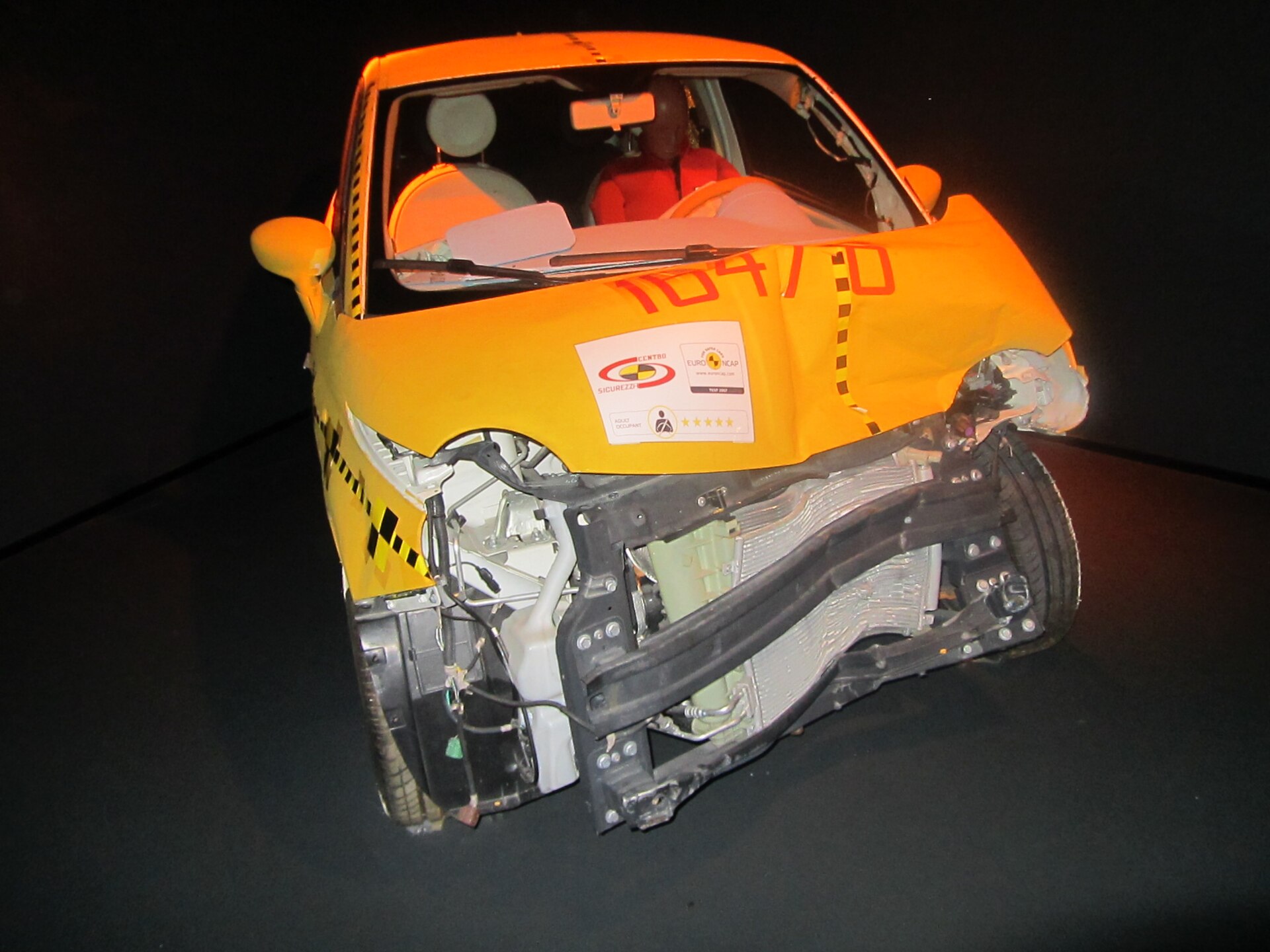
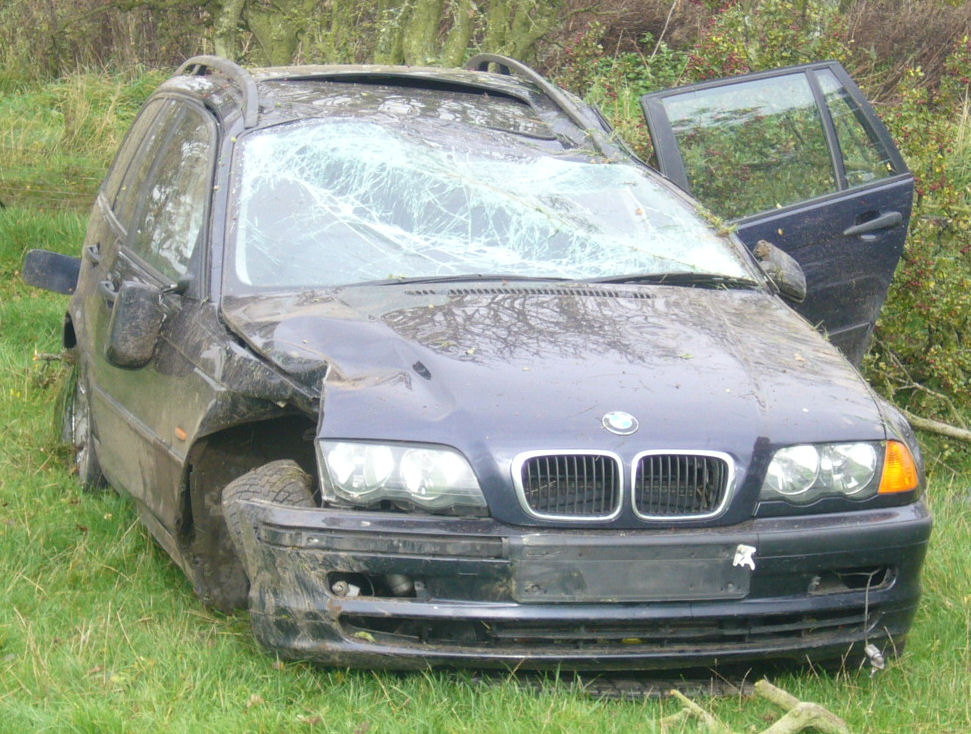
A car is written off, or stolen and not recovered. Your comprehensive insurer pays its market value minus your excess. If that is less than the outstanding finance, you still owe the lender the difference, for a car you no longer have. GAP insurance closes that gap.
The risk is highest early in the agreement. Depreciation is steepest in the first year, while a loan or PCP balance falls slowly at the start because the first payments are mostly interest. Autotrader puts first-year losses on new cars at 15% to 35%, and up to 60% within three years; the AA's figure is about 40% in the first year. The real loss depends on the model, so use these figures as a range, not a forecast.
Types of GAP cover
| Type | What it pays | Best for |
|---|---|---|
| Finance GAP | The difference between the insurer's payout and the amount needed to settle the finance | Loans, HP and PCP with a small deposit |
| Return-to-invoice | The difference between the payout and the original purchase price | Buyers who want their full purchase price back |
| Vehicle replacement (new car GAP) | Enough to buy an equivalent new car | New car buyers who want a like-for-like replacement |
| Return-to-value | The difference between the payout and the car's value when the policy started | Buyers taking cover after purchase, or on a used car |
| Lease or contract hire GAP | The difference between the payout and what you owe the leasing company | Leasing, where a total loss ends the contract |
NerdWallet notes that return-to-invoice and vehicle replacement cover must usually be bought within a set number of days of getting the car. Return-to-value is the option left if you buy later.
Worked example: when does a gap appear?
Take a €30,000 new car in a 2026 example and an illustrative 7.5% interest rate. The car loses about 40% in year one, 50% after two years (as in NerdWallet's example) and 60% after three, in line with the AA figures above. Balances are calculated with the same annuity formula as our car loan calculator.
| End of year (2026 example) | Car value | HP, 48 months, €3,000 deposit | PCP, €3,000 deposit, €12,000 balloon | Loan, 60 months, no deposit |
|---|---|---|---|---|
| 1 | €18,000 | owes €20,987: gap €2,987 | owes €23,660: gap €5,660 | owes €24,862: gap €6,862 |
| 2 | €15,000 | owes €14,507: no gap | owes €20,060: gap €5,060 | owes €19,325: gap €4,325 |
| 3 | €12,000 | owes €7,525: no gap | owes €16,180: gap €4,180 | owes €13,359: gap €1,359 |
Three things stand out in this 2026 example:
- PCP carries the longest gap. The deferred balloon keeps the balance high for the whole term. NerdWallet points out that after a PCP write-off you still owe the balloon and the remaining payments, because you cannot hand the car back.
- A deposit shortens the risk. The HP buyer who put down 10% is clear by the end of year two.
- Return-to-invoice is a different product. In year one of the 2026 example it would pay the full €12,000 difference between €30,000 and €18,000, before the excess. It pays whether you owe money or not.
Take your excess into account too: some GAP policies cover it, many do not.
Is GAP insurance worth it?
Usually worth considering when:
- the car is new or nearly new and loses value quickly;
- you put down a small deposit, chose a long term or a high rate, or have a large balloon;
- you lease, because a total loss still leaves payments due;
- you could not pay a shortfall of several thousand euros from savings.
Usually not needed when:
- the car is older, so depreciation has slowed and the gap is small;
- your deposit was large and you owe less than the car is worth;
- the term is short;
- your comprehensive policy already replaces a new car if it is written off in the first 12 months or so. NerdWallet notes that this cover usually lasts about a year, so check the exclusions.
To check your own deal, enter the price, deposit, term and rate in the car loan calculator. Then compare the balance after each year with a cautious estimate of the car's value.
What the regulator found about GAP value
The UK Financial Conduct Authority (FCA) has published detailed data on GAP insurance:
| Date | What happened |
|---|---|
| 1 September 2015 | Same-day sales of GAP alongside a car banned: a deferral period must separate the offer from the sale |
| 2014 market study | About 10% of premiums paid out in claims on average between 2008 and 2012 |
| 2022 data | Only 6% of premiums paid out in claims; some firms paid up to 70% in commission; over 2.4 million policies in force |
| 9 February 2024 | Insurers covering 80% of the market agreed to pause GAP sales |
| 24 May 2024 | Four insurers allowed to resume, with "materially lower" commission |
The lesson applies anywhere: much of what you pay for dealer-sold GAP can be commission rather than cover. The FCA's 2015 research also found that almost half of GAP customers did not know they could buy it elsewhere.
How to buy GAP insurance well
- Agree the car price and finance first. Discuss add-ons only afterwards, so their cost cannot be hidden in the deal.
- Ask what you already have. Your finance contract or car insurance may include similar cover. If a lease or comprehensive policy offers it under another name, read exactly what it pays.
- Get two or three quotes from independent providers and compare them with the dealer's price.
- Check the limits: the maximum claim, whether your excess is covered, and age and mileage limits for used cars. Autotrader notes that many policies exclude repairs, partial losses and negative equity carried over from a previous car.
- Pay it separately. A GAP premium financed inside a loan collects interest for the whole term.
- Keep the cancellation terms. A cooling-off period lets you cancel; check how refunds work if you settle the finance early.
The cheapest gap is the one you never create. A bigger deposit, a shorter term or a less expensive car all shrink it. Our list of the best small city cars is a good place to look for affordable new cars, and technical car terms are explained in the glossary.
Try our calculator
Car loan calculatorCost of ownership calculatorFAQ
What does GAP insurance cover?
It covers the shortfall after a total loss. Depending on the type, it pays the difference between your insurer's payout and the finance still owed, the original price or the cost of an equivalent new car. It does not pay for repairs, and it does nothing unless the car is written off or stolen and not recovered.
Do I need GAP insurance on PCP?
It is worth considering, because PCP keeps the balance highest for longest. In our 2026 worked example, the PCP buyer would still have a gap of about €4,200 after three years. If you have a large deposit or can cover a shortfall from savings, you may not need it.
Is GAP insurance worth it on a used car?
Less often. Depreciation slows as a car ages, so the gap between value and debt is usually smaller, and most providers set age and mileage limits. It can still make sense for a nearly new used car bought with little deposit over a long term.
Can I buy GAP insurance after buying the car?
Often, yes, but the choice is narrower. Return-to-invoice and vehicle replacement cover usually have to be bought within a set number of days of getting the car; return-to-value cover can be bought later. Some insurers also let you buy a policy now and set its start date later.
Is GAP insurance cheaper from the dealer?
Usually not. The FCA found that some firms paid up to 70% of the premium as commission to the parties selling GAP, and in 2024 it pushed insurers to cut those payments. Compare the dealer's quote with standalone providers before you sign.
Sources
- Financial Conduct Authority: GAP insurers agree to suspend sales following FCA concerns over fair value (9 February 2024) (accessed 22 Oct 2026)
- Financial Conduct Authority: Firms to recommence GAP insurance sales following FCA action (24 May 2024) (accessed 22 Oct 2026)
- Pinsent Masons Out-Law: Ban on same-day sale of add-on motor insurance (FCA rules from 1 September 2015) (accessed 22 Oct 2026)
- NerdWallet UK: Is GAP insurance worth it? (accessed 22 Oct 2026)
- Autotrader: What is GAP insurance and do I need it when buying a car? (accessed 22 Oct 2026)
- Grant Thornton UK: What do GAP insurance suspensions mean for the industry? (20 February 2024) (accessed 22 Oct 2026)
Found a mistake? Report an error