Check Engine Light On? What It Means and What to Do Next
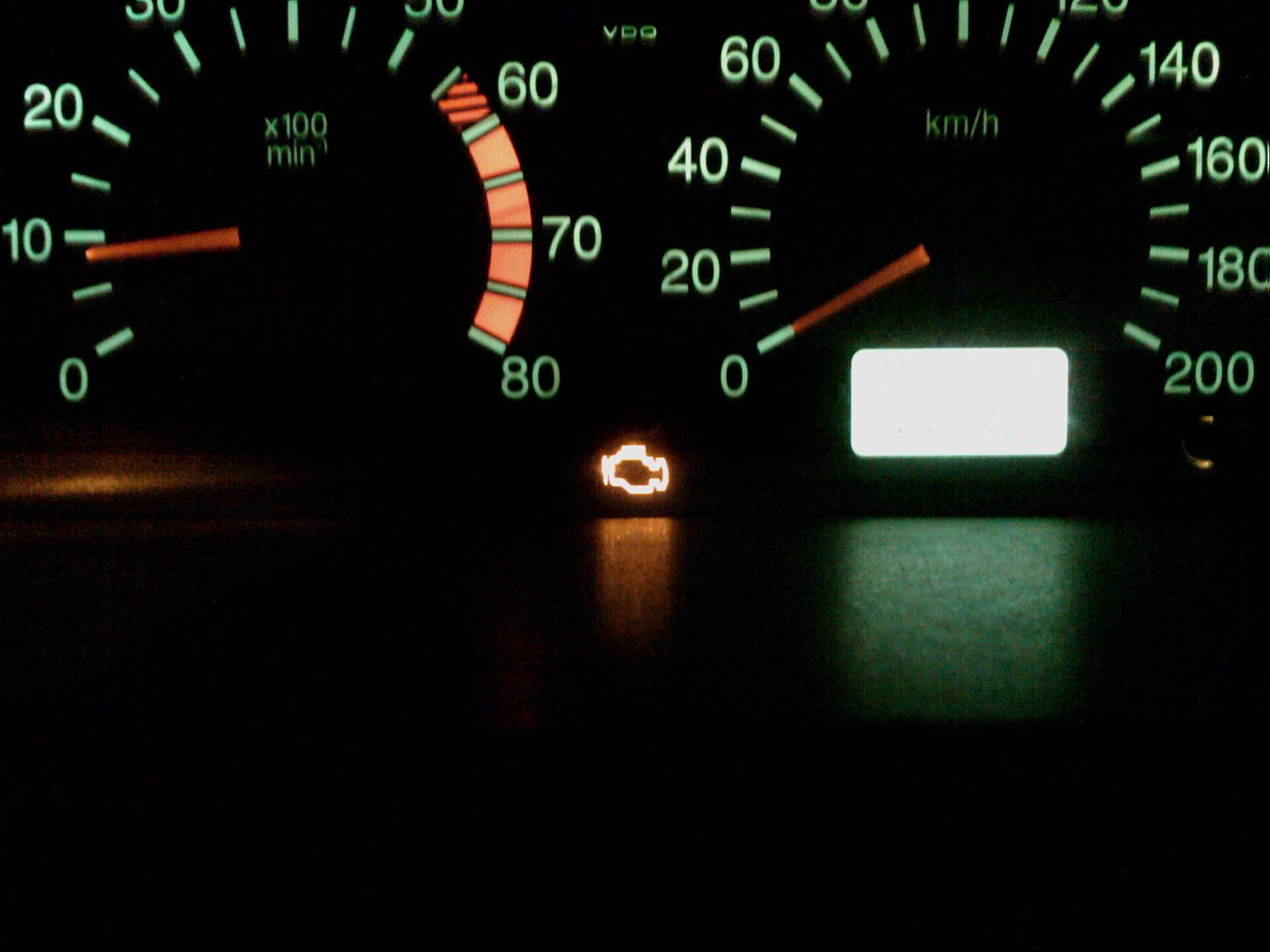
A steady amber check engine light means the engine management system has found a fault, usually one that affects exhaust emissions. Have the car checked soon; you can normally drive on gently to a workshop. A flashing light means a serious fault, typically misfiring severe enough to damage the catalytic converter: reduce speed, avoid hard acceleration and get the car to a workshop as soon as possible. The light itself does not tell you what is wrong. The cause is stored as a fault code that any workshop, and many owners with a cheap reader, can read through the car's diagnostic socket.
Key takeaways
- The light comes on briefly when you switch on the ignition. That is a bulb check, not a fault.
- Steady light: book a diagnostic check soon. Flashing light: drive as little and as gently as possible to the nearest workshop.
- Petrol cars first registered in the EU from 2001 and diesel cars from 2004 have standard EOBD diagnostics with a 16-pin socket near the steering wheel.
- A lit engine warning light can mean a failed roadworthiness test: it is a major defect in the UK MOT and a reason for failure at the German HU.
What the check engine light monitors
The check engine light, also called the engine management light or malfunction indicator lamp (MIL), is controlled by the engine control unit. The unit compares readings from sensors such as the lambda (oxygen) sensor and the air mass meter with the values it expects. When a value stays outside the permitted range, or a leak appears in the intake or exhaust, it stores a fault code and switches on the amber engine symbol. ADAC notes that several components can be affected at the same time.
The light is mainly an emissions warning, and on most cars it is amber. Red warning lights are a different matter: ADAC's advice for the red brake warning, for example, is to stop and follow the owner's manual. Our guide to the on-board computer explains the other displays and messages.
Steady, flashing or not lighting at all
| What you see | What it means | What to do |
|---|---|---|
| Lights for a few seconds at ignition, then goes out | Normal self-test | Nothing |
| Does not light at all at ignition | The lamp or its circuit is faulty | Have it repaired; it is also a test failure |
| Steady light while driving | Fault detected, usually emissions-related | Book a workshop visit soon and follow the owner's manual |
| Flashing light | Serious fault, often misfiring | Slow down, avoid full throttle, drive to the nearest workshop as soon as possible |
ADAC's advice from February 2026 is clear on two points. The message must not be ignored, and while a tow is usually not needed, the car should be moved carefully and as little as possible until a workshop has read the fault memory.
Common causes
The engine light can be triggered by something trivial or by a fault that will become expensive if left. Typical causes include:
- A loose or damaged fuel filler cap, which lets fuel vapour escape. A classic minor cause.
- Lambda (oxygen) sensors that have aged or failed.
- Air mass meter faults, often caused by dirt or a leak in the intake.
- Leaks in the intake or exhaust system, including cracked hoses.
- Worn spark plugs or ignition coils, which cause misfires and a flashing light.
- A catalytic converter that no longer works. A second oxygen sensor behind the converter lets the engine computer detect this.
Because one fault can trigger others, clearing the code without finding the cause often brings the light back within days.
How fault codes work
Since the start of the 2000s, cars sold in the EU have had standardised European on-board diagnostics (EOBD), which uses the same connector and protocols as the American OBD-II system.
| Vehicle | EOBD compulsory for new registrations from |
|---|---|
| Petrol cars (M1) | 1 January 2001 (new models from 2000) |
| Diesel cars (M1) | 1 January 2004 (new models from 2003) |
| Heavier passenger cars over 2,500 kg and light vans | 2002 (petrol) and 2007 (diesel) |
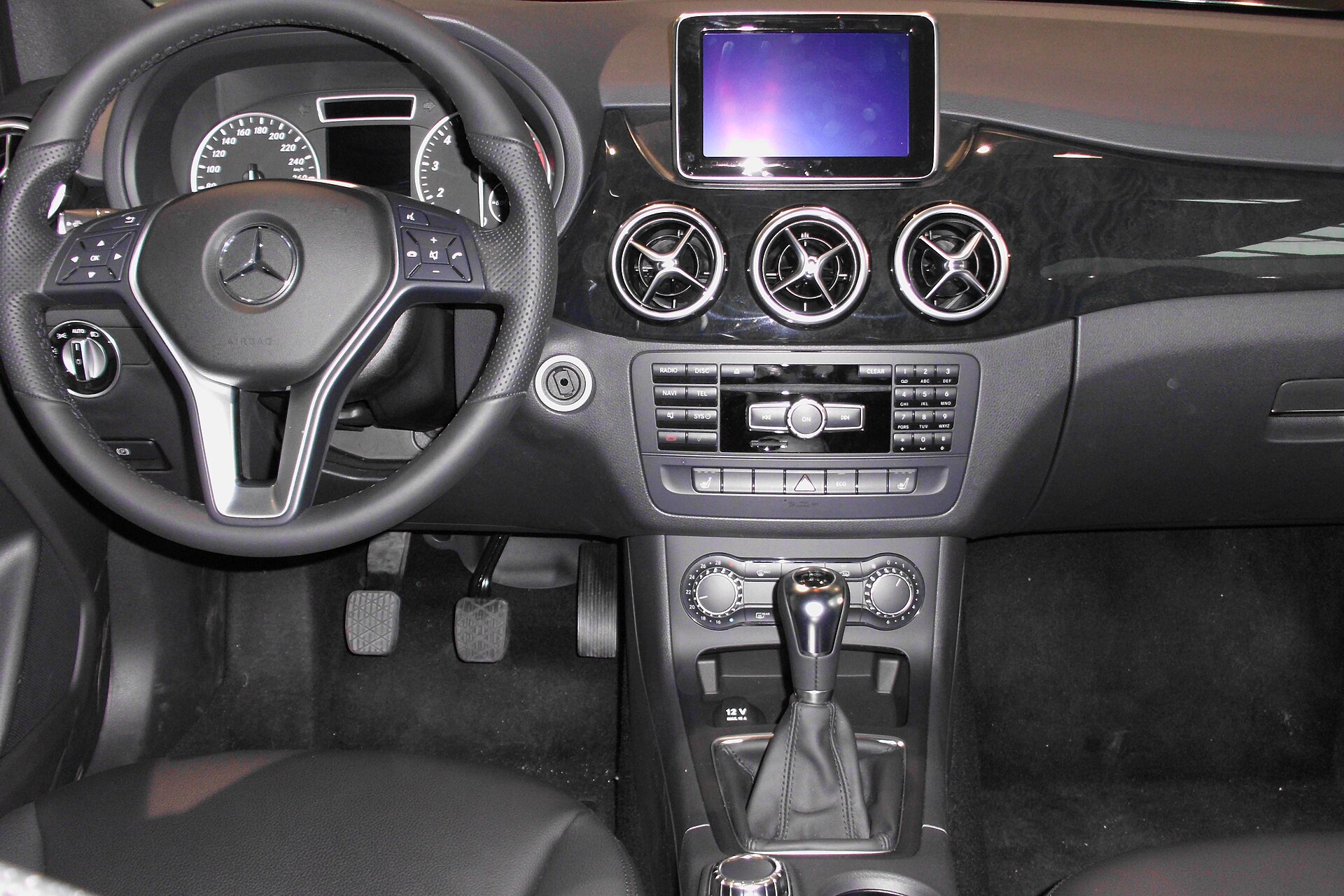
The 16-pin diagnostic socket must be within about 0.61 m of the steering wheel, usually under the dashboard. Each fault code has five characters:
| Position | Meaning | Example: P0301 |
|---|---|---|
| 1st letter | System: P powertrain, B body, C chassis, U network | P = powertrain |
| 2nd | 0 = generic code, 1 = manufacturer-specific | 0 = generic |
| 3rd | Subsystem, for P codes for example 3 = ignition or misfire | 3 = ignition/misfire |
| 4th and 5th | The specific fault | 01 = cylinder 1 |
So P0301 means a misfire detected in cylinder 1, and P0300 random or multiple misfires. A workshop also reads the freeze frame: a snapshot of engine speed, load and temperature at the moment the fault was stored, which helps find intermittent problems. ADAC says reading the fault memory takes about 30 minutes, and some workshops do it without an appointment.

What to do when the light comes on: step by step
- Note what the light is doing. Steady or flashing, and whether the car feels different: rough running, loss of power, smell or smoke.
- Check for red warnings. If oil pressure, temperature or brake warnings are also lit, stop as soon as it is safe and switch off.
- Check the fuel cap. If you have just refuelled, make sure it is closed properly. The light may take several journeys to go out after the fault is gone.
- Read the owner's manual. It explains the exact meaning of the symbol on your car and any restrictions.
- Drive gently. Avoid high revs, full throttle and long motorway runs, especially if the light flashes.
- Have the fault memory read. A code reader gives you the code, but a workshop with the manufacturer's diagnostic software can see more, including manufacturer-specific codes and live data.
- Repair before you clear. Clearing the code only switches the light off. If the fault is still there, the light returns.
The check engine light and roadworthiness tests
A lit engine light can stop you passing the periodic test. In the UK MOT, "engine MIL inoperative or indicating a malfunction" is a major defect for petrol cars first used from 1 July 2003 and diesel cars first used from 1 July 2008. That means an automatic fail. ADAC notes that a steady or flashing light can also lead to failure at the German general inspection (HU), because the inspector assumes an unrepaired fault. A lamp that does not light at ignition is a defect too, since the system then cannot warn you.
When to see a professional
Book a workshop as soon as possible if the light stays on, and immediately if it flashes, if the car loses power or if a red warning appears. Driving for weeks with a steady light is a false economy: misfires overheat the catalytic converter and age it early, turning a cheap ignition repair into a far larger bill. If you are buying a used car, a lit or suspiciously absent engine light at ignition is a reason to walk away or to insist on a diagnostic check first. Our VIN decoder helps confirm the engine and model year before you book one.
FAQ
Can I drive with the check engine light on?
With a steady light and no other symptoms, you can usually drive on carefully to a workshop. With a flashing light, drive as little as possible and gently, because misfiring can damage the catalytic converter. Always check the owner's manual for your car.
Why is my engine light flashing?
A flashing light signals a serious fault, most often engine misfiring severe enough to damage the catalytic converter. Misfires send unburnt fuel into the exhaust and raise the converter's temperature, with a risk of melting its core. Reduce speed and get the car to a workshop as soon as possible.
Will a loose fuel cap turn on the engine light?
Yes. A loose or damaged cap lets fuel vapour escape and is a common minor cause. After tightening it, the light may take several journeys to go out.
Will my car fail the MOT or TÜV with the engine light on?
In the UK MOT, a lit engine light is a major defect for petrol cars first used from July 2003 and diesels from July 2008, so the car fails. In Germany, ADAC warns that a lit or flashing light can also lead to failure at the HU.
What does code P0300 mean?
P0300 is a generic powertrain code for random or multiple cylinder misfires. Codes P0301 to P0308 point to a misfire in a specific cylinder. Typical causes are faults in the ignition or fuel system, such as worn spark plugs or ignition coils.
Sources
- ADAC — Die Motorkontrollleuchte: Was tun, wenn sie blinkt? (23.02.2026) (accessed 22 Oct 2026)
- GOV.UK — MOT inspection manual for cars, section 8: Nuisance (engine MIL) (accessed 22 Oct 2026)
- Wikipedia — On-board diagnostics (EOBD dates, connector, DTC structure) (accessed 22 Oct 2026)
- Wikipedia — Check engine light (accessed 22 Oct 2026)
- Wikipedia — Catalytic converter (misfire overheating, OBD monitoring) (accessed 22 Oct 2026)
Found a mistake? Report an error