 Nissan Teana
All generations, specs and history
Published Sources (1) Report an error
By Sarah Whitmore, Senior Automotive Writer
- Built
- 2003–2020
- Generations
- 3 · J31 to L33
Timeline
Teana generations
Click a generation for its own page


Newest first · 3 generations since 2003
-
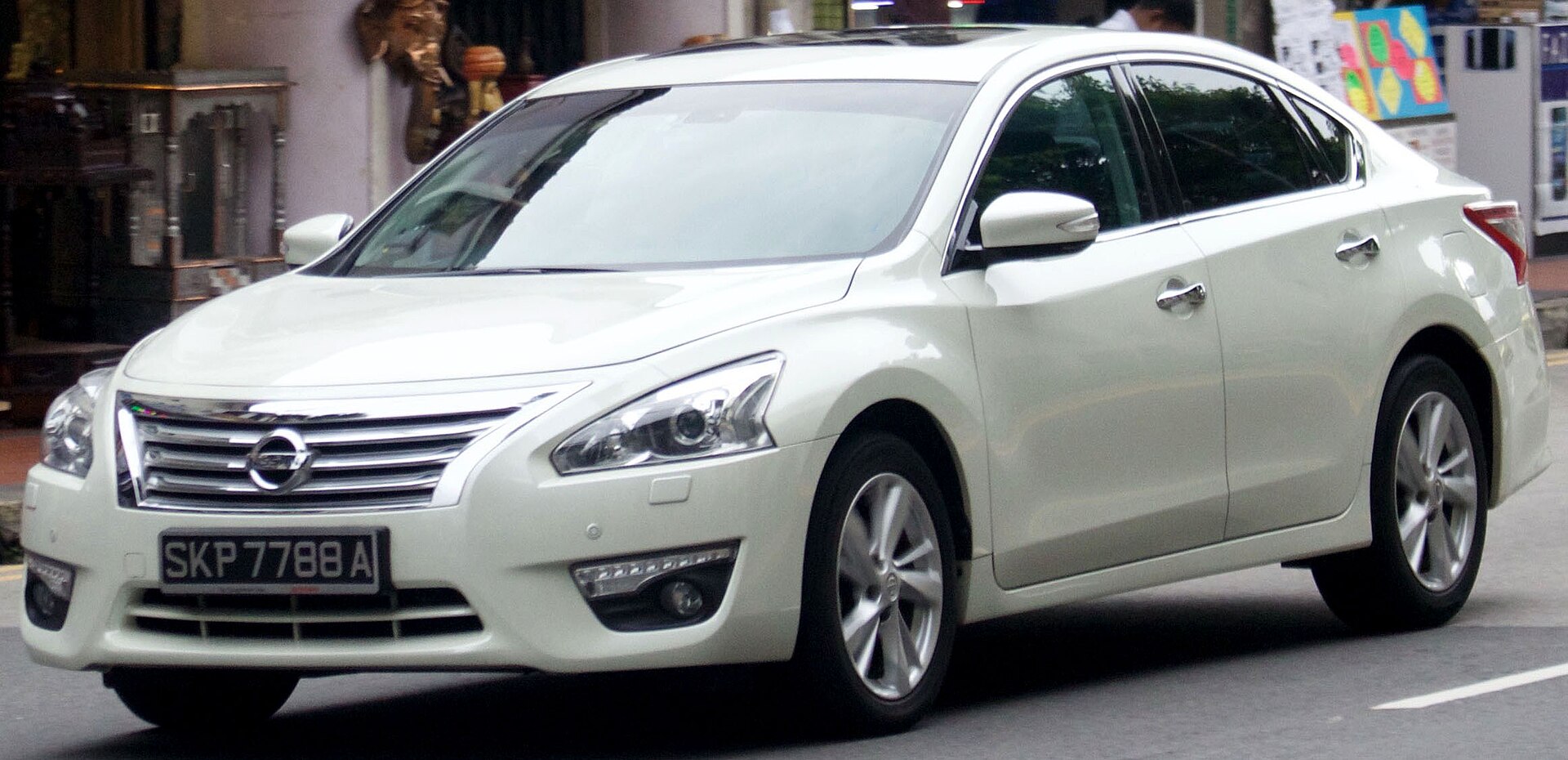
2013
-
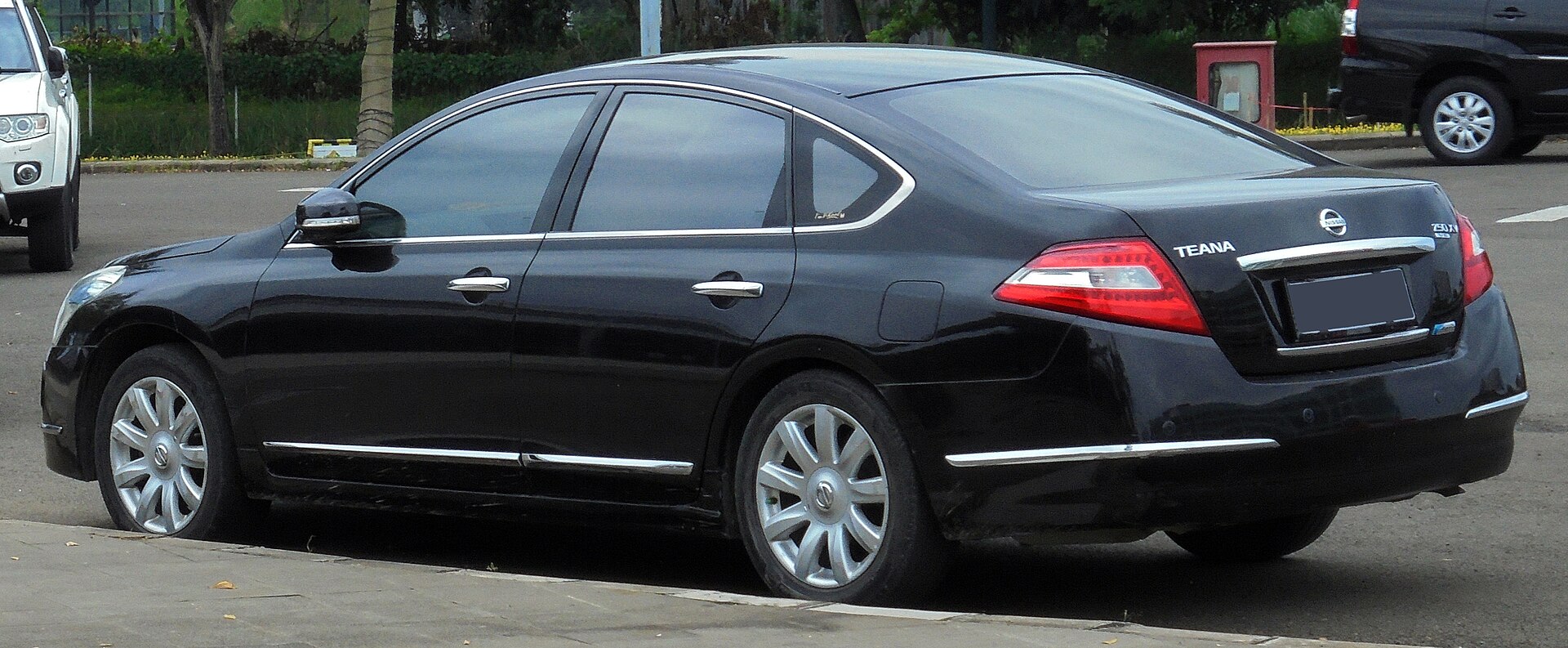
2008
-
2003
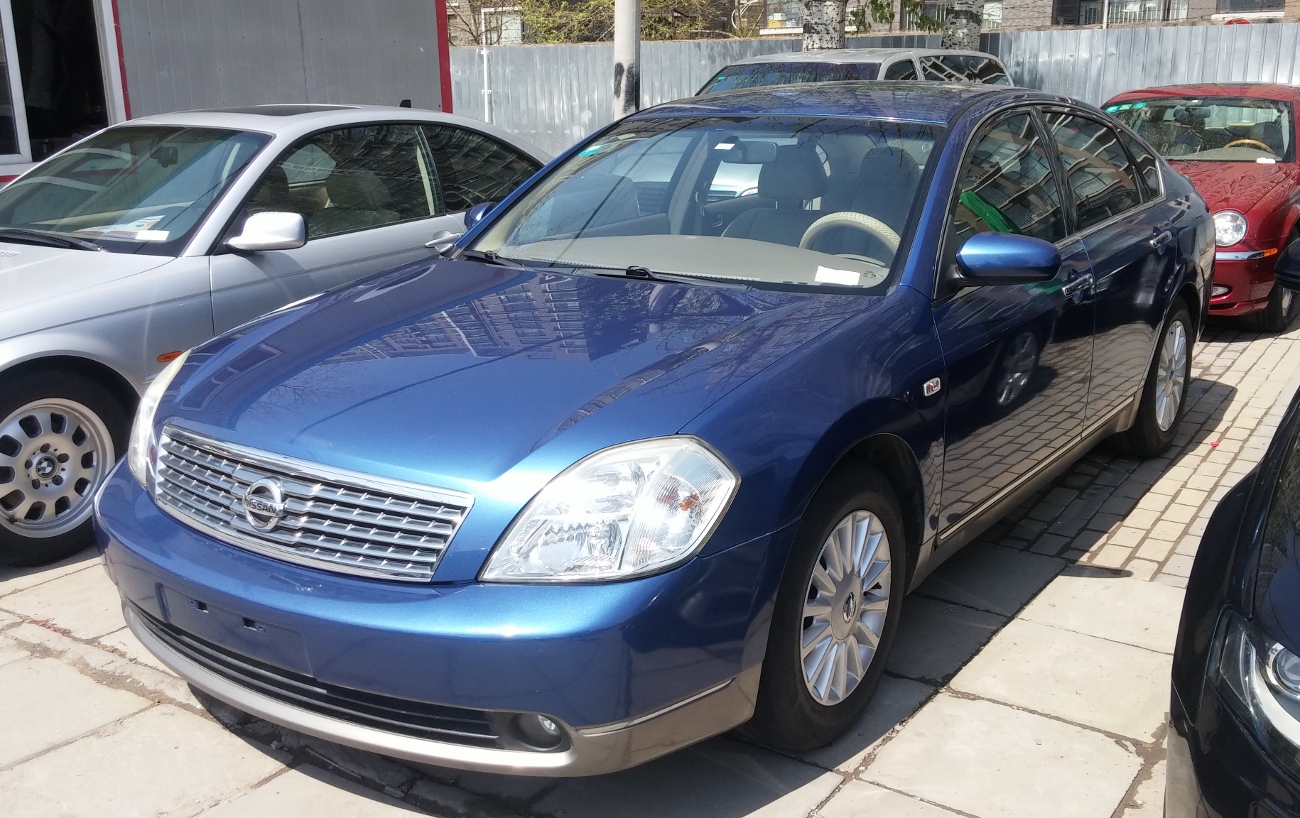
All generations by year: Teana L33 (2013–2020) · Teana J32 (2008–2013) · Teana J31 (2003–2008)
Which one is mine?
Pick the year of first registration to see which generation it is.
Check by VINThe Nissan Teana is a mid-size front-wheel-drive saloon first presented in February 2003. From the second generation onwards it moved up into the business class. It replaced the Nissan Bluebird, Cefiro and Laurel in Japan and was sold mainly in Japan, China and South-East Asia, and also in Australia, the Middle East and some Eastern European markets. The third generation (L33) was unveiled at a special event in China on 26 February 2013 — a deliberate choice, as more than 700,000 Teanas had been sold there since 2004. Over time and in various markets the car has also been known as the Altima, Maxima and Cefiro.
In short
- J31 (2003–2008) on the FF-L platform, J32 (2008–2014) on the Nissan D platform shared with the Altima and Maxima, and the Altima-based L33 (2013–2020).
- J31 engines: 2.0 four-cylinder with 100 kW (136 PS), 2.3 V6 with 127 kW (173 PS) and 3.5 V6 with 180 kW (245 PS).
- L33 engines: 2.5 four-cylinder with 127 kW (173 PS) and 3.5 V6, all with an Xtronic CVT.
- An L34-based Teana was unveiled in China in August 2025.
Nissan Teana at a glance
The Teana is a monocoque saloon with a transverse engine and front-wheel drive; the J32 also offered an all-wheel-drive "Four" version in Japan. More Nissan models are listed in our Nissan catalogue.
Nissan Teana generations
First generation: J31 (2003–2008)
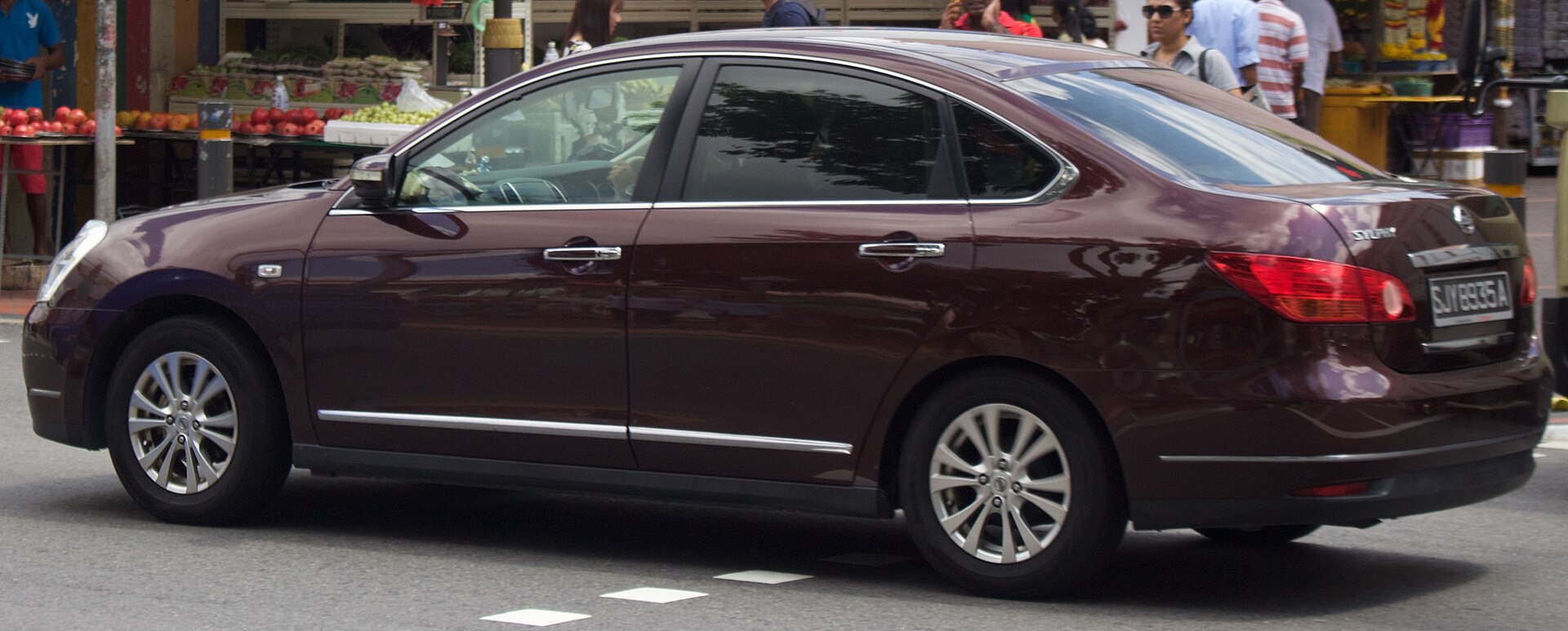
The first Teana made its debut in Japan in February 2003 as a saloon companion to the Murano, on the Nissan FF-L platform. It offered a 2.0-litre four-cylinder with 100 kW (136 PS), a 2.3-litre V6 with 127 kW (173 PS) and a 3.5-litre V6 with 180 kW (245 PS). From the December 2005 update, all engines were paired with the Xtronic CVT. It was built in China, Taiwan, Pakistan (as the Cefiro) and Thailand, sold in parts of Eastern Europe from 2004 after the Maxima QX was withdrawn and in Australia and New Zealand as the Maxima; a reworked version was sold in South Korea as the Renault Samsung SM7.
Second generation: J32 (2008–2014)
The second Teana was revealed at the 2008 Beijing motor show on the Nissan D platform, shared with the North American Maxima and Altima. Engines included a 2.0 four-cylinder for China with 100 kW (136 PS), a 2.5 V6 with 136 kW (185 PS), a 2.5 four-cylinder with 123 kW (167 PS) for the Japanese all-wheel-drive Teana Four and a 3.5 V6 with 185 kW (252 PS), all with a CVT. It was not sold in Western Europe; in Australia it was sold as the Maxima from June 2009.
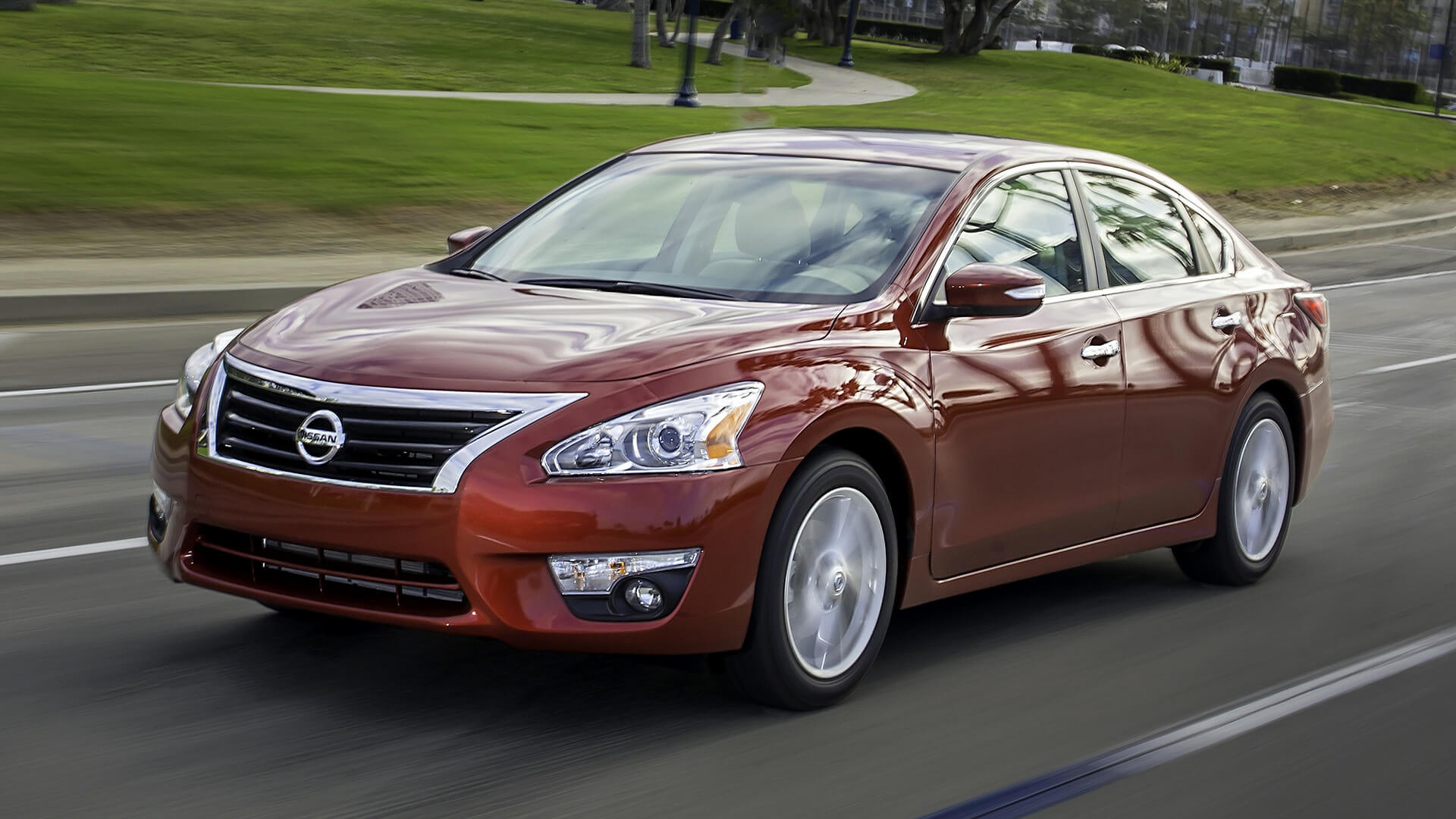
Third generation: L33 (2013–2020)
Exterior
The L33 is essentially a rebadged version of the North American Altima and emphasises its large body. A large inverted-trapezoid grille with a chrome frame and flared upper corners, big triangular projector headlights with xenon units and daytime running lights, round fog lamps and a sculpted bumper shape the front. The drag coefficient is 0.29, and the turning circle is just 5.7 m — one of the tightest in its class. The side has a strong "wave" above the front wheel arch, calm door surfaces, a high window line falling towards the rear and plenty of chrome. Wheels are 16 or 17 inches, or 18 inches with the 3.5-litre engine, and ground clearance is 150 mm. The rear has a massive bumper with integrated exhaust outlets, a tall boot lid with a low loading height and complex full-LED tail lights.
Interior
The cabin uses high-quality soft materials, and the dashboard was completely redesigned. A 4.2-inch colour Advanced Drive-Assist Display between the dials shows seven screens of information, including navigation directions, controlled from the steering wheel. The three-spoke leather steering wheel with aluminium inserts adjusts for height and reach and has audio controls. Newly designed seats improve blood flow and support the back to reduce fatigue; depending on version, the driver's seat has electric adjustment, ventilation and heating. Improved exhaust design and new sound-deadening materials make the cabin quieter. Higher trims have leather and a Bose audio system. A 5- or 7-inch infotainment screen with Bluetooth audio streaming and USB sits below the air vents, with navigation and voice control on expensive versions, above the dual-zone climate panel. The wood-trimmed tunnel holds the gear selector, two chrome-ringed cupholders, a lighter and an ashtray. The rear seats three, with heating for the two outer seats. The boot holds 436 litres (52 litres less than its predecessor), and the rear seat folds 60/40.
Engines and transmissions (L33)
| Engine | Power (kW / PS) | Torque | 0–100 km/h | Top speed | Consumption |
|---|---|---|---|---|---|
| 2.5 I4, 16 valves | 127 kW / 173 PS | 234 Nm | 9.8 s | 210 km/h | 7.5 l/100 km |
| 3.5 V6 | 183 kW / 249 PS | 312 Nm | 7.2 s | 230 km/h | 9.3 l/100 km |
The 3.5 V6 was offered with 183 kW (249 PS) in some markets (up to 201 kW (273 PS) is quoted elsewhere). Both engines use the Xtronic CVT and front-wheel drive; not every driver likes how the CVT behaves.
Chassis and safety
The L33 uses an improved version of its predecessor's platform with substantially revised MacPherson front suspension and a completely new independent multi-link rear. Steering is rack-and-pinion with electro-hydraulic assistance, and the brakes are discs (ventilated at the front) with ABS, EBD and brake assist as standard. The body has roughly equal shares of standard and high-strength steel, steel braces linking the suspension mounts, reinforced wheel arches, improved crumple zones and stronger door beams. At least six airbags and stability control are standard; the related US Altima performed well in 2013 crash tests. Equipment ranges from a leather steering wheel, heated seats, climate control, cruise control, keyless entry, push-button start and rain and light sensors to leather upholstery, electric ventilated seats, heated rear seats, a surround-view camera, blind-spot and lane monitoring, navigation, an upgraded audio system and xenon headlights with automatic levelling.
Later developments
The Teana name was retired in 2020 in some markets in favour of the L34 Altima. In China, a more premium Teana based on the L34 Altima was unveiled in August 2025 for the 2026 model year.
Key specifications by generation
| Parameter | J31 | J32 | L33 |
|---|---|---|---|
| Years | 2003–2008 | 2008–2014 | 2013–2020 |
| Platform | FF-L | Nissan D | Altima L33 |
| Power (kW / PS) | 100–180 kW / 136–245 PS | 100–185 kW / 136–252 PS | 127–183 kW / 173–249 PS |
| Gearbox | Automatic, CVT from 2005 | CVT | CVT |
Strengths and weaknesses
Owners describe the Teana as reliable and comfortable, with attractive styling inside and out, good sound insulation, handling and suspension, low fuel consumption, good equipment and affordable parts, including non-original ones. Drawbacks include limited side support in the seats, modest ground clearance, small mirrors and a CVT that demands a particular driving style. Rivals include the Toyota Camry, Honda Accord, Mazda6, Hyundai Sonata and Volkswagen Passat.
Nissan Teana evolution in numbers
Did you know?
- The Nissan Teana ran for 17 years, from 2003 to 2020, over 3 generations in our catalog.
- The longest-running generation is the Teana L33 (2013–2020): 7 years.
Image credits · Photos from Wikimedia Commons under free licences
- Nissan Teana J31 · Photo: Navigator84 / Wikimedia Commons, CC BY-SA 4.0
- Nissan Teana J32 · Photo: オーバードライブ83 / Wikimedia Commons, CC BY-SA 4.0
- Nissan Teana L33 · Photo: EurovisionNim / Wikimedia Commons, CC BY-SA 4.0
Nissan Teana in our rankings
- No. 216 of 912 · Longest-running car nameplates (17 years · top 25%)
- No. 183 of 345 · Cars with the most generations (3 generations · top 68%)
In production longer than 75% of ranked nameplates in the 1CARS catalog (No. 216 of 912).
FAQ
Which cars did the Nissan Teana replace?
The Nissan Bluebird, Cefiro and Laurel in Japan.
Is the Nissan Teana the same as the Altima?
The third-generation L33 Teana is essentially a rebadged North American Altima; earlier generations shared platforms with the Altima and Maxima.
What engines does the third-generation Nissan Teana have?
A 2.5-litre four-cylinder with 127 kW (173 PS) and a 3.5-litre V6, both with an Xtronic CVT.
How big is the Nissan Teana boot?
The third generation offers 436 litres, with a 60/40 folding rear seat.
Data sources
Data checked by an editor against the sources below.