Nissan Rejects Claims the New Patrol Was Made Heavier to Skip NVES
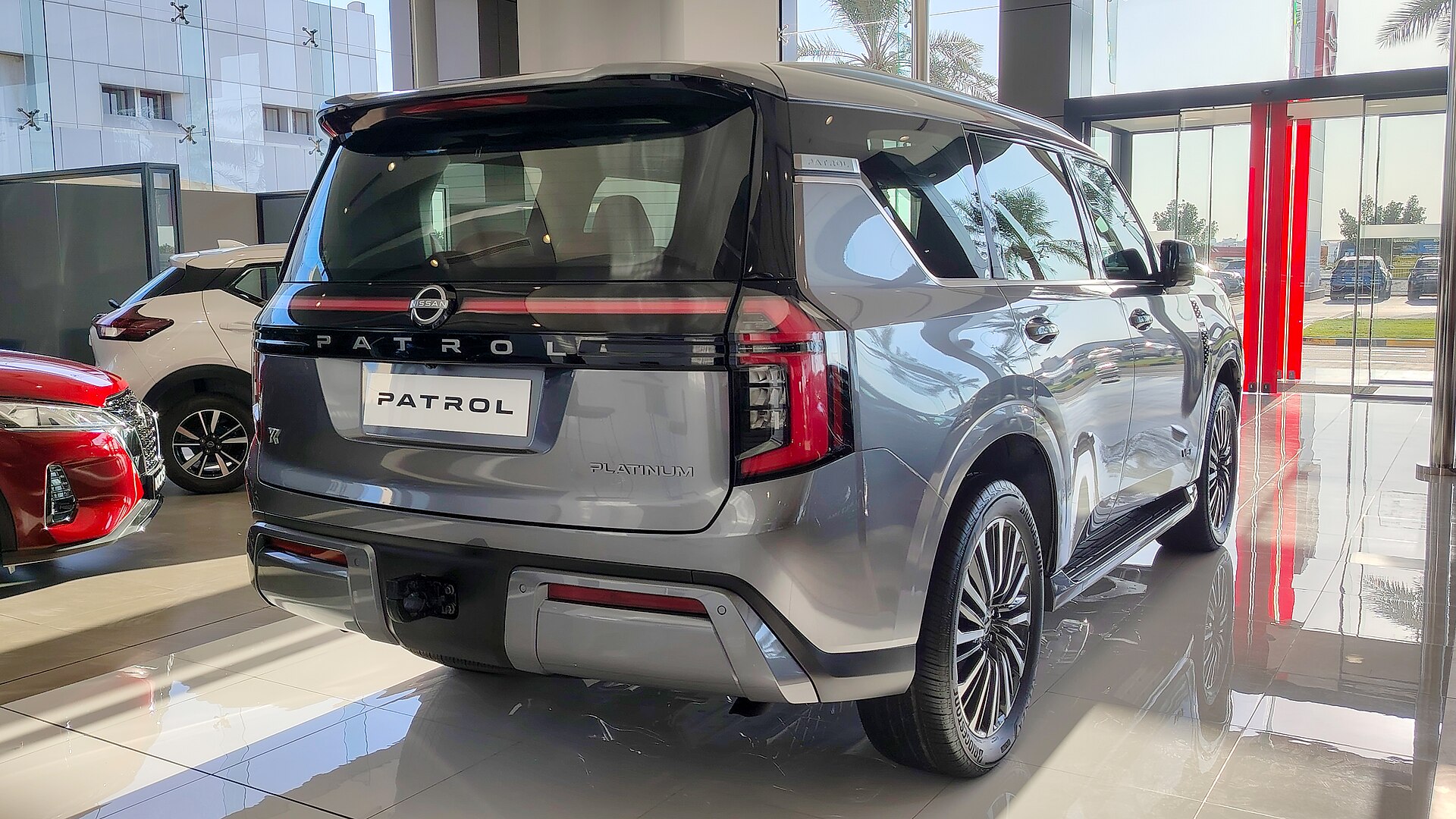
Nissan Australia has denied that it raised the gross vehicle mass of the new Y63 Patrol to 3,550 kg to keep the large SUV out of the country's New Vehicle Efficiency Standard. The figure is 50 kg above the outgoing Patrol Ti and Ti-L and just over the 3,500 kg exemption line, CarExpert reported on 22 November, with the car due in showrooms next month.
Key takeaways
- The Y63 Patrol has a GVM of 3,550 kg in all six grades, up from 3,500 kg.
- Vehicles above 3,500 kg GVM are currently exempt from the fleet CO2 targets.
- From 1 July 2027 vehicles up to 3,855 kg will count, but only those first entered on the approved-vehicle register after that date.
- Nissan says the change was made for customer usability.
Why 50 kg matters
The NVES sets an annual CO2 target for each manufacturer's fleet, and companies that exceed it must buy credits or pay penalties. At present any vehicle above 3,500 kg GVM is left out of the calculation. With 3,550 kg, the Y63 Patrol, which uses 12.0 to 12.2 L/100 km on the combined cycle, will launch without counting against Nissan's average. The higher figure also puts it above the threshold for the mandatory fuel consumption label. The outgoing Y62 Patrol Ti and Ti-L were rated at exactly 3,500 kg, and the Warrior version at 3,620 kg. Nissan increased the GVM while also cutting kerb weight, which raises the usable payload.
The government is closing the gap. From 1 July 2027, eligible vehicles between 3,500 kg and 3,855 kg will count when they are first entered on the Register of Approved Vehicles. Vehicles entered before that date remain exempt even if sold later, so a Patrol approved now can stay outside the scheme. Work vans and work trucks keep their exemption, as do vehicles above 3,855 kg such as the 4,500 kg Ford Ranger Super Duty, under a determination that runs to the end of 2029.
What Nissan said
A Nissan Australia spokesperson said the higher GVM was "fundamentally about improving customer usability". The company backs the FCAI position that new Australian Design Rules need at least two years of lead time. Nissan did not make one of the five published submissions during the consultation, which ran from 21 May to 20 July 2026. The FCAI called the roughly 13-month lead time an exceptional case that should not set a precedent. Earlier, Nissan Oceania boss Steve Milette described the NVES as a "cost of doing business", while his predecessor Andrew Humberstone admitted Nissan had "tactically delayed" the Ariya launch until the scheme began in 2025.
Nissan is not the only maker just above the line. The Toyota LandCruiser 70 Series wagon is rated at 3,510 kg and some Ram 1500 versions at 3,505 kg, although CarExpert did not suggest those figures were chosen to avoid the rules.
What it means for buyers
For Patrol buyers the extra 50 kg means more payload and a car that is likely to escape the scheme for its life. Nissan's lower-emission answer for Australia is the Chinese-built Navara Pro plug-in hybrid due in 2027, with a Terrano plug-in SUV a priority. The Patrol's history is in the Nissan Patrol guide and its closest rival is set against it in Nissan Patrol vs Toyota Land Cruiser. Other models are in the Nissan catalogue.
Sources
- CarExpert: Nissan denies raising Patrol GVM to bypass emissions rules (22 Nov 2026) (accessed 24 Nov 2026)
Found a mistake? Report an error