
Europe and Britain Consider Delaying 10% Tariff on Electric Cars
The EU and the UK may postpone battery rules of origin that are due to add a 10 per cent tariff to most electric cars traded between them from 1 January 2027. Carmakers say European battery supply chains are not ready, Carscoops reported on 14 November, citing the Financial Times and the European automakers' association ACEA.
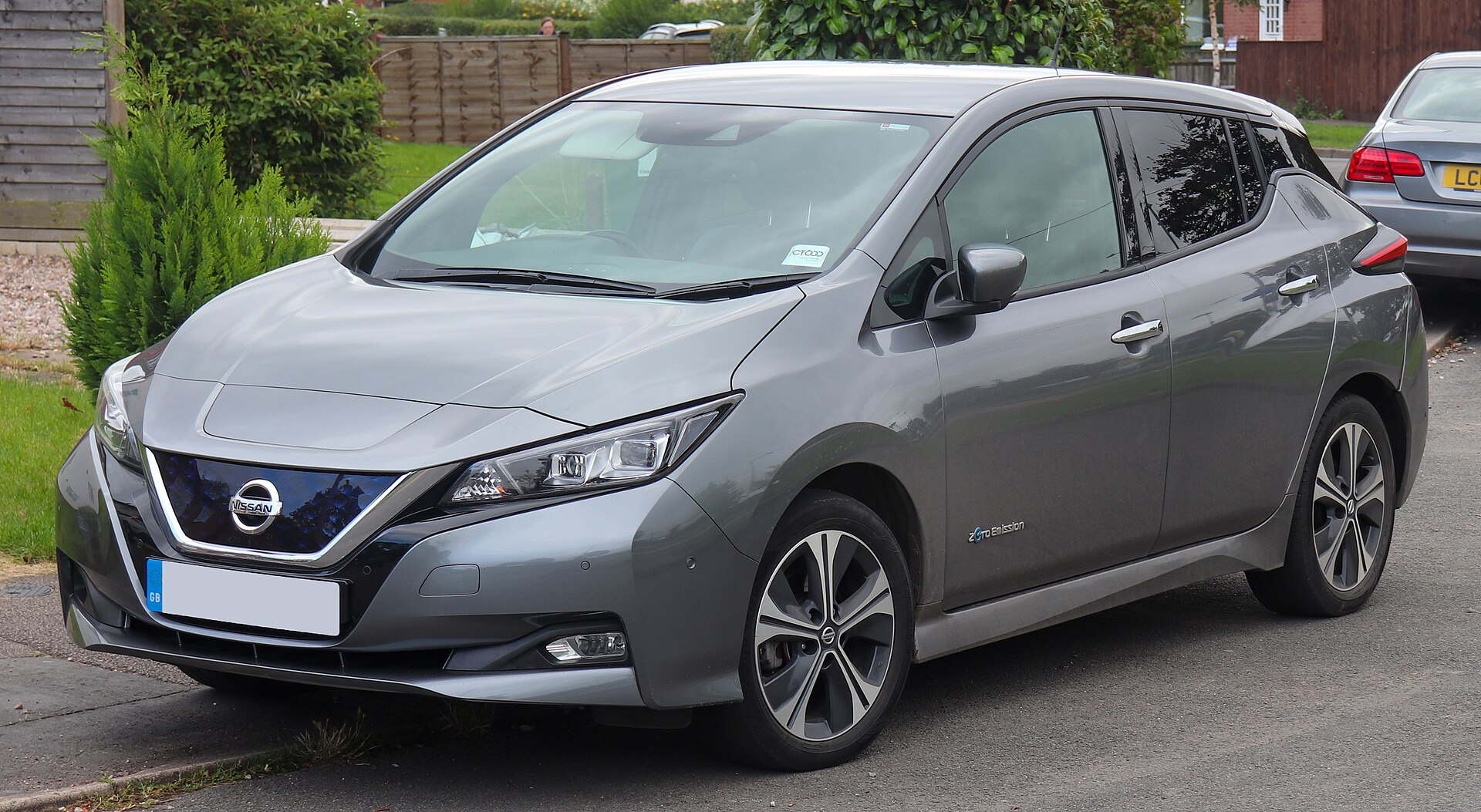
Key takeaways
- From 1 January 2027, EVs without enough locally sourced battery content would face a 10 per cent tariff in EU-UK trade.
- ACEA says about 82 per cent of some 520,000 EVs projected for EU-UK trade in 2027 would be affected.
- ACEA wants the rules postponed to 2030, and the cathode material requirement to 2032.
- Serious negotiations are expected after an EU-UK summit on 20 November.
What the rules say
The requirements were drawn up in the 2021 Brexit trade negotiations. Electric cars can cross the Channel tariff-free only if a sufficient share of the battery and its materials comes from Europe, and the stricter stage is due on 1 January 2027. Most EVs built in the UK and the EU still use battery cells and materials from Asia, many of them from China, so the bulk of cross-border EV trade would suddenly pay 10 per cent.
Why carmakers want a delay
The UK is the largest buyer of cars made in the EU, taking 30 per cent of them, and the EU is the main export market for British-built EVs. Trade between the two sides is worth about 80 billion euros a year, according to figures cited in November 2026. ACEA argues that without a delay, UK- and EU-built electric cars would lose competitiveness against Chinese rivals, which face their own EU import limits. The association proposes moving the battery requirements to 2030 and the European-made cathode material rule to 2032.
The rules were written to build up a European battery industry, so a delay would mostly help cars whose packs and materials still come from Asia. Carscoops pointed to the other side of the debate: European companies that have already invested in large battery plants, and the EU chemicals industry.
What happens next
A delay looks likely, but its length is unclear. An unnamed UK official said serious negotiations will probably start after the EU-UK summit on 20 November, leaving little time before the 1 January deadline. Without an agreement, the 10 per cent tariff would apply automatically.
What it means for buyers
If the rules take effect unchanged, EU-built electric cars sold in Britain and UK-built EVs sold in the EU could become more expensive from January 2027, if makers pass on part of the tariff. The latest prices of affordable models are tracked in our list of the cheapest electric cars, all current models are in the electric cars section, and updates will follow in car news.
Sources
- Carscoops: Chinese Competition May Cause EV Tariff Delays In The EU And UK (14 Nov 2026) (accessed 18 Nov 2026)
Found a mistake? Report an error


