Driverless Lucid Gravity Robotaxis Take to Bay Area Roads
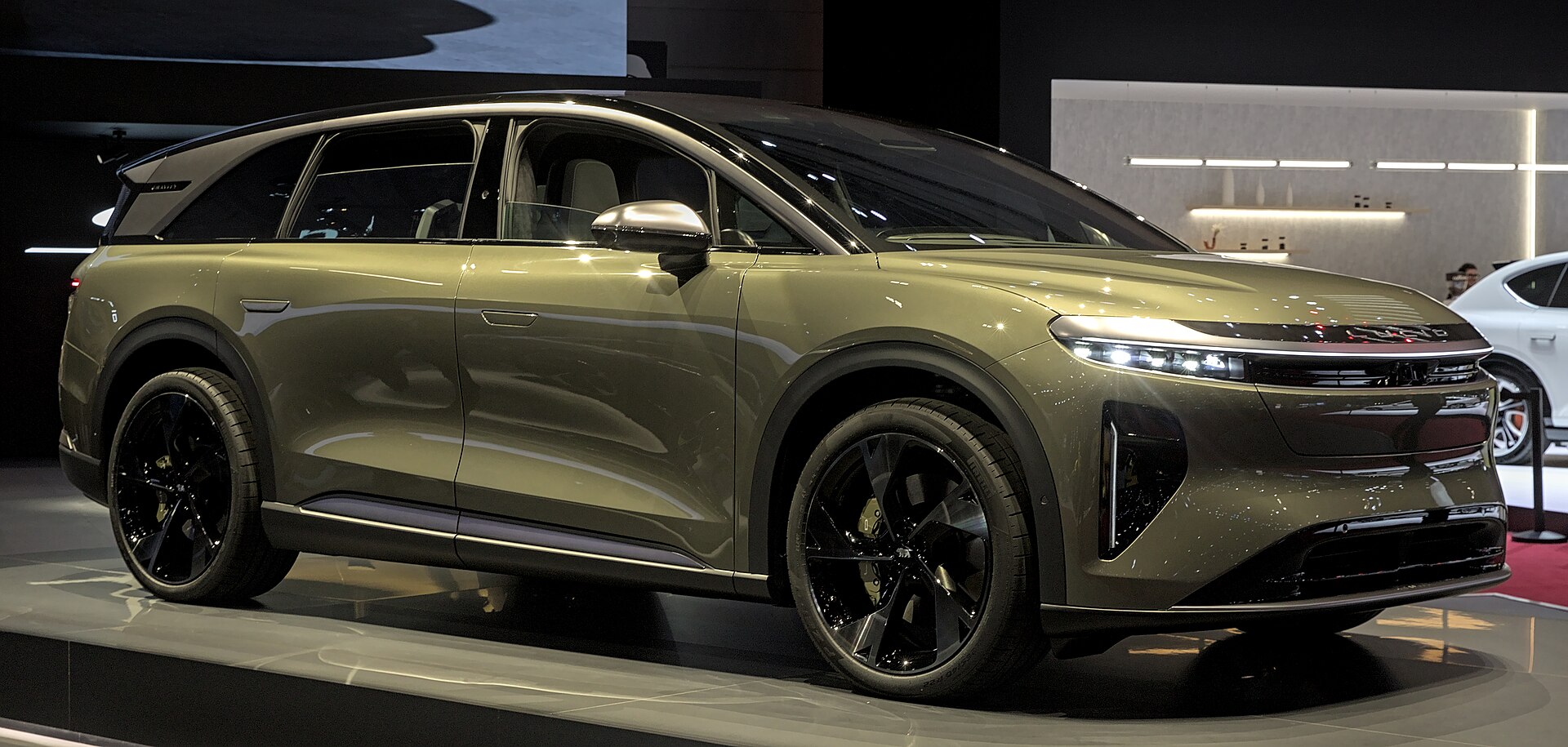
Lucid, Uber and Nuro have started testing Lucid Gravity robotaxis with nobody on board in the San Francisco Bay Area, the three companies announced on 24 November. More than 100 of the electric SUVs are taking part, and paid rides through the Uber app are planned for the first quarter of 2027, InsideEVs reported the same day.
Key takeaways
- Driverless testing starts in Palo Alto, Mountain View, Los Altos and Sunnyvale.
- More than 100 Gravitys with upgraded hardware and software are involved.
- Public paid rides via Uber are due in the Bay Area in the first quarter of 2027.
- More Bay Area cities will be added in 2027.
From safety drivers to empty seats
Gravity robotaxis have been testing on public roads in San Francisco and Houston since January, but until now every car carried a human safety operator. The new phase removes that person entirely. The driverless fleet uses upgraded hardware and software compared with the earlier test cars, with Nuro as the self-driving partner.
Size at a glance
| Dimensions | Lucid Gravity I |
|---|---|
| Length | 5,030 mm198.0 in |
| Width | 2,000 mm78.7 in |
| Height | 1,660 mm65.4 in |
| Wheelbase | 3,040 mm119.7 in |
Uber handles the ride-hailing side, and the first service area covers four Silicon Valley cities before expanding across the Bay Area next year.
The car behind the robotaxi
The Lucid Gravity is Lucid's large electric SUV. In passenger form it offers up to 724 km (450 miles) of range and 400 kW charging that adds 322 km (200 miles) in as little as 11 minutes. The passenger version starts at USD 81,750. Lucid has not said how much a robotaxi-spec Gravity costs or how the extra equipment affects its range.
Lucid plans to deploy tens of thousands of robotaxis in the US and Europe, and its coming mid-size platform will also spawn a robotaxi. InsideEVs noted that it is not yet clear whether that model will be based on the Lucid Cosmos, the company's teased mid-size SUV.
A crowded field
Tesla, Waymo and Zoox already offer driverless paid rides in the US. Uber's ties to rivals have limits too: Waymo's exclusivity deal with Uber in Austin and Atlanta ends in 2028. Lucid itself has burned through billions of dollars, so a working robotaxi business would add a second source of income alongside car sales; the company's background is covered in the history of Lucid.
What happens next
If the driverless tests go to plan, Bay Area residents should be able to hail a Gravity with no driver through Uber from early 2027. The pace of expansion beyond the four launch cities, and any move to Europe, will depend on how this phase goes.
Sources
- InsideEVs: Lucid Gravity Robotaxis Just Took A Major Step Toward Commercial Launch (24 Nov 2026) (accessed 24 Nov 2026)
Found a mistake? Report an error