Corrupted Software May Switch Off Airbags in 37,901 Hyundais
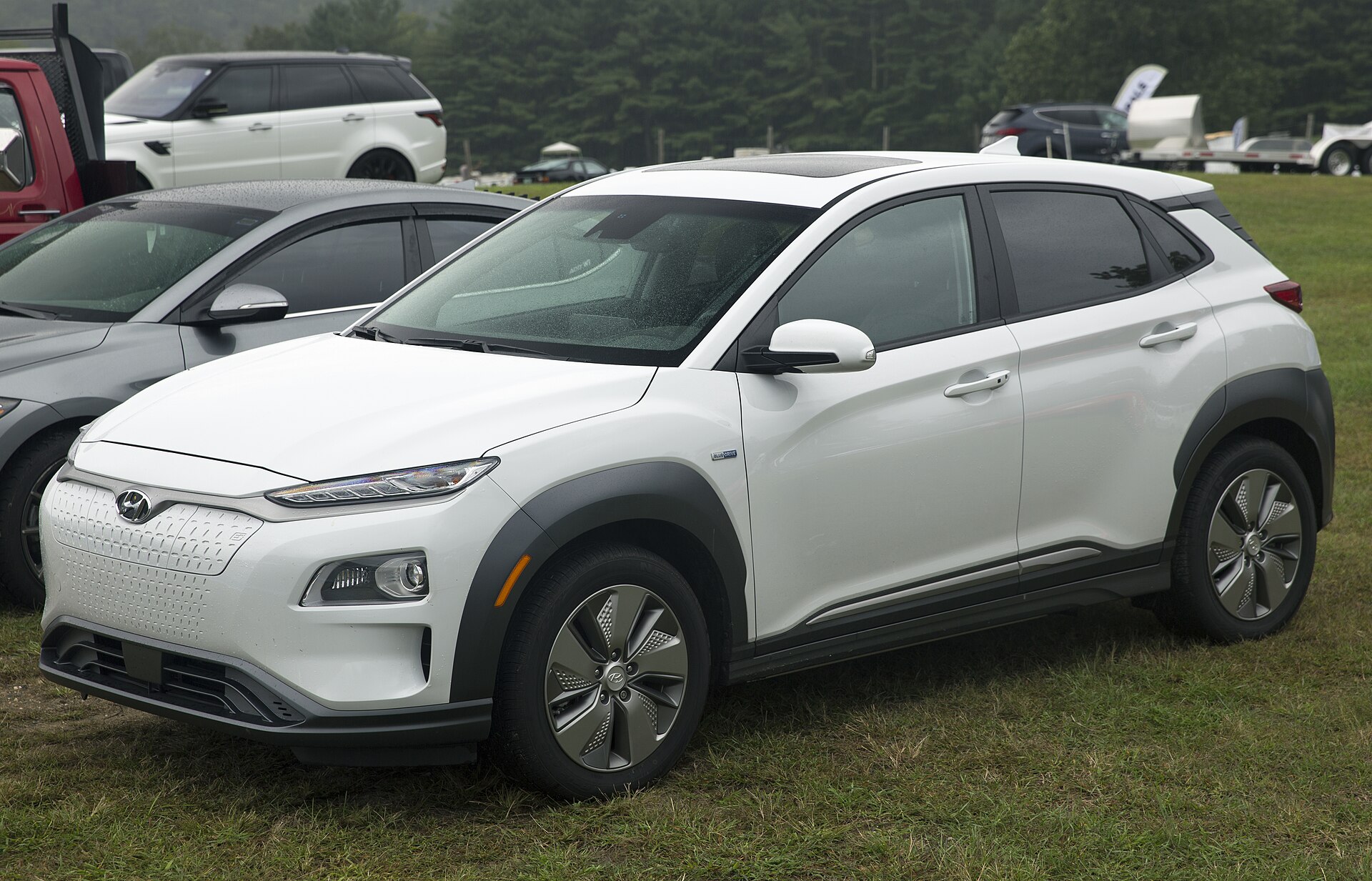
Hyundai is recalling 37,901 cars in the United States because the airbag control unit can switch off the airbags and seat belt pretensioners without any warning other than a dashboard light. The campaign covers the first-generation Kona Electric and the Veloster N hot hatch, and was filed with the safety regulator NHTSA as recall 26V728000, InsideEVs reported on 9 November.
Key takeaways
- 29,058 Kona Electric (2019-2023 model years) and roughly 8,800 Veloster N (2019-2022).
- Data in the airbag control unit can be corrupted if power drops while the unit is writing to its memory.
- Hyundai knows of 331 related incidents, but no crashes, fires or injuries in the US.
- Dealers will install new software free of charge; owner letters are due from 1 January 2027.
Which cars are affected
The bulk of the recall is the electric crossover. All 29,058 Kona Electric cars in the campaign were built in South Korea between 28 August 2018 and 26 July 2023, which spans almost the entire life of the first-generation Hyundai Kona. The remaining cars, close to 9,000 by InsideEVs' count, are petrol-powered Veloster N hatchbacks sold in the US from the 2019 to the 2022 model year. The filing gives 37,901 vehicles in total and Hyundai's internal campaign number 311. Owners could check their VIN on NHTSA's site from 6 November.
What goes wrong inside the control unit
The fault lies in how the airbag control unit (ACU) stores data. If the system reboots or loses power while the unit is writing to its memory, the stored data can become corrupted. When that happens, the airbag warning light comes on, the airbag system deactivates, and in a crash the airbags may not deploy. The seat belt pretensioners, which tighten the belts in the first milliseconds of an impact, may also fail to fire.
Hyundai Motor North America opened an investigation in 2024 after warranty claims for illuminated airbag warning lights began to rise. Neither Hyundai nor ACU supplier ZF could reproduce the fault on other cars, but engineers did trigger it during bench testing. Hyundai has logged 331 incidents linked to the issue.
How Hyundai will fix it
The remedy is software only, with no hardware replacement. Dealers will reflash the ACU, and the new code reverts to the last known valid data if a write is interrupted, so a power dip can no longer leave the unit with corrupt settings. The work is free. Hyundai plans to mail owner letters from 1 January 2027, though owners can book the update as soon as dealers have the software.
What it means for owners
US owners of these two models should check their VIN on NHTSA's site and treat a lit airbag warning lamp as a reason to book the dealer visit immediately, because that light is the main sign that the system has switched itself off. Anyone shopping for used electric cars should ask for proof that the update has been done. The filing covers US cars only; owners elsewhere can ask a dealer in the Hyundai range whether their car carries the same software.
Sources
- InsideEVs: Hyundai Is Recalling Nearly 30,000 Kona EVs Because Their Airbags May Not Deploy (9 Nov 2026) (accessed 12 Nov 2026)
- Vehicle Service Pros: This Week's Recalls: Nov 2-6 2026 (6 Nov 2026) (accessed 12 Nov 2026)
Found a mistake? Report an error