
Faulty EV Batteries: EU Safety Law Could Let Owners Hand Cars Back
Buyers of electric cars with possibly defective high-voltage batteries may gain a new way to return them. A German court has cited the EU General Product Safety Regulation in a case over a recalled Cupra Born, electrive reported on 30 October.
Key takeaways
- The Offenburg Regional Court (case 2 O 356/25) points to Article 37 of EU Regulation 2023/988.
- The plaintiff wants to cancel the purchase of a Cupra Born covered by a battery recall.
- The court's view is a preliminary assessment, not a judgment; the defendants have until 6 November 2026 to respond.
- Not every owner affected by a battery recall can automatically return the car.
The Cupra Born case
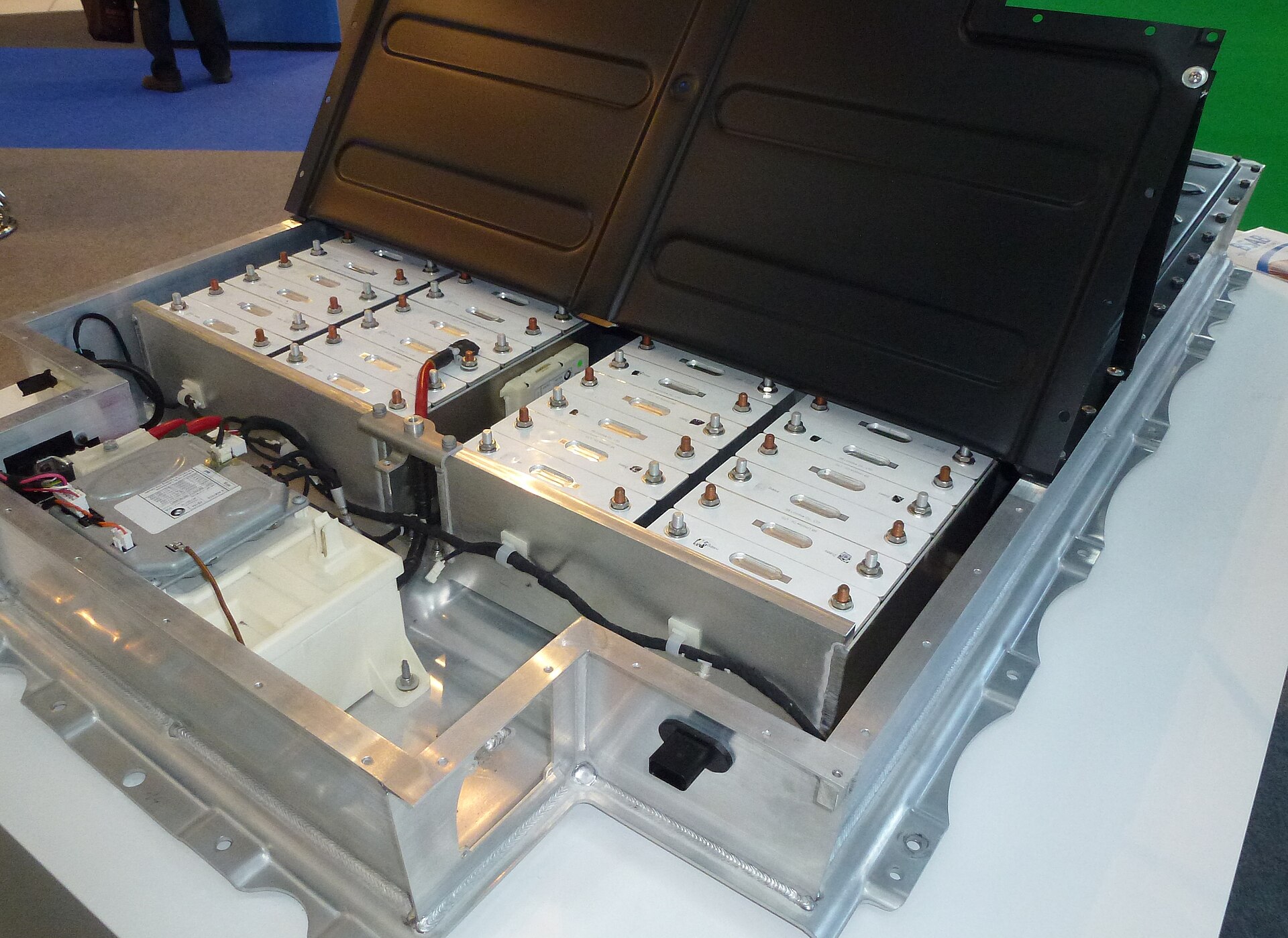
The car is part of recall campaign 93S4, announced in March 2026. Some high-voltage battery modules may not meet specification, which can reduce range, switch on a yellow warning light and create a fire risk. According to the German Federal Motor Transport Authority (KBA), the recall covers 74,579 Volkswagen ID.3, ID.4, ID.5, ID.Buzz and ID.Buzz Cargo models and 19,452 Cupra Born cars worldwide, about 94,000 vehicles built between February 2022 and August 2024. The fix is a software update plus an inspection of the battery modules, with faulty modules replaced.
The owner is suing both the seller and Seat, the manufacturer behind Cupra. The court also sees possible claims under sales law against the seller and under German product safety law.
What the EU rule says
Article 37 of the regulation covers remedies after a product recall. Companies must normally offer consumers a free, effective and timely remedy, with at least two options from repair, replacement with an equivalent safe product, or a refund. If repair or replacement cannot be done within a reasonable time and without significant inconvenience, a right to a refund may apply under certain conditions.
The regulation has applied since 13 December 2024, and it is still an open question whether it covers older vehicles and car recalls. The law firm handling the case, Dr. Stoll & Sauer, also points to two first-instance rulings in favour of buyers over battery problems in Mercedes-Benz EQA and EQB models, which were also recalled.
What it means for you
If your electric car is part of a battery recall, the first step is still the manufacturer's fix: book the inspection or update as soon as possible. The Offenburg case does not give a general right to return a car. A refund is most likely where the manufacturer cannot repair the defect within a reasonable time, so keep a record of dates, dealer visits, warning messages and any period without a car. Buyers of used EVs should check whether open recalls have been completed before they sign.
Read our guide to used electric car battery health or see the Volkswagen ID.3 page.
Sources
- electrive: OEMs may have to take back EVs with faulty batteries (30 Oct 2026) (accessed 1 Nov 2026)
- electrive.net: VW muss fast 100.000 MEB-Stromer zurückrufen (24 Mar 2026) (accessed 1 Nov 2026)
Found a mistake? Report an error


