 Reliant Robin
Specs, engines and history
Published Sources (1) Report an error
By Felix Hartmann, Automotive Technology & EV Contributor
Reliant was the British company that made three-wheelers a business. T. L. Williams and E. S. Thompson founded it in Tamworth, Staffordshire, in 1935; the first prototype was built in Williams's back garden on Kettlebrook Road, and the first vehicle, a three-wheeled van with a 600 cc single-cylinder engine, was delivered on 3 June 1935. From 1938 Reliant used a 747 cc four-cylinder side-valve engine derived from Austin's. Alongside the three-wheelers it made four-wheeled cars such as the Sabre and the Scimitar GTE, described as the best-selling sporting estate, and from the 1970s to the 1990s it was the second-biggest British-owned car maker after British Leyland. About half a million Reliant vehicles were sold in all.
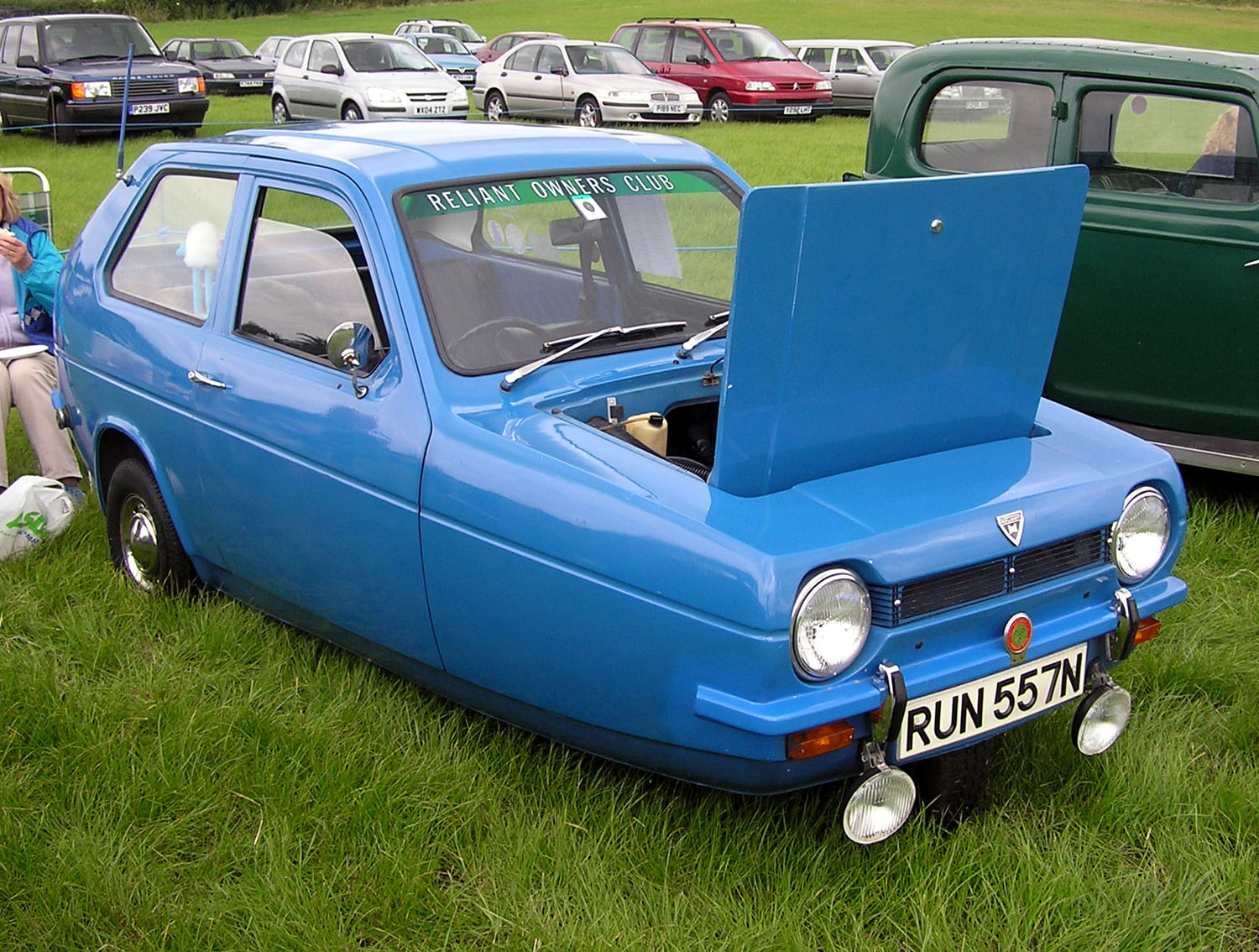
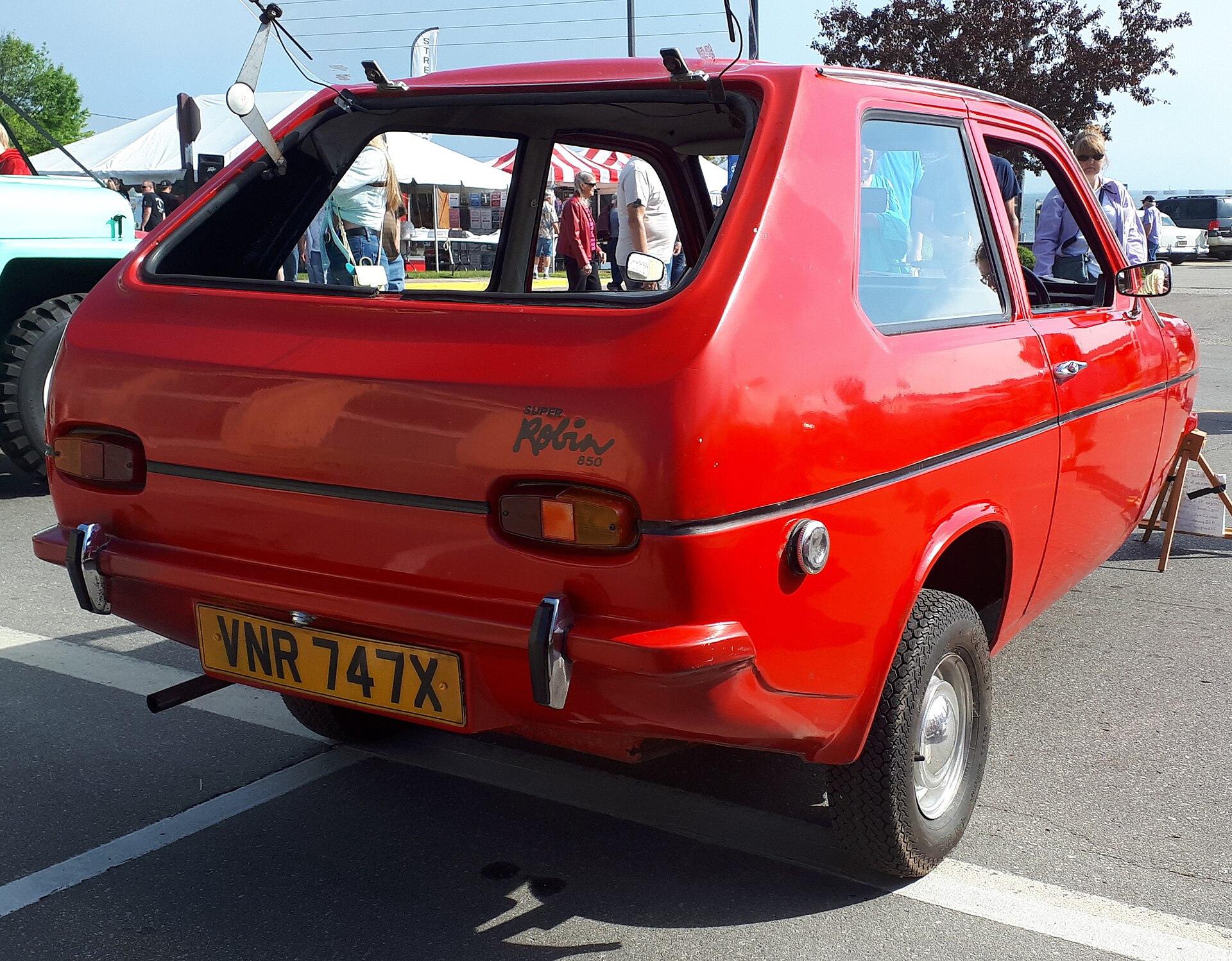
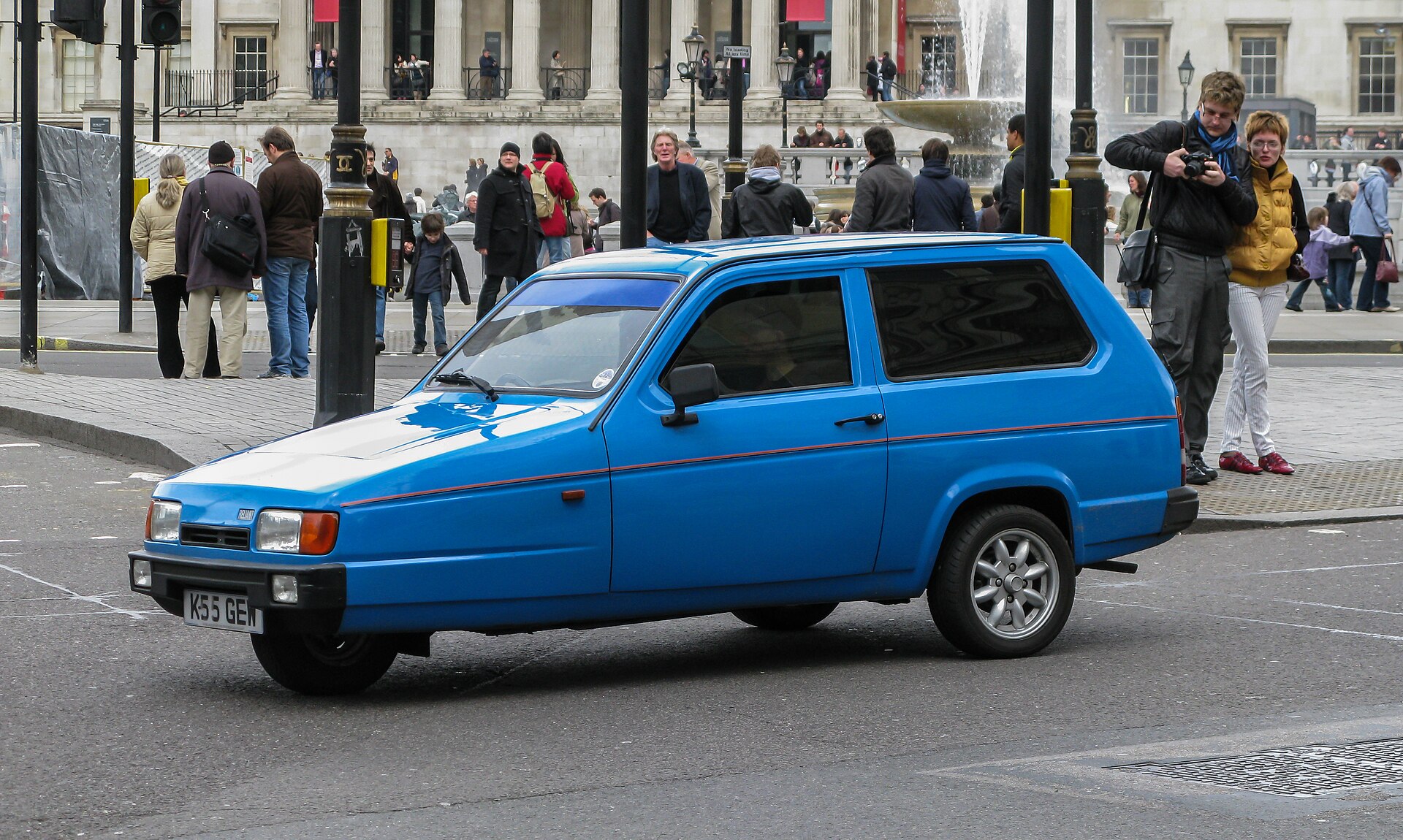
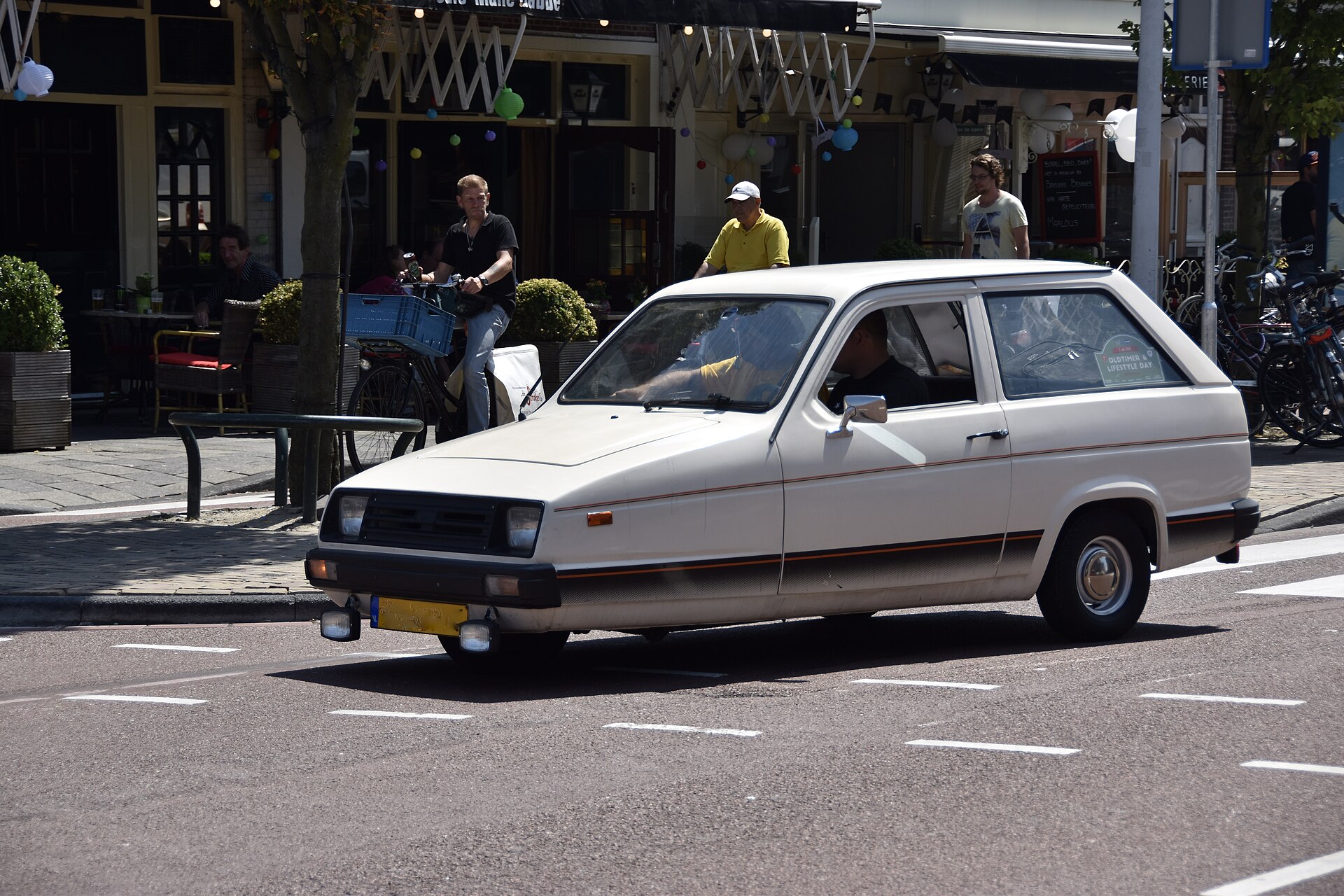
The Robin is Reliant's best-known car: a glass-fibre three-wheeler with the single wheel at the front, launched in October 1973 to replace the Regal. Designed by Ogle Design, it was built in three phases until 2002 and became, after the Chevrolet Corvette, the second most popular fibreglass car in history.
Specs by version
Verified Manufacturer and type-approval data from our catalog · Sources and methodology
In short
- First series from October 1973 to 1982; revived in 1989; redesigned in 1999; last cars built under licence by B&N Plastics in 2001–2002.
- Four-cylinder OHV engine of 750 cc, enlarged to 850 cc in 1975.
- Official mass below 450 kg, so for decades it could be driven on a full motorcycle licence (B1 entitlement until 2001).
- 850 cc model: 0–60 mph in 14 seconds, 85 mph (137 km/h) top speed, up to 70 mpg.
Reliant Robin at a glance
| Parameter | Metric | Imperial |
|---|---|---|
| Maker | Reliant Motor Company, Tamworth; B&N Plastics 2001–2002 | - |
| Production | October 1973 – 2002, in three phases | - |
| Designer | Ogle Design; 1999 redesign by Andy Plumb | - |
| Layout | three-wheeler, single front wheel, rear-wheel drive | - |
| Body | glass-fibre saloon, estate and van | - |
| Engine | OHV inline four, 748 cc, from 1975 848 cc | - |
| Gearbox | four-speed manual | - |
| Mass | below 450 kg | below 992 lb |
| Top speed (850) | 137 km/h | 85 mph |
| Fuel economy | up to 70 mpg (imperial); Mk3 quoted at 60–100 mpg | - |
Reliant from vans to the Robin
Reliant's early years were spent on small commercial vehicles. The first four-cylinder Reliant was delivered on 12 March 1938. After the war the company built the Regal and the Supervan III from 1953 to 1973, and from 1964 the four-wheeled Rebel. The Hodge Group bought most of Reliant in 1962.
In 1969 Reliant bought Bond Cars, which had gone into liquidation. A Reliant prototype called the Rogue, designed by Tom Karen of Ogle, went on sale as the Bond Bug in 700, 700E and 700ES versions. Reliant also designed the Anadol for Turkey on Ford parts and its own chassis, a project that later became the basis of Turkey's Otosan works.
| Model | Years | Wheels |
|---|---|---|
| Regal and Supervan III | 1953–1973 | three |
| Sabre | 1961–1964 | four |
| Rebel | 1964–1974 | four |
| TW9 (commercial) | 1967–1987 | three |
| Scimitar GTE / GTC | 1968–1986 | four |
| Robin | 1973–2002 | three |
| Kitten | 1975–1982 | four |
| Fox | 1982–1990 | four |
| Rialto | 1982–1997 | three |
The first Robin, 1973 to 1982
The Robin went into production in October 1973 as a direct replacement for the Regal. Ogle Design drew a more modern glass-fibre body, and the car kept Reliant's own four-cylinder overhead-valve engine with a four-speed manual gearbox driving the rear wheels.
The engine started at 750 cc (748 cc) and grew to 850 cc (848 cc) in 1975. The 850 model needed 14 seconds to reach 60 mph and topped out at 85 mph; early cars were said to reach 70 mph with the smaller engine and 85 mph with the larger. Fuel economy was up to 70 mpg. MEBEA in Greece built the Robin under licence from 1974 to 1978.
The last original Robin was built in 1982, and the Rialto took its place in the range.


Licence rules and the 450 kg limit
The Robin's official mass is below 450 kg (992 lb), which kept it in the tricycle category under British licensing. Until 2001, anyone with a full motorcycle licence received the B1 entitlement and could drive one without a car licence. After 29 December 2012 tricycles moved into the category A motorcycle licence, and from 2013 a full category A holder over 21 may drive a three-wheeler of any power. A Robin cannot be driven on a provisional licence unless the driver meets certain disability criteria.
With up to 70 mpg from the 850 cc car, running costs were the main argument for buying one; the fuel cost calculator puts that figure next to a modern small car.
Reliant during the Robin years
The Robin arrived when Reliant was at its peak. J.F. Nash Securities bought the company in 1977, and Reliant ran five factories; until 2001 it was still producing about 50 vehicles a week. The three-wheelers shared the Tamworth works with four-wheeled models: the Kitten of 1975–1982 and the Fox of 1982–1990 were four-wheelers, and the Scimitar GTE and GTC sporting estates and convertibles ran until 1986.
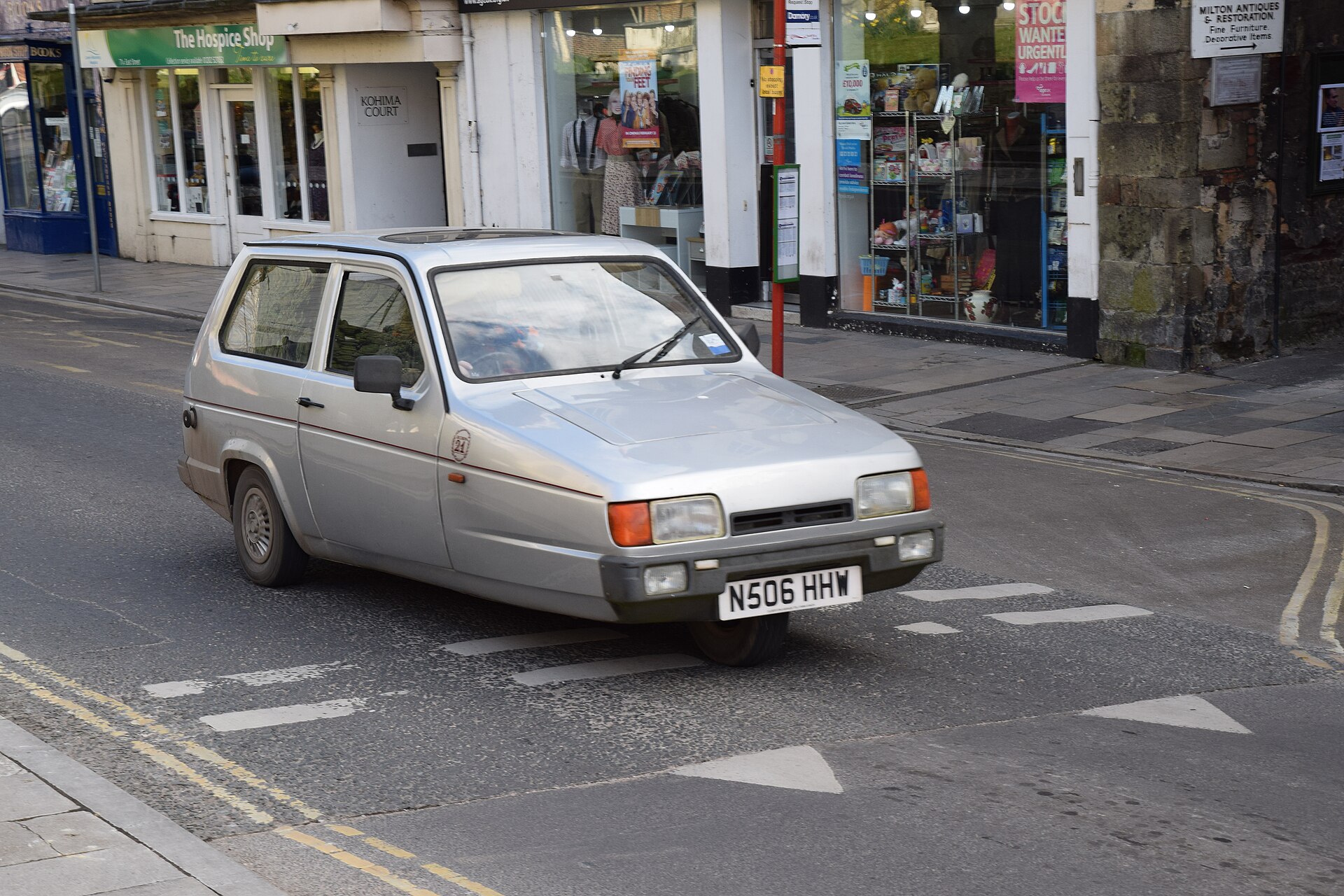
The Rialto, built from 1982 to 1997, was the three-wheeler that followed the first Robin. When the Robin name returned in 1989 the two were sold side by side, so for most of the 1990s Reliant offered two three-wheelers at once. Reliant's vehicles were sold in at least seven countries, according to the company article.
Revival in 1989 and the final Robins
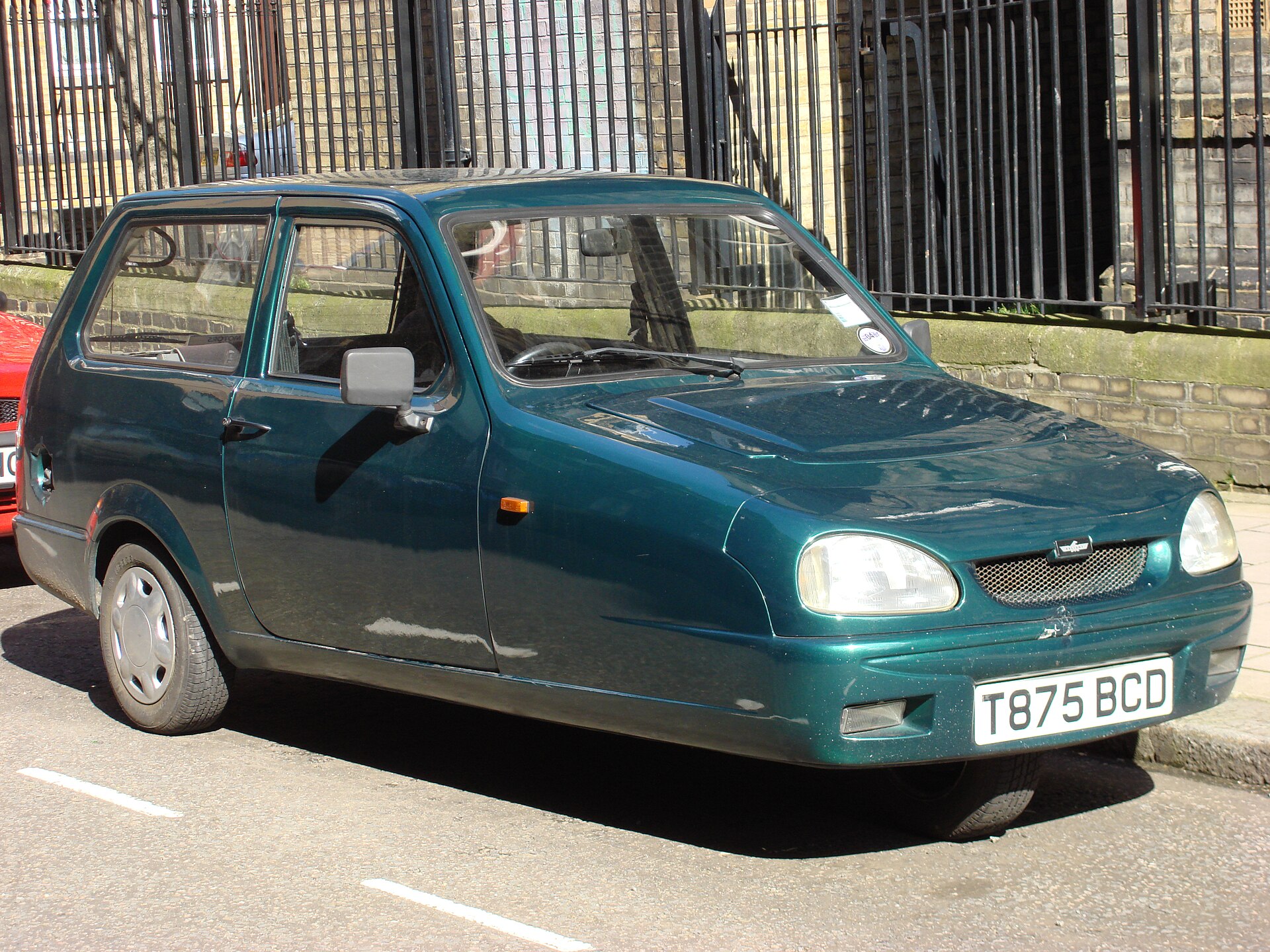
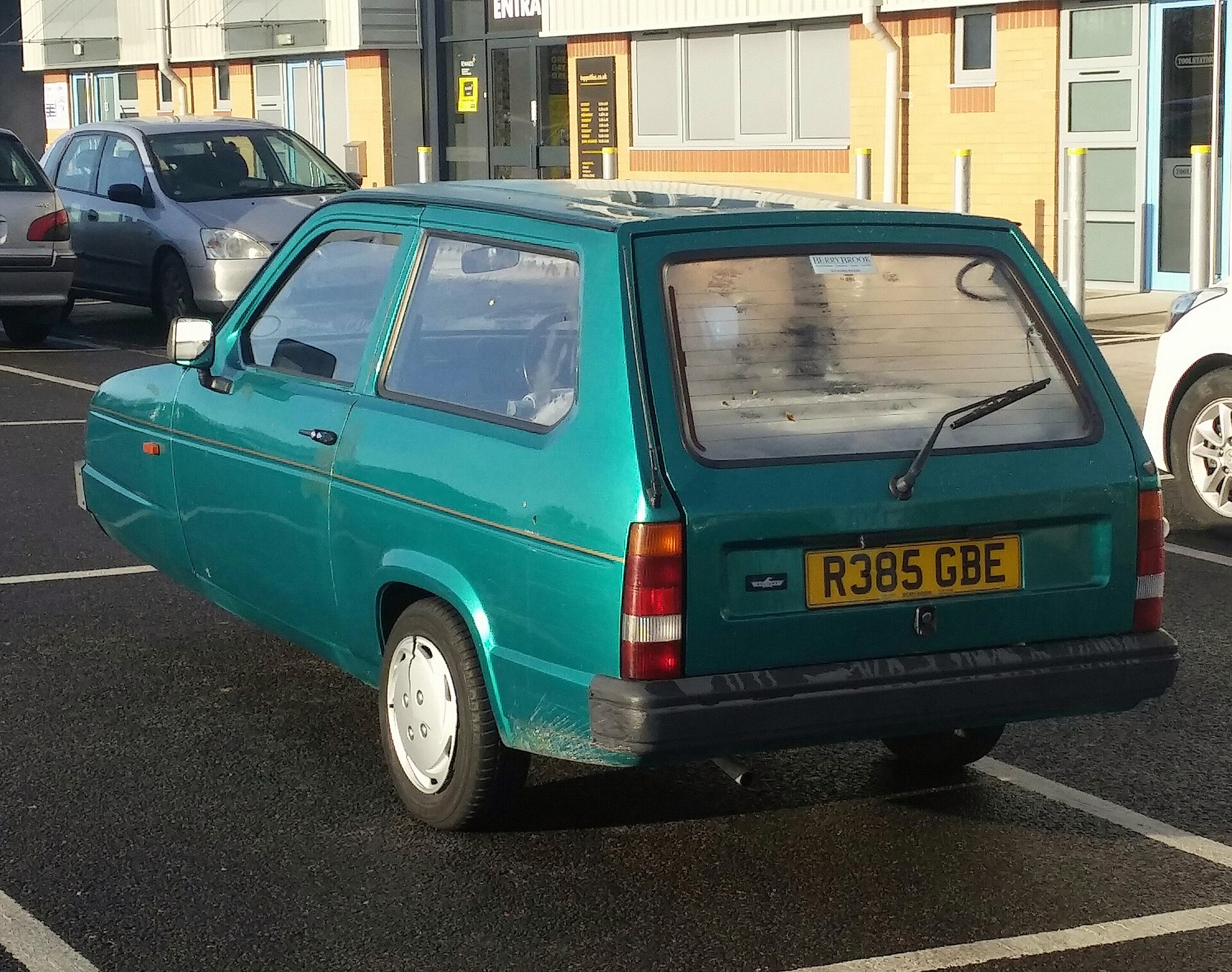
Reliant brought the name back in 1989 with a new fibreglass hatchback body, later joined by an estate and a van. In 1999 the car was redesigned under Andy Plumb; it was the first Robin designed with a computer. In 2000 the company announced that the Reliant Robin 65, priced at £10,000 and limited to 65 cars, would be the final model; Royale and BRG versions were also offered at the upper end of the range. The last Robin was given away by The Sun newspaper in a Valentine's Day competition in 2001.
| Phase | Years | Builder | Notes |
|---|---|---|---|
| First series | October 1973 – 1982 | Reliant, Tamworth | 750 cc, 850 cc from 1975 |
| Greek licence | 1974–1978 | MEBEA | - |
| Revived Robin | 1989–1999 | Reliant | hatchback, estate and van |
| Mk3 (1999 redesign) | 1999–2001 | Reliant | Robin 65 final edition, £10,000 |
| Licence build | July 2001 – 2002 | B&N Plastics | about 40 cars |
B&N Plastics resumed production under licence in July 2001. It was allowed to build 250 cars a year, but production faults held it back, and after about 40 complete cars the firm ran into financial trouble in October 2002. Reliant's own car production had ended in 2001.

Top Gear and the Robin on screen
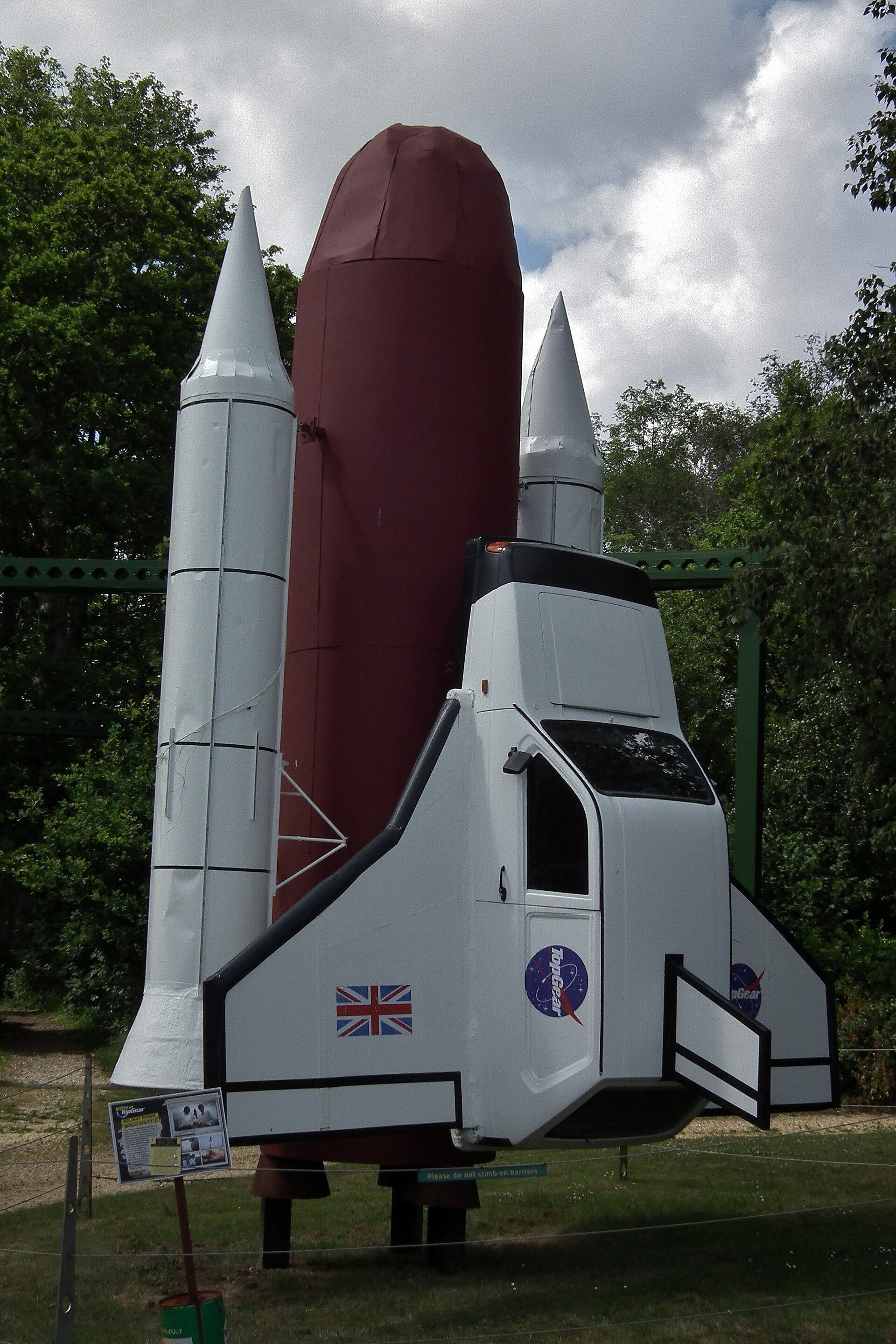
The Robin's fame grew through television. In Top Gear (series 9, episode 4, 18 February 2007), Richard Hammond and James May tried to turn a Robin into a reusable space shuttle; the fuel tank did not separate and the car exploded. In series 15, episode 1, Jeremy Clarkson drove a modified 1994 Robin 14 miles from Sheffield to Rotherham and rolled it at least six times; the car had a modified differential and wheels of unequal size.
In Alan Bennett's The Lady in the Van, a 1989 book, a 1999 play and a 2015 film, Miss Shepherd owns a Robin. The car also appears in the 1990 novel and 2019 TV series Good Omens, where Newton Pulsifer names his car after Dick Turpin, and in the 1992 Absolutely Fabulous episode "Iso Tank", where Joanna Lumley's character says Edina's isolation tank looks like a Robin Reliant.
On 24 October 2025 two drivers set off from London to Cape Town in a Mk3 Robin. After an engine replacement halfway, they arrived on 11 March 2026, having covered about 10,000 miles across 22 countries in 130 days.

Collecting a Robin today
Points to check on a Robin today:
- Phase: a first-series 850 from 1975–1982 is the classic shape; the 1989 and 1999 cars have the newer hatchback body.
- Licence: in the UK the old B1 rules no longer apply; check what entitlement you hold before buying.
- Engine: whether the car has the original 750 cc unit or the 850 cc engine introduced in 1975.
- Edition: the Robin 65 of 2000–2001 was limited to 65 cars.
Other cars of the decade are in the 1970s classics section.
Photo gallery


Reliant Robin photos 6
FAQ
When was the Reliant Robin made?
From October 1973 to 1982 in its first form, again from 1989 to 2001 at Reliant, and under licence by B&N Plastics in 2001–2002.
What engine does the Reliant Robin have?
A four-cylinder OHV petrol engine of 750 cc, enlarged to 850 cc in 1975, with a four-speed manual gearbox.
Why does the Reliant Robin have three wheels?
Its mass below 450 kg kept it in the tricycle category, so until 2001 it could be driven on a full motorcycle licence through the B1 entitlement.
Who built the last Reliant Robins?
B&N Plastics, under licence from July 2001; it completed about 40 cars before running into financial trouble in October 2002.
Who designed the Reliant Robin?
Ogle Design; the 1999 redesign was led by Andy Plumb.
Data sources
Data checked by an editor against the sources below.