 Matra Bagheera
Specs, engines and history
Published Sources (1) Report an error
By Oleksandr Hnatiuk, Automotive Editor & Used Car Specialist
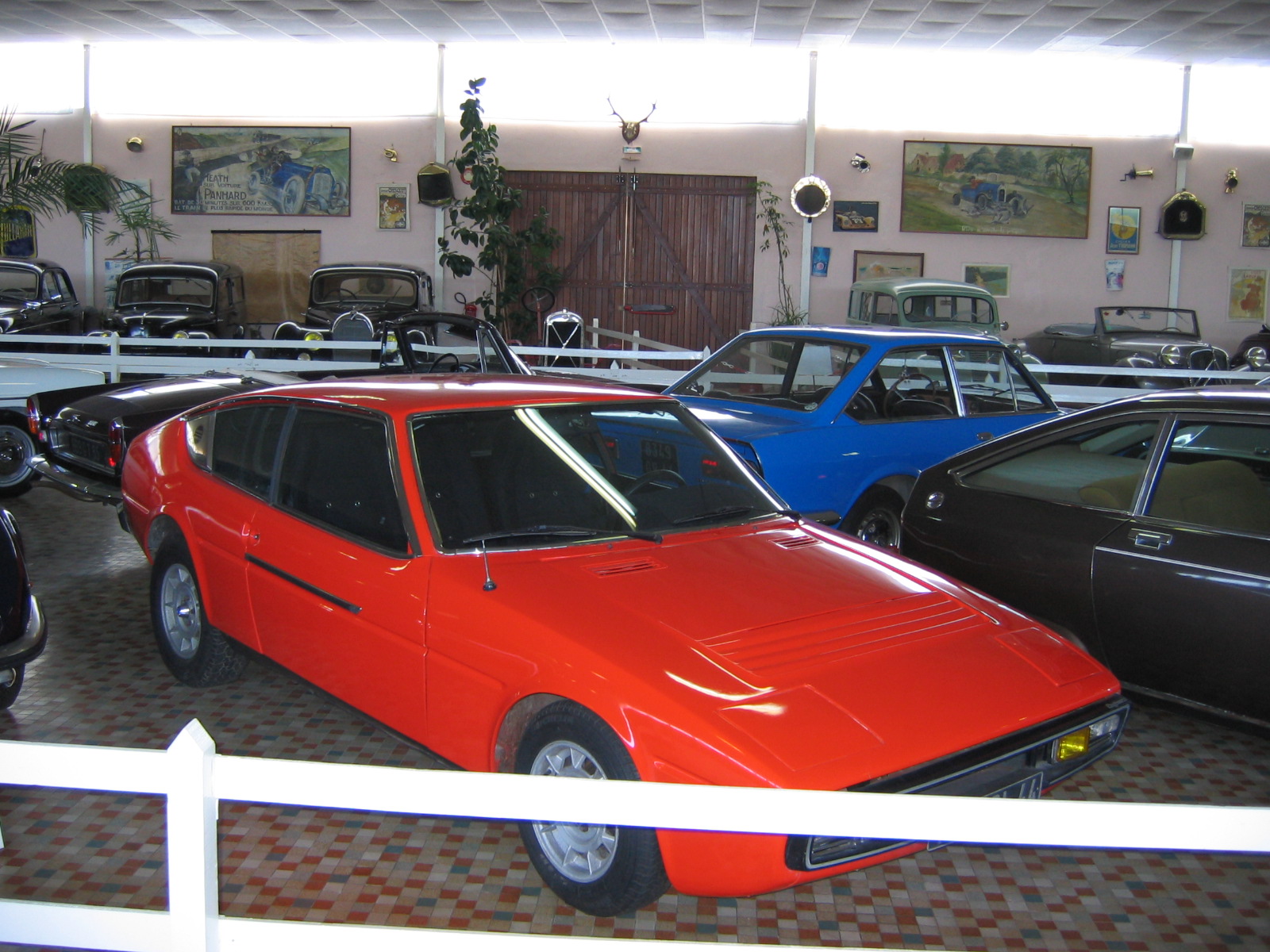
- Built
- 1973–1980
- Top power
- 67 kW (91 PS)
Matra came to cars from aerospace and weapons. The company, Mécanique Aviation Traction, was established in 1945, and under Jean-Luc Lagardère, chief executive from 1963, it bought the small sports car maker Automobiles René Bonnet and sold the Renault-powered Djet as the first road car with the Matra name. Matra raced as a Formula One constructor from 1967 to 1972 and won both world championships in 1969; it then won the 24 Hours of Le Mans three times in a row, in 1972, 1973 and 1974. On the road it built the 530, the Bagheera, the Murena and the Rancho, then the first three generations of the Renault Espace, until the Romorantin factory closed in 2003.
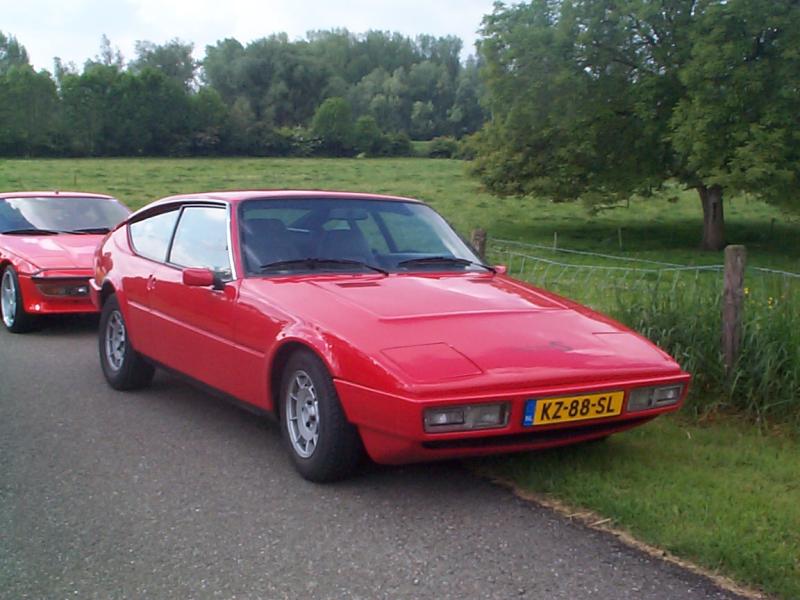
The Bagheera is the mid-engined sports coupé with three seats side by side that Matra built with Simca from 1973 to 1980. It used the engine and many running parts of the Simca 1100, a pressed-steel chassis and a body of polyester panels. A total of 47,802 were made, sold as the Matra-Simca Bagheera and, in its last year, as the Talbot-Matra Bagheera.
Specs by version
Verified Manufacturer and type-approval data from our catalog · Sources and methodology
In short
- Built from 1973 to April 1980 at Romorantin; 47,802 made.
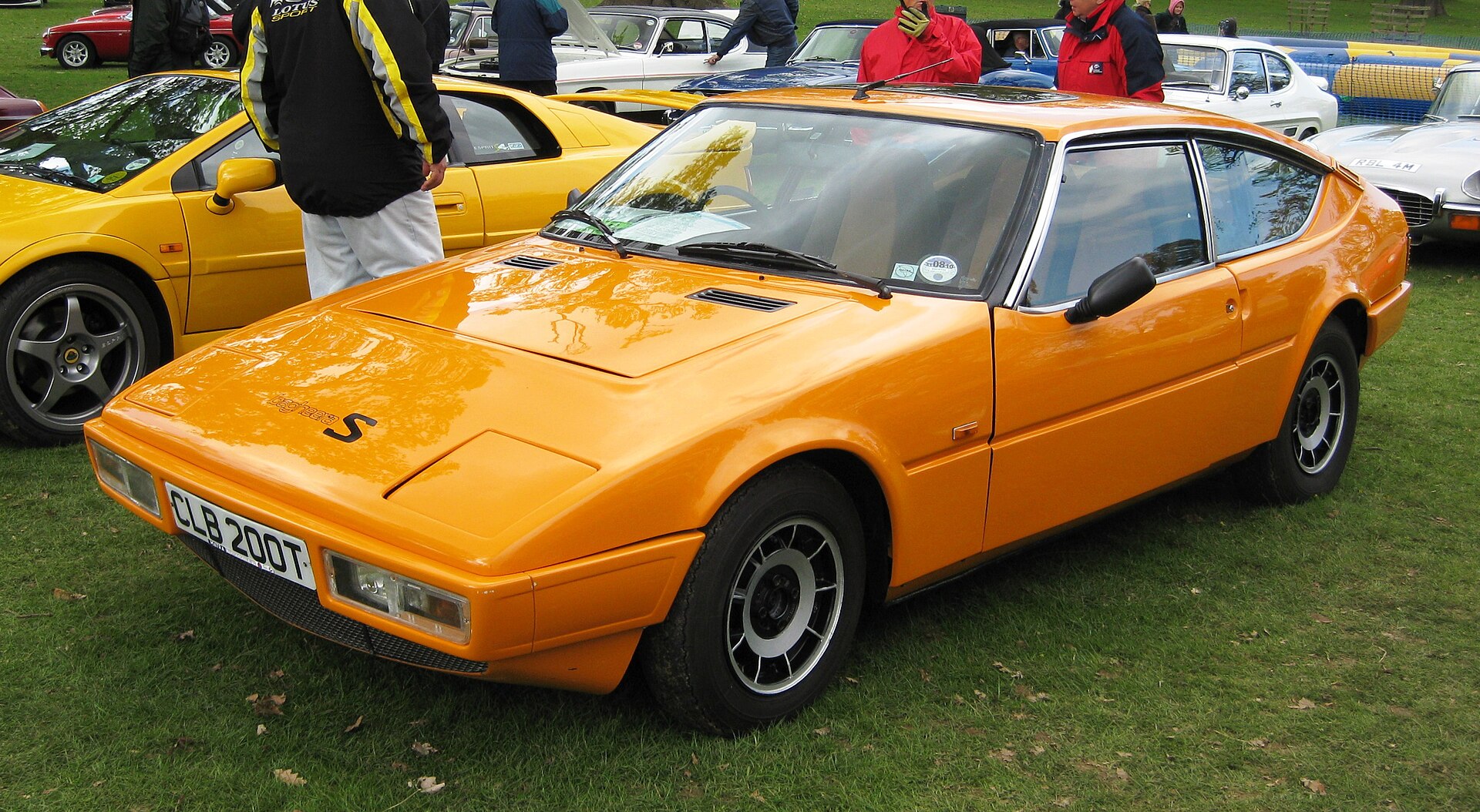
- Transverse mid-mounted Simca engine: 1,294 cc with 63 kW (84 hp), and from 1975 1,442 cc with 67 kW (90 hp) in the Bagheera S.
- Three seats in one row: the driver's seat plus a two-place bench on the passenger side.
- 19 glass-fibre-reinforced polyester panels on a steel chassis that had little corrosion protection.
Matra Bagheera at a glance
| Parameter | Metric | Imperial |
|---|---|---|
| Maker | Matra with Simca (Chrysler Europe), from 1979 Talbot | — |
| Production | 1973 – April 1980 | — |
| Built | 47,802 | — |
| Project | M550, led by Philippe Guédon | — |
| Body | three-door coupé, 2+1 seats in one row | — |
| Layout | transverse mid engine, rear-wheel drive | — |
| Engines | Simca inline four, 1,294 cc and 1,442 cc | 79.0 and 88.0 cu in |
| Power | 63 kW (84 hp) and 67 kW (90 hp) | — |
| Gearbox | four-speed manual | — |
| Wheelbase | 2,370 mm | 93.3 in |
| Length × width × height | 3,974 × 1,734 × 1,175 mm | 156.5 × 68.3 × 46.3 in |
| Kerb weight | 895 kg (base); 980–1,015 kg (S) | 1,973 lb; 2,161–2,238 lb |
| Drag coefficient | 0.33, from 1976 0.35 | — |
| Successor | Matra Murena (1980) | — |
Matra and Simca: the 1969 agreement
The Bagheera replaced the Matra 530, the first joint project under the agreement signed between Matra and Simca in December 1969. Simca was by then controlled by Chrysler, which held 77 % of its shares. Matra sold its car division to Chrysler Europe in the early 1970s; after Peugeot bought Chrysler Europe, Lagardère bought it back in 1983.
| Year | Event |
|---|---|
| 1945 | Matra established |
| 1964 | René Bonnet taken over; Matra Djet |
| December 1969 | Matra-Simca agreement |
| 1970 | M550 project starts |
| 14 April 1973 | press launch at Lake Annecy |
| 1973 | public debut at the 24 Hours of Le Mans |
| 1974 | Courrèges edition |
| 1975 | Bagheera S with 1,442 cc |
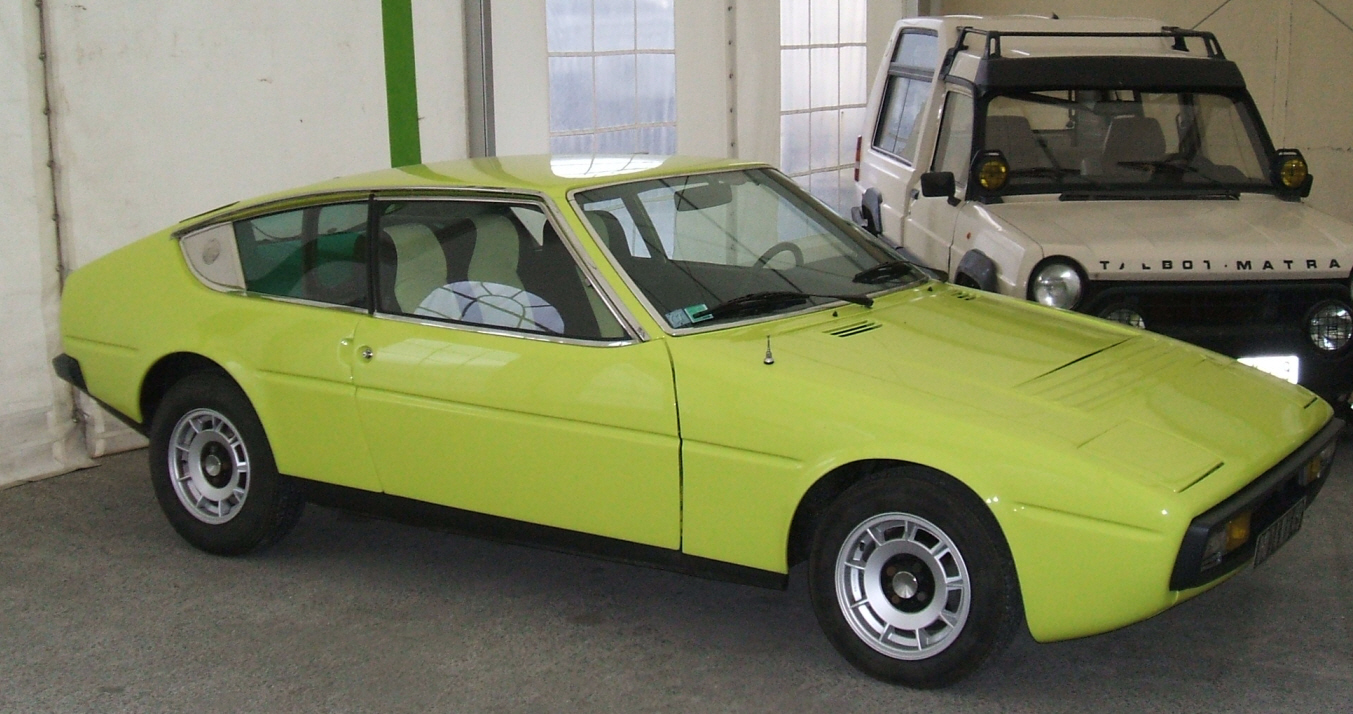
| 1976 | facelifted body ("type II") |
| 1977 | Bagheera X replaces the Courrèges |
| 1978 | Jubilé series, new dashboard and seats |
| 1979 | 1,294 cc engine and S dropped |
| April 1980 | production ends; Murena follows |
Development of the three-seater
Development began in 1970 under the code M550, led by Philippe Guédon with Jacques Rousseau and with direction from Marc Honoré. Jean Toprieux drew the first shape, Jacques Nochet refined it, and Antonis Volanis shaped the instrument panel and steering wheel. Guédon's idea for the seating came from a trip in a Ford Taunus: the driver sits in a normal seat, and two passengers share a single bench on the right.
Eleven prototypes were tested in climates from Mauritania to Lapland, and development was finished by the end of 1972. For production, the rear suspension was redesigned with trailing arms and transverse torsion bars, replacing the prototype's layout. The name came from the panther Bagheera in Rudyard Kipling's The Jungle Book.


Simca engine in the middle
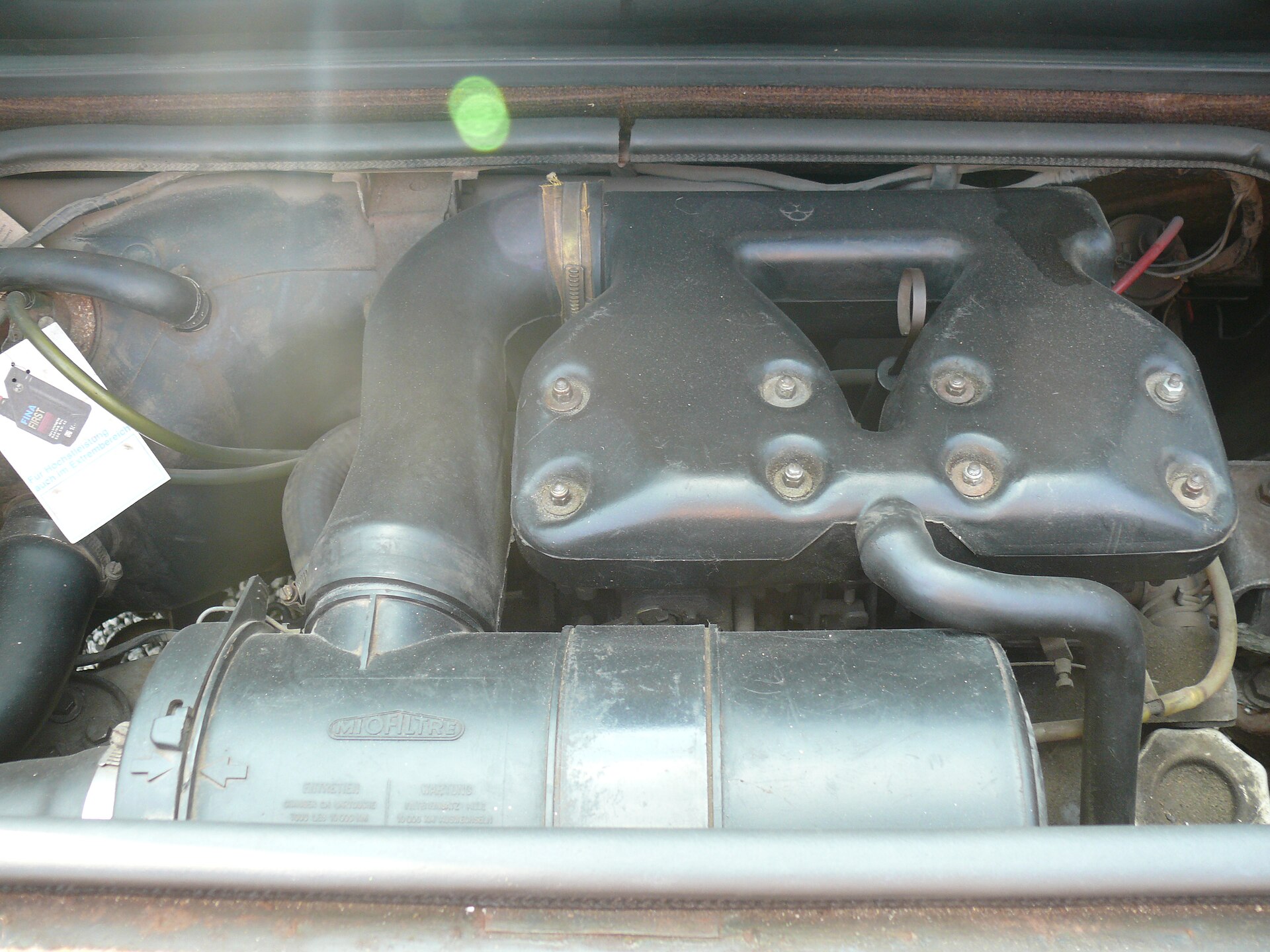
The engine came from the Simca 1100 Ti, which also supplied the front suspension, the gearbox and many other suspension parts. In the 1100 the engine drove the front wheels; in the Bagheera it sat transversely behind the cabin, so the car became mid-engined.
| Version | Engine | Power | Top speed | 0–100 km/h | Weight |
|---|---|---|---|---|---|
| Bagheera (1973) | 1,294 cc | 63 kW (84 hp) at 6,000 rpm | 185 km/h; 186.5 km/h measured by Auto, Motor und Sport (1974) | 11.5 s; 12.2 s measured (1974) | 895 kg |
| Bagheera S (1975) | 1,442 cc, from the Simca 1308 GT | 67 kW (90 hp) | 190 km/h | 10.9 s | 980–1,015 kg |
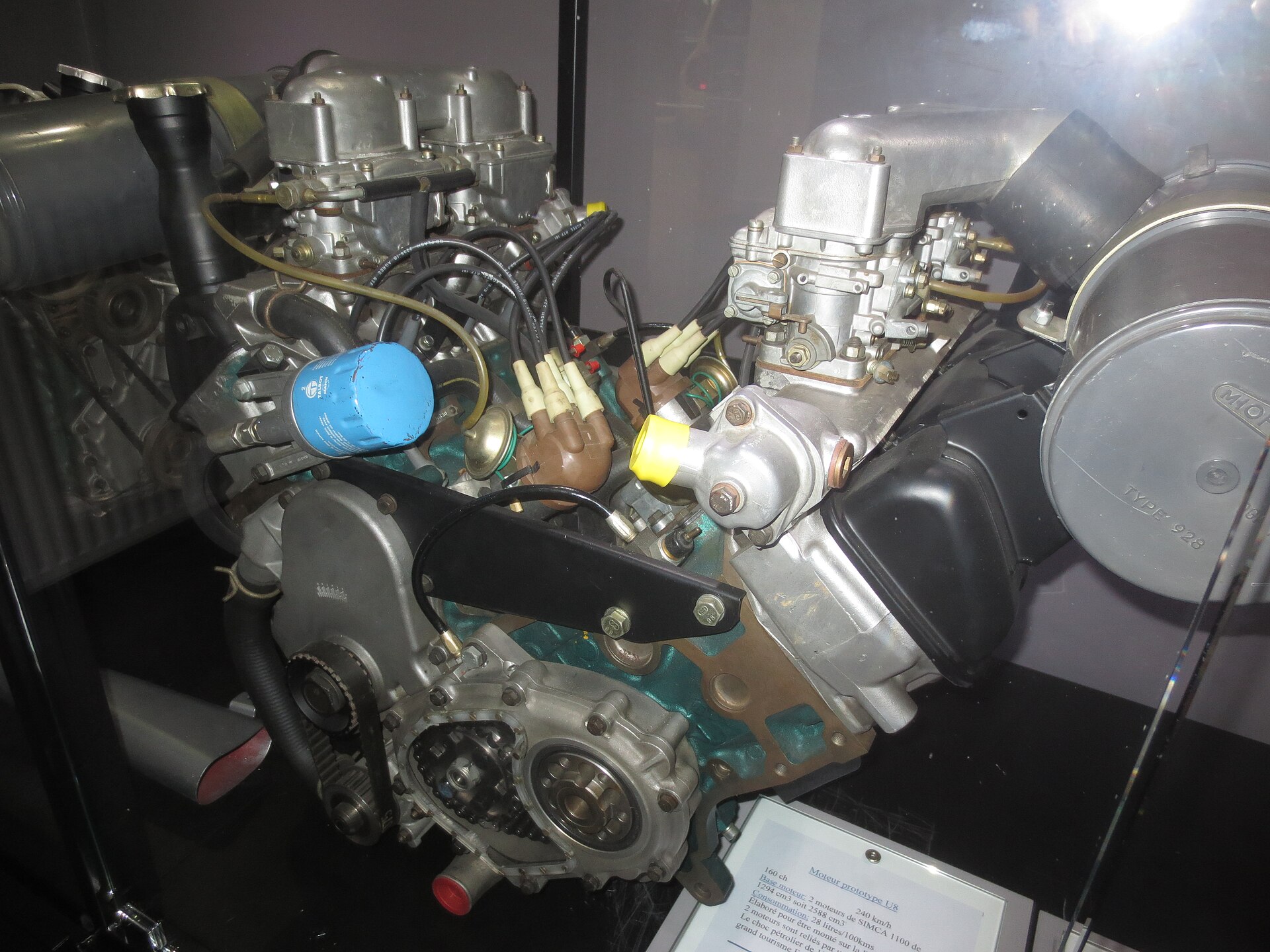
| U8 prototype (M560) | 2,588 cc, two Simca fours joined | 126 kW (169 hp) | — | — | — |
With 63 kW and 895 kg, a base Bagheera has about 70 kW per tonne, and an S about 67 kW per tonne at 1,000 kg; the power-to-weight calculator puts these figures next to modern cars. A more powerful project, the U8, combined two Simca four-cylinder blocks into a 2,588 cc engine of 126 kW, but Chrysler Europe refused it because of the fuel crisis and its own finances, and only three were built.

Polyester body on a steel frame
The body consisted of 19 panels of glass-fibre-reinforced polyester, made by a low-pressure, high-temperature pressing process and bonded to a pressed-steel chassis. The panels themselves do not rust, but the chassis had little corrosion protection, and many cars suffered from chassis rust. Early cars also had water leaks and mechanical faults that hurt sales, and in 1975 the German motoring club ADAC gave the Bagheera its "Silver Lemon" award for the worst new car. Matra fully galvanised the chassis of the Murena that followed.
Versions and special editions
| Variant | Years | Notes | Built |
|---|---|---|---|
| Bagheera ("type I") | 1973–1976 | original body, 1,294 cc | 45,605 for all standard cars |
| Courrèges | 1974–1977 | styled by André Courrèges, all white inside and out | 661 |
| Bagheera S | 1975–1979 | 1,442 cc engine | included above |
| Facelifted Bagheera ("type II") | 1976–1980 | wrap-around bumpers, Cd 0.35 | included above |
| Bagheera X | 1977–1980 | fully equipped, replaces the Courrèges | 1,440 together with Jubilé |
| Jubilé | from April 1978 | marks the Horizon's Car of the Year title | included with X |

Sales, prices and the end
Production reached 65 cars a day by late 1973, and more than 10,000 were sold within about eighteen months, by June 1974. The Bagheera won the 1973 Style Auto Award. In Germany in 1974 it was priced between its obvious rivals:
| Car (Germany, 1974) | Price |
|---|---|
| Matra-Simca Bagheera | DM 14,198 (1974) |
| Alfa Romeo GT 1300 Junior | DM 14,490 (1974) |
| Opel Manta SR 1900 | DM 13,990 (1974) |
In other words, the Bagheera cost DM 208 more than the Manta SR and DM 292 less than the Alfa Romeo coupé.
After PSA took over Simca, the car became the Talbot-Matra Bagheera for its final year. Production ended in April 1980 at 47,802 cars, and the Murena took its place. The Peugeot side of that story is told in the history of Peugeot.
Romorantin after the Bagheera
The Bagheera was the start of a long run of unusual cars from Romorantin-Lanthenay. The Murena of 1980 followed with a fully galvanised chassis, and the Rancho was an early SUV. Matra's partnership with Renault then produced the Espace people carrier, launched in 1984; Matra built its first three generations, while Renault made the fourth in-house. At its peak, the plant built 60,000 vehicles a year.
The last Matra-built car was the Renault Avantime, in production from 2001 and a poor seller. On 27 February 2003 Matra Automobiles announced that Romorantin would close a month later, and the car division was declared bankrupt. Pininfarina bought the engineering, testing and prototype businesses in September 2003 as Matra Automobile Engineering and sold its stake to Segula Technologies on 13 January 2009.
Choosing a Bagheera today
- Chassis: the main weakness is rust in the steel frame under the polyester body.
- Engine: the S with 1,442 cc has the most power; the 1,294 cc engine was dropped in 1979.
- Rarity: the Courrèges (661 built) and the X and Jubilé (1,440 together) are scarce.
- Shape: the 1973–1976 cars have the original body and the lower drag coefficient of 0.33.
Other French and European sports cars of the decade are in the 1970s classics section.
Photo gallery


Matra Bagheera in our rankings
- No. 495 of 912 · Longest-running car nameplates (7 years · top 60%)
- No. 79 of 88 · Most powerful cars of the 1970s (67 kW · top 90%)
- No. 516 of 557 · Biggest engines: cars (1,442 cc · top 93%)
- No. 805 of 859 · Most powerful cars (67 kW · top 94%)
- No. 52 of 56 · Most powerful French cars (67 kW · top 95%)
- No. 306 of 313 · Most powerful coupes (67 kW · top 98%)
In production longer than 40% of ranked nameplates in the 1CARS catalog (No. 495 of 912).
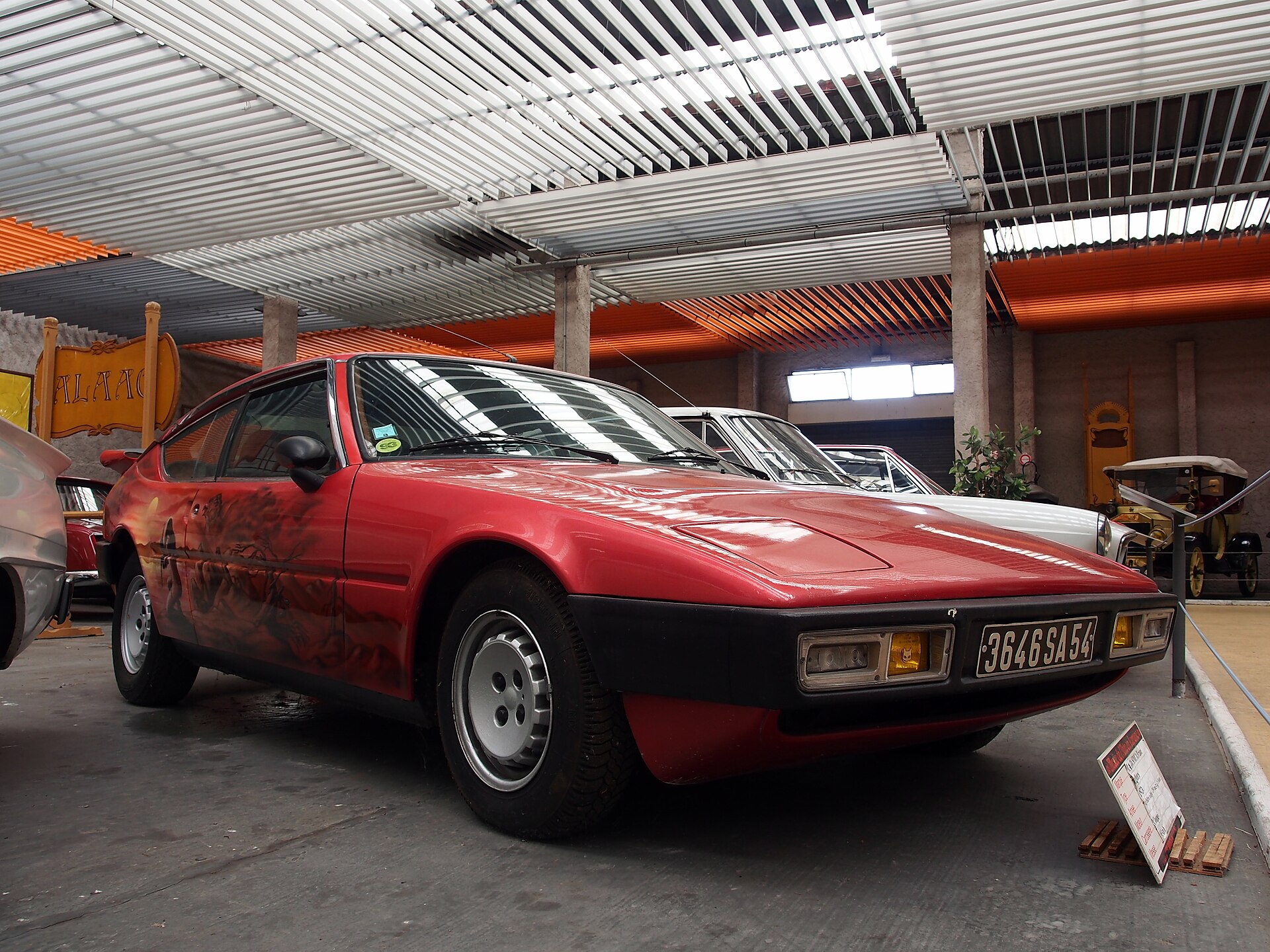
Matra Bagheera photos 6
FAQ
How many Matra Bagheeras were built?
47,802, from 1973 to April 1980.
Why does the Matra Bagheera have three seats?
Philippe Guédon wanted a sports car for three; the driver has a normal seat and two passengers share a bench alongside.
What engine does the Matra Bagheera have?
A transversely mid-mounted Simca four: 1,294 cc with 63 kW (84 hp), or 1,442 cc with 67 kW (90 hp) in the Bagheera S.
Does the Matra Bagheera rust?
The polyester body panels do not, but the pressed-steel chassis had little protection and many cars suffered chassis corrosion.
What replaced the Matra Bagheera?
The Matra Murena of 1980, which had a fully galvanised chassis.
Data sources
Data checked by an editor against the sources below.