
Archive first published
Best Winter Tyres of 2018–2019: What the Tests Showed
In 2018–2019, the biggest European tyre test for the cold season, run by the German club ADAC in size 205/55 R16, was won by the Continental WinterContact TS 860. The Goodyear UltraGrip 9 and Dunlop Winter Sport 5 followed. No tyre won every discipline, and all three have since been replaced, so the lasting value lies in knowing how such tests work.

Key takeaways
- 2018 ADAC test, 205/55 R16: 16 tyres; Continental and Goodyear both scored 2.2 ("good"), and the lowest-ranked tyre failed in the wet.
- Test weighting: wet grip counts most, followed by snow and dry handling; ice, wear, fuel use and noise make up the rest.
- Type first, brand second: a Central European test winner is not the best choice for icy Nordic roads, and the reverse is also true.
- Today, look for a test from the current season in your tyre size and check the tyre's weakest score, not only its rank.

The 2018–2019 test winners in brief
ADAC publishes its main winter tyre tests every autumn, usually in one popular size for small and compact cars and one for larger cars. Its 2018 test of 205/55 R16 tyres, the size of many compact hatchbacks and estates, ranked 16 models. The top three and the last place were reported as follows:
| Place | Tyre | ADAC mark | Comment |
|---|---|---|---|
| 1 | Continental WinterContact TS 860 | 2.2 (good) | very balanced; best wet result |
| 2 | Goodyear UltraGrip 9 | 2.2 (good) | equal best in the wet |
| 3 | Dunlop Winter Sport 5 | 2.3 (good) | strong all-rounder |
| 16 | Laufenn I FIT LW31 | 5.5 (insufficient) | very weak in the wet |
In the ADAC system a lower mark is better, from 1.0 (very good) to 5.5 (insufficient). Famous brands did not automatically do well. In the same test the Michelin Alpin 5 had the best dry and wear scores but was weaker on snow. The Nokian WR D4 was among the best on snow but weaker on wet and dry roads.
How winter tyre tests are scored
A winter tyre test is a set of measured disciplines, each weighted and combined into one mark. According to Tyre Reviews, ADAC used the following weights in 2018:
| Discipline | Weight | What is measured |
|---|---|---|
| Wet | 30 % | braking, handling and aquaplaning on wet tarmac |
| Snow | 20 % | braking, traction and handling on packed snow |
| Dry | 15 % | braking and handling on dry roads |
| Ice | 10 % | braking and traction on ice |
| Wear | 10 % | expected mileage |
| Fuel consumption | 10 % | rolling resistance |
| Noise and comfort | 5 % | interior and pass-by noise, ride |
By our calculation, the three safety disciplines on cold, wet or snowy roads (wet, snow and ice) make up 60 % of the result. The weighting shows what ADAC expects of a winter tyre in Germany and its neighbours, where most winter days are wet and just above freezing rather than icy. Nordic tests, by contrast, put ice and snow first, because that is what drivers there face for months.
The temperature rule of thumb is also worth knowing. Tyre makers say winter tyres pay off below about 7 °C. Testers have questioned the exact figure. On dry or wet roads near freezing, a good summer tyre can still stop shorter, but on snow and ice the cold-weather tyre is far ahead. ADAC has also measured that winter tyres used in summer can need up to 16 m more to stop from 100 km/h than summer tyres.
The tyres on our 2018–2019 list, by type
The original version of this page recommended a set of studless and studded tyres for that season. Each belongs to a specific type, and the type matters more for the buyer than the brand:
| Tyre (2018–2019 list) | Type | Suits |
|---|---|---|
| Michelin Pilot Alpin 5 | Central European winter tyre | fast driving on cold, wet and occasionally snowy roads |
| Nokian Hakkapeliitta R2 SUV | Nordic studless tyre | snowy, icy roads where studs are banned or unwanted |
| Goodyear UltraGrip Ice 2 | Nordic studless tyre | icy and snowy roads |
| Bridgestone Blizzak Ice | Nordic studless tyre | ice and packed snow |
| Nordman RS2 | Nordic studless tyre, lower price | budget option for snowy winters |
| Nokian Hakkapeliitta 8 SUV | studded tyre | sheet ice and long, cold winters |
| Michelin X-Ice North | studded tyre | icy northern roads |
| Continental IceContact 2 | studded tyre | ice and hard-packed snow |
The Hakkapeliitta name has a long history. Nokian Tyres in Finland designed its first tyre for snow in 1934 and introduced the Hakkapeliitta name in 1936. The company still tests at a permanent proving ground in Ivalo, in Arctic Lapland. All of the models on the list have been followed by newer generations, so they should not be bought as old stock today.
How to use a winter tyre test: step by step
- Find a test in your size or one close to it. Results in 205/55 R16 do not automatically carry over to 245/40 R19, because tyre makers tune each size range. The tyre size calculator shows which sizes are close to yours.
- Check the year. Use a test from the current or previous season, as models change every few years.
- Match the test to your climate. Central European tests reward wet grip; Nordic tests reward ice grip. Choose the test from the region whose winters resemble yours.
- Read the weakest score. A tyre that ranks third but has no weak discipline can be a better choice than a winner with one poor result.
- Compare the EU label. It gives wet grip, rolling resistance and noise classes for every tyre sold in the EU, including ones that were never tested.
- Confirm the markings. The three-peak mountain snowflake (3PMSF) symbol is the reliable sign of snow ability. Our guide on choosing the right winter tyres explains the markings and national rules in detail.
| Step | What to check | Tools / time |
|---|---|---|
| 1 | test in your size | tyre size calculator, 5 minutes |
| 2 | test year | test report, 1 minute |
| 3 | climate match | Central European or Nordic test |
| 4 | weakest discipline | score table, 5 minutes |
| 5 | EU label | EPREL database or label, 5 minutes |
| 6 | 3PMSF and ice grip symbols | tyre sidewall |
Winter tyre types compared
| Option | Best for | Pros | Cons | Typical cost (EUR) |
|---|---|---|---|---|
| Central European winter tyre | wet, slushy, mostly mild winters | strong wet and snow grip; usually tops ADAC tests | weaker on sheet ice than Nordic tyres | mid-range |
| Nordic studless tyre | long winters with snow and ice | best ice grip without studs; legal where studs are banned | softer, less precise and often weaker in the wet | mid-range to higher |
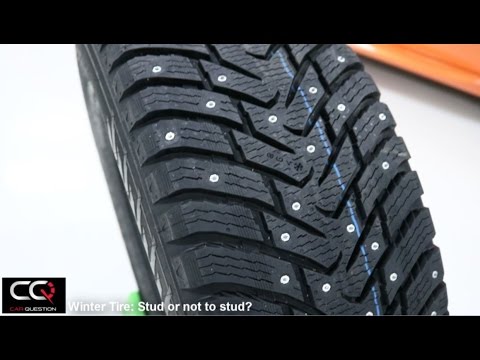
| Studded tyre | sheet ice and very cold winters | highest grip on ice | noisy, damages roads, banned in many countries | higher |
| All-season tyre with 3PMSF | mild climates with occasional snow | one set all year | a compromise in deep winter | lower over a year |
The ice grip symbol, standardised under ISO 19447 in 2021, marks tyres that brake at least 18 % better on ice than a reference tyre. It is found mainly on Nordic studless tyres. Its absence on a Central European tyre is normal and says nothing about its wet performance.
What winter tyres cost to run
Tyre prices vary too much by size and brand for a single figure, but the EU label helps estimate running costs. According to the European Commission, one rolling-resistance class can mean about 80 litres of fuel over a tyre's life for a combustion car. By our calculation, at €1.70 a litre that is about €136 over the life of a set, a real saving next to a small difference in purchase price. One wet grip class can add 3 to 6 metres to the stopping distance, which is the stronger argument for paying more. Our fuel cost calculator helps estimate your own consumption.
Common mistakes when reading tyre tests
- Buying the winner of the wrong test. A tyre that tops a Central European test may be a poor choice for regular ice.
- Ignoring the size. Results apply to the tested size range only.
- Buying old stock. Check the four-digit DOT date code; ADAC advises not to use tyres older than eight years at all, and many experts replace winter tyres sooner.
- Running worn winter tyres. ADAC recommends at least 4 mm of tread on winter tyres, well above the 1.6 mm legal minimum in most of Europe.
- Mixing types on one car. Fit four identical tyres so that both axles grip in the same way.
Safety and legal notes
Rules differ from country to country. Germany has accepted only tyres with the 3PMSF symbol for wintry roads since October 2024, and Austria requires winter tyres in winter conditions from 1 November to 15 April. Studded tyres are banned in Germany and the Netherlands but allowed in season in the Nordic countries. Tyres are only half the story on ice; our rules for driving on ice cover the other half. For an overview of the companies behind the tyres, see our ranking of the world's biggest tyre manufacturers.
FAQ
Which winter tyre won the ADAC test in 2018?
In ADAC's 2018 test of 16 tyres in size 205/55 R16, the Continental WinterContact TS 860 came first with a mark of 2.2. The Goodyear UltraGrip 9 had the same mark and the Dunlop Winter Sport 5 followed with 2.3.
Are the 2018–2019 winter tyres still worth buying?
Not as new old stock. Most of the models tested in 2018 have been replaced by newer versions, and tyres age even when unused, so check the DOT date code and buy a current model.
Are studded or studless winter tyres better?
On sheet ice, studded tyres grip best. On wet roads and in mild winters, studless tyres are quieter and often better. Studs are also banned in many countries, including Germany and the Netherlands.
What does a winter tyre test measure?
Tests measure braking and handling on wet, snowy, icy and dry roads, plus wear, rolling resistance and noise. ADAC's 2018 weighting gave the wet tests 30 % of the result and snow 20 %, with ice, dry roads and running costs making up the rest.
How often are winter tyre tests published?
The big European tests are published every autumn, before the winter season. Using the latest one matters, because tyre makers replace models every few years and a strong result from 2018 says little about today's tyres.
Videos 2
Video 1

Video 2


