The True Cost of Owning a Car: How to Work It Out
The true cost of owning a car is depreciation plus fuel or electricity, insurance, tax, servicing and tyres, and finance if you borrow. Divide that by the years and kilometres you drive. Take a €25,000 car (2026 example) kept five years and driven 15,000 km a year. In our 2026 example its owning costs come to about €6,000 a year, or roughly €0.40 per kilometre. Depreciation alone is almost half of that. Most buyers only count the monthly payment and fuel, and underestimate the real figure by a third or more.
Key takeaways
- Depreciation is usually the biggest cost of a newer car; fuel takes over on older, cheaper cars driven far.
- Work it out per kilometre: it is the only figure that compares a new and a used car, or a car with car-sharing.
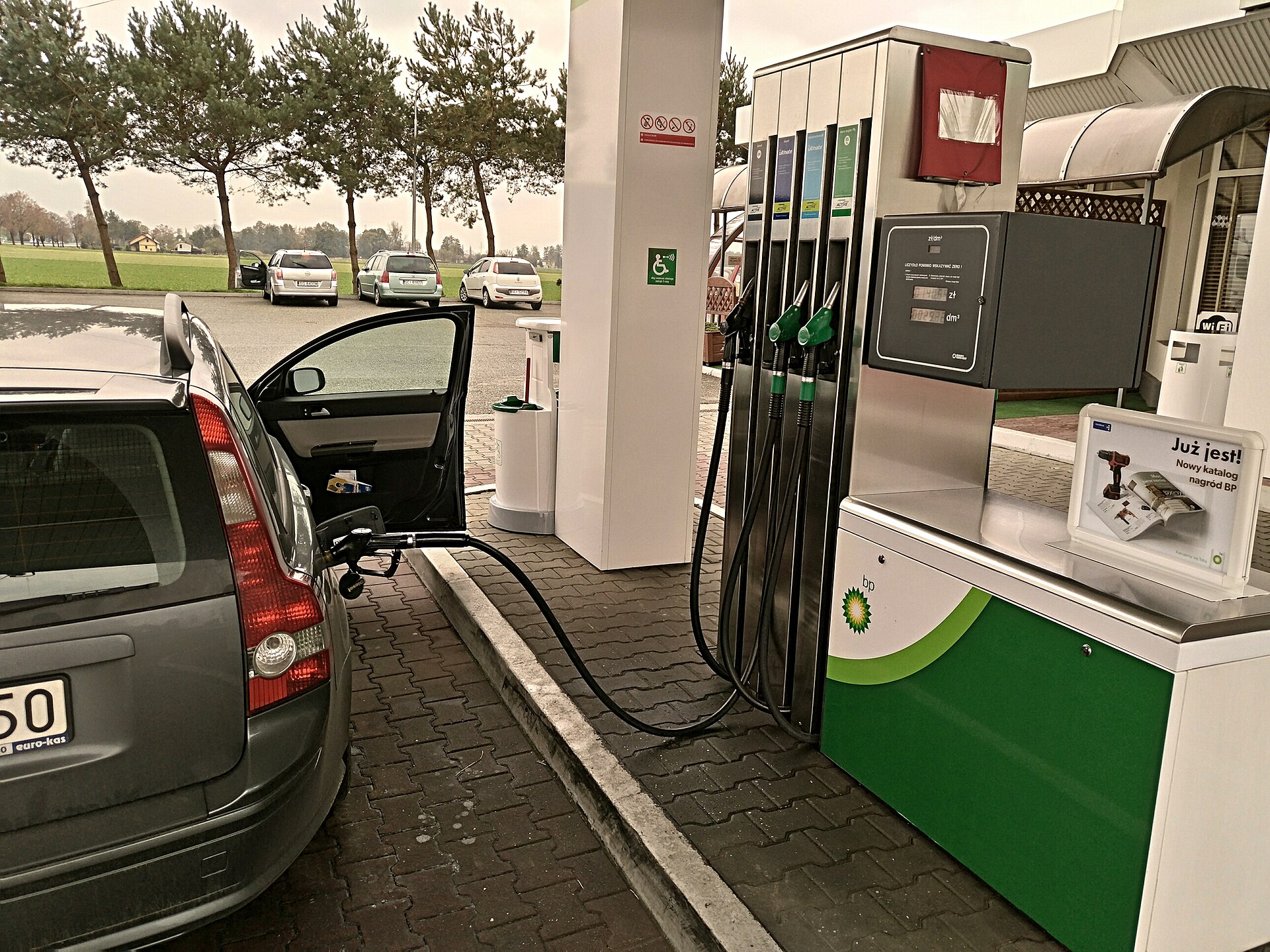
- Charging at home at the EU average electricity price cost about €4.90 per 100 km in late 2025, against about €11.40 for a petrol car using 6.5 l/100 km at €1.75 per litre (2026 example).
- Finance, parking and tolls are extra: add them before you decide what you can afford.
The six costs of owning a car
| Cost | What drives it | Typical share |
|---|---|---|
| Depreciation | Purchase price, brand reputation, age, mileage, fuel type | Largest for new and nearly new cars |
| Fuel or electricity | Distance, consumption, fuel price, home charging | Largest for old cars and high mileage |
| Insurance | Driver age and record, car value, power, where you live | Higher for young drivers and powerful cars |
| Maintenance and tyres | Service interval, labour rates, tyre size, timing belt | Rises with age |
| Tax and registration | National rules, CO2 emissions, engine size, weight | Varies widely by country |
| Finance | Rate, term, deposit, balloon | Zero if you pay cash |
The German motoring club ADAC compares the full running costs of more than 9,000 models. Its rankings assume five years of ownership and 15,000 km a year. Those are sensible defaults if you do not know your own figures yet.
A worked example in EUR
Here is a typical family hatchback, using the default values of our cost of ownership calculator. In 2026 it costs €25,000 and loses 15% of its value a year over five years of owning it. It covers 15,000 km a year at 6.5 l/100 km, with fuel at €1.75 per litre in 2026. Insurance is €700, road tax €200 and maintenance with tyres €600 a year (all 2026 example values).
| Cost over 5 years | Amount | Share |
|---|---|---|
| Depreciation (value falls to about €11,090) | €13,907 (2026) | 46% |
| Fuel (4,875 litres) | €8,531 (2026) | 28% |
| Insurance | €3,500 (2026) | 12% |
| Maintenance and tyres | €3,000 (2026) | 10% |
| Road tax | €1,000 (2026) | 3% |
| Total | €29,939 (2026) | 100% |
That works out at about €5,990 a year, €499 a month or €0.40 per km in this 2026 example. Change one assumption and the picture moves. Drive 25,000 km a year and fuel overtakes depreciation. Buy the same car at three years old and depreciation shrinks sharply.
Depreciation: the cost you never see
Depreciation is the difference between what you pay and what you get back. It is invisible until you sell, which is why it is so easy to ignore. Our calculator applies a fixed percentage to the remaining value each year. At 15% a year, a car keeps 0.85 to the power of five, or about 44% of its price after five years of owning it.
Ways to reduce it:
- Buy at two to four years old, after the steepest loss.
- Choose models and versions with strong demand on the used market; mainstream engines and colours resell faster.
- Keep the service history complete and the mileage reasonable for the car's age.
- Hold the car longer: the yearly loss shrinks as the value falls.
Fuel or electricity
Fuel cost per year = kilometres × l/100 km ÷ 100 × price per litre. Use real-world consumption, not the official figure: our fuel economy converter turns mpg into l/100 km, and the fuel cost calculator prices any trip.
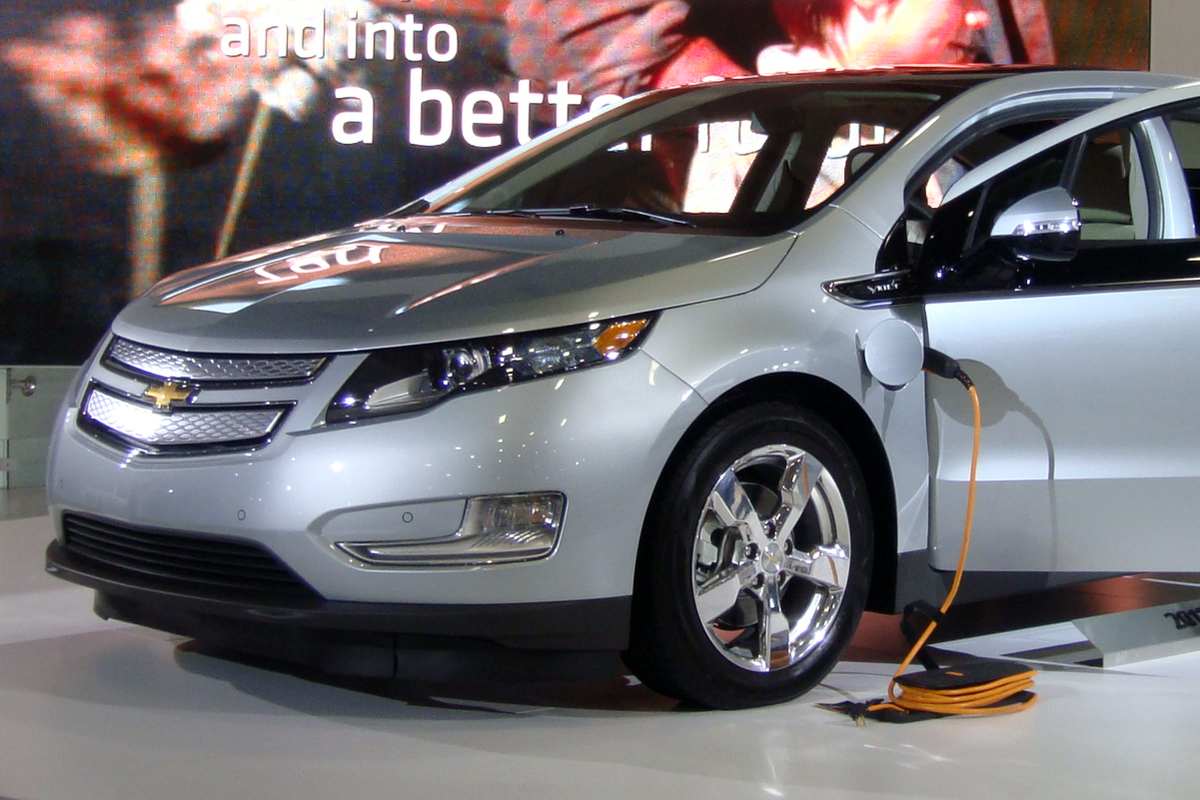
For electric cars, Eurostat puts the EU average household electricity price at €0.29 per kWh including taxes in the second half of 2025. Prices in the second half of 2025 ranged from about €0.11 in Hungary to over €0.40 in Ireland. At an assumed 17 kWh per 100 km, home charging cost about €4.90 per 100 km at the 2025 EU average. Over 15,000 km that came to roughly €740 a year in 2025. The petrol car in our 2026 example spends about €1,710 a year. Public fast charging is usually far dearer than home charging, so the saving depends on where you plug in.
Fleet data points the same way. Ayvens' Car Cost Index 2025 covers four-year corporate leases at 30,000 km a year in 28 European countries. In the compact segment it found battery-electric cars cheaper in total than comparable combustion cars in 18 of the 28 countries. For mid-sized cars that was true in only 11 countries. The average across all powertrains was €1,090 a month in 2025, from €815 in Greece to €1,252 in Switzerland.
Insurance, tax, servicing and tyres
- Insurance: get quotes before you buy. Power, theft rates and repair costs move premiums a lot, and a car one group lower can save more than any fuel-economy gain.
- Tax: registration and annual taxes differ by country and are often based on CO2, engine size or weight. Check your national calculator for each shortlisted model.
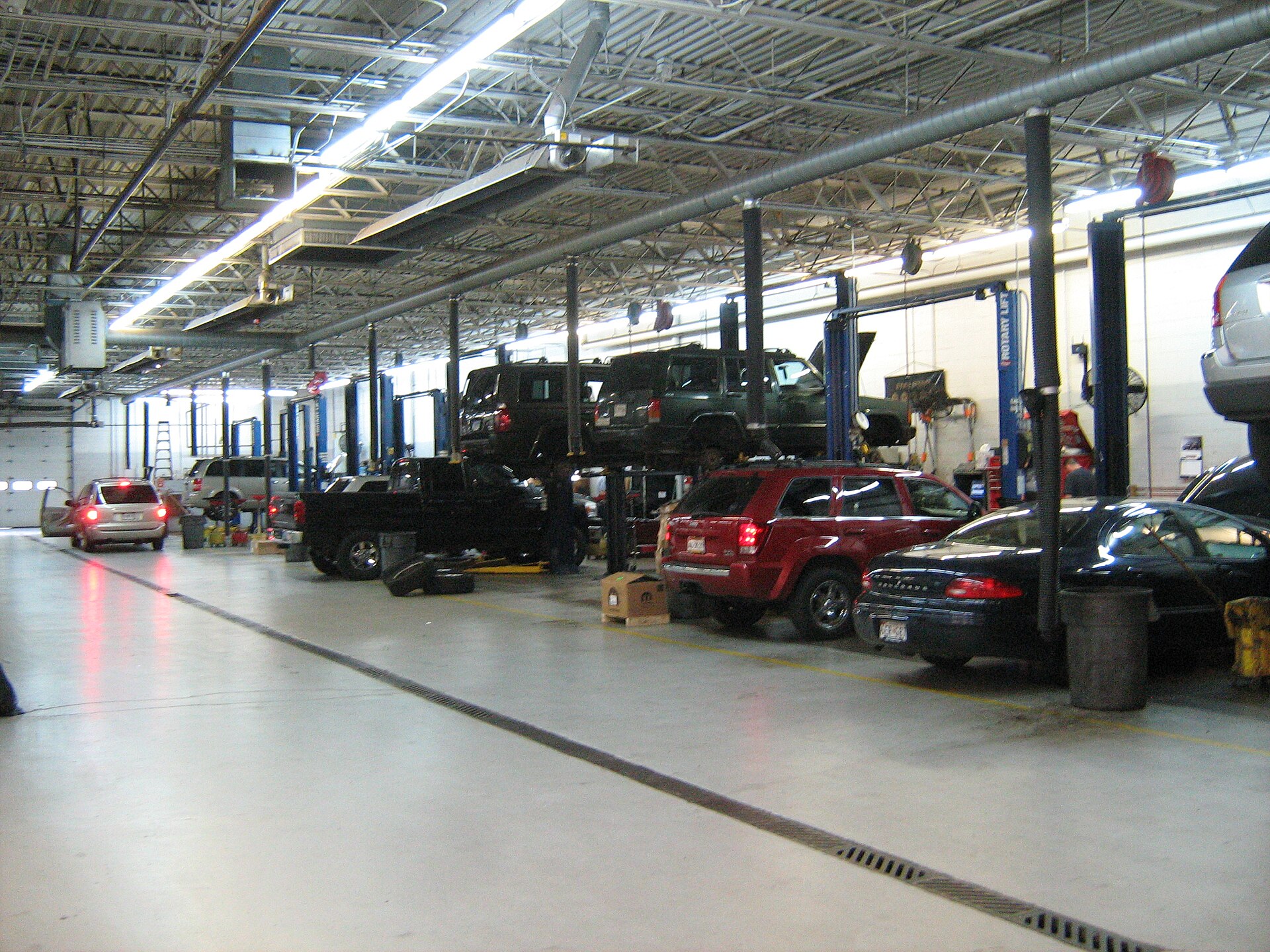
- Servicing: compare fixed and long-life service schedules, and price the big items in advance: timing belt, clutch, brakes and, on diesels, the particulate filter.
- Tyres: large wheels look good but cost more to replace. Check tyre sizes and alternatives with our tyre size calculator.
Costs the calculator leaves out
Our calculator covers depreciation, fuel, insurance, tax and maintenance. Add these yourself as an extra yearly maintenance amount:
- Finance: borrowing €22,500 over four years at 7.5%, close to the June 2026 euro-area average for consumer loans, costs about €3,610 in interest in our 2026 example, or about €720 a year spread over five years of ownership.
- Parking and permits: in city centres this can rival insurance.
- Tolls, vignettes and low-emission zone stickers.
- Cleaning, breakdown cover and the occasional repair outside servicing.
How to cut the true cost
- Compare total cost per km, not monthly payments, for every car on your shortlist.
- Match the fuel type to your driving: a diesel or plug-in hybrid only pays off with the right mileage and journeys.
- Buy slightly used, keep the car longer and look after the service history.
- Shop for insurance and finance separately from the car.
- Use the fuel cost comparison to see what a more economical model saves per year, then compare models with our car finder or the best small city cars list.
Try our calculator
Cost of ownership calculatorFuel cost comparisonFuel cost calculatorFAQ
How much does it cost to own a car per month?
For a €25,000 family car kept five years and driven 15,000 km a year, about €500 a month in our 2026 example, before finance and parking. A cheap small car can be half that; a large SUV or premium car can be double.
What is the biggest cost of owning a car?
For new and nearly new cars, depreciation, often close to half of the total. For older cars and high-mileage drivers, fuel usually becomes the biggest item, followed by maintenance.
How do I calculate cost per km?
Add up all costs over the years you plan to keep the car, including the loss in value, and divide by the total kilometres you will drive. Our cost of ownership calculator does this automatically.
How much should I spend on a car?
Start from the total yearly cost, not the price. A common household rule is to keep all car costs, including depreciation and finance, to a modest share of take-home pay. Then a repair or a rise in fuel prices does not upset the budget. Run two or three cars through the calculator. Choose the one whose owning cost per month you could still carry if your income fell for a few months.
Is an electric car cheaper to own?
It can be, especially if you charge at home and drive a lot. Fleet data for 2025 showed lower total costs for electric compact cars in most European countries. Higher purchase prices, insurance and public charging can cancel the saving, though, so run your own numbers.
Sources
- Eurostat: Electricity price statistics (accessed 21 Oct 2026)
- Ayvens: Car Cost Index 2025 (accessed 21 Oct 2026)
- ADAC: Autokosten-Check, die günstigsten Autos in allen Klassen (accessed 21 Oct 2026)
- t-online: ADAC Kosten-Check, die günstigsten Autos in Deutschland (assumptions: 5 years, 15,000 km) (accessed 21 Oct 2026)
- European Central Bank: Euro area bank interest rate statistics, June 2026 (accessed 21 Oct 2026)
Found a mistake? Report an error