
Car Won't Start: How to Find the Cause and What to Do Next
When a car will not start, the sound it makes on the key or start button points to the cause. Silence or rapid clicking almost always means a flat 12-volt battery or a poor connection. A normal crank without firing points to fuel, ignition or the immobiliser. A car that starts and dies at once often has an immobiliser or fuel supply fault. Try three short starts at most, then jump-start or call for help.
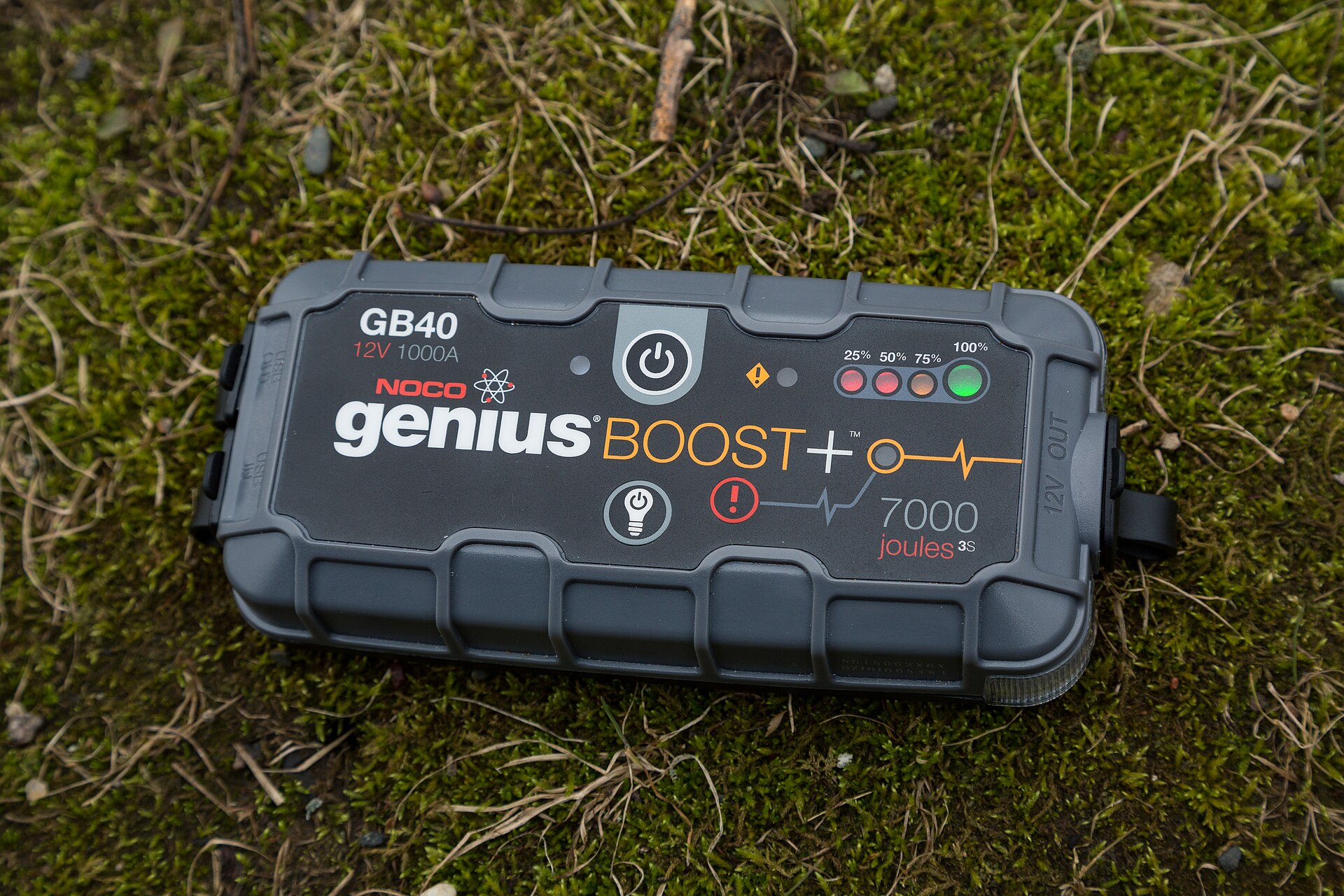
Key takeaways
- The starter battery caused 45.4% of ADAC breakdowns in 2025; engine and engine electronics followed at 21.8%.
- Before anything else, check the gear lever is in P or N, the clutch or brake is fully pressed and the key is recognised.
- Do not crank for long: three short attempts about a minute apart, as ADAC advises, then stop and find the cause.
- Jump-start in the order red to flat car, red to donor, black to donor, black to a ground point on the flat car.
- Electric cars and hybrids have a 12-volt battery too, and most may receive a jump start but should not give one.
What ADAC's breakdown figures say about the causes
ADAC patrols in Germany attended 3,691,813 breakdowns in 2025, about 60,000 more than in 2024, the club reported in March 2026. The busiest day on record was 29 December 2025, with 18,588 call-outs, and January was the busiest month. Cold weather does not create new faults; it exposes weak batteries and marginal starting systems.
The model-by-model breakdown statistics published in April 2026 give the causes for 2025:
| Cause (ADAC breakdowns, 2025) | Share |
|---|---|
| Starter battery | 45.4% |
| Engine and engine electronics (injection, ignition, sensors) | 21.8% |
| Starter, alternator, wiring and lighting | 10.4% |
| Tyres | 8.9% |
| Locking systems | 6.8% |
Running out of fuel and other self-inflicted causes are excluded from these model counts, so the real share of fuel problems at the roadside is higher than the table suggests.
First checks before you call for help
Work through these in order. They take two minutes and solve a surprising number of non-starts.
- Look at the dashboard when you switch on: bright warning lamps mean the battery has at least some charge. Dim lamps, or none at all, point straight to the battery or its terminals.
- Gear and pedals: automatics start only in P or N. Many manual cars need the clutch pressed fully, and most push-button cars need the brake pedal pressed. The AA lists an unpressed clutch or brake as a common reason a car with working lights will not start.
- The key: a flashing key or immobiliser symbol means the car does not recognise the key. Try the spare key, or hold the fob directly against the start button or the marked spot on the steering column, which works even with a flat fob battery on many cars.
- Steering lock: if the key will not turn, the steering lock may be jammed against a wheel resting on the kerb. Rock the wheel gently while turning the key; do not force it.
- Fuel and AdBlue: check the gauge, and on a diesel with SCR check the AdBlue range, because once it reaches zero, the engine will not restart until refilled, as our AdBlue guide explains.
- Messages: read any text in the instrument cluster. It often names the fault directly.
Diagnose by symptom
| Symptom | Likely cause | What you can try | Call for help when |
|---|---|---|---|
| No sound, dashboard dark or dim | Flat battery, loose or corroded terminal | Check terminals are tight, jump-start | Jump start fails or the battery is swollen or leaking |
| Rapid clicking | Battery too weak to turn the starter | Jump-start or charge the battery | It happens again the next morning: test battery and alternator |
| Single loud click, lights stay bright | Starter motor or starter relay | Try once more | Straight away; it needs a garage |
| Cranks slowly, does not fire | Weak battery, especially in frost | Jump-start | Battery older than four to five years: replace it |
| Cranks normally, does not fire | Fuel supply, ignition, immobiliser, timing belt | Check fuel, try spare key | After three tries; long cranking flattens the battery and strains the starter |
| Very fast, even cranking, petrol smell | Flooded petrol engine | Wait a few minutes, then a short crank | If it still will not catch |
| Starts, then dies within seconds | Immobiliser not recognising the key, fuel pump, air leak | Spare key, check the key symbol | If the spare key gives the same result |
| Diesel cranks but will not fire in frost | Glow plugs, waxed fuel | Wait for the preheat lamp to go out, try again | Fuel has waxed; the car needs warmth or a tow |
| EV or hybrid will not wake or unlock | Flat 12-volt battery | Mechanical key in the fob, jump the 12-volt system | Handbook does not allow it, or "ready" never appears |
Silence or clicking: battery, connections and starter
ADAC notes that a healthy battery starts the engine without hesitation even in a hard frost, and that a starter turning sluggishly is the classic warning. A dashboard that dims sharply when you press the start button confirms it. If the car is used for short trips and has been standing in the cold, the battery may only be run down rather than worn out. A smart charger overnight usually brings it back; our article on how long it takes to charge a car battery gives realistic times.
If the battery charges fully but the car is flat again within days, either the battery has lost capacity or something is draining it while parked. A battery warning light while driving points to the alternator instead. Testing voltages, battery age and choosing the right AGM or EFB replacement are explained in our car battery guide.
A single heavy click with bright lights is different. The battery is fine, but the starter motor or its relay is not engaging, which needs a garage.
Cranks but will not start: fuel, ignition and immobiliser
When the engine turns at normal speed but never fires, the battery is not the problem. The AA lists an empty tank, a blocked fuel filter and a failed fuel pump as the usual fuel causes. Listen when you switch on the ignition: on many petrol cars the fuel pump hums for a second or two. Silence can mean a blown pump fuse or a failed pump.
A petrol engine started and switched off again after a few seconds can flood its spark plugs with unburnt fuel. The signs are an unusually fast, even crank and a smell of petrol. Auto Trader's advice (December 2025) is to wait a few minutes in neutral with the handbrake on, then crank briefly; once it starts, let it idle.
A car that fires and then cuts out after a second or two is a classic immobiliser symptom: the engine computer allows a start, then stops it because the key code was not accepted. Try the spare key before calling for help. A timing belt that has snapped also gives a normal-sounding crank with no firing; never keep cranking in that case, because on many engines the valves are already damaged. Our guide to timing belts and chains explains which engines are most at risk.
Cold-weather starts: diesel glow plugs and waxed fuel
Diesels rely on glow plugs to heat the combustion chambers in the cold. Wait until the coil-shaped preheat lamp goes out before you crank. Auto Zeitung (February 2025) lists hard starting in the cold, rough running for the first seconds and black smoke as typical signs of worn glow plugs, and a flashing preheat lamp as the usual fault warning on newer diesels. It quotes about €150-250 for a workshop replacement in 2025, depending on the engine; plugs seized in old engines can snap and cost more to remove.
Very low temperatures can also wax the fuel. In Germany, winter diesel with a cold filter plugging point of -20 °C is sold from 16 November to the end of February. Austria's ÖAMTC says paraffin crystals start forming at about -7 °C and can block the filter from about -20 °C. Its advice for a waxed diesel is to move the car somewhere warm if possible or call the breakdown service, and never to add petrol, which can damage the high-pressure pump. Never use an open flame to warm a fuel line or filter.

Electric cars and hybrids: the 12-volt battery
An electric car or hybrid that will not unlock, shows a black screen or never reaches "ready" usually has a flat 12-volt battery, not a flat traction battery. The small battery powers the control units and closes the high-voltage contactors. In ADAC's 2024 statistics, the starter battery caused 50% of electric-car breakdowns, slightly more than the 45% for combustion cars, and ADAC suspects frequent wake-ups through the smartphone app add to the load.
Most fobs contain a mechanical key for the driver's door. The 12-volt battery or its jump-start terminals may sit under the bonnet, in the boot or under a seat; the handbook shows where. ADAC says most electric cars may receive a jump start, but most manufacturers do not allow them to give one, because their small 12-volt batteries and electronics can be damaged.
Jump-starting safely, in the right order
Use leads that meet DIN 72553 or ISO 6722, at least 2 m long with a cross-section of 25 mm² or more, as ADAC recommends. Both cars must have 12-volt systems. Do not try to jump a battery that is cracked, leaking or visibly swollen.
- Park the cars close without touching, switch both off and apply the handbrakes.
- Red lead to the positive terminal of the flat battery, then to the positive terminal of the donor.
- Black lead to the negative terminal of the donor, then to a bare metal ground point on the flat car, away from its battery. ADAC stresses that this end must not go on the flat battery itself; on start-stop cars, use the marked ground point so the battery sensor is not damaged.
- Start the donor engine and let it run for a few minutes.
- Start the flat car. If it does not start, wait about a minute before trying again. After the third failed attempt, ADAC advises calling for professional help.
- With both engines running, switch on the blower and lights of the rescued car to absorb voltage spikes, then switch them off again before disconnecting.
- Remove the leads in reverse: black from the rescued car, black from the donor, then the red lead.
Drive for at least 30 minutes afterwards, or charge the battery overnight, and watch for warning messages. ADAC warns that power steering can fail after a jump start; if anything behaves oddly, stop and call for help.
When to call breakdown assistance
Call for help instead of trying again if the car has failed to start after three attempts, if a jump start does not work, if you smell fuel or burning or see smoke, if you suspect a broken timing belt, if the diesel has waxed, if the car has been misfuelled, or if an electric car shows a high-voltage warning. Do not try to tow-start or push-start an automatic or a hybrid; the handbook says whether any bump-start is allowed. On a motorway or a busy road, leave the car, wait behind the barrier in a hi-vis vest and set up the warning triangle only where it is safe.
FAQ
Why does my car click but not start?
Rapid clicking almost always means the battery is too weak to turn the starter motor. A jump start or a charge usually gets it going. A single loud click with bright dashboard lights points to the starter motor or its relay instead, which needs a garage.
How many times should I try to start a car that will not start?
Three times at most. ADAC advises waiting about a minute between attempts during a jump start and calling professional help after the third failure. Long cranking drains the battery and strains the starter motor, and it rarely cures a fault that three short attempts did not.
Can a flat key fob battery stop a car from starting?
Yes, on cars with keyless start. If the car does not detect the key, a flashing key symbol usually appears. Holding the fob against the start button or the marked spot on the steering column often lets the car read it, and a spare key confirms the diagnosis.
Can I jump-start an electric car?
Usually yes, as the receiver. Electric cars have a 12-volt battery that can go flat, and ADAC says most may receive a jump start. Most carmakers do not allow an electric car to give one, so check the handbook and use the dedicated jump-start terminals.
Why will my diesel not start in the cold?
The most common causes are a weak battery, worn glow plugs or fuel that has waxed in the filter. Wait for the preheat lamp to go out before cranking. If the fuel has waxed, the car needs a warm garage or breakdown help; never add petrol or use a flame.
Sources
- ADAC: Pannenstatistik 2026, breakdowns in 2025 (23.04.2026) (accessed 5 Nov 2026)
- autohaus.de: Pannenhilfe: ADAC rückte 2025 fast 3,7 Millionen Mal aus (10.03.2026) (accessed 5 Nov 2026)
- ADAC: Pannenstatistik 2025 (PDF, breakdowns in 2024, EV vs combustion causes, app wake-ups) (accessed 5 Nov 2026)
- ADAC: Auto überbrücken, so geben Sie richtig Starthilfe (22.10.2026) (accessed 5 Nov 2026)
- ADAC press release: ADAC zählt vermehrt Winter-Einsätze (28.11.2025) (accessed 5 Nov 2026)
- The AA: Starting a car, why your car won't start (updated 20.02.2025) (accessed 5 Nov 2026)
- Auto Trader UK: Car won't start, what should I do? (updated 16.12.2025) (accessed 5 Nov 2026)
- Auto Zeitung: Defekte Glühkerzen erkennen, Kosten und Wechsel (24.02.2025) (accessed 5 Nov 2026)
- ÖAMTC: Wenn im Winter der Dieselmotor streikt (accessed 5 Nov 2026)
- Wikipedia: Winter diesel fuel (German seasonal CFPP dates) (accessed 5 Nov 2026)
Found a mistake? Report an error


