PHEV vs Self-Charging Hybrid vs Mild Hybrid: Which Suits You?
A mild hybrid uses a small 48-volt motor to help the engine but cannot drive on electricity alone. A full ("self-charging") hybrid can run on electric power for short stretches and charges its battery from the engine and braking. A plug-in hybrid (PHEV) has a much bigger battery that you charge from the mains, giving tens of kilometres of electric driving before the engine takes over. The right choice depends on one question above all: will you plug the car in almost every day? If yes, a PHEV can do most daily driving on electricity; if not, EU data show it uses several times more fuel than its official figures, and a full hybrid is usually the better buy.
Key takeaways
- Mild hybrids save about 2 to 8 % fuel compared with the same car without the system, according to Wikipedia's summary of studies.
- Full hybrids made up 34.5 % of new car registrations in the EU in January to November 2025.
- The European Commission found PHEVs registered in 2021 emitted 3.5 times their official CO₂ figure in real use, about 4 l/100 km more fuel.
- ICCT data for 2021 to 2023 show PHEVs driven on electricity for only 17 to 26 % of the distance, against about 80 % assumed in type approval.
Mild, full and plug-in hybrid at a glance
| Specification | Mild hybrid (MHEV) | Full hybrid (HEV) | Plug-in hybrid (PHEV) |
|---|---|---|---|
| Electric-only driving | No | Short distances at low speed | Typically tens of kilometres |
| Battery charged by | Engine and braking | Engine and braking | Mains socket or wallbox, plus engine and braking |
| Typical system | 48 V starter-generator | Power-split or parallel hybrid with a larger battery | Hybrid drive with a much larger battery and a charging socket |
| Fuel saving vs petrol | Small (about 2 to 8 %) | Largest in town traffic | Very large if charged daily; small or none if not |
| Needs home charging | No | No | Yes, to make sense |
| Best for | Drivers who want a small saving without changing habits | Urban and mixed driving without a charger | Short daily trips with reliable charging |
For background on hybrid types, see our article on hybrid cars and their varieties, and browse the models in the catalogue under hybrid cars.
Mild hybrid: a small boost for the engine
A mild hybrid adds a small electric motor and battery to a normal engine. The motor usually works as an integrated starter-generator, mounted on the belt or between engine and gearbox. Modern systems run at 48 volts with a lithium-ion battery, which is why they are often called 48-volt hybrids.
The motor assists the engine when accelerating and recovers energy when braking. It cannot move the car by itself. Wikipedia's summary puts the typical fuel saving at 2 to 8 % compared with the same model without the system, and the article on hybrid cars gives up to 15 % in town and 8 to 10 % overall. Mild hybrids are cheaper, smaller and lighter than full hybrids.
Who it suits: drivers who simply want a slightly more efficient petrol or diesel car. Treat the mild-hybrid label as a small bonus, not as a reason to choose one model over another.
Full hybrid: electric in town, petrol on the road
A full hybrid, sometimes marketed as "self-charging", can drive on its electric motor alone for a while, typically at low speeds. It has a bigger battery than a mild hybrid and a stronger motor. You never plug it in: the engine and regenerative braking recharge the battery.
The best-known system is Toyota's, launched in the 1997 Prius, the first mass-produced hybrid. It uses a power-split design that combines series and parallel operation, with a planetary gearset instead of a conventional gearbox. Honda's earlier IMA was a simpler parallel layout.
Full hybrids save the most in stop-start traffic, where regenerative braking recovers energy that a conventional car turns into heat. They are now mainstream: non-plug-in hybrids accounted for 34.5 % of new EU car registrations in the first eleven months of 2025, or 3,408,907 cars.
Who it suits: anyone who drives a lot in towns and suburbs and has no reliable place to charge. It is the easiest way to cut fuel use without changing habits.
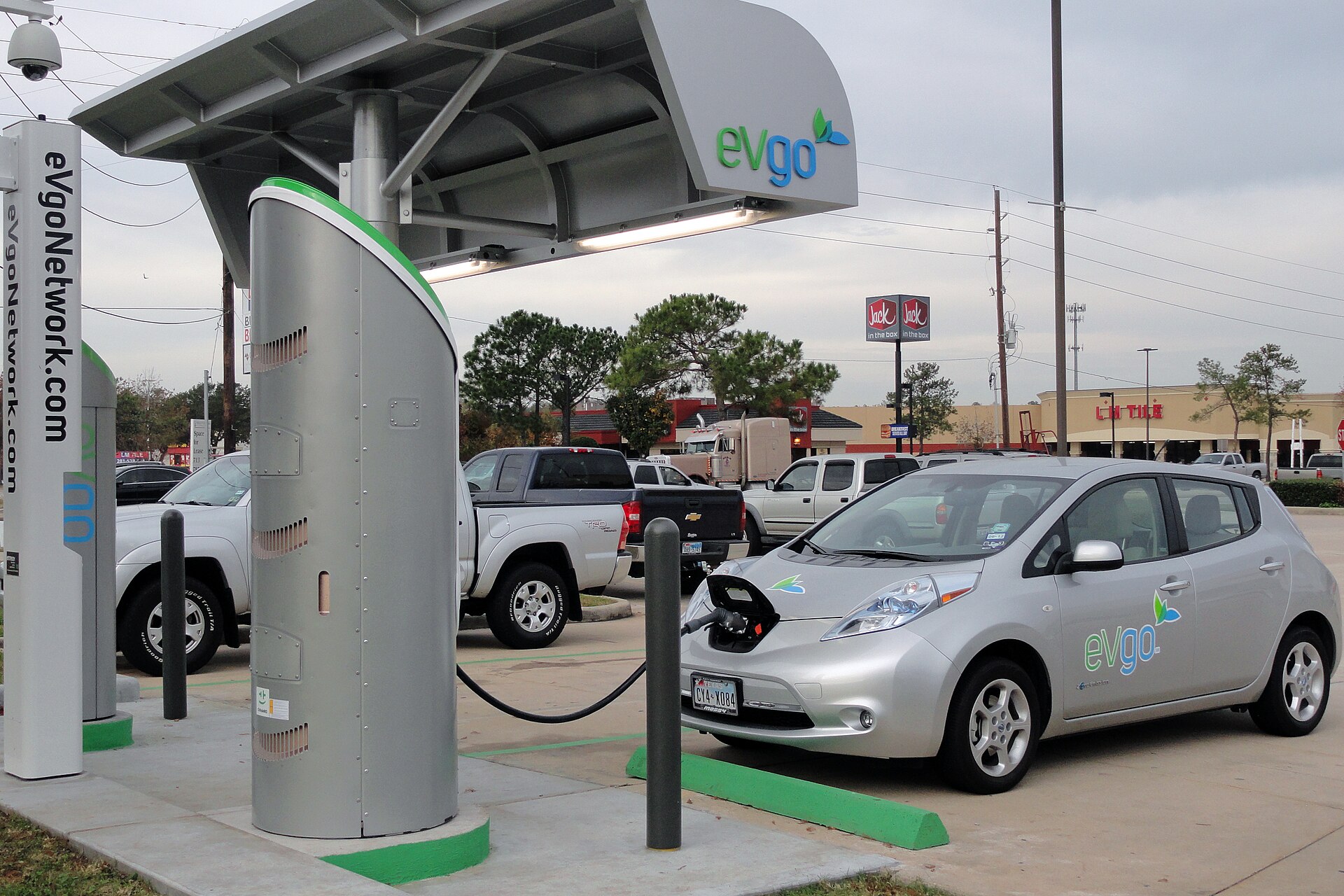
Plug-in hybrid: an electric car for short trips
A PHEV has a battery several times larger than a full hybrid's and a charging socket. Electric ranges vary widely by model. Examples from Wikipedia's tables include 26 km for the Ferrari SF90 Stradale, 53 km for the Hyundai Tucson PHEV in the US and 84 km for the Toyota RAV4 PHEV. Once the battery is empty, the car runs as a normal hybrid carrying extra weight.
On paper, PHEVs have very low fuel consumption. The official figure assumes the car is charged regularly, using a "utility factor" that estimates how much of the distance is driven on electricity. Real-world data show that assumption has been far too optimistic.

Real-world fuel use: what EU data show
Since 2021, new cars in the EU record real fuel and energy use with an on-board meter (OBFCM). The European Commission published its first analysis in March 2024, using data from about 600,000 cars registered in 2021:
| Car type (registered 2021) | Real-world CO₂ vs official figure |
|---|---|
| Petrol cars | 23.7 % higher |
| Diesel cars | 18.1 % higher |
| Plug-in hybrids | 3.5 times higher, about 4 l/100 km more fuel |
The ICCT analysed about 920,000 PHEVs registered in 2021 to 2023 in a paper published in September 2026:
| Registration year | Real-world CO₂ | Official CO₂ | Real-world share of electric driving | Share assumed by type approval |
|---|---|---|---|---|
| 2021 | 130 g/km | 37 g/km | 26 % | 79 % |
| 2022 | 133 g/km | 34 g/km | 21 % | 80 % |
| 2023 | 134 g/km | 29 g/km | 17 % | 82 % |
The gap grew even though average electric range rose from 58 to 68 km. The ICCT converts petrol CO₂ to fuel at 22.78 g/km per l/100 km. On that basis, 134 g/km is about 5.9 l/100 km in real use, against about 1.3 l/100 km on paper.
The EU is correcting the test. A revised utility factor applies to new PHEV models from 2025 and to all new PHEVs from 2026, and a second step applies from 29 November 2026 for new models and from 29 November 2027 for all. Even after the second step, the ICCT expects official figures to stay below real-world use.
A plug-in hybrid only works if you plug it in
The data do not mean PHEVs cannot be efficient. They mean many owners do not charge them. A PHEV makes sense when all of these are true:
- You can charge at home or at work, ideally every day.
- Most of your daily trips fit within the real electric range, not just the official figure.
- You still need a petrol engine for long trips, or a fully electric car does not suit you yet.
- The price difference pays back. Compare the extra purchase price with the fuel you will actually save.
If one of these fails, the PHEV mostly runs as a hybrid that carries a large, heavy battery around. To compare the running costs of the options with your own mileage, use the fuel cost calculator with realistic consumption figures, such as the ICCT's real-world values rather than the official ones.
Which hybrid should you choose?
| Your situation | Best fit | Why |
|---|---|---|
| Mostly town and suburban driving, no charger | Full hybrid | Largest saving without charging |
| Short daily trips, home charger, occasional long journeys | Plug-in hybrid | Most daily distance on electricity |
| Mostly long motorway trips | Efficient petrol or diesel, or a mild hybrid | Fewer stops, so less braking energy to recover |
| Short daily trips, home charger, no regular long journeys | Consider a fully electric car | No engine to carry; see our electric cars |
| Want minimal change from a conventional car | Mild hybrid | Small saving, no new habits |
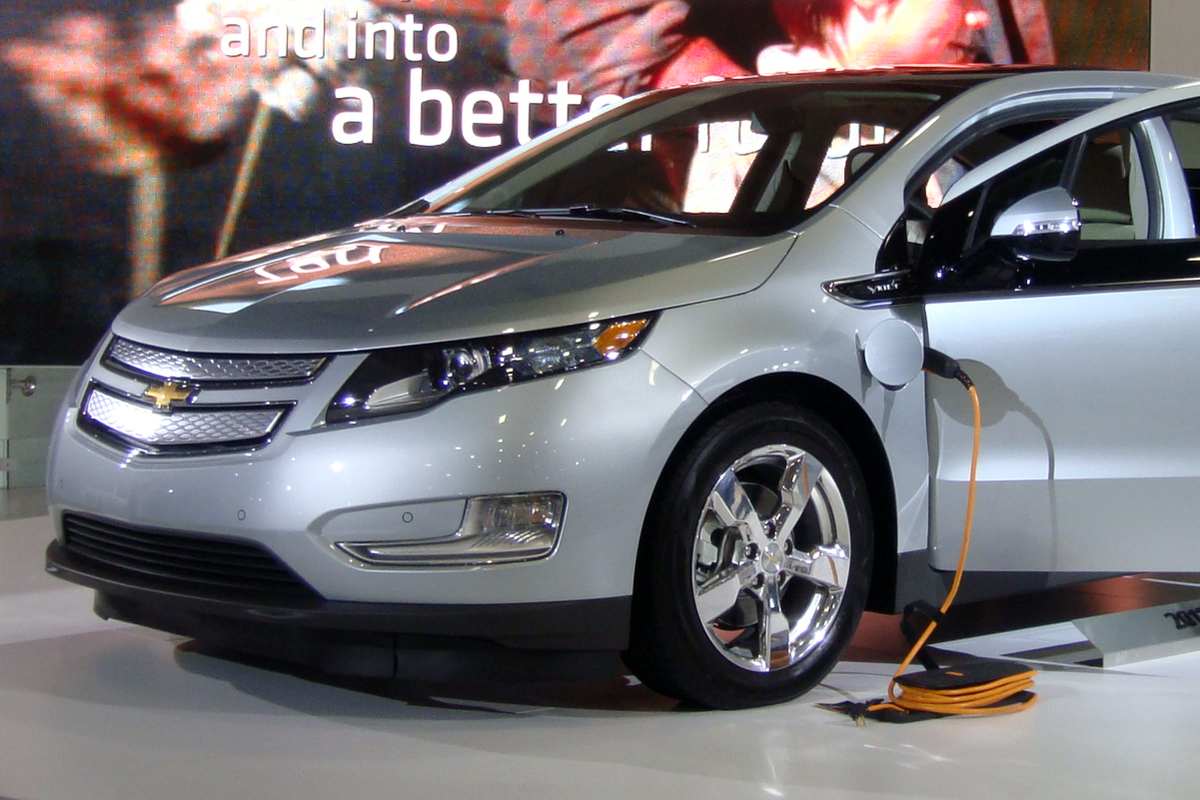
A good example of how a PHEV is meant to be used is the Chevrolet Volt: GM reported in 2014 that Volt owners drove about 62.5 % of their trips in all-electric mode, far above the European PHEV average in the ICCT data.
Try our calculator
Fuel cost calculatorFuel cost comparisonFAQ
What is the difference between a hybrid and a plug-in hybrid?
A full hybrid charges its small battery only from the engine and braking and drives on electricity only for short distances. A plug-in hybrid has a much bigger battery that you charge from the mains, so it can cover tens of kilometres on electricity before the engine starts.
Is a plug-in hybrid worth it if I can't charge at home?
Usually not. EU data show PHEVs registered in 2021 emitted 3.5 times their official CO₂ figure in real use, mainly because they were not charged often enough. Without regular charging, a full hybrid is usually the simpler and safer choice.
Can a mild hybrid drive on electric power?
No. The motor in a mild hybrid is too small to move the car alone. It helps the engine when accelerating and recovers energy when braking.
How much fuel does a mild hybrid save?
Typically 2 to 8 % compared with the same car without the system, according to Wikipedia's summary of studies. The saving is larger in town traffic than on the motorway.
Do self-charging hybrids need charging?
No. A full hybrid recharges its battery from the engine and regenerative braking. "Self-charging" is a marketing term: all the energy still comes from the fuel in the tank.
Sources
- European Commission: First Commission report on real-world CO2 emissions of cars and vans using data from on-board fuel consumption monitoring devices (18.03.2024) (accessed 23 Oct 2026)
- ICCT: Fair game, restoring technology neutrality through plug-in hybrid utility factor adjustment (September 2026) (accessed 23 Oct 2026)
- Wikipedia: Mild hybrid (accessed 23 Oct 2026)
- Wikipedia: Hybrid electric vehicle (accessed 23 Oct 2026)
- Wikipedia: Plug-in hybrid (accessed 23 Oct 2026)
Found a mistake? Report an error