Petrol vs Diesel vs Hybrid vs Electric: Which Should You Buy?
Choose by how far you drive, what kind of journeys you make and whether you can charge at home. If you can charge at home, an electric car is usually the cheapest to run: about €4.90 per 100 km at the 2025 EU average electricity price. Without a charger, a full hybrid suits mostly urban and mixed driving. Diesel only makes sense for high mileage on fast roads or towing. Petrol remains the simple, low-risk choice for low mileage. A plug-in hybrid pays off only if you really plug it in almost every day.
Key takeaways
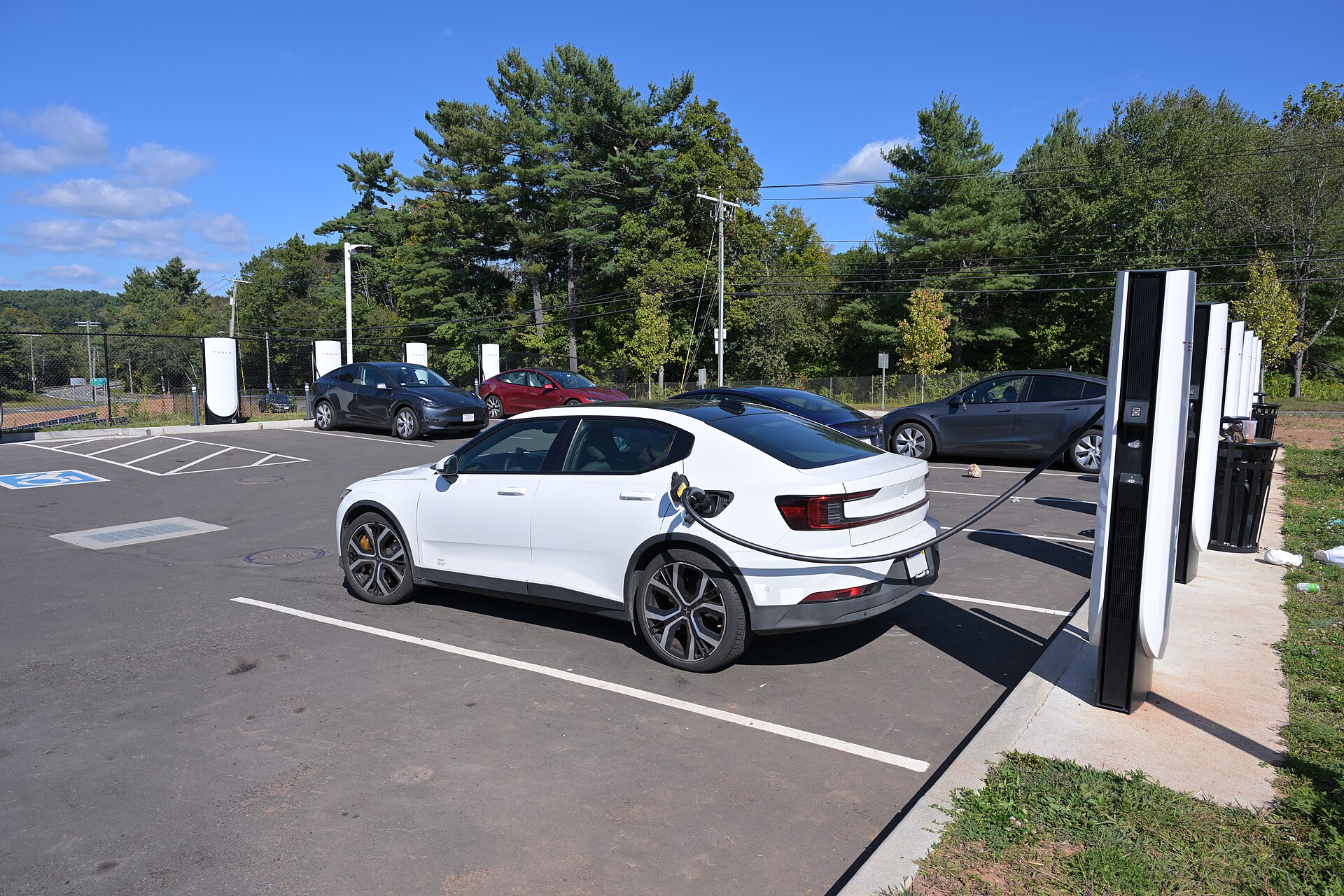
- Home charging at the 2025 EU average electricity price cost about €4.90 per 100 km, less than half the cost of petrol in our 2026 example.
- Full hybrids used the least fuel in town and had the fewest faults in Which?'s 2026 owner survey data.
- Diesel needs regular longer runs to keep the particulate filter clean, and faces more low-emission-zone restrictions.
- Plug-in hybrids in private use run on electricity for only about 37% of kilometres in real life, according to the ICCT.
What Europe is buying
New car registrations in the EU in 2025, by powertrain, according to the manufacturers' association ACEA:
| Powertrain | 2025 share | 2024 share |
|---|---|---|
| Hybrid (full and mild, no plug) | 34.5% | — |
| Petrol | 26.6% | 33.3% |
| Battery electric | 17.4% | 13.6% |
| Plug-in hybrid | 9.4% | 7.2% |
| Diesel | 8.9% | about 11.9% |
Petrol and diesel together fell from 45.2% to 35.5% in a year. That matters even if you buy used. It shapes which cars will be easy to sell in five years and how well dealers and independent garages support them.
Quick decision table
| Your driving | Home or workplace charging | Best fit | Second choice |
|---|---|---|---|
| Under 10,000 km a year, mostly town | No | Petrol or full hybrid | Small EV if public charging is easy |
| Under 10,000 km a year, mostly town | Yes | Electric | Plug-in hybrid |
| 10,000–20,000 km, mixed roads | No | Full hybrid | Petrol |
| 10,000–20,000 km, mixed roads | Yes | Electric | Plug-in hybrid |
| Over 20,000 km, mostly motorway | Either | Diesel or long-range EV | Full hybrid |
| Regular heavy towing | Either | Diesel | Plug-in hybrid with high towing rating |
| Short trips, no longer runs | Any | Avoid diesel | — |
The 20,000 km mark is a rule of thumb, not a law. Run your own figures in our fuel cost comparison with two real cars from the catalog.
Running cost per 100 km
Which?'s real-world fuel data (correct as of April 2026, converted from UK mpg) gives a useful comparison:
| Type | Combined | Town | Motorway |
|---|---|---|---|
| Petrol | 6.7 l/100 km | 6.8 l/100 km | 7.9 l/100 km |
| Diesel | 6.0 l/100 km | 6.1 l/100 km | 7.1 l/100 km |
| Full hybrid | 5.7 l/100 km | 4.3 l/100 km | 7.6 l/100 km |
Our 2026 example assumes €1.75 per litre of petrol and €1.65 per litre of diesel. In 2026 that gives about €11.70 per 100 km for petrol, €9.90 for diesel and €10.00 for a full hybrid. An electric car using 17 kWh per 100 km cost about €4.90 per 100 km in the second half of 2025. That is at the EU average household electricity price of €0.29 per kWh in late 2025 (Eurostat). If you pay €0.60 per kWh at public chargers, an assumed 2026 example, the same car costs about €10.20 per 100 km, close to petrol.
Note the hybrid's motorway figure. At sustained high speed it loses its advantage, and a diesel is more frugal. Fuel is only part of the bill, so put the purchase price and depreciation into our cost of ownership calculator as well.
Petrol
Petrol cars are the cheapest to buy, simple to maintain and unaffected by most low-emission rules if they are reasonably recent. They suit low mileage and short trips well. Which? notes that petrol cars emit less NOx than diesels. The downside is the highest fuel cost per kilometre of the four, especially for larger cars on the motorway.
Diesel
A modern diesel is still the most frugal combustion engine on long motorway runs and the strongest for towing. Which? notes that AdBlue (urea injection) has been mandatory in new diesels since 2015, making them much cleaner, though they still emit more NOx than petrol cars.
The weak point is the particulate filter. The AA explains that short journeys stop it burning off soot. Active regeneration happens roughly every 480 km and takes 5 to 10 minutes. A blocked filter may need replacing, at a 2026 cost the AA puts well above €1,100 plus labour (converted from its UK price). Diesels also face the most low-emission-zone restrictions. ECC-Net lists Crit'Air stickers in 42 French towns and 149 Spanish towns with low-emission zones since January 2023. Larger towns of Italy's Emilia-Romagna region have restricted Euro 5 diesels since 1 October 2025. See our diesel cars and, for high-mileage families, the best used diesel estates.
Full hybrid
A full ("self-charging") hybrid uses a small battery and electric motor to recover braking energy. It shines in stop-start traffic, with 4.3 l/100 km in town in the Which? data. Which? also found full hybrids had the fewest faults of any fuel type for both 0–4 and 5–9-year-old cars. Mild hybrids save much less fuel. They behave like a petrol or diesel car with a stronger starter-generator. Browse hybrid cars in our catalog.
Plug-in hybrid
A plug-in hybrid can do most daily trips on electricity, but only if you charge it. The ICCT found that private plug-in hybrids covered about 37% of their kilometres electrically in real life, against 69% assumed in type approval. Their real-world fuel use and CO2 were two to four times the official figures, based on the older NEDC test. Which? reported that older plug-in hybrids broke down more often than average: 12% against 7% for all fuel types. Buy one only if you can charge at home or at work almost every day.
Electric
An electric car has the lowest energy and servicing costs if you charge at home. It has no gearbox, clutch, timing belt or exhaust to wear out, and no low-emission-zone worries. Fleet data supports the economics. Ayvens' Car Cost Index 2025 found that battery-electric compact cars cost less in total than comparable combustion cars in 18 of 28 European countries. For mid-sized cars that was true in only 11 countries. Against that come a higher purchase price, slower long-distance travel if your route lacks fast chargers, and battery health to check on a used car. Start with our electric cars section and the best small city cars, several of which have electric versions. Terms such as battery capacity and electric range are explained in the glossary.
Try our calculator
Fuel cost comparisonCost of ownership calculatorFuel cost calculatorFAQ
Is it still worth buying a diesel car in 2026?
Yes, if you drive a lot on motorways or tow regularly and do not need to enter strict low-emission zones. For mostly short trips, a diesel is a poor choice because the particulate filter clogs and repairs are expensive.
Is a hybrid better than petrol?
A full hybrid is usually better for town and mixed driving. It uses noticeably less fuel in traffic and had the best reliability record in Which?'s survey data. On long motorway runs the advantage largely disappears.
Is an electric car cheaper to run than petrol?
With home charging, yes. It cost about €4.90 per 100 km at the 2025 EU average electricity price, against about €11.70 for a typical petrol car in our 2026 example. If you rely on expensive public fast charging, the gap can almost close.
Who should buy a plug-in hybrid?
Drivers who can charge at home or work every day, whose daily trips fit within the electric range and who still want a petrol engine for long trips. Without regular charging, a plug-in hybrid is a heavy petrol car with high real-world fuel use.
Which fuel type holds its value best?
It depends on the market and the model rather than the fuel alone. Demand is shifting: petrol and diesel fell to 35.5% of new EU registrations in 2025, while hybrids and electric cars grew. Check local used prices for the exact model before you buy.
Sources
- ACEA: New car registrations +1.8% in 2025, battery-electric 17.4% market share (accessed 21 Oct 2026)
- Which?: Petrol vs diesel vs hybrid cars, which is better? (accessed 21 Oct 2026)
- ICCT: Real-world usage of plug-in hybrid electric vehicles (accessed 21 Oct 2026)
- Eurostat: Electricity price statistics (accessed 21 Oct 2026)
- ECC-Net: Environmental zones in Europe (accessed 21 Oct 2026)
- The AA: Diesel particulate filters, cleaning and problems (accessed 21 Oct 2026)
- Ayvens: Car Cost Index 2025 (accessed 21 Oct 2026)
Found a mistake? Report an error