How to Buy a Used Car: A Step-by-Step Guide for Europe
Buy a used car in a fixed order. Set a budget for the whole cost of ownership and shortlist models with a good record. Check the car's history before you travel, then inspect it cold and in daylight and drive it for at least 20 minutes. Pay for an independent check on anything expensive. Only then negotiate, sign and pay by a traceable method. Skipping a step is how buyers end up with clocked mileage, hidden accident damage or a car they cannot register.
Key takeaways
- Budget for the total cost per year, not just the asking price, and keep a reserve for the first service, tyres and brakes.
- Check the VIN, mileage and service records before you travel; odometer fraud is far more common in cross-border sales.
- Buying from a dealer gives you an EU legal guarantee of at least one year on a used car; a private sale usually gives you none.
- Never pay a deposit to a seller you have not met for a car you have not seen.
Steps 1–2: Budget and a used car shortlist
Step 1: Set a budget for owning the car, not just buying it
The asking price is the smallest decision you will make. Depreciation, fuel, insurance, tax, servicing and tyres decide whether the car is affordable over three to five years. Put two or three candidates into our cost of ownership calculator and compare the cost per year and per kilometre, not the sticker price.
Keep a reserve for the first months as well. Even a good used car often needs an oil service, wiper blades, a battery or a set of tyres soon after purchase. A timing belt that is due can turn a bargain into an expensive one.
Step 2: How to choose the right models
Decide what the car must do first: seats, boot space, annual distance, city or motorway use, towing. Then narrow the field:
- Use the car finder to filter by body type, fuel and size, and compare two finalists side by side.
- For a high-mileage family car, our list of the best used diesel estates is a good starting point; for town use, see the best small city cars.
- Read up on the engine and gearbox of each version on its engine page. The same model can be robust with one engine and troublesome with another.
Pick two or three models rather than one. It keeps you from overpaying for the only car you are emotionally attached to.
Step 3: Check the history before you travel
Ask the seller for the VIN (vehicle identification number), registration number and photos of the service book before you arrange a viewing. A seller who refuses is a seller to skip.
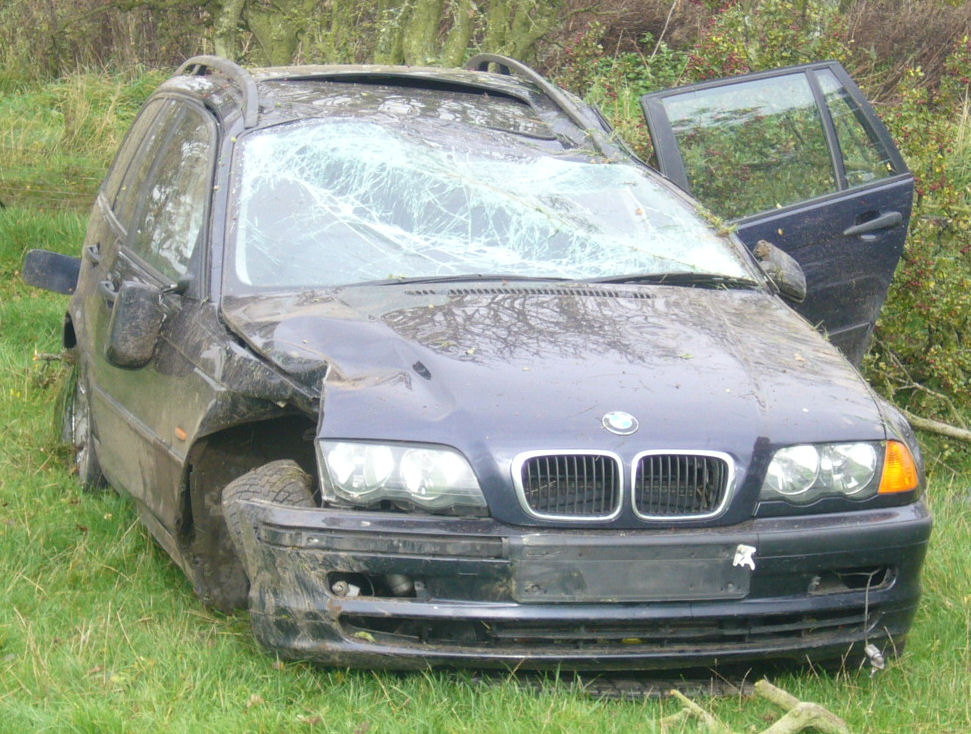
Mileage fraud is the main risk. A European Parliament resolution adopted in 2018 cited studies on tampered odometers. They estimated that 5% to 12% of used cars in national sales and 30% to 50% in cross-border sales are affected. The 2018 estimate of the economic damage across the EU was €5.6 to 9.6 billion. The German motoring club ADAC says experts assume roughly one in three used cars in Germany has a manipulated odometer reading.
Match the mileage against every dated record you can find: service invoices, inspection reports and, where available, national mileage registers. The full method is in our guide to checking a car's history. In short, mileage must rise steadily, never fall, and fit the car's age and wear.
Steps 4–6: Inspection, test drive and expert check
Step 4: Inspect the car properly
View the car in daylight, ideally with a second person, and insist that the engine is cold when you arrive. A warm engine can hide starting problems, smoke and noisy hydraulic tappets.
| Check | What you want to see | Walk away if |
|---|---|---|
| Documents | Original registration papers, VIN matching the car, stamped service book | Copies only, VIN mismatch, seller is not the registered keeper |
| Bodywork | Even panel gaps, one paint shade, no fresh overspray | Rust in sills or wheel arches, signs of a hidden repair |
| Tyres | Same brand on each axle, even wear, at least 3 mm tread | Uneven wear (alignment, suspension damage) |
| Engine | Clean start, no blue or black smoke, no leaks | Mayonnaise-like sludge under the oil cap, warning lights |
| Interior | Wear that fits the mileage | Worn pedals and steering wheel on a "low-mileage" car |
Step 5: Test drive for at least 20 minutes
Drive on mixed roads: town traffic, a fast road and a rough surface. Check that the car pulls straight under braking, the gearbox shifts cleanly hot and cold, and there are no knocks over bumps or vibration at motorway speed. Before you drive, confirm in writing who is liable for damage. ADAC notes that with a private seller's fully comprehensive cover you would typically only pay the excess and the premium increase.
Step 6: Get an independent inspection on anything expensive
A professional pre-purchase check reads the fault memory, tests the engine and looks at the underbody on a lift. In 2026 ADAC test centres in North Rhine-Westphalia charged from €139 for members and €179 for non-members for a basic used car check. The 2026 premium version with exhaust and oil analysis started at €219 and €259. Smaller centres priced the check by vehicle class from €89 to €149 for members in 2026. Compared with a single gearbox or turbo repair, that is cheap insurance.
Steps 7–8: Price and your rights
Step 7: Negotiate with evidence
Price the car against similar ones by year, engine, mileage and equipment. Then use what you found: tyres due, a service overdue, a missing second key, a timing belt interval that is close. Ask for repairs to be done before handover or for the cost to come off the price. Be ready to leave; there is always another car.
Step 8: Know your rights: dealer or private seller
The seller type changes your protection more than anything else.
- Dealer: EU rules give a minimum two-year legal guarantee on goods bought from a trader. For second-hand goods, some countries allow it to be shortened, but to no less than one year, and this must be made clear at the time of purchase. Within six months of delivery you only need to show the fault; after that, in most countries, you must prove it existed at delivery.
- Private seller: goods bought from private individuals are not covered by the legal guarantee. ADAC points out that a private seller may exclude liability for hidden defects but must still disclose known accident damage.
Write every promise into the contract: accident-free status, total mileage (not just the odometer reading), number of owners and included extras.
Steps 9–10: Contract, payment and buying abroad
Step 9: Sign, pay safely and take the papers
Use a written contract; motoring clubs publish free templates. Check the seller's ID against the registration document, and pay by a traceable method once all checks are done. ECC-Net, the EU's network of consumer centres, warns that bank transfers are practically irreversible. Scammers typically ask for about half the price up front and push you off the listing platform. They also invent "transport companies" or escrow services. Never send copies of your ID or card details to an unknown seller.
Take both parts of the registration certificate where your country uses two, the service book and invoices, the inspection report, all keys and the owner's manual.
Step 10: Buying from another EU country
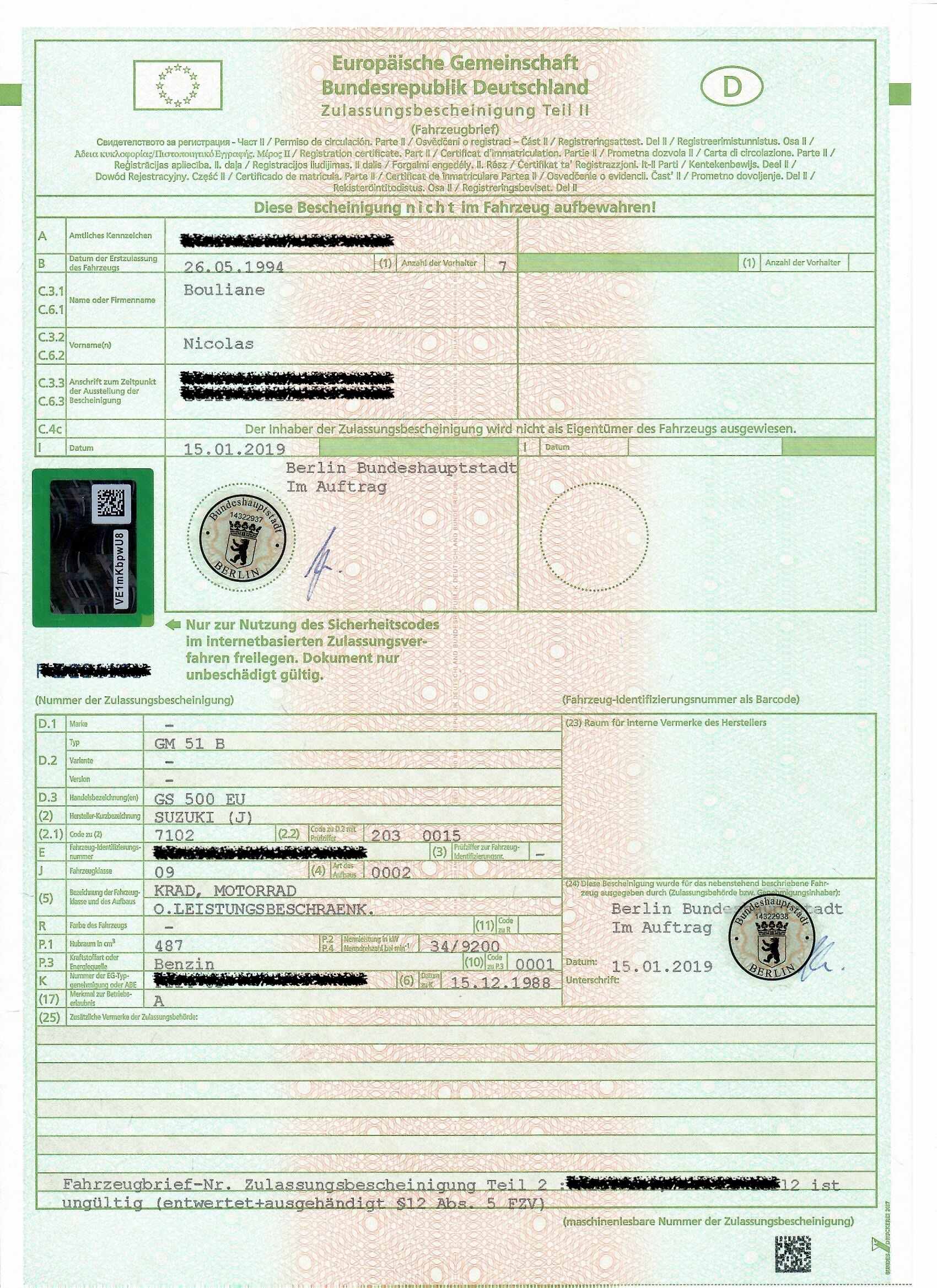
Cross-border buying can save money but adds paperwork. A professional seller charges the VAT of their own country, while a private seller generally charges none, according to Belgium's Car-Pass. To re-register the car you will typically need the original registration certificate (both parts if it has two), proof of ownership, proof of roadworthiness and insurance. An EC certificate of conformity is valid in all EU countries. Cars are usually tested four years after first registration and then every two years. Frequency varies by country, so check the rules at home before you buy.
Try our calculator
Cost of ownership calculatorFAQ
What is the most important check when buying a used car?
The match between the car, its papers and its history. The VIN on the car must match the registration document, and the seller must be the registered keeper. The mileage must fit a continuous record of services and inspections. Mechanical faults can be priced; a false identity or clocked mileage cannot.
Is it safer to buy a used car from a dealer?
Usually, yes. A dealer must give you the EU legal guarantee, which for used cars can be reduced to no less than one year, and must disclose accident damage. A private sale is often cheaper but normally comes without a guarantee, so an independent inspection matters even more.
How long should a used car test drive be?
At least 20 minutes, starting from a cold engine and covering town traffic, a fast road and a rough surface. Short drives around the block hide gearbox, suspension and overheating problems.
Should I pay a deposit to reserve a used car?
Only to a seller you have met, for a car you have seen, against a written receipt. ECC-Net lists up-front deposits for unseen cars as one of the most common scam patterns, and bank transfers are very hard to reverse.
What mileage is too high for a used car?
There is no single limit. A well-documented car with 180,000 km and regular services can be a better buy than a neglected one with 90,000 km. Judge the maintenance record, the condition and the engine's reputation rather than the number alone.
Sources
- ADAC: Auto gebraucht kaufen, worauf Sie achten sollten (accessed 21 Oct 2026)
- Your Europe (European Union): Guarantees and returns (accessed 21 Oct 2026)
- European Parliament Legislative Observatory: Odometer manipulation in motor vehicles, resolution summary (2018) (accessed 21 Oct 2026)
- ECC-Net / CEC France: Buying a car on the Internet, scams (accessed 21 Oct 2026)
- ADAC Nordrhein: Technische Prüfzentren, Gebrauchtwagen-Check prices (accessed 21 Oct 2026)
- Your Europe (European Union): Car registration documents and formalities (accessed 21 Oct 2026)
- Car-Pass: Importing a vehicle from abroad, useful tips when purchasing (accessed 21 Oct 2026)
Found a mistake? Report an error