BMW Confirms LFP Cells for Some Neue Klasse Electric Cars
BMW will use lithium iron phosphate (LFP) batteries in some of its Neue Klasse electric cars alongside the nickel-rich round cells it launched the platform with. Chief executive Milan Nedeljkovic confirmed the plan on the company's third-quarter results call, and electrive and InsideEVs reported his comments on 9 November. He named no models and gave no date for Europe.
Key takeaways
- LFP cells will be added "very specific in which vehicle and for which purpose", Nedeljkovic said.
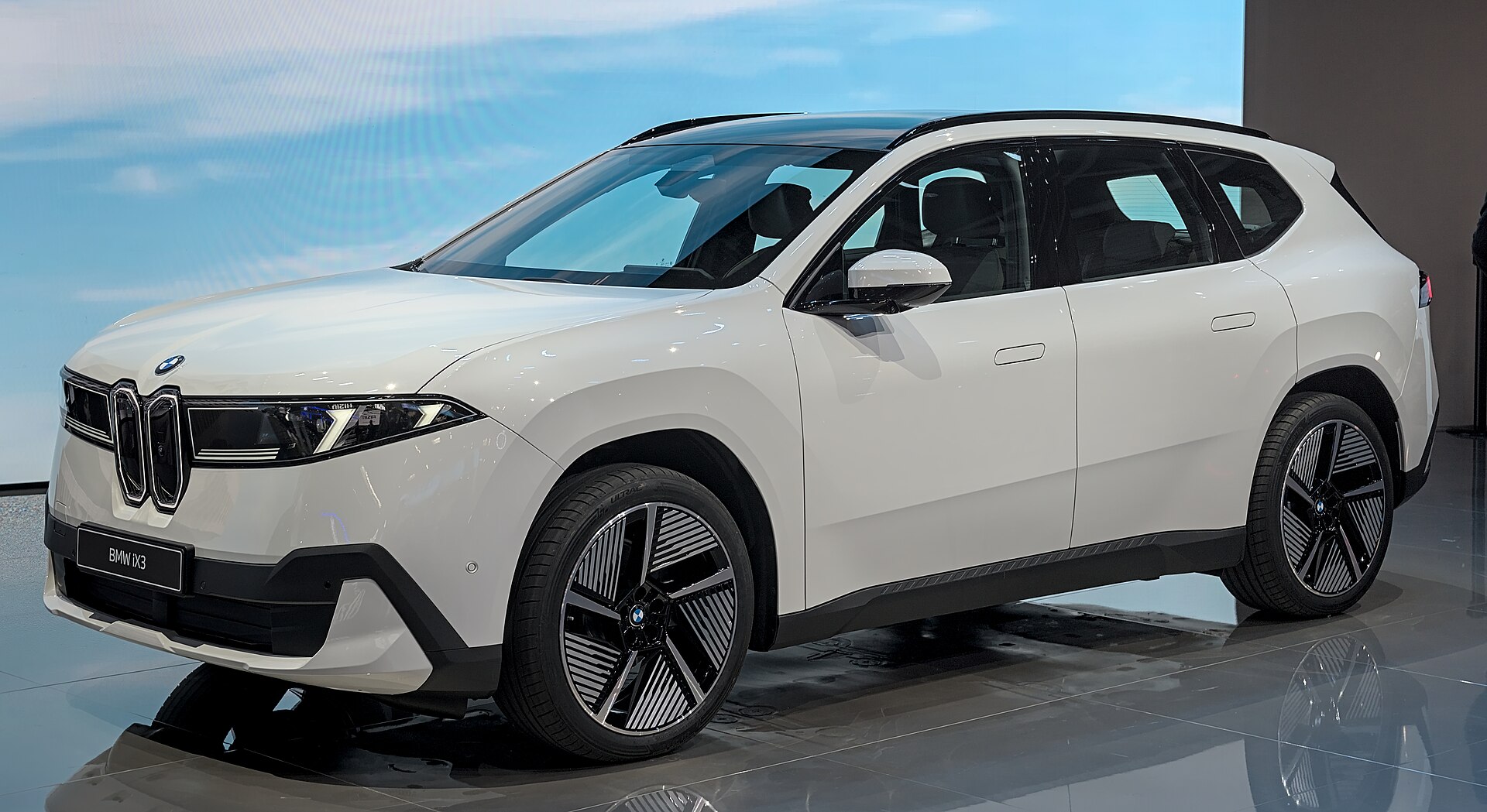
- The first example already exists: the China-only iX3 30L with a 77 kWh LFP pack.
- That car is rated at 630 km (391 miles) on the Chinese CLTC cycle.
- The 40L and 50L versions, and all European Neue Klasse cars so far, use NMC cells.
What BMW said
Nedeljkovic described BMW's 46 mm cylindrical NMC cells as "now superior in the market" and said they would remain the starting point. LFP, he explained, brings a different balance of cost and range, so it will be used where that balance suits the car. He ruled out what he called "a generic exchange" of one chemistry for the other. The comments were made on the earnings call that followed BMW's third-quarter figures.
The iX3 30L shows the recipe
BMW already sells an LFP Neue Klasse car in China. The long-wheelbase iX3 30L carries a 77 kWh LFP battery, while the 40L and 50L versions keep NMC packs, BMWBlog reported in August. The 30L uses 13 kWh/100 km, the lowest figure of the three Chinese versions, and charges from 10 to 80 per cent in 22 minutes. It costs RMB 269,900, roughly 34,300 euros at the August 2026 exchange rate. BMWBlog estimated that a WLTP figure would sit at least 15 per cent below the CLTC rating of 630 km.
The rest of the range runs on what BMW calls the Gen6 battery. Its 46 mm round cells are built cell-to-pack, the pack housing forms part of the body structure, and BMW quotes about 20 per cent more energy density than the prismatic cells of the previous generation. The i3 saloon is rated at up to 912 km (567 miles) WLTP, about 100 km more than the European BMW iX3.
How it compares with rivals
Mercedes-Benz already takes the two-chemistry route with the electric Mercedes-Benz CLA, which offers a 58 kWh LFP entry battery and an 85 kWh NMC pack. InsideEVs named BMW's compact Europe-focused Neue Klasse model, due in 2028, as a likely LFP candidate, though BMW has not confirmed this. BMW's announced European and US cell supply deals with Samsung SDI, LG Energy Solution, CATL and EVE Energy do not specify LFP chemistry.
What it means for buyers
For now nothing changes in European showrooms, where every Neue Klasse car uses NMC cells. If LFP arrives here, expect it in entry versions with a lower price and shorter range, plus the chemistry's usual tolerance of frequent full charges. More on the brand's current range is in the BMW catalogue, and rivals are compared in our guide to electric cars.
Sources
- electrive: BMW to partially use LFP batteries in Neue Klasse (9 Nov 2026) (accessed 12 Nov 2026)
- InsideEVs: BMW Is Embracing Cheaper LFP Batteries For Its Newest EVs (9 Nov 2026) (accessed 12 Nov 2026)
- BMWBlog: Entry-level BMW iX3 uses a different battery chemistry (22 Aug 2026) (accessed 12 Nov 2026)
Found a mistake? Report an error