Compulsory Car Equipment in Europe: What to Carry in Each Country
To drive legally across most of Europe, carry a warning triangle and at least one hi-vis vest for every occupant, and add a first-aid kit if you are heading to Austria, Croatia, Hungary or Greece. A few countries add their own rules: a fire extinguisher in Poland and Greece, winter equipment in the Alps and the Balkans in season, and a Crit'Air sticker for low-emission zones in French cities. The table below lists what a visiting driver in a car registered in another country needs in 15 popular destinations, checked against automobile club guides in October 2026.
Key takeaways
- A warning triangle and hi-vis vests for everyone cover the basics almost everywhere; carry vests inside the cabin, not in the boot.
- Equipment rules mostly follow the country where the car is registered, but local rules on wearing vests, winter tyres and lights apply to everyone.
- Austria, Croatia, Hungary and Greece require a first-aid kit; Poland and Greece require a fire extinguisher.
- Winter equipment is compulsory in season in Austria, Croatia, the Czech Republic, Italy, Slovenia and parts of France and Germany.
The basic kit that covers most of Europe
If you only want one checklist, pack this and you will meet the core equipment rules of nearly every EU country:
- Warning triangle, and two if you drive in Spain a lot (Spanish residents must carry two).
- Hi-vis vests (EN ISO 20471) for the driver and every passenger, stored where you can put them on before getting out.
- First-aid kit in a sturdy, closed box.
- Fire extinguisher if you are going to Poland or Greece.
- Spare bulbs (unless your car has LED lights you cannot replace) and a torch.
- Your documents: driving licence, vehicle registration certificate, proof of insurance and, if the car is not yours, the owner's written permission.
- Winter equipment for mountain areas from November to April: winter or all-season tyres with the Alpine (3PMSF) symbol and snow chains that fit your tyre size. Our guide on choosing winter tyres explains the symbols, and the tyre size calculator helps you check sizes before buying chains.
Compulsory equipment by country (2026 table)
The table shows what a visiting driver in a foreign-registered car must carry or use, based on the RAC's country guides as checked in October 2026. "Residents only" means the rule applies to locally registered cars.
| Country | Warning triangle | Hi-vis vest | First-aid kit | Also required or worth knowing |
|---|---|---|---|---|
| Austria | Yes | Yes, wear it outside built-up areas | Yes, in a sturdy box | Winter tyres or chains 1 Nov–15 Apr in wintry conditions; motorway vignette |
| Belgium | Yes | Yes, wear it after a breakdown or accident | Residents only | Fire extinguisher for Belgian-registered cars only |
| Croatia | Yes | Yes, carry and wear | Yes | Snow chains Nov–Apr when announced |
| Czech Republic | Yes | Recommended | Recommended | Winter tyres 1 Nov–31 Mar in snow or ice; dipped headlights day and night |
| France | Yes | Yes | No | Crit'Air sticker in low-emission zones; snow chains where signed in the mountains |
| Germany | Yes | Yes | Residents only | Winter or all-season tyres in wintry conditions; emissions sticker for environmental zones |
| Greece | Yes | Not listed | Yes | Fire extinguisher compulsory |
| Hungary | Yes | Wear it when walking on or beside the road | Yes | Dipped headlights outside built-up areas; zero alcohol limit |
| Italy | Yes | Wear it if you leave the car on the carriageway | No | Winter tyres or chains 15 Nov–15 Apr where signed (from 15 Oct in Aosta Valley) |
| Netherlands | Not compulsory, but recommended | Not required | Not required | Use a triangle anyway if you break down |
| Poland | Yes | Wear it on unlit roads at night | No | Fire extinguisher, including for foreign cars |
| Portugal | Yes, unless not compulsory in the car's home country | Yes, must be carried | No | Some motorways take electronic toll payment only |
| Slovenia | Yes | Recommended | Recommended | Winter equipment 15 Nov–15 Mar (winter tyres with at least 3 mm tread); motorway vignette |
| Spain | Yes; residents must carry two | Yes, wear it on the road or hard shoulder | No | V16 beacon for Spanish-registered cars from 2026; chains on mountain passes when required |
| Switzerland | Yes, kept inside the cabin | Not listed | Not listed | Motorway vignette; snow chains where signed |
Rules change, and enforcement differs between regions, so check the official tourist or traffic authority site of each country shortly before you travel. If you plan to drive through several countries, pack for the strictest one on the route.
Whose rules apply: your home country's or the local ones?
Under the 1968 Vienna Convention on Road Traffic, a vehicle in international traffic has to meet the equipment rules of the country where it is registered. Spain's switch to the V16 beacon shows how this works in practice. From 1 January 2026, Spanish-registered cars must carry a connected V16 warning light, but the Spanish traffic authority DGT has confirmed that foreign-registered cars may still use warning triangles.
That principle has limits:
- Behaviour rules apply to everyone. If a country requires you to wear a hi-vis vest on the hard shoulder, drive with dipped headlights or use winter tyres in snow, you must do so in any car.
- Some countries expressly extend equipment rules to visitors. The RAC reports that Poland's fire extinguisher rule applies to foreign-registered cars too, and it lists Austria's first-aid kit among the items every driver must carry.
- Police at the roadside may not know the finer points. Carrying the full local kit avoids arguments and on-the-spot fines.
The EU's Your Europe portal reminds drivers that traffic rules are not the same in all EU countries. Equipment is one area where they differ most.
Low-emission zones, vignettes and other paperwork
Equipment is only part of the picture. These items catch many drivers out:
- France: cities with low-emission zones require a Crit'Air sticker. The RAC reports an on-the-spot fine of €135 in 2026 for not displaying the right one. Order the sticker only from the official French government site, well before you travel.
- Germany: an emissions sticker (Umweltplakette) is needed to enter environmental zones in many cities.
- Austria, Switzerland, the Czech Republic, Slovenia, Hungary and Slovakia: motorways need a vignette, now usually digital and linked to your number plate. Buy it from the official seller; third-party sites often add large fees.
- Italy, France, Spain and Portugal: motorway tolls are paid at booths or electronically.
- Insurance: your EU motor insurance covers the legal minimum in all EU countries, but check whether your cover abroad is comprehensive and whether breakdown assistance includes the countries you visit.
Tips for packing and using the kit
- Vests in the cabin. In several countries, getting out without a vest on is itself an offence. Keep them in the door pockets or under the seats, one per seat.
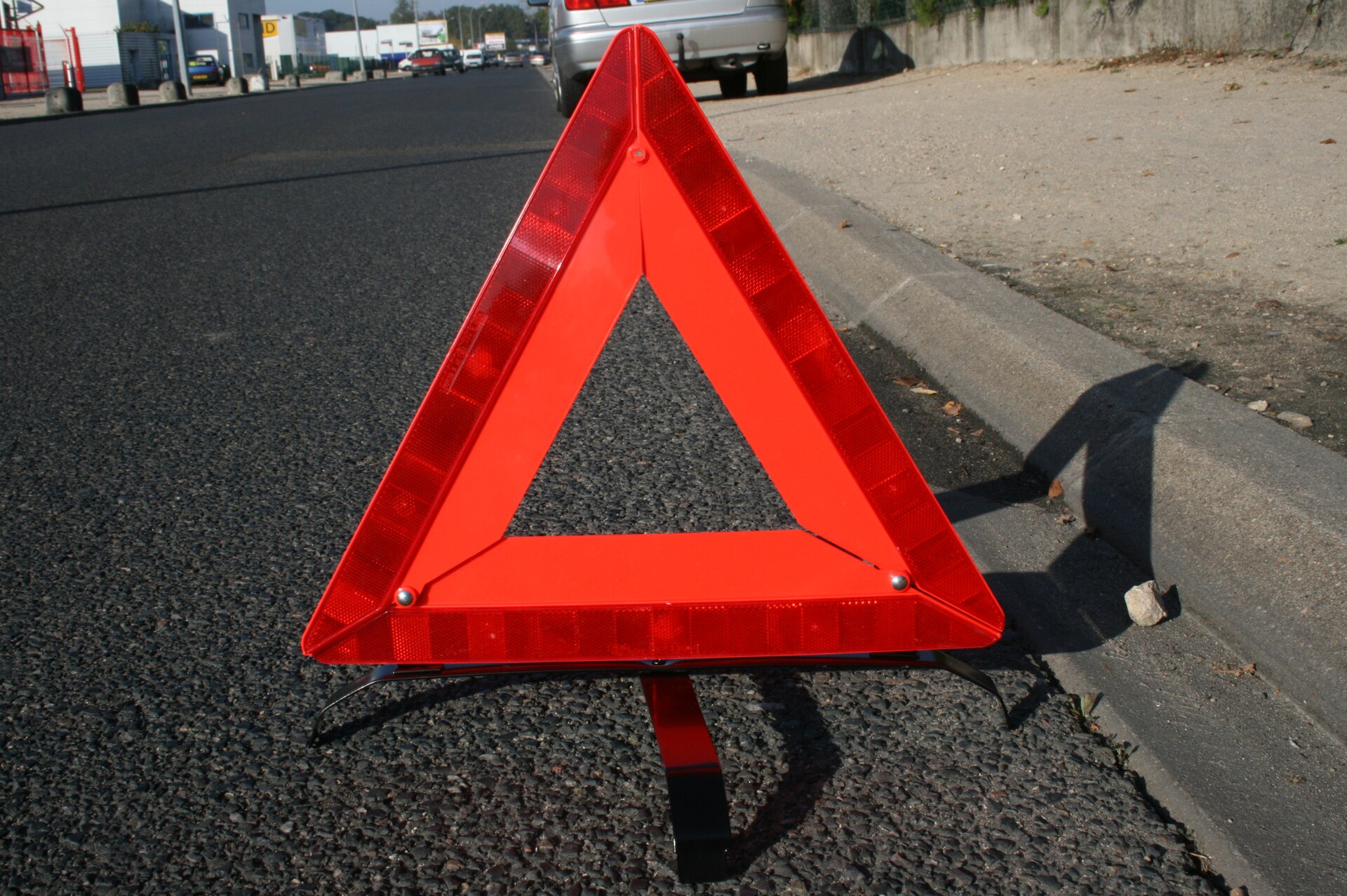
- Triangle placement. Put it well behind the car, typically 50–100 m on ordinary roads and further on fast roads; local laws set the exact distance. On motorways, get everyone behind the barrier first.
- Check the first-aid kit's expiry date. Sterile items expire, and an out-of-date kit may not count where one is compulsory.
- Chains before you need them. Practise fitting them at home. Check that your car allows chains on its tyre size; some cars with large wheels do not.
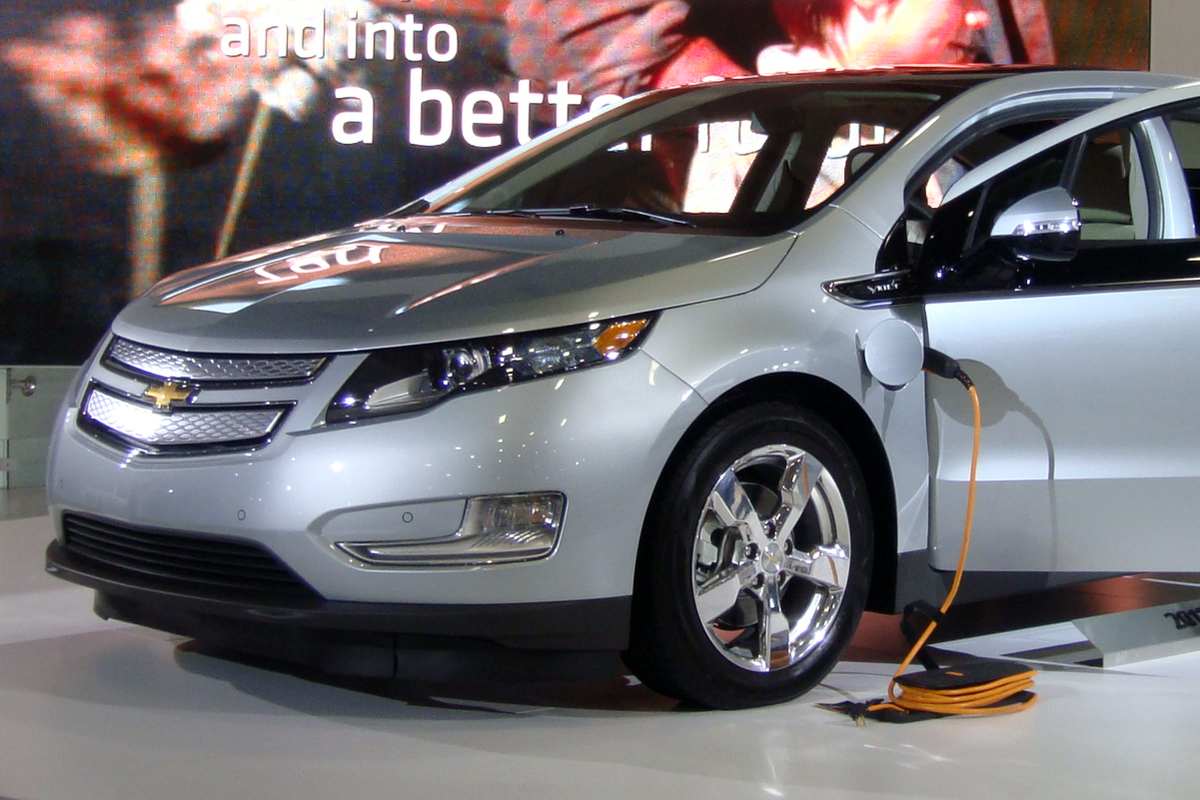
- Electric and hybrid cars need the same kit. Charging cables take up boot space, so plan where the triangle and first-aid kit go. Check our guide to electric cars if you are planning your first long EV trip.
Before you set off: a final checklist
- Driving licence, registration certificate and insurance documents
- Warning triangle, vests for all occupants, first-aid kit
- Fire extinguisher for Poland or Greece
- Winter tyres and chains for the Alps and Balkans in season
- Crit'Air sticker, German emissions sticker, digital vignettes as needed
- Breakdown cover valid abroad
- Tyre pressures set for a loaded car and a check of all lights
Try our calculator
Tyre size calculatorFAQ
What equipment is compulsory when driving in Europe?
A warning triangle is compulsory almost everywhere, and hi-vis vests are required or strongly advised in most countries. Austria, Croatia, Hungary and Greece also require a first-aid kit, and Poland and Greece a fire extinguisher. Some countries add winter equipment in season.
Do I need a hi-vis vest for every passenger?
In several countries anyone who gets out of the car on the carriageway or hard shoulder must wear one, so the safest choice is one vest per seat, kept inside the cabin within reach.
Do I need a breathalyser in France?
No. The RAC notes that the legal requirement to carry a breathalyser was removed in 2020. You still need a warning triangle and a hi-vis vest, and a Crit'Air sticker for cities with low-emission zones.
Do foreign cars need the V16 beacon in Spain?
No. From 1 January 2026 the connected V16 beacon is compulsory for Spanish-registered cars. Under the Vienna Convention, cars registered in other countries may keep using warning triangles, as the Spanish traffic authority DGT has confirmed.
Is a first-aid kit compulsory in Germany for foreign cars?
According to the RAC, Germany's first-aid kit requirement applies to German-registered cars. It is still worth carrying one, and it is compulsory in neighbouring Austria and in Croatia, Hungary and Greece.
Sources
- RAC - Driving in France (2026) (accessed 21 Oct 2026)
- RAC - Driving in Germany (2026) (accessed 21 Oct 2026)
- RAC - Driving in Spain (2026) (accessed 21 Oct 2026)
- RAC - Driving in Italy (2026) (accessed 21 Oct 2026)
- RAC - Driving in Austria (2026) (accessed 21 Oct 2026)
- RAC - Driving in Croatia (2026) (accessed 21 Oct 2026)
- RAC - Driving in Poland (2026) (accessed 21 Oct 2026)
- RAC - Driving in Greece (accessed 21 Oct 2026)
- Maldita.es - V16 beacon compulsory only for Spanish-registered vehicles (DGT, 31.12.2025) (accessed 21 Oct 2026)
- Your Europe - Driving abroad (accessed 21 Oct 2026)
Found a mistake? Report an error