

Hudson models
1 model with a review · 2 generations · United States · Founded 1909
Updated Report an error
The Hudson Motor Car Company was incorporated in Detroit on 20 February 1909 by eight local businessmen, among them Roy D. Chapin. It was named after the department store founder Joseph L. Hudson, who provided the initial capital.
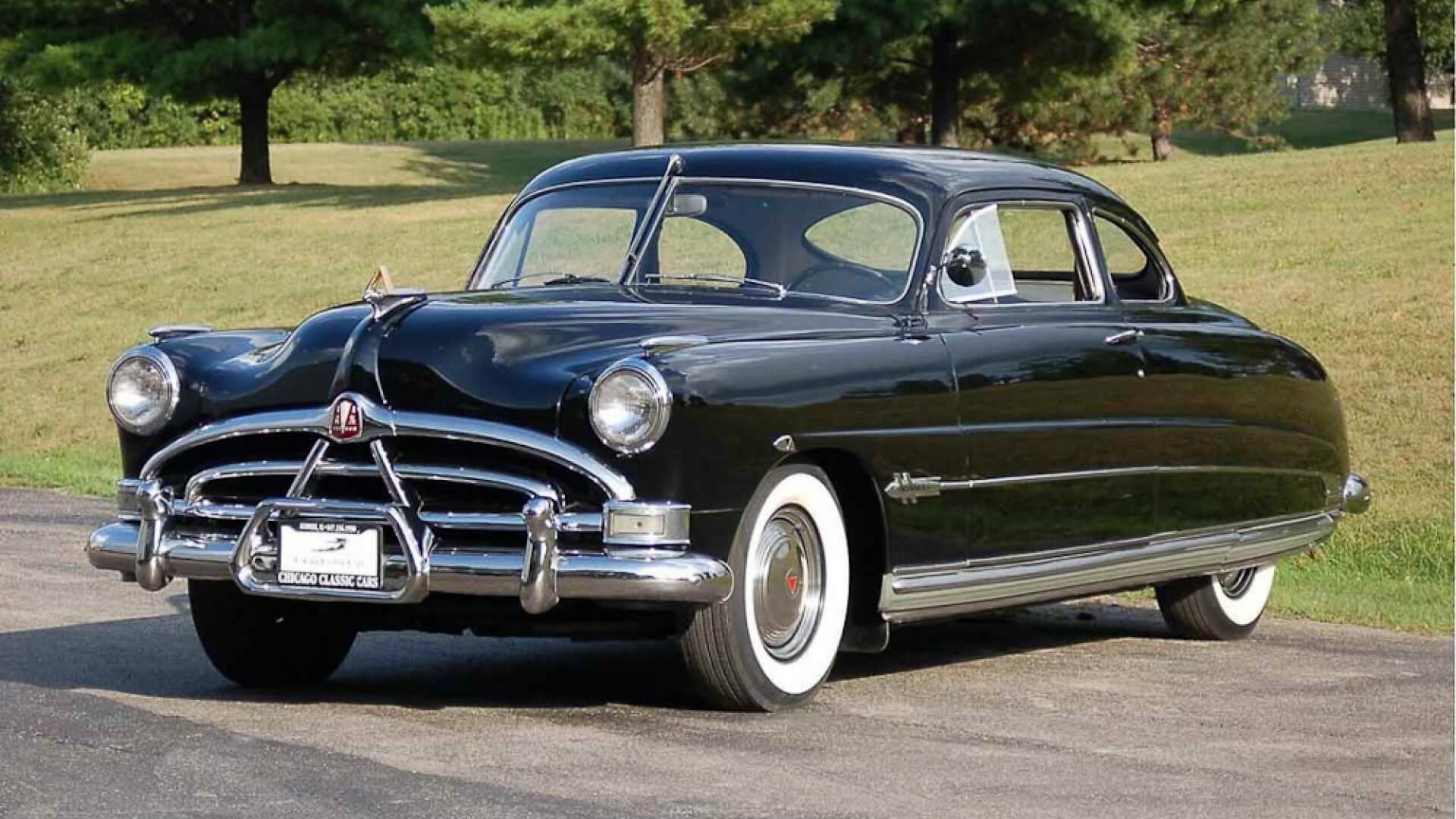
In 1919 Hudson introduced the lower-priced Essex line, and from 1932 the Essex name gave way to Terraplane. In 1948 the company launched its "step-down" body, which continued until the 1954 model year. On that basis came the Hudson Hornet of 1951, with a 5.0-litre straight-six and optional Twin-H-Power carburettors. Driven by Marshall Teague, Herb Thomas and Tim Flock, it won NASCAR championships from 1951 to 1954, although racing success did little for showroom sales. On 1 May 1954 Hudson merged with Nash-Kelvinator to form the American Motors Corporation. The Hudson name itself was discontinued after the 1957 model year, when AMC concentrated on the Rambler. See also Nash, AMC and classic cars.
Hudson models
-
Classic
- Years
- 1951–1957
- Body
- Sedan, Coupe
- Fuel
- Petrol
- Power
- 108–190 kW (147–258 PS)
Timeline
Hudson models, 1950 to now
Every row is a model, every block is a generation and a link. Gaps are real breaks in production.
1 catalog model2 generations
- Current generation
- Earlier generation
- Classic (ended 25+ years ago)
- Break in production
- Now
- Selected
All Hudson generations by year
Image credits · Photos from Wikimedia Commons under free licences
- Hudson Hornet I · Photo: Greg Gjerdingen from Willmar, USA / Wikimedia Commons, CC BY 2.0
- Hudson Hornet II · Photo: Jeremy from Sydney, Australia / Wikimedia Commons, CC BY 2.0
- Hudson logo · Photo: CBessert / Wikimedia Commons, CC BY 4.0