
BASF Turns Schwarzheide Into a CATL Supplier and Exits Recycling
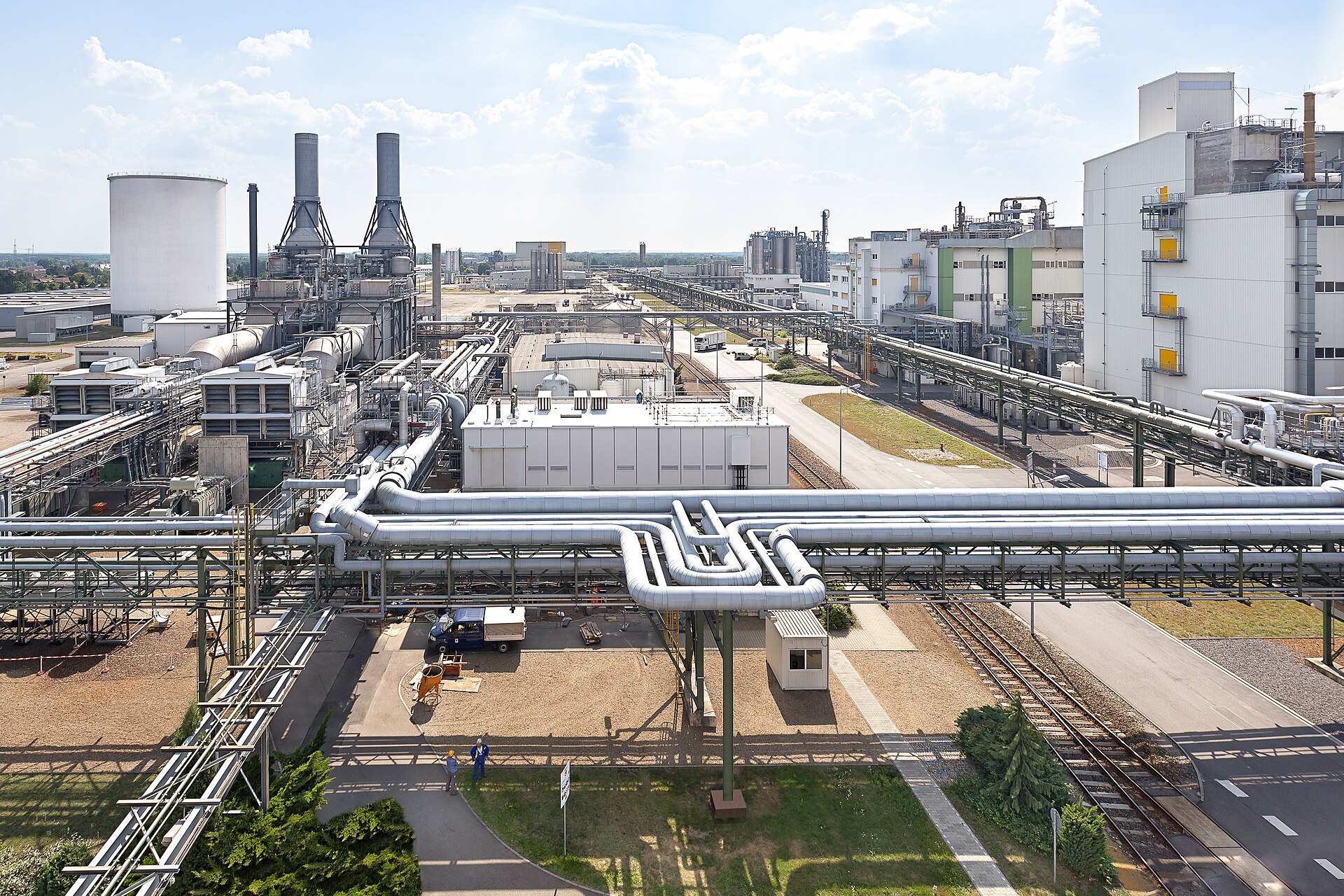
BASF has started delivering cathode active materials (CAM) from its plant in Schwarzheide, Germany, to battery giant CATL, electrive reported on 24 November. A day earlier the chemical group announced the sale of its entire battery recycling business in Europe and North America to Cylib, an Aachen start-up, so that its battery division can concentrate on cathode materials alone.
Key takeaways
- Schwarzheide is the only plant in Germany producing this kind of cathode material; BASF also supplies CATL from Changsha in China.
- The deliveries follow a global framework agreement signed in 2025, which extended cooperation dating back to 2021.
- Cylib takes over the Schwarzheide black mass plant, rated at up to 15,000 tonnes a year, or about 40,000 EV batteries.
- The price is confidential; closing is expected in the second or third quarter of 2027.
First cathode material for CATL from Germany
The cathode is the part of a lithium-ion cell that largely sets its energy density and cost, and CAM is the powder from which it is made. BASF said the Schwarzheide material is customised to CATL's technical specifications, but it did not reveal the chemistry, the volumes or the delivery schedule. Daniel Schoenfelder, head of BASF's battery materials unit, said the first shipments were the result of close collaboration across development, qualification, production and supply. BASF says sourcing from Germany shortens CATL's transport routes and strengthens regional supply security for European vehicle makers and cell plants. CATL is meanwhile working on the next step too, with solid-state battery samples due for pilot production in 2027.
What Cylib buys
Cylib gets all of BASF's recycling activities, customer and partner contracts, intellectual property and two facilities at Schwarzheide: the black mass plant commissioned in June 2025 and a prototype recycling plant. It also inherits a network for collecting, discharging and dismantling old batteries and access to customers in the US. The Schwarzheide complex as a whole cost BASF about EUR 550 million, with about EUR 175 million of federal and state support.
Founded in 2022 as an RWTH Aachen spin-off, Cylib uses a water-based process which, the company says, recovers about 90% of the raw materials in a lithium-ion battery. It operates a mechanical processing plant of up to 10,000 tonnes a year in Wernberg-Koeblitz, Bavaria, acquired in summer 2026, and is building a larger plant in Dormagen. "The startup era is over for us," co-founder Lilian Schwich told Handelsblatt.
Why BASF is narrowing its focus
The metals recovered from recycling were originally meant to feed the cathode plant next door, which BASF keeps. BASF had already adjusted its battery materials investment plans because of changing market conditions. The group is also looking for partners for its idle Battle Creek plant in Michigan and its idle precursor plant in Harjavalta, Finland.
What it means for owners
Drivers will not notice the change directly, but more cathode production and recycling capacity inside Europe should make future cells less exposed to imports. For owners already thinking about battery life, the guide to checking battery health on a used EV is the practical starting point, and current models are listed under electric cars.
Sources
- electrive: BASF supplies CATL: CAM shipments from Schwarzheide have begun (24 Nov 2026) (accessed 24 Nov 2026)
- electrive: Aachen startup Cylib acquires BASF's battery recycling business (23 Nov 2026) (accessed 24 Nov 2026)
Found a mistake? Report an error


