
UK Budget: £100 Million to Cut Prices at Street Chargers From 2027
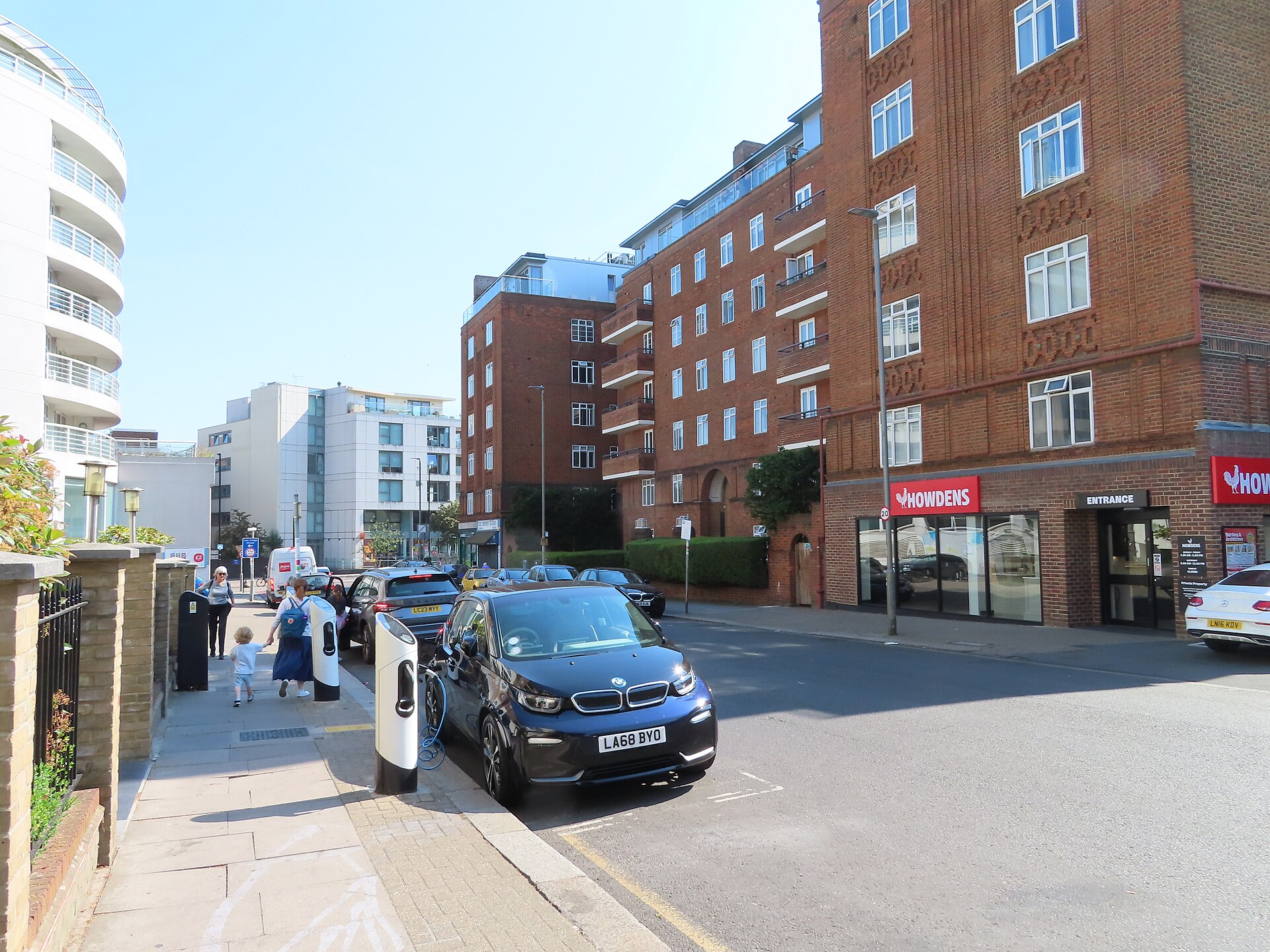
The UK government will spend £100 million (about €119 million) from 2027 to make charging at lower-powered public chargers cheaper. The money was announced in the 2026 Autumn Budget and is aimed at drivers who have no driveway and charge on residential streets, electrive reported on 29 October.
Key takeaways
- £100 million (about €119 million in 2026 money) over two years, starting in spring 2027.
- Targets lamppost, pavement and other local AC chargers where cars charge for hours or overnight.
- The Treasury expects affected drivers to save about £150 a year (around €180 in 2026).
- Public charging stays at 20% VAT; home electricity is at 0% VAT for now.
Who the money is for
According to the Treasury, the funding covers chargers "typically found on residential streets". These are the chargers used by people who park on the road and cannot plug in at home overnight on a cheap home tariff. The government has not yet said how the price cut will work: the money could subsidise charge point operators, pay them back for discounts, or fund a separate scheme. The Department for Transport says details will follow.
Why prices became a problem
An independent review launched under the 2025 Budget found that prices at lower-powered AC chargers have risen 69% in real terms since 2021. Prices at fast DC chargers, such as those at motorway services, rose 94% over the same period. The review suggested that a mix of measures, including tariff porting, could cut local public charging costs by 15 to 20 pence per kWh.
Tariff porting and the VAT gap
The government plans an industry-led taskforce on tariff porting. The idea is that a driver could use their own home electricity tariff at certain public chargers, paying the same rate as at home.
VAT remains the sore point. Electricity at home is normally taxed at 5% and has been temporarily cut to 0% from October 2026. Public and workplace charging stays at 20%, and the Budget proposes a law to confirm this from 1 November 2026. The charging industry has long argued that this gap is unfair to drivers without off-street parking.
Earlier in October, England also allowed eligible cross-pavement charging channels (cable gullies) without planning permission. The government estimates that a gully could save a household up to £300 (about €357 in 2026), because the car can then charge on the home tariff.
What it means for you
If you own an electric car in the UK and charge on the street, you should see lower prices at local chargers from spring 2027, but the exact discount is not known yet. If you can install a cable gully, home charging remains the cheapest option. Drivers who mostly use motorway fast chargers will not benefit from this scheme.
Compare running costs of battery cars in our electric cars section, and follow the latest car news.
Sources
- electrive: UK government pledges £100m to cut public EV charging costs (29 Oct 2026) (accessed 30 Oct 2026)
Found a mistake? Report an error


