Electric Car Range in Winter: Real Losses and How to Reduce Them
An electric car typically loses 15–25% of its range in a mild European winter and 30–45% in severe frost. In the Norwegian automobile club NAF's winter test in January 2026, run at down to −32 °C, 24 new EVs fell short of their WLTP range by 38% on average; in the milder 2025 test, between −6 °C and +8 °C, the shortfall was 18%. The causes are well understood: cabin heating, a cold battery and denser air. Most of the loss can be reduced with preconditioning, a heat pump and a few habits.
Key takeaways
- Plan winter trips around 60–80% of the WLTP range, and around 60% in hard frost at motorway speed.
- Cabin and battery heating are the biggest extra loads; a heat pump and preheating while plugged in make the largest difference.
- Fast charging is slower when the battery is cold, so precondition before you arrive at a fast charger.
- Range comes back in spring: winter loss is temporary and does not damage the battery.
How much range does an electric car lose in winter?
Real-world tests by European automobile clubs give the best guidance, because they drive the cars until they stop.
| Test | Conditions | Result |
|---|---|---|
| NAF El Prix, winter 2026 | 24 cars, Norway, −7 °C to −32 °C | Average 38% below WLTP range; best production cars 29% (Hyundai Inster, MG S6); worst 46% (Lucid Air) |
| NAF El Prix, winter 2025 | Same route, −6 °C to +8 °C | Average 18% below WLTP range |
| ADAC test bench, January 2025 | 25 cars, 0 °C, Munich–Berlin motorway, 582 km | Only the Mercedes EQS 450+ completed it without charging; VW ID.7 charged after 436 km, Tesla Model 3 after 423 km |
| ADAC winter stress test, January 2026 | 14 family EVs with 500+ km WLTP range, 0 °C, average 111 km/h | None completed 582 km without stopping; best was the Audi A6 Avant e-tron at 441 km; consumption 22–35 kWh per 100 km |
Two lessons follow. First, temperature matters more than anything else: the same NAF route produced a 38% loss in 2026 and 18% in 2025. Second, motorway speed and cold together hit hard, which is why the ADAC's 0 °C motorway tests produce ranges that look modest next to the brochure.
The NAF testers made a further point that matters for safety. In severe cold, cars started to lose power earlier than expected: the first stopped with 11% charge displayed, and many lost power between 8% and 6%. In deep frost, treat 10–15% as your empty mark.
Winter range estimates for popular EVs
How does that translate into kilometres? The table applies the two NAF averages to the WLTP ranges in our electric car catalog. These are planning estimates, not measurements; your car, speed and route will differ.
| Car | WLTP range | Mild winter, about −18% | Severe frost, about −38% |
|---|---|---|---|
| Peugeot e-208 (51 kWh) | 400 km | about 330 km | about 250 km |
| BYD Dolphin (60 kWh) | 427 km | about 350 km | about 265 km |
| Kia Niro EV (65 kWh) | 463 km | about 380 km | about 285 km |
| Volvo EX30 Extended Range (64 kWh) | 480 km | about 395 km | about 300 km |
| Skoda Enyaq 85 (77 kWh) | 566 km | about 465 km | about 350 km |
| VW ID.7 Pro (77 kWh) | 621 km | about 510 km | about 385 km |
For long motorway trips at 0 °C, the ADAC results suggest planning even lower. The ID.7, for example, needed to charge after 436 km in the 2025 bench test. You can read more about how electric range is measured in our glossary.
Why cold weather cuts the range
Several effects add up:
- Heating the cabin. A combustion engine heats the car with waste heat for free; an electric motor produces very little waste heat. The energy for heating comes from the traction battery, and on short trips it can be a large share of the total.
- Heating the battery. Lithium-ion cells work best at roughly room temperature. In frost, the car spends energy warming the pack so it can deliver and accept power.
- Slower chemistry. A cold battery has higher internal resistance, so less of its stored energy is usable until it warms up.
- Limited regenerative braking. A cold battery cannot accept much charge, so the car recovers less energy when slowing down until the pack is warm.
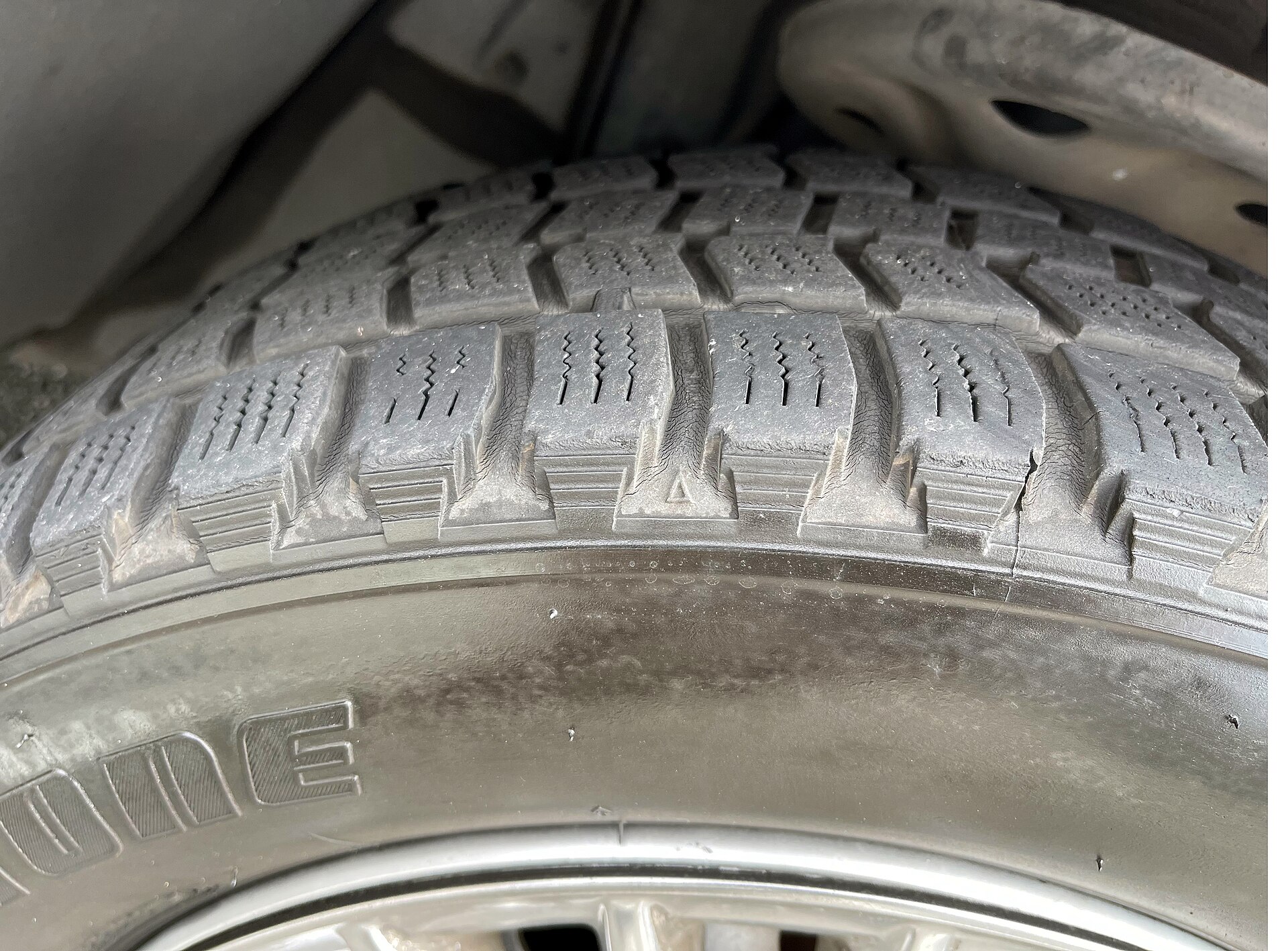
- Winter tyres, wet roads and denser air. Each increases rolling or aerodynamic resistance a little.
None of this damages the battery. When temperatures rise again, the range returns. Permanent capacity loss is a different topic, covered by battery health checks on used EVs.
The heat pump: does it really help?
A heat pump moves heat from the outside air and from the drive components into the cabin, so it needs much less electricity than a resistive heater for the same warmth. In the ADAC's 2026 winter stress test, every car that scored competitively had a heat pump, and the club now describes it as an increasingly standard feature.
The benefit is largest at moderate cold, around 0 to −10 °C, and on shorter trips where heating dominates. In very deep frost a heat pump's efficiency drops and some cars switch to resistive heating. If you live where winters are long, put a heat pump high on your list of options when buying, and check whether it is standard or an extra on the trim you are looking at.
How to keep more range in winter
- Precondition while plugged in. Heat the cabin and battery from the grid before you leave, using the app or a departure timer. You start with a warm car and a full battery.
- Use seat and steering wheel heating. They warm you directly and use a fraction of the energy of heating the cabin air.
- Lower the cabin temperature by one or two degrees and use recirculation sensibly, without letting the windows mist up.
- Slow down on the motorway. Aerodynamic drag grows with the square of speed; dropping from 130 to 110 km/h saves a lot of energy and often gets you there sooner by avoiding a charging stop.
- Park in a garage if you can. A battery that stays above freezing overnight needs less energy to warm up.
- Keep tyres at the right pressure. Pressure falls in the cold; check it monthly.
- Keep a reserve. Arrive with at least 10–15% in frost, and know where the next charger is.
Charging in cold weather
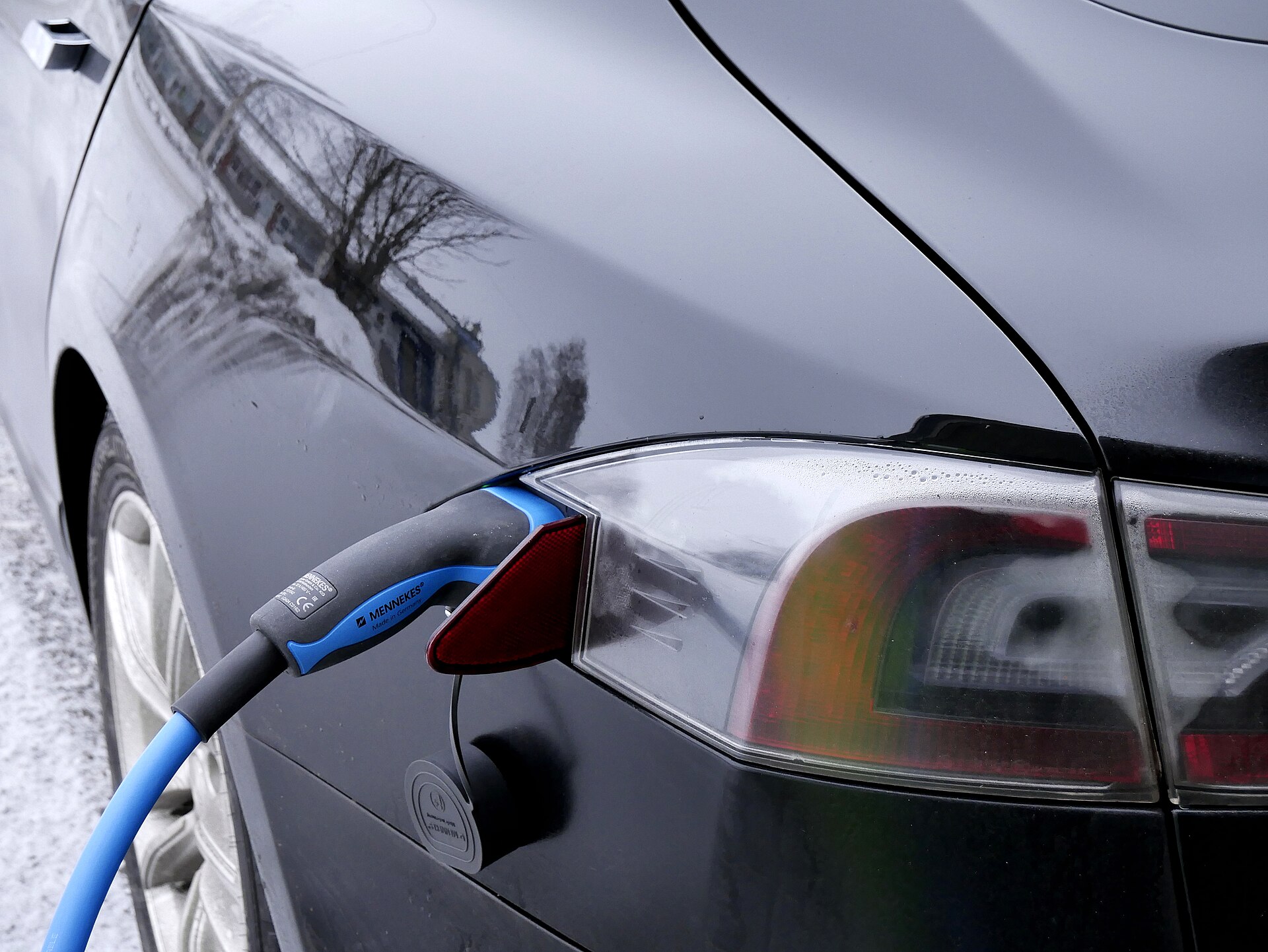
Fast charging is slower with a cold battery, because the car limits the current until the cells are warm. The fix is battery preconditioning: most modern EVs warm the battery automatically when you set a fast charger as the navigation destination, and some let you start it manually. With preconditioning before charging, most cars in NAF's 2026 test came close to their stated 10–80% charging times even in extreme cold.
The ADAC's 2026 test shows how much charging speed differs between cars. In 20 minutes on a 300 kW charger, the Audi A6 Avant e-tron added enough energy for about 300 km and the Smart #5 for 264 km, both on 800-volt platforms; the VW ID.7 Tourer was the only 400-volt car to add more than 200 km. For winter trips, a car that charges fast matters as much as one with a big battery.
At home, charge as usual. If the car sits outside in frost, plugging in overnight lets it keep the battery warm from the grid and leaves you more range in the morning. Our guide to charging costs can help you plan the bill, and the cost of ownership calculator shows how energy fits into total running costs.
Choosing an EV for cold winters
If you regularly drive long distances in winter, look beyond the WLTP figure:
- A heat pump, ideally as standard.
- Efficiency, not just battery size. In the ADAC test, the least efficient family SUV used about 60% more energy than the most efficient one over the same route.
- Fast, preconditioned charging, which matters more than a few extra kilometres of range.
- A body shape that cuts through the air. Tall SUVs suffer more at motorway speeds. Compare models in our catalog of electric SUVs.
Try our calculator
Cost of ownership calculatorFAQ
How much range does an electric car lose in winter?
Typically 15–25% around freezing and 30–45% in hard frost. In NAF's January 2026 test at down to −32 °C the average loss against WLTP was 38%, while in the milder 2025 test it was 18%.
Is it bad to leave an electric car outside in the cold?
It does not harm the battery, but a cold battery has less usable energy and charges more slowly. If you can, leave the car plugged in so it can keep the battery warm and precondition from the grid before you leave.
Does a heat pump make a big difference?
Yes, especially around 0 to −10 °C and on shorter trips. It heats the cabin with much less electricity than a resistive heater. In the ADAC's 2026 winter test, all the competitive cars had one.
Can an electric car leave you stranded in a traffic jam in winter?
It is unlikely if you start with a reasonable charge. A stationary EV uses energy only for heating and electronics, typically a few kilowatts at most, so a car with 30–40% charge can keep the cabin warm for many hours. Keep a reserve in winter and do not run the battery down to the last few percent.
Does winter permanently reduce battery capacity?
No. The range loss in cold weather is temporary and returns when it gets warmer. Long-term battery ageing depends mainly on time, mileage, heat and how often the battery is fast-charged to very high or very low levels.
Sources
- NAF — El Prix vinter 2026: rekkeviddetest (accessed 21 Oct 2026)
- FIA — How do EVs perform at -32°C? 24 models face the ultimate winter test (accessed 21 Oct 2026)
- ADAC — Winter-Stresstest 2026: Wie reisetauglich sind E-Autos für Familien? (accessed 21 Oct 2026)
- ADAC press — Mercedes-Benz EQS 450+ ist Langstreckenkönig (winter range test, 30.01.2025) (accessed 21 Oct 2026)
- evpowered — NAF El Prix 2026 winter results (10.02.2026) (accessed 21 Oct 2026)
Found a mistake? Report an error