
Volvo EX60 vs BMW iX3: specs side by side
Quick comparison from catalog data — no editorial review of this pair yet.
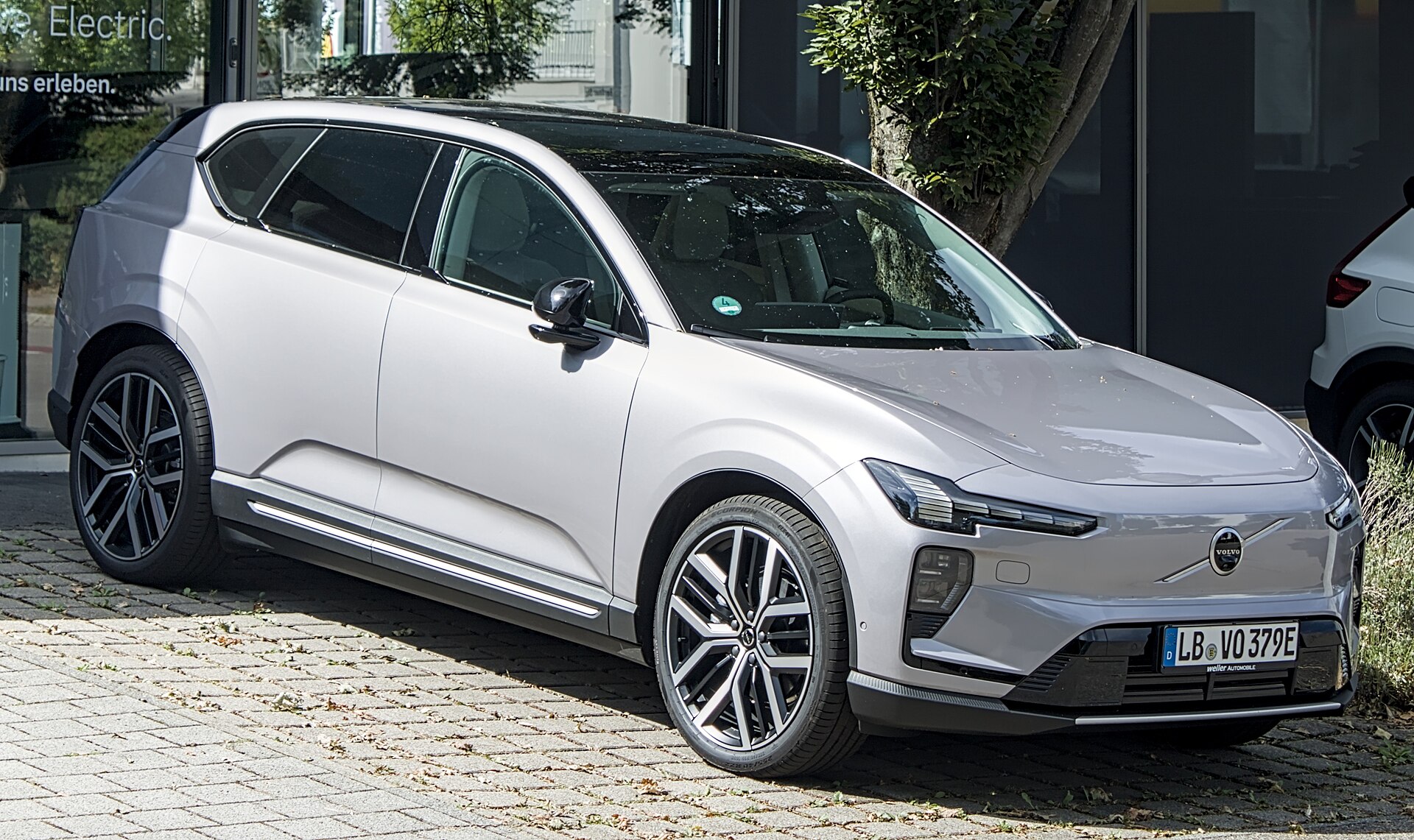
Volvo · 2026–present
EX60 I
- Power
- 275 kW374 PS
- 0–100 km/h
- 5.9 s
- Top speed
- 180 km/h
- Kerb mass
- 2,189 kg
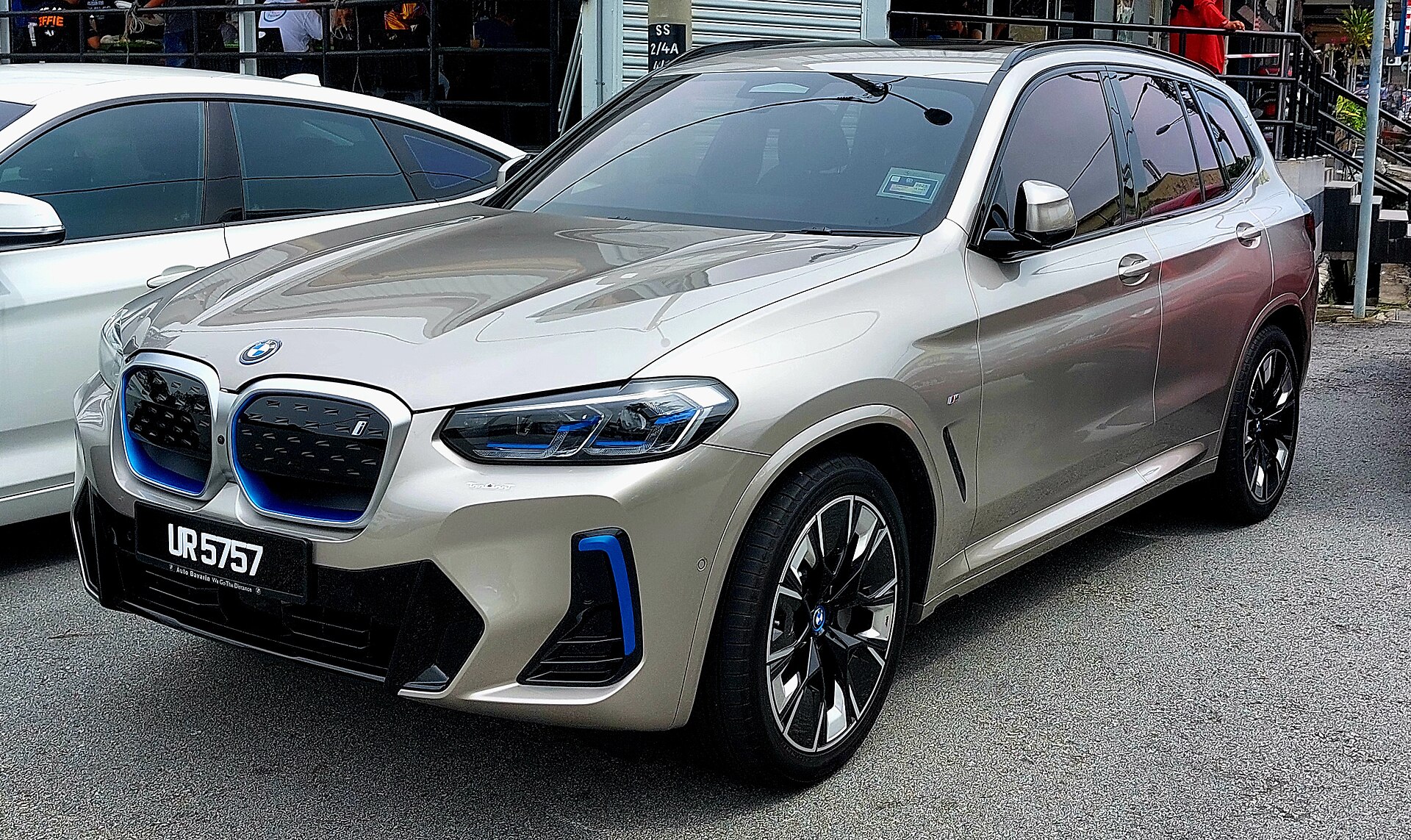
BMW · 2025–present
iX3 NA5
- Power
- 345 kW469 PS
- 0–100 km/h
- 4.9 s
- Top speed
- —
- Kerb mass
- —
At a glance
Who suits what, worked out from the catalog figures of the versions above.
Categories won: EX60 I 0 iX3 NA5 3
- City Too close to call Length: 4,803 mm vs 4,782 mm
- Long trips iX3 NA5 Range: 800 km vs 611 km (estimated)
- Performance iX3 NA5 0–100 km/h: 4.9 s vs 5.9 s
- Off-road iX3 NA5 Drive and body: All-wheel drive · SUV vs Rear-wheel drive · Crossover
In plain words
BMW iX3 is quicker: 0–100 km/h in 4.9 s against 5.9 s for Volvo EX60. Volvo EX60 is 21 mm longer than BMW iX3 (4,803 mm vs 4,782 mm). BMW iX3 is the older design (from 2020); Volvo EX60 arrived in 2026. On the catalog figures, the BMW iX3 is the pick for long trips, performance and off-road. Our catalog has no kerb mass for the BMW iX3 yet, so some checks above leave it out.
Race Stats side by side
Each figure is a 0–100 score from the catalog numbers, the same as on the 1CARS Race cards. PI is the overall performance index (100–999) and its class D–S.
| Stat | EX60 I | iX3 NA5 |
|---|---|---|
| PI | B · 530 | A · 612 |
| Power | 57 | 53 |
| Grip | 40 | 60 |
| Handling | 44 | 62 |
| Top speed | 31 | 45 |
| Launch | 56 | 65 |
Grip and handling are estimates from drive type, weight, height and body (hover a figure to see where it comes from). 1CARS Race
Who wins a race?
Quarter-mile (402 m) drag from a standing start, dry road, no reaction time — the 1CARS Race physics on the catalog figures of these versions.
- 1 iX3 NA5iX3 NA5 · 50 xDrive · electric · 345 kW (469 PS) 13.49 sat 159 km/h
- 2 EX60 IP6 Electric · 275 kW (374 PS) 14.29 sat 158 km/h · +0.80 s
Size and weight
| EX60 I | iX3 NA5 | |
|---|---|---|
| Length | 4,803 mm189.1 in | 4,782 mm188.3 in −21 mm −0.8 in −0.4% |
| Wheelbase | 2,970 mm116.9 in | 2,897 mm114.1 in −73 mm −2.9 in −2.5% |
| Fits a standard garage? | Too wide | No data |
Difference vs EX60 I (±). Garage check: a standard single garage takes a car up to about 5.0 m (16 ft 5 in) long and 1.9 m (6 ft 3 in) wide (width as listed in the catalog; some makers include the mirrors). Leave about 0.6 m (2 ft) to open the doors.
Full specifications
| Volvo EX60 | BMW iX3 | |
|---|---|---|
| General | ||
| Version | P6 Electric · 275 kW (374 PS) | iX3 NA5 · 50 xDrive · electric · 345 kW (469 PS) |
| Production years | 2026–present | 2025–present |
| Body | Crossover | SUV |
| Country | Sweden | Germany |
| Performance | ||
| Power Why it matters: More power means stronger acceleration and easier overtaking, especially with a full load. | 275 kW (374 PS) 369 hp | 345 kW (469 PS) 463 hp Better |
| Power, all versions | 275–500 kW (374–680 PS) 369–671 hp | 210–345 kW (286–469 PS) 282–463 hp |
| Torque Why it matters: Torque is the pulling force you feel when accelerating from low revs, towing or climbing hills. | 480 Nm 354 lb-ft | 641 Nm 473 lb-ft Better |
| 0–100 km/h Why it matters: A shorter 0–100 km/h time means quicker getaways and safer merging onto fast roads. | 5.9 s | 4.9 s Better |
| Top speed Why it matters: Top speed hints at how relaxed the car is at motorway speeds, even if you never reach it. | 180 km/h 112 mph | No data |
| Power per tonne | 126 kW/t 153 hp/ton calculated | No data |
| Engine and transmission | ||
| Fuel | Electric | Electric |
| Gearbox | 1-speed single-speed | 1-speed single-speed |
| Drive | Rear-wheel drive | All-wheel drive |
| Dimensions and weight | ||
| Length | 4,803 mm 189.1 in | 4,782 mm 188.3 in |
| Width | 1,908 mm 75.1 in | No data |
| Height | 1,635 mm 64.4 in | No data |
| Wheelbase | 2,970 mm 116.9 in | 2,897 mm 114.1 in |
| Kerb weight Why it matters: A lighter car is usually more agile and uses less energy. | 2,189 kg 4,826 lb | No data |
| Boot Why it matters: A bigger boot fits more luggage, shopping or a pram. | 523 l 18.5 cu ft | No data |
| Electric | ||
| Battery Why it matters: A bigger battery usually gives more range, but takes longer to charge fully. | 83 kWh | 108 kWh Better |
| Electric range Why it matters: A longer range means fewer charging stops on long journeys. | 611 km 380 mi | 800 km 497 mi Better |
These cars do not differ in the data we have.
Equal rows hidden (2): Fuel, Gearbox.
Better marks the stronger figure — only for measurable specs (power, torque, 0–100 km/h, consumption, boot, weight).