No versions in our catalog yet
- Power
- 265 kW360 PS
vs

- Power
- 205 kW279 PS
+Add a third car
In plain words
Chevrolet Camaro is the older design (from 1966); Ford Mustang GT500 arrived in 1967.
Full specifications
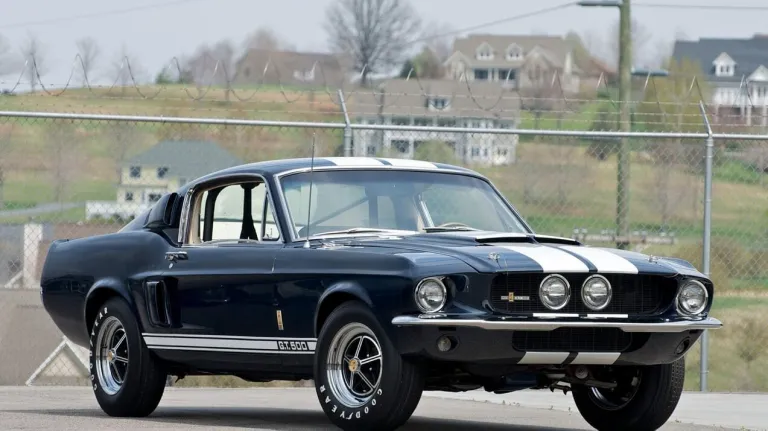 Mustang GT500
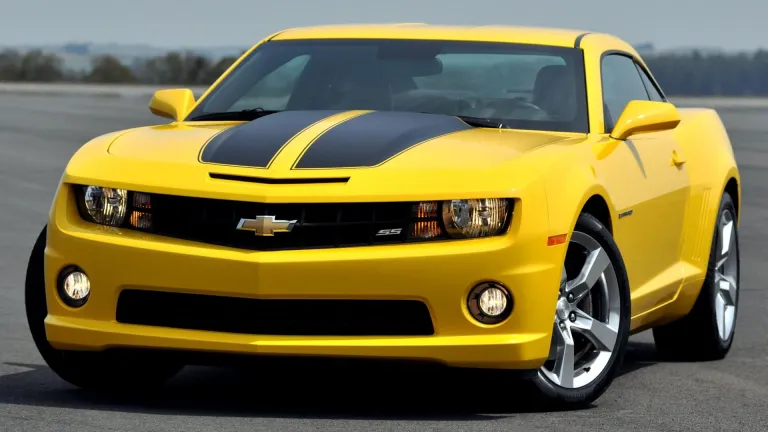 Camaro IVCamaro IV · 5.7 L (350 cu in) V8 · 205 kW (279 PS)
| Ford Mustang GT500 | Chevrolet Camaro |
|---|
| General |
|---|
| Version |
No data |
Camaro IV · 5.7 L (350 cu in) V8 · 205 kW (279 PS) |
| Production years |
1967–1970 |
1993–2002 |
| Body |
Coupe |
Hatchback, Coupe |
| Class |
Sports car |
Sports car |
| Country |
United States |
United States |
| Performance |
|---|
| Power Why it matters: More power means stronger acceleration and easier overtaking, especially with a full load. |
265 kW (360 PS) 355 hp Better |
205 kW (279 PS) 275 hp |
| Power, all versions |
265 kW (360 PS) 355 hp |
66–485 kW (90–659 PS) 89–650 hp |
| Torque Why it matters: Torque is the pulling force you feel when accelerating from low revs, towing or climbing hills. |
No data |
441 Nm 325 lb-ft |
| Engine and transmission |
|---|
| Fuel |
Petrol |
Petrol |
| Engine |
No data |
8 cyl |
| Drive |
Rear-wheel drive |
Rear-wheel drive |
| Dimensions and weight |
|---|
| Length |
No data |
4,907 mm 193.2 in |
| Width |
No data |
1,882 mm 74.1 in |
| Height |
No data |
1,303 mm 51.3 in |
| Wheelbase |
No data |
2,568 mm 101.1 in |
| Fuel tank Why it matters: A larger tank means more distance between fuel stops. |
No data |
64 l 16.9 gal US |
These cars do not differ in the data we have.
Equal rows hidden (4): Class, Country, Fuel, Drive.
Better marks the stronger figure - only for measurable specs (power, torque, 0–100 km/h, consumption, boot, weight).

