
Honda Accord vs Nissan Cefiro: specs side by side
Quick comparison from catalog data — no editorial review of this pair yet.
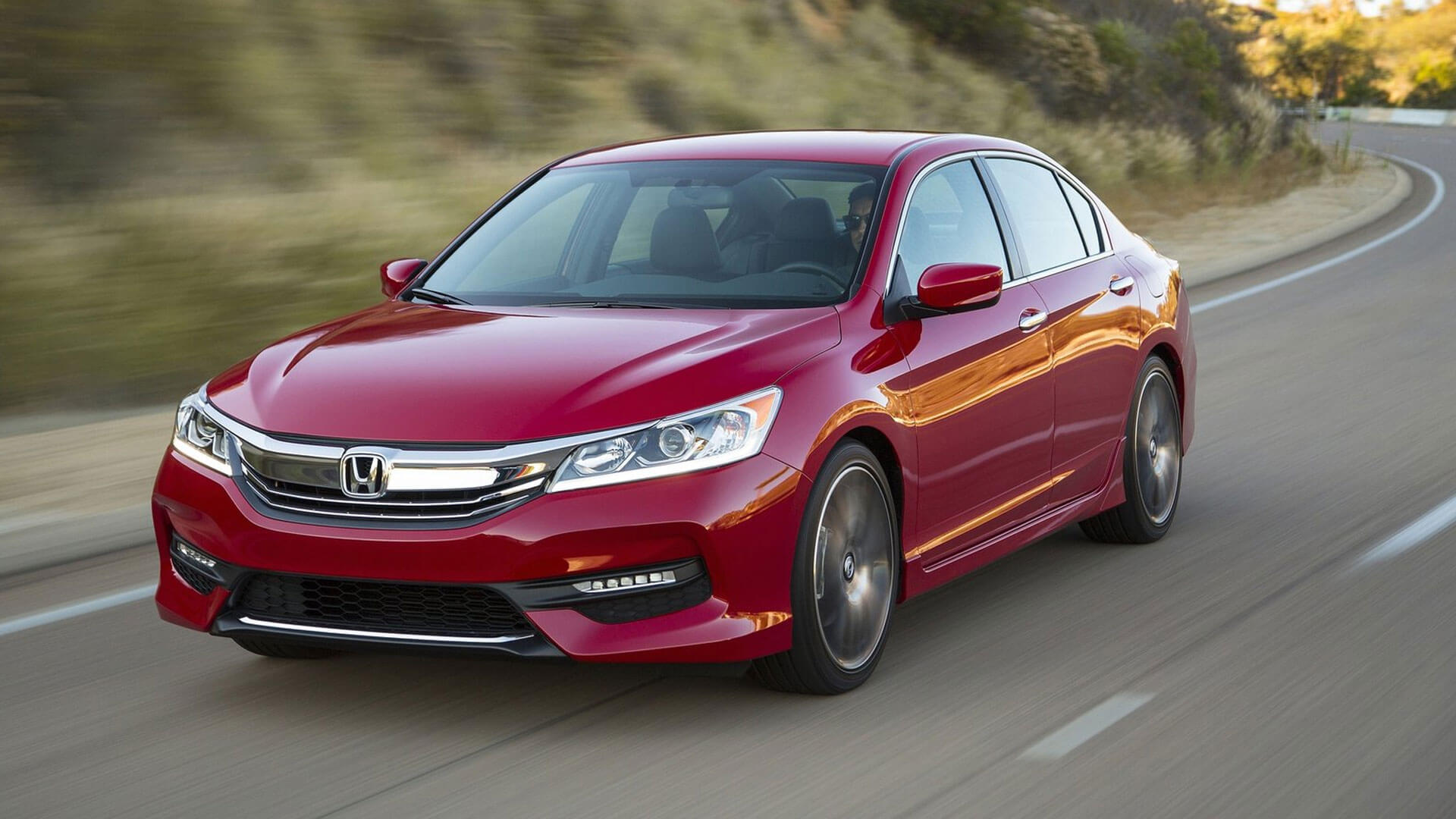
Honda · 2022–present
Accord XI
- Power
- 143 kW194 PS
- Kerb mass
- 1,493 kg

Nissan · 1994–1998
Cefiro A32
- Power
- 103 kW140 PS
- Kerb mass
- —
At a glance
Who suits what, worked out from the catalog figures of the versions above.
Categories won: Accord XI 1 Cefiro A32 0
- Family Accord XI Boot: 473 l vs 440 l
- Off-road Too close to call Drive and body: Front-wheel drive · Sedan vs Front-wheel drive · Sedan
In plain words
Honda Accord has more power: 143 kW (194 PS) against 103 kW (140 PS) for Nissan Cefiro. Honda Accord has the bigger boot: 473 l against 440 l. Honda Accord is the older design (from 1976); Nissan Cefiro arrived in 1988. Honda Accord is still in production; Nissan Cefiro is not. On the catalog figures, the Honda Accord is the pick for family. Our catalog has no kerb mass for the Nissan Cefiro yet, so some checks above leave it out.
Size and weight
| Accord XI | Cefiro A32 | |
|---|---|---|
| Boot | 473 l16.7 cu ft | 440 l15.5 cu ft −33 l −1.2 cu ft −7.0% |
Difference vs Accord XI (±).
Full specifications
| Honda Accord | Nissan Cefiro | |
|---|---|---|
| General | ||
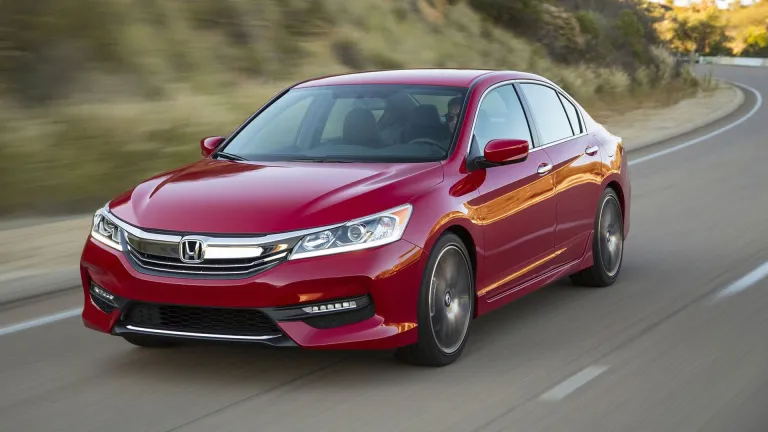
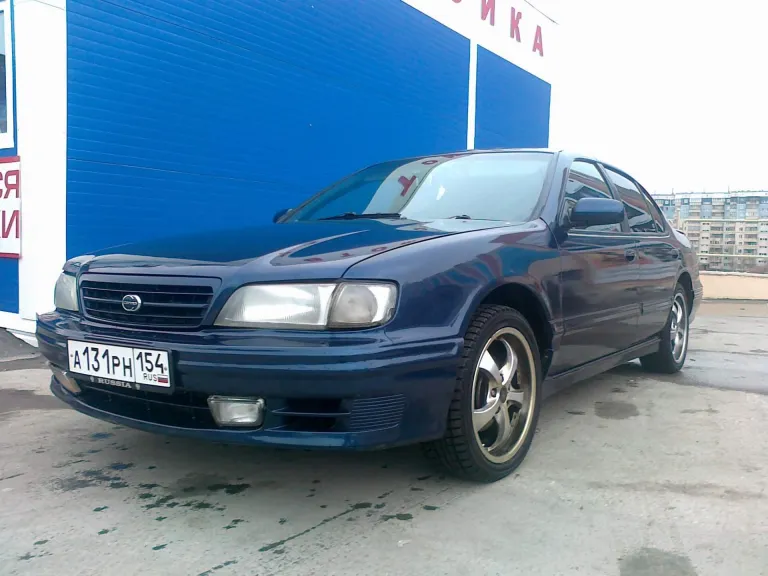
| Version | Accord XI · 1.5 VTEC Turbo CVT · petrol · 143 kW (194 PS) | 2.0 · 103 kW (140 PS) |
| Production years | 2022–present | 1994–1998 |
| Body | Sedan | Sedan |
| Country | Japan | Japan |
| Performance | ||
| Power Why it matters: More power means stronger acceleration and easier overtaking, especially with a full load. | 143 kW (194 PS) 192 hp Better | 103 kW (140 PS) 138 hp |
| Power, all versions | 50–207 kW (68–281 PS) 67–278 hp | 103–141 kW (140–192 PS) 138–189 hp |
| Torque Why it matters: Torque is the pulling force you feel when accelerating from low revs, towing or climbing hills. | 260 Nm 192 lb-ft | No data |
| Power per tonne | 96 kW/t 117 hp/ton calculated | No data |
| Engine and transmission | ||
| Fuel | Petrol | Petrol |
| Engine | 1,498 cc · 4 cyl 1.5 l | 2,000 cc 2.0 l |
| Gearbox | CVT | No data |
| Drive | Front-wheel drive | Front-wheel drive |
| Dimensions and weight | ||
| Length | 4,971 mm 195.7 in | No data |
| Height | 1,449 mm 57.0 in | No data |
| Wheelbase | 2,830 mm 111.4 in | No data |
| Kerb weight Why it matters: A lighter car is usually more agile and uses less energy. | 1,493 kg 3,292 lb | No data |
| Boot Why it matters: A bigger boot fits more luggage, shopping or a pram. | 473 l 16.7 cu ft Better | 440 l 15.5 cu ft |
| Fuel tank Why it matters: A larger tank means more distance between fuel stops. | 56 l 14.8 gal US | No data |
| Economy and running costs | ||
| Fuel consumption Why it matters: Lower consumption cuts running costs and CO₂ emissions on every trip. | 7.3 l/100 km 32.2 mpg US | No data |
| Fuel cost per year | €1,920/year estimated | No data |
| Range on a full tank | 767 km 477 mi estimated | No data |
These cars do not differ in the data we have.
Equal rows hidden (4): Body, Country, Fuel, Drive.
Better marks the stronger figure — only for measurable specs (power, torque, 0–100 km/h, consumption, boot, weight).
Estimated at 15,000 km a year with fuel at €1.75/l petrol.