
Pontiac GTO vs Ford Gran Torino: specs side by side
Quick comparison from catalog data - no editorial review of this pair yet.

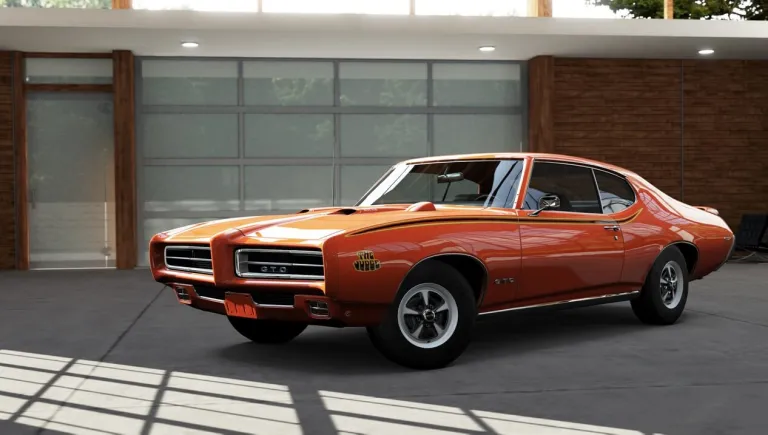
Pontiac · 2004–2006
GTO V
- Power
- 149–298 kW203–405 PS
- 0–100 km/h
- -
- Kerb mass
- -
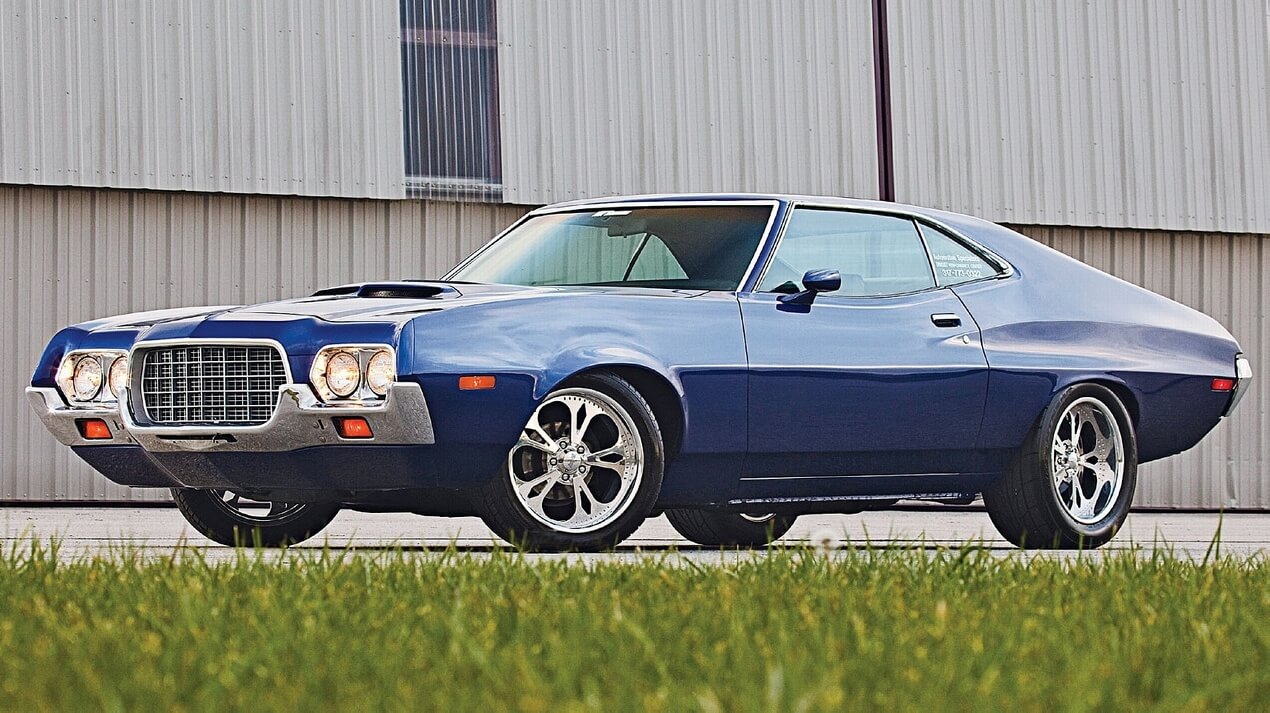
Ford · 1972–1976
Gran Torino
- Power
- 182 kW247 PS
- 0–100 km/h
- 6.8 s
- Kerb mass
- 1,528 kg
In plain words
Pontiac GTO is the older design (from 1964); Ford Gran Torino arrived in 1972. Our catalog has no 0–100 km/h for the Pontiac GTO yet, so some checks above leave it out.
Full specifications
| Pontiac GTO | Ford Gran Torino | |
|---|---|---|
| General | ||
| Version | GTO V · 6 L 8 cyl Automatic 4-spd · 2006 (EPA) | 182 kW (247 PS) |
| Production years | 2004–2006 | 1972–1976 |
| Body | Coupe | Coupe |
| Class | Sports car | Sports car |
| Country | United States | United States |
| Performance | ||
| Power Why it matters: More power means stronger acceleration and easier overtaking, especially with a full load. | 149–298 kW (203–405 PS) 200–400 hp Better | 182 kW (247 PS) 244 hp |
| 0–100 km/h Why it matters: A shorter 0–100 km/h time means quicker getaways and safer merging onto fast roads. | No data | 6.8 s |
| Power per tonne | No data | 119 kW/t 145 hp/ton calculated |
| Engine and transmission | ||
| Fuel | Petrol | Petrol |
| Engine | 6,000 cc · 8 cyl 6.0 l | No data |
| Gearbox | 4-speed automatic | No data |
| Drive | Rear-wheel drive | No data |
| Dimensions and weight | ||
| Width | No data | 2,014 mm 79.3 in |
| Wheelbase | No data | 2,896 mm 114.0 in |
| Kerb weight Why it matters: A lighter car is usually more agile and uses less energy. | No data | 1,528 kg 3,369 lb |
| Economy and running costs | ||
| Fuel consumption Why it matters: Lower consumption cuts running costs and CO₂ emissions on every trip. | 14.7 l/100 km 16.0 mpg US | No data |
| Fuel cost per year | €3,860/year estimated | No data |
These cars do not differ in the data we have.
Equal rows hidden (4): Body, Class, Country, Fuel.
Better marks the stronger figure - only for measurable specs (power, torque, 0–100 km/h, consumption, boot, weight).
Estimated at 15,000 km a year with fuel at €1.75/l petrol.