 Kia Niro
All generations, specs and history
Updated Published Sources (8) Report an error
By Felix Hartmann, Automotive Technology & EV Contributor Reviewed by Oleksandr Hnatiuk

- Built
- 2016–present
- Generations
- 2
- Top power
- 150 kW (204 PS)
Timeline
Niro generations
Click a generation for its own page


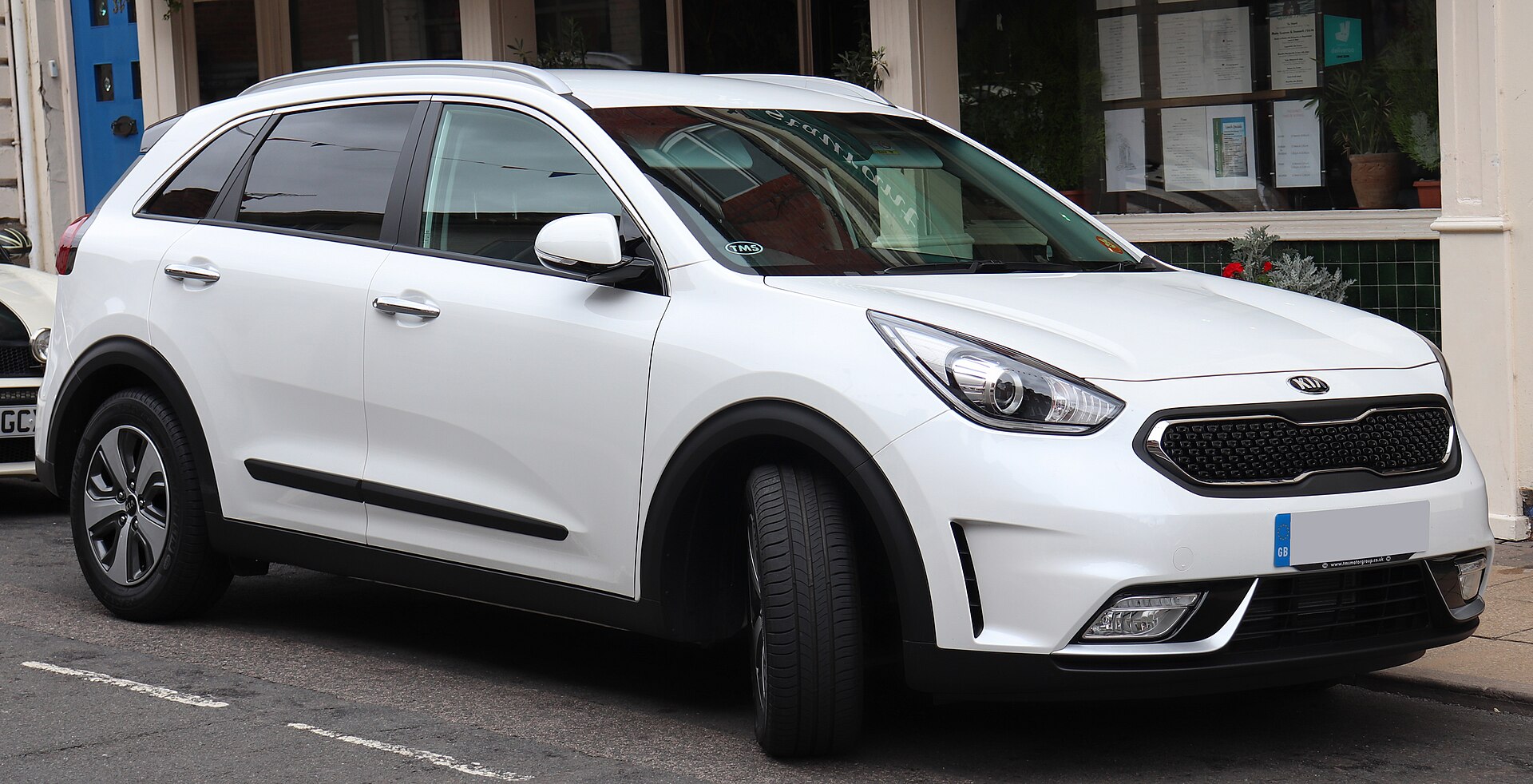
- Niro I 2016–2022 · SUV · 100–150 kW (136–204 PS)
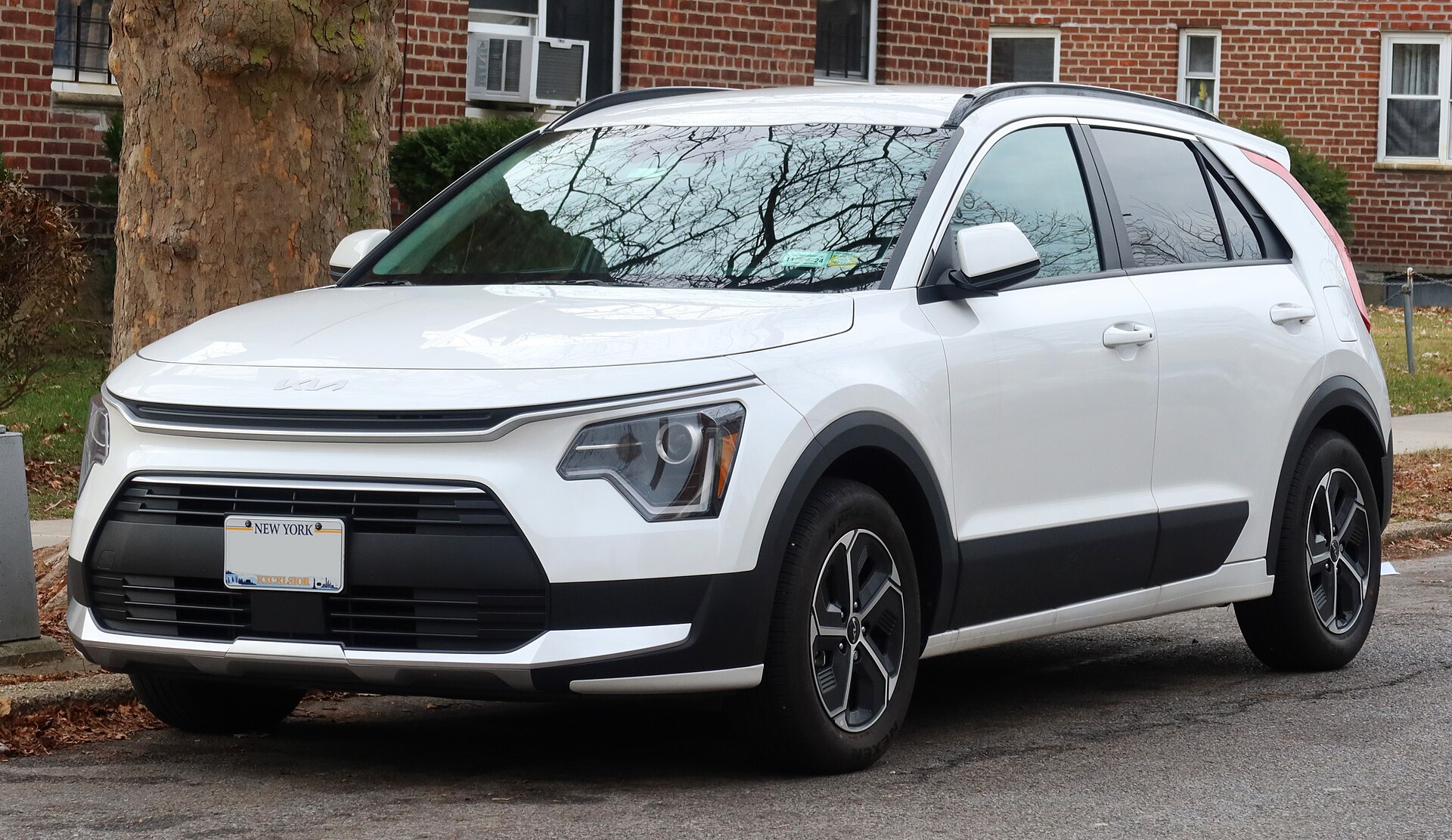
- Niro SG2 Current 2022–now · SUV · 104–150 kW (141–204 PS)
Newest first · 2 generations since 2016
-
2022
-
2016
All generations by year: Niro SG2 (2022–now) · Niro I (2016–2022)
Which one is mine?
Pick the year of first registration to see which generation it is.
Check by VINWhich Kia Niro to buy: our verdict
Our verdict · Felix Hartmann
- Buy the hybrid if you cannot charge at home and drive mixed routes: it is the simplest, cheapest Niro to run and the one with the widest second-hand choice.
- Choose the plug-in hybrid only if you can charge daily and most trips are short; otherwise its extra weight and cost bring little.
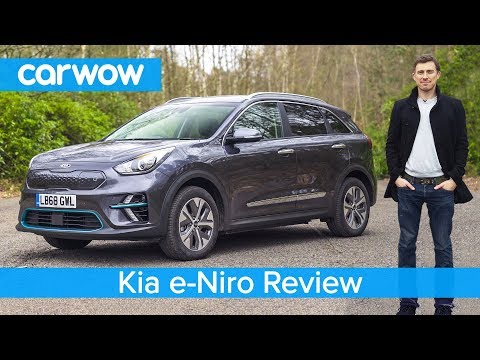
- Pick the Niro EV or the 64 kWh e-Niro if you can charge at home. The 39.2 kWh e-Niro suits town use only, because its 289 km WLTP range shrinks in winter.
- Skip the Niro if you need all-wheel drive or regular rough-track use.
The e-Niro won the What Car? Car of the Year award in 2019, the first electric car to do so, and remains a sound used buy if the battery health report is good.
The Kia Niro is a compact crossover sold only with electrified powertrains: a self-charging hybrid, a plug-in hybrid and a fully electric version. The first generation ran from 2016 to 2022; the second (SG2) arrived in 2022. The hybrid makes 104 kW (141 PS), and the Niro EV has 150 kW (204 PS) with a 64.8 kWh battery and 463 km of WLTP range.
In short
- Two generations: first (2016–2022) and second, SG2 (from 2022), both built in Hwaseong, South Korea.
- Powertrains: 1.6 GDi hybrid with 104 kW (141 PS), plug-in hybrid with 134 kW (183 PS) in the second generation, and an EV with 100–150 kW.
- Front-wheel drive only; no four-wheel-drive version has ever been offered.
- Euro NCAP: four stars in 2016 (five with the optional safety pack) and four stars in 2022.

Size at a glance
Hyundai Ioniq
The Kia Niro SG2 is 50 mm shorter, 5 mm wider and 95 mm taller than the Hyundai Ioniq.
| Dimensions | Kia Niro SG2 | Hyundai Ioniq | Difference |
|---|---|---|---|
| Length | 4,420 mm174.0 in | 4,470 mm176.0 in | −50 mm−2.0 in |
| Width | 1,825 mm71.9 in | 1,820 mm71.7 in | +5 mm+0.2 in |
| Height | 1,545 mm60.8 in | 1,450 mm57.1 in | +95 mm+3.7 in |
| Wheelbase | — | 2,700 mm106.3 in | — |
| Boot | 451 L15.9 cu ft | — | — |
Toyota Prius XW60
The Kia Niro SG2 is 180 mm shorter, 43 mm wider and 125 mm taller than the Toyota Prius XW60.
| Dimensions | Kia Niro SG2 | Toyota Prius XW60 | Difference |
|---|---|---|---|
| Length | 4,420 mm174.0 in | 4,600 mm181.1 in | −180 mm−7.1 in |
| Width | 1,825 mm71.9 in | 1,782 mm70.2 in | +43 mm+1.7 in |
| Height | 1,545 mm60.8 in | 1,420 mm55.9 in | +125 mm+4.9 in |
| Wheelbase | — | 2,750 mm108.3 in | — |
| Boot | 451 L15.9 cu ft | — | — |
Kia Niro I
The Kia Niro SG2 is 65 mm longer and 20 mm wider than the Kia Niro I.
| Dimensions | Kia Niro SG2 | Kia Niro I | Difference |
|---|---|---|---|
| Length | 4,420 mm174.0 in | 4,355 mm171.5 in | +65 mm+2.6 in |
| Width | 1,825 mm71.9 in | 1,805 mm71.1 in | +20 mm+0.8 in |
| Height | 1,545 mm60.8 in | 1,545 mm60.8 in | Same |
| Wheelbase | — | 2,700 mm106.3 in | — |
| Boot | 451 L15.9 cu ft | 450 L15.9 cu ft | +1 L |
Running cost
Fuel · Niro SG2 1.6 L 4 cyl Automatic (AM-S6) · 2025 (EPA)
about 1,250 EUR fuel a year at 15,000 km
4.8 l/100 km · petrol at 1.75 EUR/l · change mileage, fuel price or version
Specs by version
Engines
| Version | Engine | Power | Torque | Gearbox | Drive | Production years |
|---|---|---|---|---|---|---|
| Hybrid · 9 versions | ||||||
| Niro I · 1.6 L 4 cyl Automatic (AM-S6) · 2021 (EPA) | 1.6 l · 4 cyl · Hybrid 1,600 cc | — | — | 6-sp Dual-clutch | Front-wheel drive | 2021 |
| Niro I · 1.6 L 4 cyl Automatic (AM6) · 2020 (EPA) | 1.6 l · 4 cyl · Hybrid 1,600 cc | — | — | 6-sp Dual-clutch | Front-wheel drive | 2020 |
| Niro I · 1.6 L 4 cyl Automatic (AM6) · 2019 (EPA) | 1.6 l · 4 cyl · Hybrid 1,600 cc | — | — | 6-sp Dual-clutch | Front-wheel drive | 2019 |
| SG2 · 1.6 L 4 cyl Automatic (AM-S6) · 2026 (EPA) | 1.6 l · 4 cyl · Hybrid 1,600 cc | — | — | 6-sp Dual-clutch | Front-wheel drive | 2026 |
| SG2 · 1.6 L 4 cyl Automatic (AM-S6) · 2025 (EPA) | 1.6 l · 4 cyl · Hybrid 1,600 cc | — | — | 6-sp Dual-clutch | Front-wheel drive | 2025 |
| SG2 · 1.6 L 4 cyl Automatic (AM-S6) · 2024 (EPA) | 1.6 l · 4 cyl · Hybrid 1,600 cc | — | — | 6-sp Dual-clutch | Front-wheel drive | 2024 |
| SG2 · 1.6 L 4 cyl Automatic (AM-S6) · 2023 (EPA) | 1.6 l · 4 cyl · Hybrid 1,600 cc | — | — | 6-sp Dual-clutch | Front-wheel drive | 2023 |
| SG2 · 1.6 L 4 cyl Automatic (AM-S6) · 2022 (EPA) | 1.6 l · 4 cyl · Hybrid 1,600 cc | — | — | 6-sp Dual-clutch | Front-wheel drive | 2022 |
| SG2 · 1.6 GDi Hybrid | 1.6 l · 4 cyl · Hybrid 1,600 cc | 104 kW 141 PS139 hp | 265 Nm195 lb-ft | 6-sp Dual-clutch | Front-wheel drive | 2022 |
| Electric · 3 versions | ||||||
| Niro I · 100 kW (136 PS) SUV | Electric | 100 kW 136 PS134 hp | 395 Nm291 lb-ft | — | Front-wheel drive | — |
| Niro I · 150 kW (204 PS) SUV | Electric | 150 kW 204 PS201 hp | 395 Nm291 lb-ft | — | Front-wheel drive | — |
| SG2 · Niro EV 64.8 kWh | Electric | 150 kW 204 PS201 hp | 255 Nm188 lb-ft | Single-speed | Front-wheel drive | 2022 |
Performance
Show all 12 versions
| Version | Fuel consumption |
|---|---|
| Hybrid · 9 versions | |
| Niro I · 1.6 L 4 cyl Automatic (AM-S6) · 2021 (EPA) | 4.8 l/100 km49.0 mpg US · 58.9 mpg UK |
| Niro I · 1.6 L 4 cyl Automatic (AM6) · 2020 (EPA) | 4.8 l/100 km49.0 mpg US · 58.9 mpg UK |
| Niro I · 1.6 L 4 cyl Automatic (AM6) · 2019 (EPA) | 4.8 l/100 km49.0 mpg US · 58.9 mpg UK |
| SG2 · 1.6 L 4 cyl Automatic (AM-S6) · 2026 (EPA) | 4.8 l/100 km49.0 mpg US · 58.9 mpg UK |
| SG2 · 1.6 L 4 cyl Automatic (AM-S6) · 2025 (EPA) | 4.8 l/100 km49.0 mpg US · 58.9 mpg UK |
| SG2 · 1.6 L 4 cyl Automatic (AM-S6) · 2024 (EPA) | 4.8 l/100 km49.0 mpg US · 58.9 mpg UK |
| SG2 · 1.6 L 4 cyl Automatic (AM-S6) · 2023 (EPA) | 4.8 l/100 km49.0 mpg US · 58.9 mpg UK |
| SG2 · 1.6 L 4 cyl Automatic (AM-S6) · 2022 (EPA) | 4.8 l/100 km49.0 mpg US · 58.9 mpg UK |
| SG2 · 1.6 GDi Hybrid | 4.4 l/100 km53.5 mpg US · 64.2 mpg UK |
| Electric · 3 versions | |
| Niro I · 100 kW (136 PS) SUV | 15.3 kWh/100 km24.6 kWh/100 mi |
| Niro I · 150 kW (204 PS) SUV | 15.8 kWh/100 km25.4 kWh/100 mi |
| SG2 · Niro EV 64.8 kWh | 19.4 kWh/100 km31.2 kWh/100 mi |
Dimensions and weight
Show all 4 versions
| Version | Length | Width | Height | Kerb weight | Boot | Battery |
|---|---|---|---|---|---|---|
| Hybrid · 1 version | ||||||
| SG2 · 1.6 GDi Hybrid | 4,420 mm174.0 in | 1,825 mm71.9 in | 1,545 mm60.8 in | 1,474 kg3,250 lb | 451 l15.9 cu ft | — |
| Electric · 3 versions | ||||||
| Niro I · 100 kW (136 PS) SUV | 4,355 mm171.5 in | 1,805 mm71.1 in | 1,545 mm60.8 in | 1,667 kg3,675 lb | 450 l15.9 cu ft | 39 kWh |
| Niro I · 150 kW (204 PS) SUV | — | — | — | 1,812 kg3,995 lb | 450 l15.9 cu ft | 64 kWh |
| SG2 · Niro EV 64.8 kWh | — | — | — | 1,739 kg3,834 lb | — | 65 kWh |
Verified Manufacturer and type-approval data from our catalog · Sources and methodology
Safety
-
SG2 · NHTSA 2025
US NCAP (NHTSA)
Stars from different years and organisations are not directly comparable: test protocols change every few years.
Kia Niro at a glance: generations and body
The Niro is a five-door, five-seat crossover between a hatchback and a compact SUV in size. Kia first showed the idea as the Niro concept at the Frankfurt motor show in September 2013. The production hybrid made its debut at the Chicago Auto Show in February 2016, went on sale in South Korea that March and reached Europe in the third quarter of 2016. It shares its platform with the Hyundai Ioniq.

| Generation | Years | Versions | Power | Notes |
|---|---|---|---|---|
| First (DE) | 2016–2022 | Hybrid, plug-in hybrid, e-Niro EV | 100–150 kW (136–204 PS) | Facelift in 2019; EV in Europe from late 2018 |
| Second (SG2) | from 2022 | Hybrid, plug-in hybrid, Niro EV | 104–150 kW (141–204 PS) | Revealed in November 2021; 60 mm longer |
In Europe the electric first-generation car was called the e-Niro. Elsewhere it was the Niro EV, the name the second generation now uses everywhere. South Korea also had a taller Niro Plus, mainly for taxi fleets, which was never exported to Europe. In Germany the Niro EV left the range in November 2024, after the smaller Kia EV3 arrived, while the hybrids stayed on sale; a facelifted Niro was revealed in January 2026. The rest of Kia's range is in the Kia catalogue, and the brand's background is in the history of Kia.
Engines, battery and performance
Every Niro drives its front wheels. The hybrids pair a 1.6-litre direct-injection petrol engine with an electric motor and a six-speed dual-clutch gearbox. Kia chose the dual-clutch unit instead of the CVT used by most rival hybrids, so the Niro feels more like a conventional automatic when you accelerate.

| Version | Generation | System power | Torque | Battery | Electric range (WLTP) |
|---|---|---|---|---|---|
| 1.6 GDi Hybrid | First | 104 kW (141 PS) | 264 Nm | 1.56 kWh | – |
| 1.6 GDi Plug-in Hybrid | First | 104 kW (141 PS) | – | 8.9 kWh | about 58 km (Kia figure) |
| e-Niro 39.2 kWh | First | 100 kW (136 PS) | 395 Nm | 39.2 kWh | 289 km |
| e-Niro 64 kWh | First | 150 kW (204 PS) | 395 Nm | 64 kWh | 455 km |
| 1.6 GDi Hybrid | Second | 104 kW (141 PS) | 265 Nm | 1.32 kWh | – |
| 1.6 GDi Plug-in Hybrid | Second | 134 kW (183 PS) | 265 Nm | 11.1 kWh | – |
| Niro EV | Second | 150 kW (204 PS) | 255 Nm | 64.8 kWh | 463 km |
In the first-generation hybrid, the engine gives 78 kW (105 PS) and the motor 32 kW. According to Kia, the second-generation hybrid needs 10.4 seconds from 0 to 100 km/h (some tests measured 10.8) and reaches 164 km/h. The plug-in is quicker at 9.6–9.8 seconds. The Niro EV does 0–100 km/h in 7.8 seconds and tops out at 167 km/h, the same sprint time the old 1cars text gave for the 150 kW e-Niro (the 100 kW version needed 9.8 seconds).
Charging improved with the second generation. The e-Niro accepts up to 77 kW on a DC charger. The Niro EV takes up to 100 kW and goes from 10 to 80% in about 43 minutes, and it can also power external devices with up to 3 kW. The batteries in both electric generations come from SK Innovation.
Dimensions, interior and boot
The second generation is 60 mm longer than the first and has a 20 mm longer wheelbase, which shows mostly in rear legroom. There is no transmission tunnel in the EV, so the middle rear passenger has a flat floor.

| Parameter | Metric | Imperial |
|---|---|---|
| Length (second generation) | 4,420 mm | 174.0 in |
| Width | 1,825 mm | 71.9 in |
| Height | 1,545–1,561 mm | 60.8–61.5 in |
| Wheelbase | 2,720 mm | 107.1 in |
| Boot, hybrid (seats up / folded) | 451 / 1,449 l (VDA) | 15.9 / 51.2 cu ft |
| Kerb weight, hybrid | 1,405–1,490 kg | 3,098–3,285 lb |
| Kerb weight, Niro EV | 1,739 kg | 3,834 lb |
| Top speed, Niro EV | 167 km/h | 104 mph |
| Length (first generation) | 4,355 mm (e-Niro 4,375 mm) | 171.5 in (172.2 in) |
| Wheelbase (first generation) | 2,700 mm | 106.3 in |
The first-generation hybrid's boot is quoted at 408–428 litres depending on the year and the measuring method. The old 1cars text gives about 450 litres for the e-Niro, rising to some 1,400 litres with the rear seats folded. According to the same text, higher first-generation trims have an 8-inch touchscreen in the centre of the dashboard.
Hybrid fuel use and EV running costs
The Niro hybrid's selling point is low consumption without a plug. Kia quoted 4.7–5.5 l/100 km (about 43–50 mpg US) for the first-generation hybrid on the older test cycle. In December 2016 a Niro set a Guinness World Record for the lowest fuel use by a hybrid, averaging 3.1 l/100 km (76.6 mpg US) on a drive across the United States. That was a careful economy run, not a normal figure.

For the plug-in hybrid, real costs depend on how often you charge. Short daily trips can run mostly on electricity, while long motorway runs use the petrol engine with extra battery weight to carry. The Niro EV has the lowest energy costs if you charge at home, and its 463 km WLTP range is enough for most weekly mileage. Compared with the 64 kWh e-Niro, the newer EV adds only 8 km of WLTP range (463 km against 455 km), so a used e-Niro with the large battery is nearly as usable.
Trim levels and standard kit
Trim names vary by country. In Germany, for example, the first generation was sold as Edition 7, Vision and Spirit; the second generation adds Inspiration for the EV. Germany listed the first plug-in hybrid from 32,350 EUR at its launch in 2017.

The old 1cars text listed the typical equipment of the e-Niro: LED lights front and rear, a heated steering wheel, adaptive cruise control, tyre-pressure sensors, a rain sensor, heated front seats and a 7-inch touchscreen in the base version. Higher trims add leather, a larger navigation screen, dual-zone climate control, lane-keeping assistance, city emergency braking and a sunroof.
Safety ratings: Euro NCAP
| Test | Stars | Adult | Child | Pedestrian | Safety assist |
|---|---|---|---|---|---|
| Euro NCAP 2016 (first generation) | 4 (5 with safety pack) | 83% | 80% | 57% | 59% |
| Euro NCAP 2022 (second generation) | 4 | 91% | 84% | 75% | 60% |
The second generation protects adults much better (91% against 83%) and pedestrians much better (75% against 57%). Its safety-assist score stayed close to the first generation's, which kept it at four stars.

Rivals: how the Kia Niro compares
The closest relative is the Hyundai Ioniq, which uses the same platform and hybrid system in a lower hatchback body. The Niro gives a higher seating position and a bigger boot. The Toyota Prius is the classic self-charging hybrid, with a CVT-type transmission instead of a dual-clutch gearbox. Among small crossovers, the Kia Soul EV offers a similar electric drive in a boxier body, and the larger Kia Sportage is the choice if you need four-wheel drive.

The Niro's advantages are three electrified powertrains under one body, a practical boot and a strong sales record: European registrations peaked at 88,843 cars in 2021. Its weaknesses are front-wheel drive only, a ground clearance of about 160 mm that limits rough-road use, and a four-star safety rating. To line it up against other crossovers, use our car comparison tool or browse the electric cars by range and power.
Kia Niro: first vs latest generation
| Spec | Niro I | Niro SG2 | Change |
|---|---|---|---|
| Years | 2016–2022 | 2022–present | 6 years apart |
| Most powerful version | 150 kW (204 PS) | 150 kW (204 PS) | same (0%) |
| Length | 4,355 mm | 4,420 mm | +65 mm |
| Width | 1,805 mm | 1,825 mm | +20 mm |
| Lightest kerb weight | 1,667 kg | 1,474 kg | −193 kg |
Oldest and newest generation in the 1cars catalog. Power is the strongest version of each; other rows are shown only when both generations have the figure.
Image credits · Photos from Wikimedia Commons under free licences
- Kia Niro I · Photo: Vauxford / Wikimedia Commons, CC BY-SA 4.0
- Kia Niro SG2 · Photo: Kevauto / Wikimedia Commons, CC BY-SA 4.0
Rivals
Compare with…
Compare Kia Niro with
- Hyundai Ioniq full comparison
- Toyota Prius quick spec comparison
- Nissan Kicks quick spec comparison
-
EV version
Ended 2022
- Years
- 2016–2022
- Body
- Hatchback
- Fuel
- Hybrid
- Power
- 88–104 kW (120–141 PS)
-
In production
- Years
- 1997–present
- Body
- Sedan, Liftback
- Fuel
- Hybrid, Plug-in hybrid
- Power
- 30–164 kW (41–223 PS)
5 generations
- I
- II
- III
- XW50
- XW60
-
In production
- Years
- 2016–present
- Body
- Crossover
- Fuel
- Petrol, Hybrid
- Power
- 84–155 kW (114–211 PS)
2 generations
- P15
- P16


Kia Niro in our rankings
- No. 6 of 77 · Most economical SUVs and crossovers (4.4 l/100 km)
- No. 7 of 19 · Quickest Korean cars, 0–100 (7.8 s)
- No. 24 of 256 · Most economical cars (4.4 l/100 km · top 11%)
- No. 37 of 146 · Smallest SUVs and crossovers (4,355 mm · top 26%)
- No. 26 of 99 · Lightest SUVs and crossovers (1,474 kg · top 27%)
- No. 137 of 420 · Smallest cars (4,355 mm · top 33%)
More economical than 92% of ranked SUVs and crossovers in the 1CARS catalog (No. 6 of 77).
Kia Niro photos 19


Kia Niro videos 3

Kia Niro video 1
Kia Niro video 2

Kia Niro video 3
FAQ
What is the fuel consumption of the Kia Niro?
Kia quoted 4.7–5.5 l/100 km, about 43–50 mpg US, for the first-generation Niro hybrid. Real-world use is usually somewhat higher. The plug-in hybrid can use far less if charged every day, and the EV uses no fuel at all.
Is the Kia Niro available with all-wheel drive?
No. Every Kia Niro, hybrid, plug-in hybrid or electric, drives only the front wheels. Kia has never offered a four-wheel-drive version, so buyers who need it usually look at the larger Sportage with its all-wheel-drive option.
What is the range of the Kia Niro EV?
The second-generation Niro EV has a 64.8 kWh battery and 463 km of WLTP range. The first-generation e-Niro managed 455 km with its 64 kWh battery and about 289 km with the smaller 39.2 kWh pack.
Is the Kia Niro a hybrid or an electric car?
It is both, depending on the version. The Niro has been sold as a self-charging hybrid, a plug-in hybrid and a fully electric car. In Europe the first electric version was called the e-Niro; the current one is the Niro EV.
What are the main rivals of the Kia Niro?
The main rivals are the Hyundai Ioniq, which shares its platform and hybrid system, the Toyota Prius and hybrid compact crossovers. Electric rivals include the Kia Soul EV and other small electric SUVs. The Niro stands out for offering all three electrified powertrains.
How big is the Kia Niro's boot?
The second-generation Niro hybrid has 451 litres with the rear seats up and 1,449 litres folded, measured to the VDA standard. First-generation hybrids offer roughly 408–428 litres, and the old 1cars text gives about 450 litres for the e-Niro.
Data sources
Data checked by an editor against the sources below.
- The text of this article (1cars archive)
- Wikipedia — Kia Niro
- US EPA fueleconomy.gov — 43632.shtml
- US EPA fueleconomy.gov — 42307.shtml
- US EPA fueleconomy.gov — 40786.shtml
- Motor1 — 2023 Kia Niro Technical Specifications
- EEA CO₂ monitoring (European Environment Agency, CC BY 4.0)
- NHTSA 5-Star Safety Ratings (US NCAP) — U.S. Government work, public domain