
 Kia Venga
Specs, engines and history
Updated Published Sources (4) Report an error
By Sarah Whitmore, Senior Automotive Writer Reviewed by Oleksandr Hnatiuk

- Built
- 2009–2019
- Top power
- 92 kW (125 PS)
- New price
- from about €14,190 (2010)
- Used price today
- about €4,000–9,000 (AutoScout24, Nov 2026)
The Kia Venga is a compact five-seat mini MPV designed in Germany and built in Central Europe from November 2009 to early 2019. It is 4,075 mm long but offers a tall, airy cabin, a rear bench that slides by 130 mm and a boot of 440 to 1,253 litres.
In short
- Styled by Gregory Guillaume at Kia's Rüsselsheim design centre under Peter Schreyer.
- Built in Žilina, Slovakia, and Nošovice, Czech Republic; twin of the Hyundai ix20.
- Petrol engines: 1.4 with 73 kW (99 PS) and 1.6 with 92 kW (125 PS); 1.4 and 1.6 CRDi diesels.
- Facelift in early 2015 with a larger grille and a six-speed automatic; no direct successor.

Size at a glance
| Dimensions | Kia Venga YN |
|---|---|
| Length | 4,075 mm160.4 in |
| Height | 1,600 mm63.0 in |
Specs by version
Engines
Performance
Show all 1 versions
| Version | CO₂ |
|---|---|
| 1.6 92 kW (125 PS) Minivan / MPV | 172 g/km |
Dimensions and weight
Show all 2 versions
| Version | Length | Height | Kerb weight |
|---|---|---|---|
| 1.4 73 kW (99 PS) Minivan / MPV | 4,075 mm160.4 in | 1,600 mm63.0 in | - |
| 1.6 92 kW (125 PS) Minivan / MPV | 4,075 mm160.4 in | 1,600 mm63.0 in | 1,271 kg2,802 lb |
Verified Manufacturer and type-approval data from our catalog · Sources and methodology
Kia Venga at a glance
The Venga was created for European buyers who wanted the space of an MPV in a car no longer than a supermini. It shares the PB platform with the Kia Soul and the Rio of its time, and Hyundai sold the same car as the ix20. The brand's story is told in the history of Kia, and the range, from the Kia Rio to the Kia Ceed, is in the Kia catalogue.

| Fact | Value |
|---|---|
| Body | 5-door mini MPV, 5 seats |
| Production | November 2009 – early 2019 |
| Plants | Žilina (Slovakia), Nošovice (Czech Republic) |
| Platform | Hyundai-Kia PB (shared with Kia Soul, Rio, Hyundai ix20) |
| Design | Kia Rüsselsheim studio (Gregory Guillaume, Peter Schreyer) |
| Engines | 1.4 and 1.6 petrol (Gamma), 1.4 and 1.6 CRDi diesel (U) |
| Boot | 440–1,253 L |
Styling of the tall MPV body
The Venga has a tall, short body with a high roof line, short overhangs and pronounced wheel arches, and it looks smaller from outside than it feels inside. Its design came from the No3 concept shown at Geneva in 2009. The early 2015 facelift brought a larger grille, a revised front bumper with a bigger lower air intake and LED daytime running lights, and new LED tail lights joined by a chrome strip; a brake light is integrated into the roof spoiler. Ground clearance is 156 mm.

Cabin space and sliding rear seats
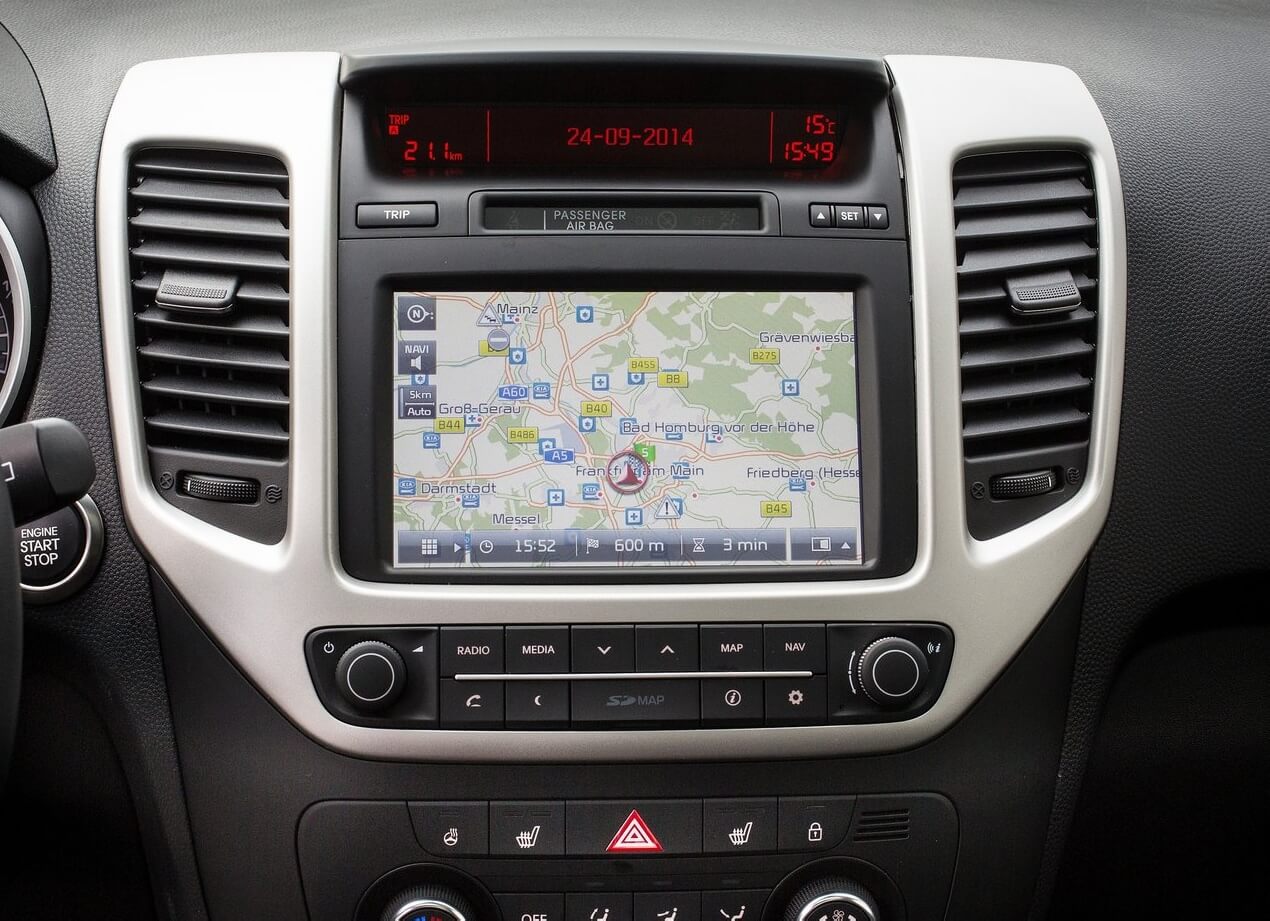
The cabin is the Venga's main selling point. Front legroom is 1,080 mm and rear legroom 901 mm, with 1,020 mm of headroom in the front and 980 mm in the rear, figures closer to a larger family car. The split rear seats slide fore and aft by up to 130 mm and fold completely flat; with the seats slid forward, boot space rises from 440 litres to about 570 litres while keeping five seats, and it reaches 1,253 litres with the seats folded. Some testers criticised the hard plastics and the limited side support of the front seats. An optional 7-inch touchscreen with navigation was offered on later cars.

Petrol and diesel engines with gearboxes
| Engine | Power | 0–100 km/h | Top speed | Gearbox |
|---|---|---|---|---|
| 1.4 Gamma petrol | 73 kW (99 PS) | 12.8 s | 168 km/h | 5-speed manual |
| 1.6 Gamma petrol | 92 kW (125 PS) | 11.8 s | 180 km/h | 6-speed manual, 4-speed or 6-speed automatic |
| 1.4 U CRDi diesel | – | – | – | 6-speed manual |
| 1.6 U CRDi diesel | – | – | – | 6-speed manual |
The four-speed automatic was replaced by a six-speed automatic with the 2015 facelift. An idle stop-and-go system that switches the engine off at standstill was offered to cut fuel consumption, which, according to the old 1cars text, can fall to about 4 L/100 km on open roads.

Suspension, steering and brakes
The Venga uses MacPherson struts with an anti-roll bar at the front and a coil-sprung rear suspension with an anti-roll bar, with electric power steering and front-wheel drive. All four wheels have disc brakes, ventilated at the front. Track widths are 1,553 mm at the front and 1,557 mm at the rear on 15-inch wheels.

Size and boot space

| Parameter | Metric | Imperial |
|---|---|---|
| Length | 4,075 mm | 160.4 in |
| Width | 1,765 mm | 69.5 in |
| Height | 1,600 mm | 63.0 in |
| Wheelbase | 2,615 mm | 103.0 in |
| Ground clearance | 156 mm | 6.1 in |
| Boot | 440–1,253 L | 15.5–44.2 cu ft |
Euro NCAP result and safety kit
The Venga has six airbags (front, front side and full-length curtains), active front head restraints, ABS, brake assist, electronic stability control and hill-start assist. In its first Euro NCAP test in 2010 the five-door scored 79% for adult occupants, 66% for children, 64% for pedestrians and 71% for safety assist. After Kia made structural and safety improvements, it was reassessed with 89% for adult occupants and 85% for children, with the other results unchanged.

Equipment by version
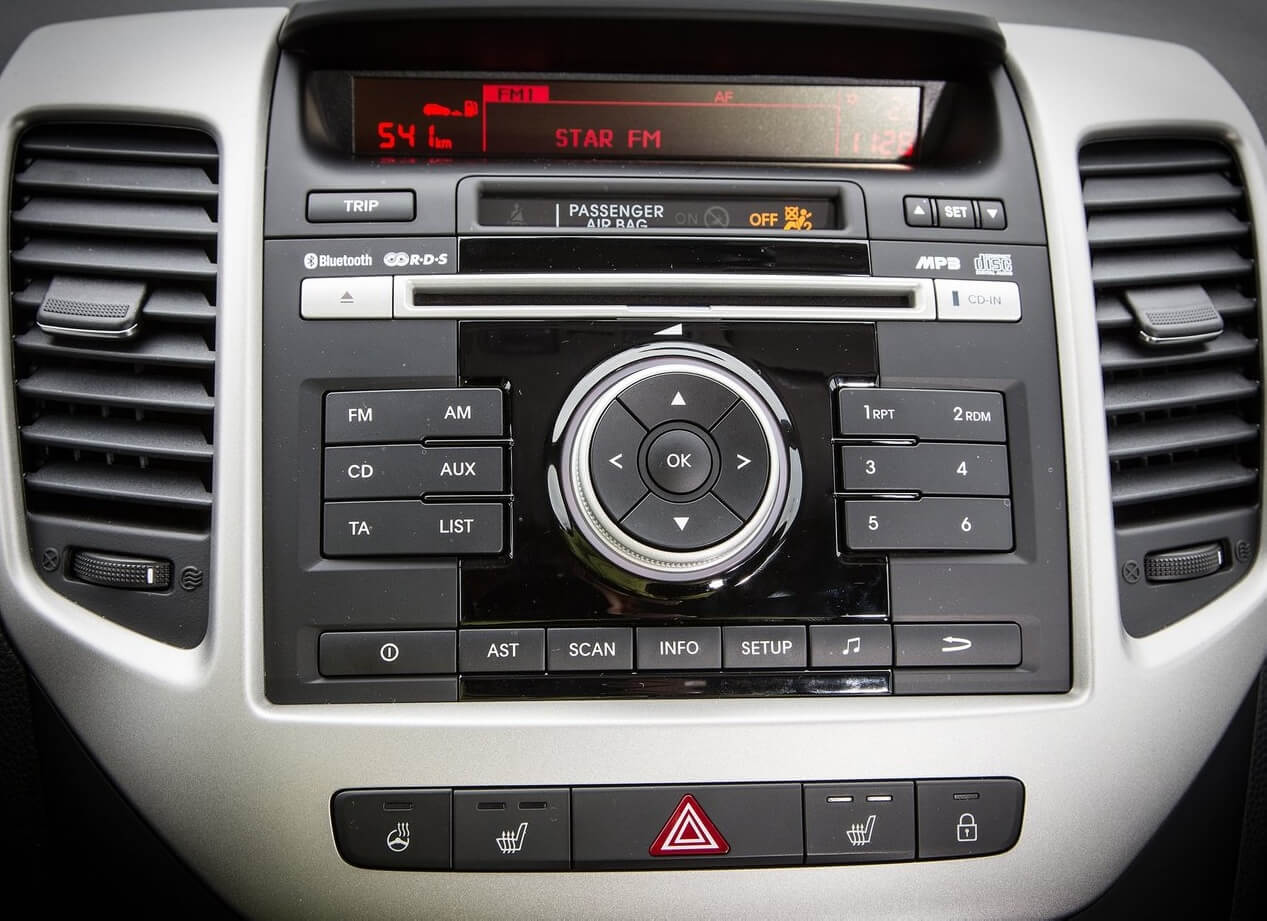
After the facelift, three trim levels were typical: Comfort, Luxe and Prestige. The base car has an immobiliser, a six-speaker audio system, ABS, brake assist and emergency brake lights, with air conditioning on 1.6 versions. A winter pack added heated front seats, steering wheel and windscreen, a multifunction steering wheel, Bluetooth and rear electric windows. Luxe adds vehicle stability management, hill-start assist, fog lights, rear parking sensors, side and curtain airbags, active head restraints and climate control, and Prestige adds LED tail lights and LED daytime running lights.

What owners say
Owners mostly use the Venga in town and praise its interior space, especially the rear legroom, its manoeuvrability and its moderate fuel consumption. The engines feel lively in city traffic but run out of breath above about 120 km/h. Common complaints are a firm ride over bumps, seats that tire the back on long trips because they lack lumbar and height adjustment on some versions, creaks from interior trim, a low front bumper that can touch kerbs and thick front pillars that limit visibility at junctions.

Rivals: how the Venga compares
The Venga competed with mini MPVs such as the Ford B-Max, Opel Meriva, Citroën C3 Picasso, Nissan Note and Renault Scenic, and with its own twin, the Hyundai ix20. Its strengths are a flexible interior, a sliding rear seat, good visibility and low fuel consumption; its weaknesses are modest engine power and hard interior plastics. Production ended in early 2019 without a direct successor, after almost ten years on the market.

Kia Venga in our rankings
- No. 83 of 606 · Smallest cars (4,075 mm · top 14%)
- No. 132 of 464 · Lightest cars (1,271 kg · top 29%)
- No. 479 of 1191 · Longest-running car nameplates (10 years · top 43%)
- No. 39 of 50 · Most powerful Korean cars (92 kW · top 78%)
- No. 356 of 461 · Power-to-weight: cars (72 kW/t · top 78%)
- No. 369 of 464 · Heaviest cars (1,271 kg · top 80%)
Shorter than 86% of ranked cars in the 1CARS catalog (No. 83 of 606).
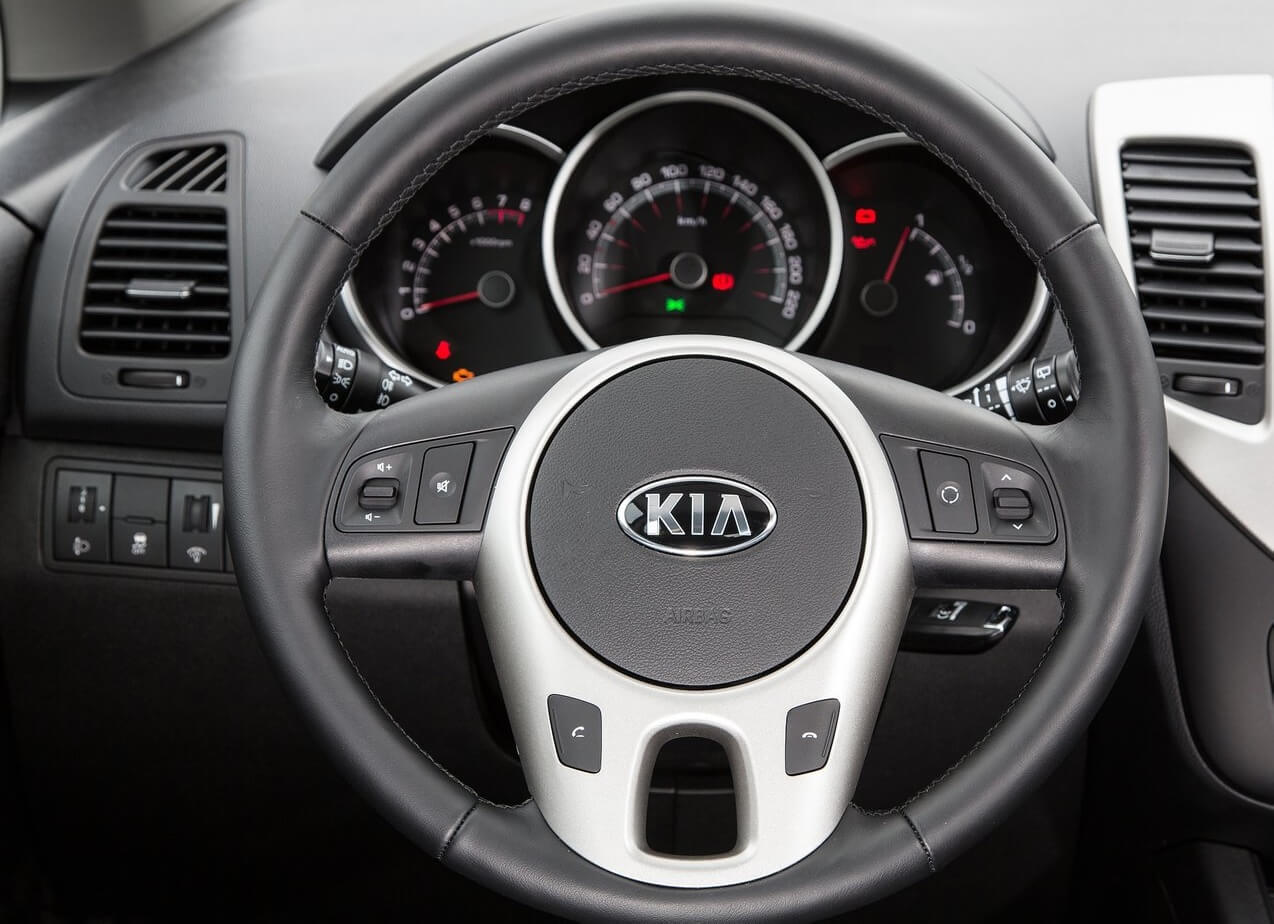
Kia Venga photos 26


Kia Venga videos 4

Kia Venga video 1

Kia Venga video 2

Kia Venga video 3

Kia Venga video 4
FAQ
Is the Kia Venga the same as the Hyundai ix20?
Yes. The Hyundai ix20 is a badge-engineered twin of the Venga. Both use the Hyundai-Kia PB platform, which is also used by the Kia Soul and the Rio of the same period.
What engines does the Kia Venga have?
Petrol versions use a 1.4 with 73 kW (99 PS) or a 1.6 with 92 kW (125 PS). Diesel versions use 1.4 and 1.6 CRDi engines, depending on the market and year.
How big is the Kia Venga boot?
The boot holds 440 litres with the rear seats in their normal position, about 570 litres with the sliding bench moved forward, and 1,253 litres with the seats folded flat.
Where was the Kia Venga built?
The Venga was built in Žilina, Slovakia, and Nošovice, Czech Republic, from November 2009 until early 2019. It was designed at Kia's European design centre in Rüsselsheim, Germany.
Is the Kia Venga safe?
After Kia's improvements, the Venga was reassessed by Euro NCAP with 89% for adult occupants and 85% for children. It has six airbags, ABS and electronic stability control.
Data sources
Data checked by an editor against the sources below.
- The text of this article (1cars archive)
- Wikipedia - Kia Venga
- Euro NCAP - 818c8c95 63dd 4a2f 96d8 D210c8461a03
- EEA CO₂ monitoring (European Environment Agency, CC BY 4.0)


