Archive first published
Toyota Prius XW50: The Fourth Generation From Leak to Successor
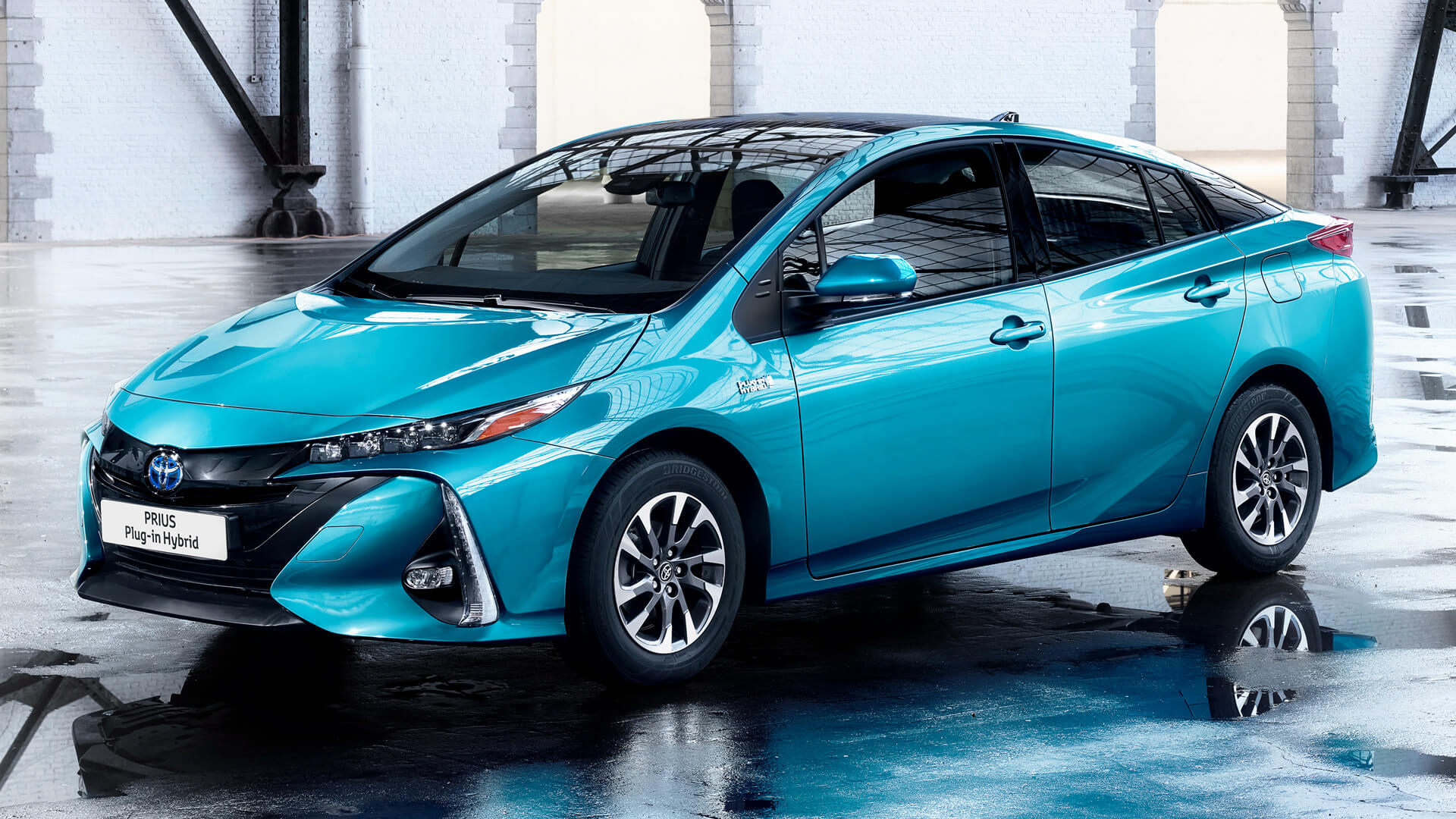
The fourth-generation Toyota Prius, code XW50, was revealed in Las Vegas in September 2015 and reached Japanese showrooms on 9 December 2015. It was the first Toyota on the TNGA platform, and a plug-in version came in 2016. Production ran until 2022, when the fifth-generation XW60 took over.
Key takeaways
- Drawings leaked in mid-2015; the official reveal came in Las Vegas in September 2015.
- First car on Toyota New Global Architecture (TNGA GA-C), with a drag coefficient of 0.24.
- 1.8-litre hybrid with a system output of 90 kW (122 PS); EPA rating of 4.5 l/100 km.
- Replaced by the XW60 in 2022–2023, sold in Europe only as a plug-in hybrid.
What the 2015 leak showed
In July 2015 drawings of the new Prius appeared online, credited by the old 1cars report to a Taiwanese magazine. They showed a standard hybrid and a plug-in version with a different front end.
Size at a glance
Kia Niro SG2
The Toyota Prius XW60 is 180 mm longer, 43 mm narrower and 125 mm lower than the Kia Niro SG2.
| Dimensions | Toyota Prius XW60 | Kia Niro SG2 | Difference |
|---|---|---|---|
| Length | 4,600 mm181.1 in | 4,420 mm174.0 in | +180 mm+7.1 in |
| Width | 1,782 mm70.2 in | 1,825 mm71.9 in | −43 mm−1.7 in |
| Height | 1,420 mm55.9 in | 1,545 mm60.8 in | −125 mm−4.9 in |
| Wheelbase | 2,750 mm108.3 in | - | - |
| Boot | - | 451 L15.9 cu ft | - |
Toyota Prius XW50
The Toyota Prius XW60 is 25 mm longer, 22 mm wider and 50 mm lower than the Toyota Prius XW50.
| Dimensions | Toyota Prius XW60 | Toyota Prius XW50 | Difference |
|---|---|---|---|
| Length | 4,600 mm181.1 in | 4,575 mm180.1 in | +25 mm+1.0 in |
| Width | 1,782 mm70.2 in | 1,760 mm69.3 in | +22 mm+0.9 in |
| Height | 1,420 mm55.9 in | 1,470 mm57.9 in | −50 mm−2.0 in |
| Wheelbase | 2,750 mm108.3 in | 2,700 mm106.3 in | +50 mm+2.0 in |

The car did grow longer and lower, and a plug-in did follow, but the figures were less accurate. The leak spoke of a combined output of about 110 kW (150 hp) and a 50 km electric range. The real hybrid had a lower combined output, and the plug-in came later than the hatchback.
Toyota Prius XW50 specifications
The table shows the regular hybrid as launched, compared with the third generation where the figures are published.
| Parameter | Prius XW50 (2015) | Change from XW30 |
|---|---|---|
| Engine | 1.8-litre 2ZR-FXE petrol, Atkinson cycle | Same family, reworked |
| Motors | 53 kW drive motor, 23 kW generator | - |
| System output | 90 kW (122 PS) | Similar |
| Battery | Lithium-ion (0.75 kWh) or NiMH, by version | Earlier hatchbacks used NiMH |
| Length / height | 4,570 mm / 1,470 mm | 61 mm longer, 20 mm lower |
| Wheelbase | 2,700 mm | Unchanged |
| Drag coefficient | Cd 0.24 | Was 0.25 |
| Fuel use (EPA) | 4.5 l/100 km combined; 4.2 for the Eco version | Lower |
Toyota expected 300,000–350,000 sales a year worldwide. For a running-cost check against a diesel or petrol rival, use the fuel cost calculator.
TNGA and the new hybrid
The XW50 was the first model on TNGA, the platform that later carried the C-HR and the twelfth-generation Corolla. A lower centre of gravity and double-wishbone rear suspension made it, in most reviews, better to drive than the old car.
The AWD-e version, offered in Japan from launch and in the USA from the 2019 model year, added a 5 kW motor at the rear axle.
The Prius Plug-in that followed
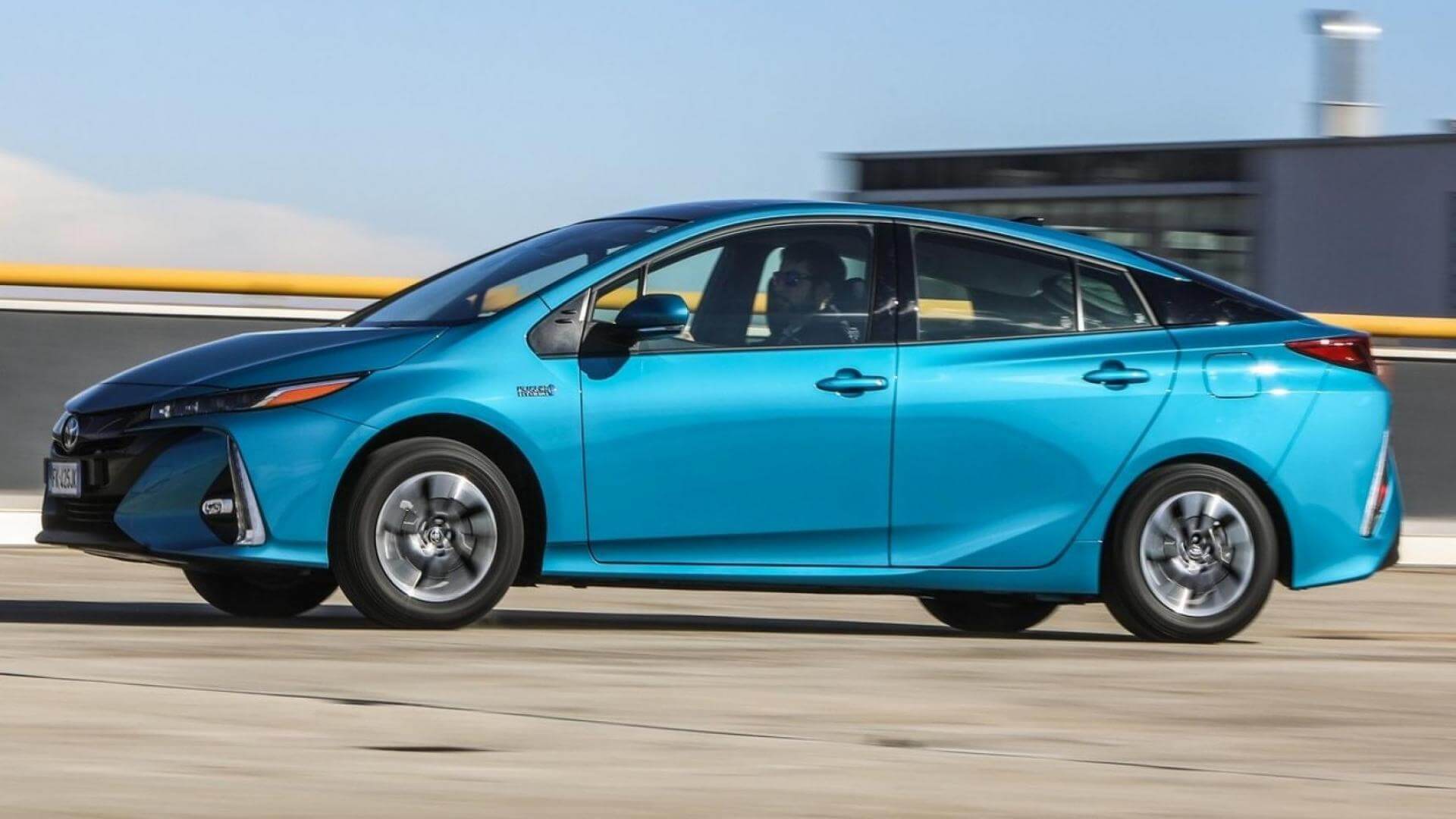
The plug-in version was revealed at the New York show in March 2016. It was sold as the Prius Prime in North America and the Prius Plug-in Hybrid in Europe. It had an 8.8 kWh battery and could drive on electricity at up to about 130 km/h.
North American testing gave about 35 km of electric range, double the previous plug-in Prius.
What happened next
| Date | Event |
|---|---|
| July 2015 | Leaked drawings of the hybrid and the plug-in |
| September 2015 | Official reveal in Las Vegas |
| March 2016 | Plug-in version revealed in New York |
| December 2018 | Facelift in Japan with new lights |
| 2022 | Production of the XW50 ends; fifth-generation XW60 revealed |
The full model history and specifications are on the Toyota Prius page.
Which Prius to buy used: our view
A 2016–2022 XW50 is the sensible used buy for drivers who cover city and suburban miles. Choose the facelifted 2019 car if you dislike the original headlights. The plug-in suits buyers who can charge at home every night; otherwise its extra weight brings no gain.
Its main rival from 2016 was the Hyundai Ioniq. Compare the two with the comparison tool or browse every model in the Toyota catalogue.
FAQ
When did the fourth-generation Toyota Prius come out?
Toyota revealed the Prius XW50 in Las Vegas in September 2015. It went on sale in Japan on 9 December 2015, in North America in January 2016 and in Europe in February 2016. Production ended in 2022.
What is the difference between the Prius and the Prius Prime?
The Prime, called Prius Plug-in Hybrid in Europe, has a larger 8.8 kWh battery that is charged from the mains. It can drive about 35 km on electricity on North American tests, while the regular Prius only moves short distances without the engine.
What platform is the 2016 Prius built on?
It was the first car on Toyota New Global Architecture, the GA-C platform. TNGA lowered the centre of gravity and stiffened the body, and the same platform later carried the C-HR and the Corolla.
What replaced the fourth-generation Prius?
The fifth-generation XW60 replaced it in 2022–2023. It has a sleeker coupé-like body and a 2.0-litre engine. In Europe it is sold only as a plug-in hybrid.