
 Jaguar XJ
All generations, specs and history
Updated Published Sources (6) Report an error
By Felix Hartmann, Automotive Technology & EV Contributor Reviewed by Oleksandr Hnatiuk
- Built
- 1968–2019
- Generations
- 8
- Top power
- 405 kW (551 PS)
- New price
- from about €79,750 (2010)
Timeline
XJ generations
Click a generation for its own page
Series III and XJ40 overlapped in 1986–1992, so XJ40 sits on a second lane
- XJ Series I 1968–1973 · Sedan
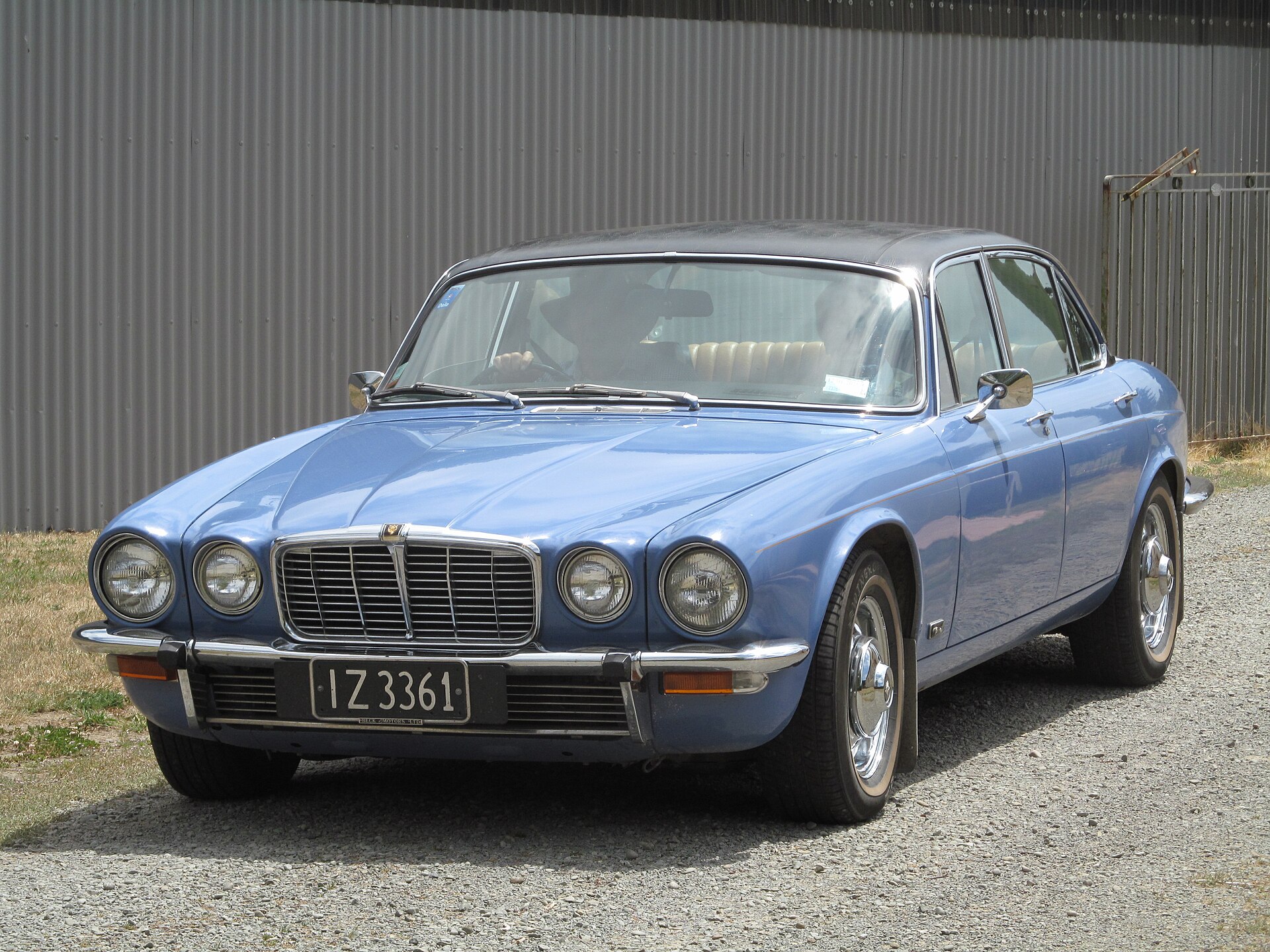
- XJ Series II 1973–1979 · Sedan, Coupe
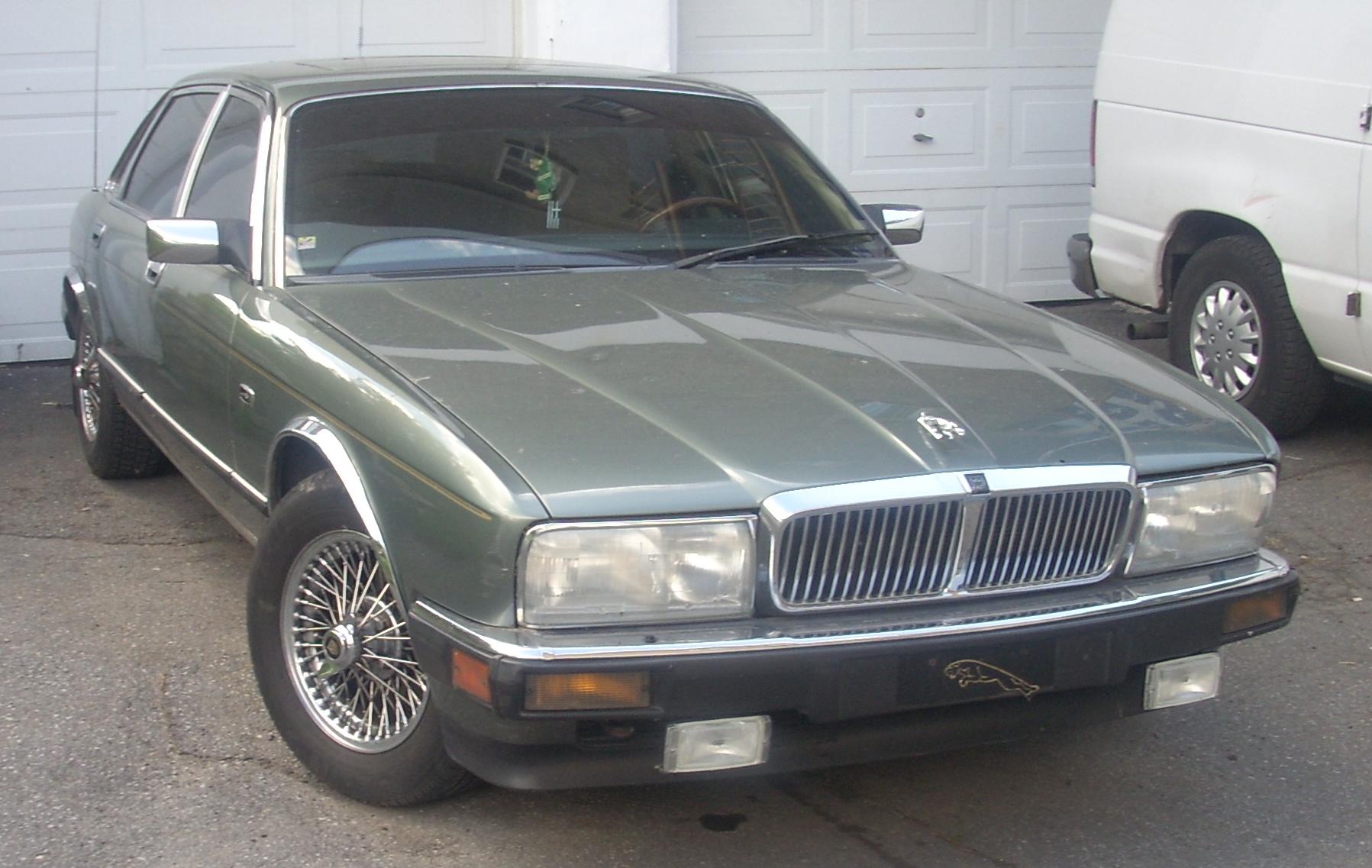
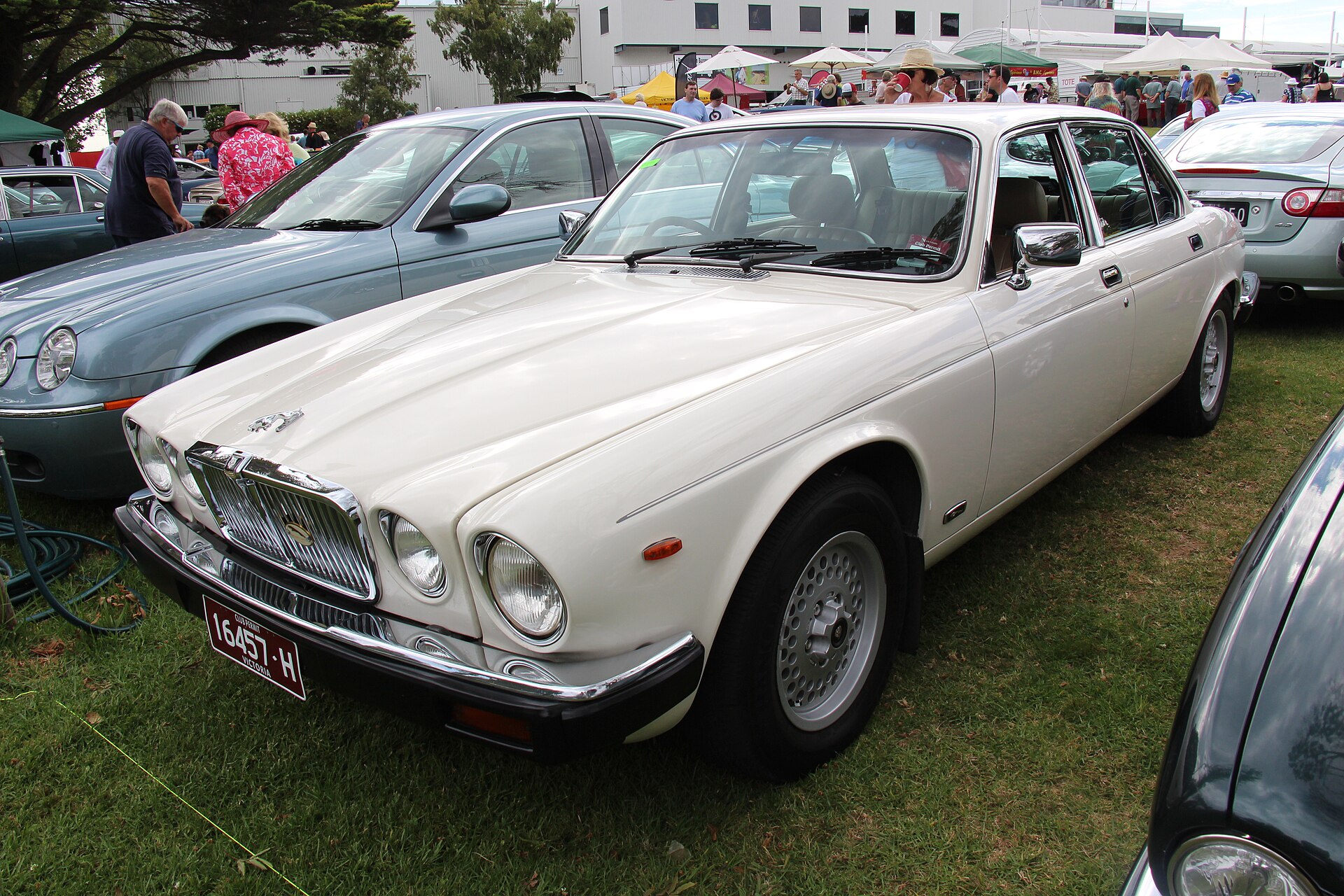
- XJ Series III 1979–1992 · Sedan
- XJ (XJ40) 1986–1994 · Sedan
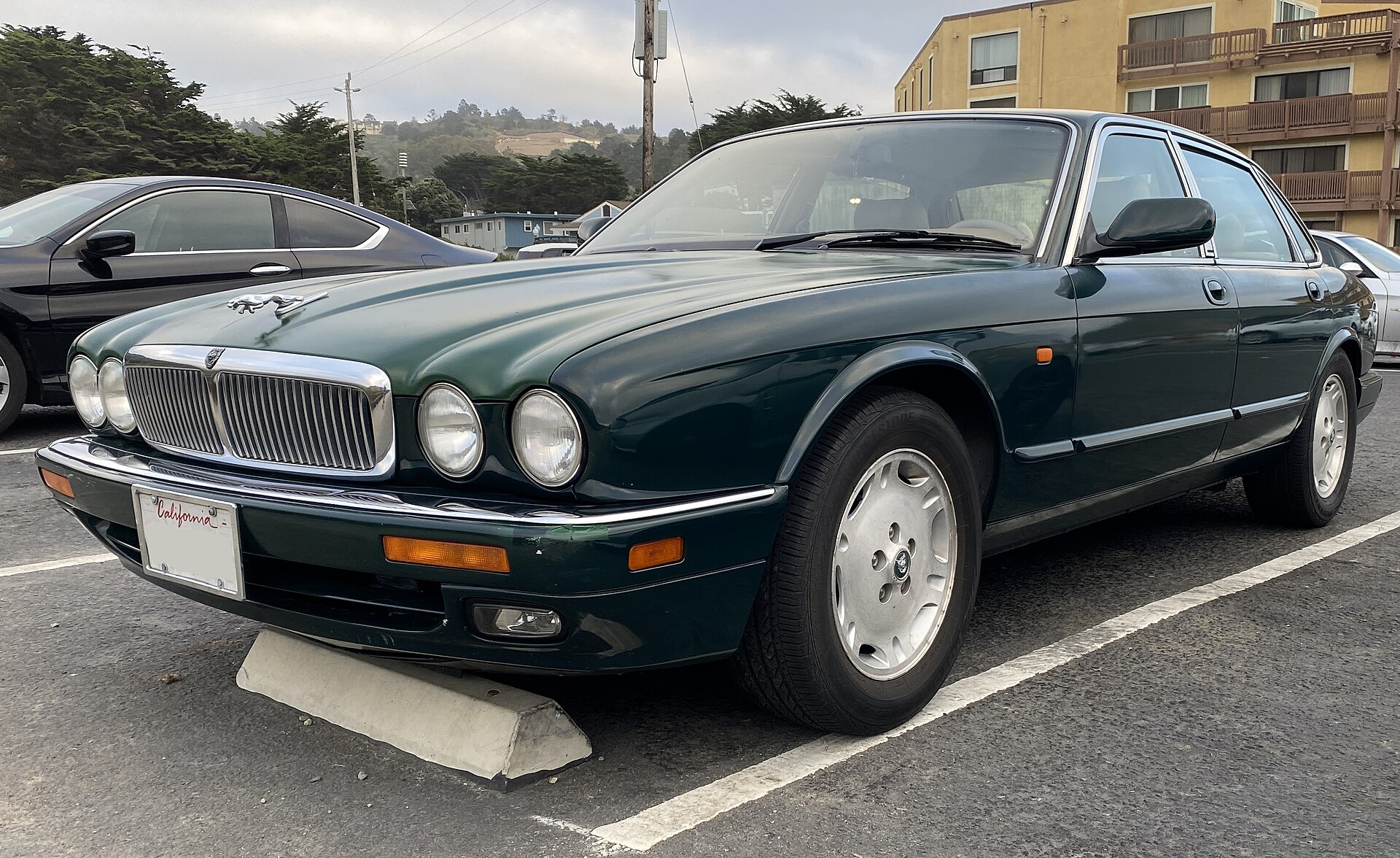
- XJ (X300) 1994–1997 · Sedan
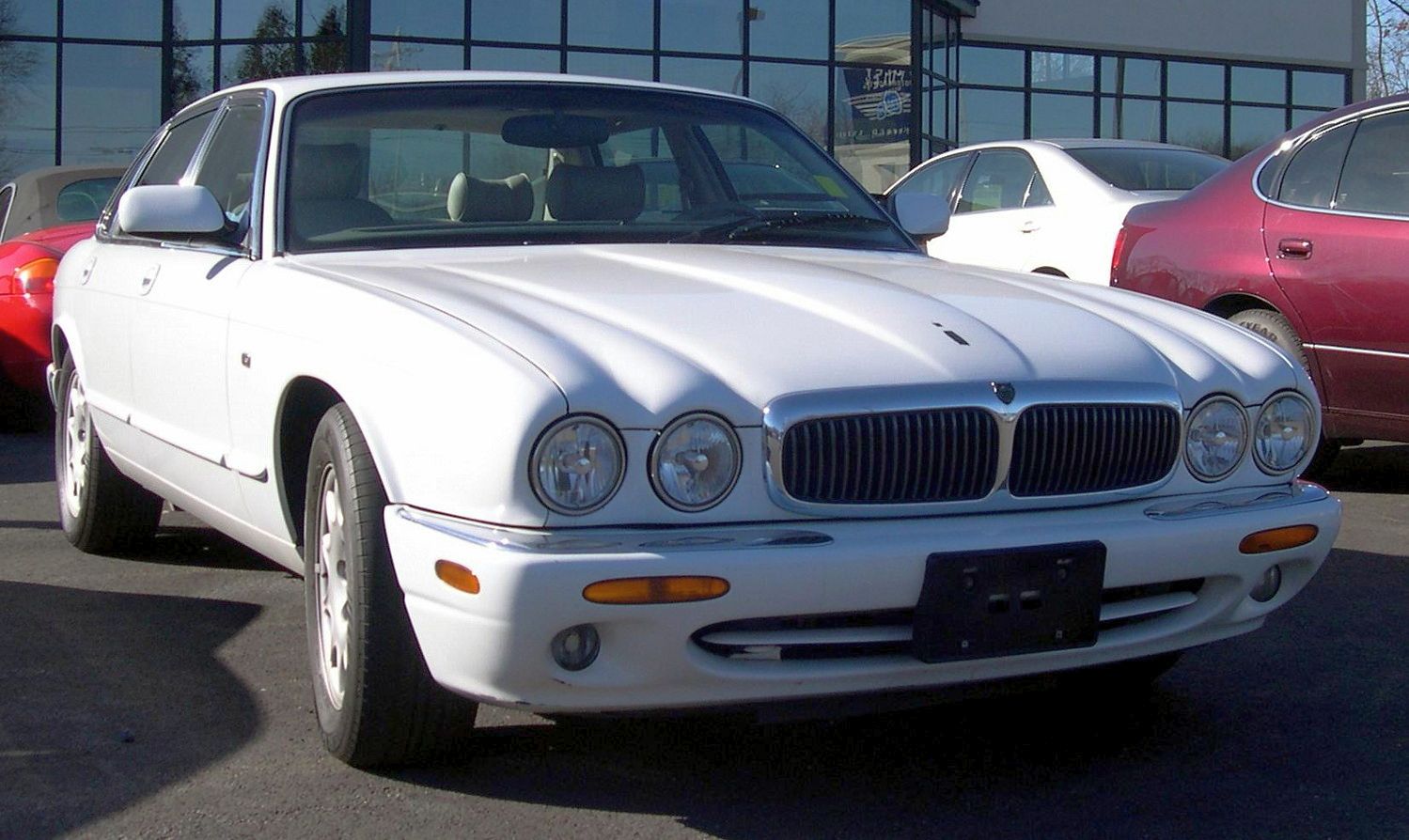
- XJ (X308) 1997–2003 · Sedan
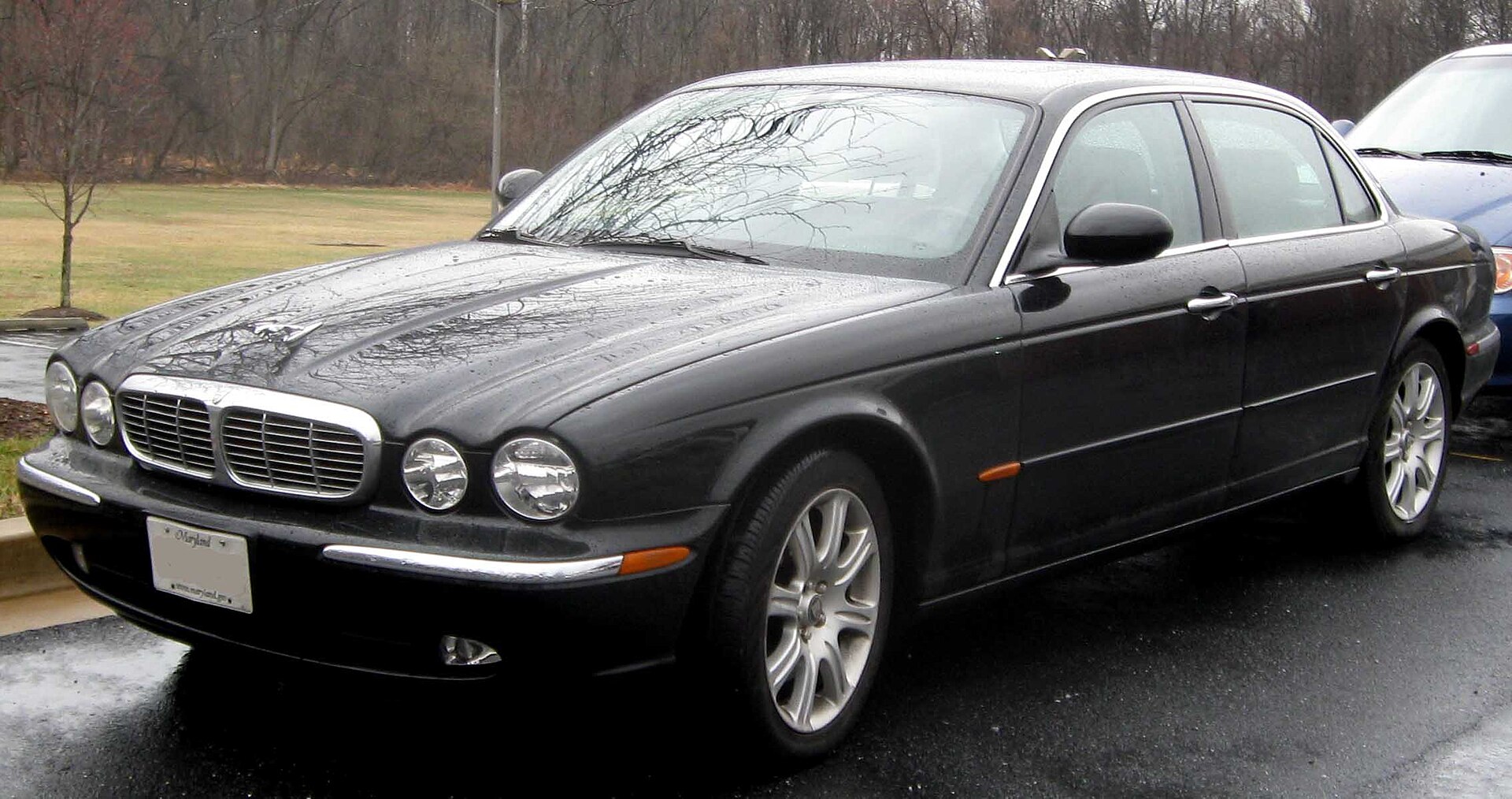
- XJ (X350) 2003–2009 · Sedan
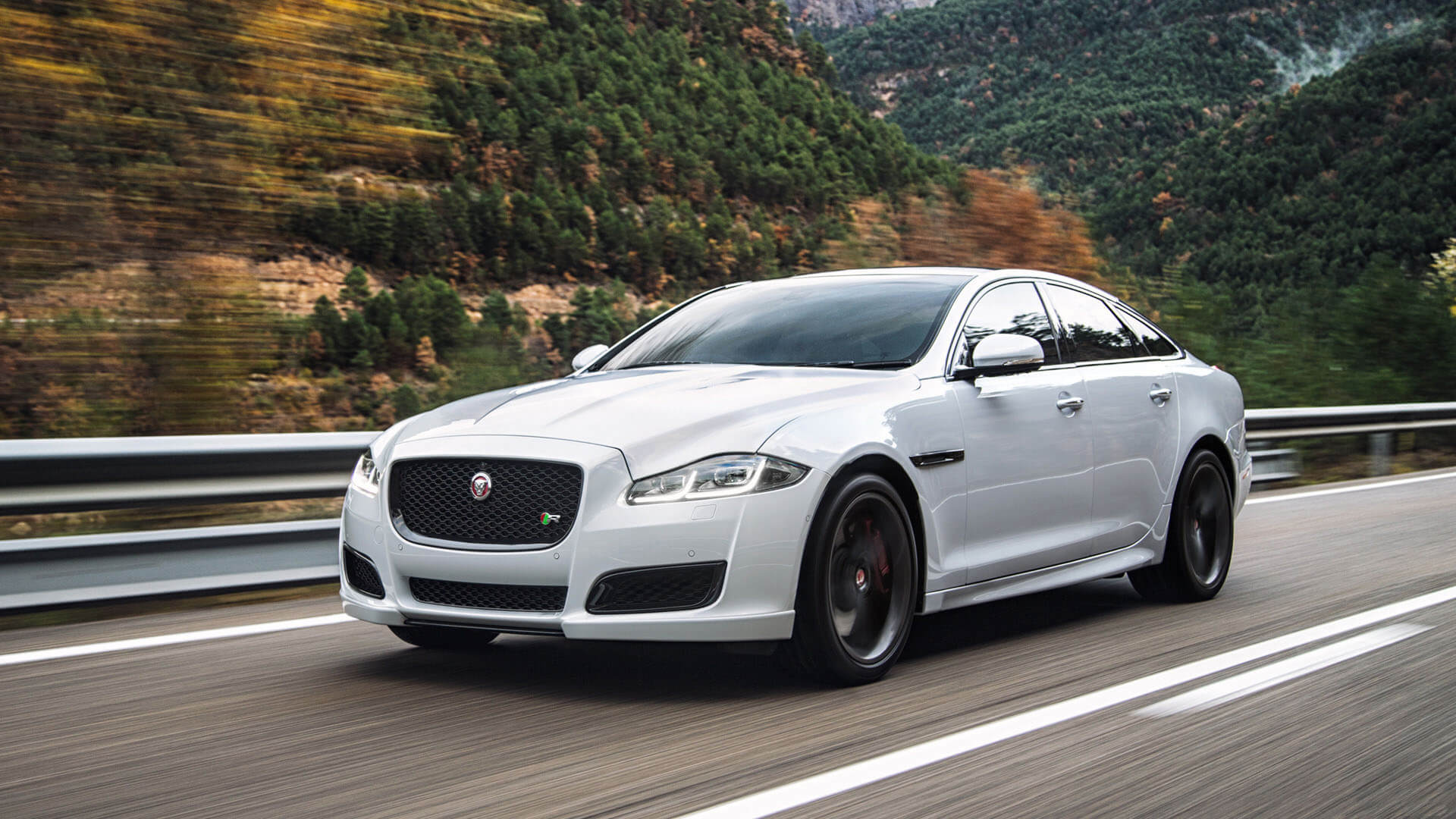
- XJ X351 2009–2019 · Sedan · 177–405 kW (241–551 PS)
Newest first · 8 generations since 1968
-
2009

-
2003
-
1997
-
1994
-
1986
-
1979
-
1973
-
1968


All generations by year: XJ X351 (2009–2019) · XJ (X350) (2003–2009) · XJ (X308) (1997–2003) · XJ (X300) (1994–1997) · XJ (XJ40) (1986–1994) · XJ Series III (1979–1992) · XJ Series II (1973–1979) · XJ Series I (1968–1973)
Which one is mine?
Pick the year of first registration to see which generation it is.
- X351 2009–2019
- X350 2003–2009
- X308 1997–2003
- X300 1994–1997
- XJ40 1986–1994
- XJ Series III 1979–1992
- XJ Series II 1973–1979
- XJ Series I 1968–1973
Which Jaguar XJ to buy
Our verdict · Felix Hartmann
For everyday use, the best pick is a 2016–2019 X351 with the 3.0 V6 diesel. It combines the updated cabin and lights with the lowest running costs. The 5.0 V8 supercharged versions suit drivers who want performance, but budget for tyres, brakes and fuel. The X350 offers aluminium-bodied luxury for little money; check the air suspension and the electrics carefully.
For collectors, the Series I or Series III V12 is the most desirable classic XJ. Buy the best body you can find, because rust repairs cost more than engine work. For an electric Jaguar today, the closest relative is the Jaguar I-Pace. The smaller saloon in the range was the Jaguar XE, and the brand's full story is told in Jaguar's history.
The Jaguar XJ was the brand's large luxury saloon from 1968 to 2019, across eight generations from the Series I to the X351. The last XJ was built at Castle Bromwich from September 2009 to July 2019. The last XJ offered engines from 177 kW to 405 kW (240 to 550 PS). An electric successor was announced in 2019 but cancelled in February 2021.
In short
- Launched in 1968 as the last saloon developed under founder Sir William Lyons.
- V12 versions from 1972; a supercharged XJR from 1994; an all-aluminium body from 2003.
- The X351 came in standard and long-wheelbase versions, 5,130 or 5,255 mm long.
- Series I to III production reached about 306,000 to 322,000 cars, by our count of the factory figures.

Size at a glance
| Dimensions | Jaguar XJ X351 |
|---|---|
| Length | 5,130 mm202.0 in |
| Width | 1,899 mm74.8 in |
| Height | 1,461 mm57.5 in |
| Wheelbase | 3,032 mm119.4 in |
Specs by version
Engines
| Version | Engine | Gearbox | Drive | Production years |
|---|---|---|---|---|
| X351 · 2009–2019 | ||||
| X351 · 3 L 6 cyl Automatic (S8) · 2019 (EPA) | 3.0 l · 6 cyl 3,000 cc | 8-sp Automatic | Rear-wheel drive | 2019 |
| X351 · 3 L 6 cyl Automatic (S8) · 2018 (EPA) | 3.0 l · 6 cyl 3,000 cc | 8-sp Automatic | Rear-wheel drive | 2018 |
| X351 · 3 L 6 cyl Automatic (S8) · 2017 (EPA) | 3.0 l · 6 cyl 3,000 cc | 8-sp Automatic | Rear-wheel drive | 2017 |
| X351 · 3 L 6 cyl Automatic (S8) · 2016 (EPA) | 3.0 l · 6 cyl 3,000 cc | 8-sp Automatic | Rear-wheel drive | 2016 |
| X351 · 3 L 6 cyl Automatic (S8) · 2013 (EPA) | 3.0 l · 6 cyl 3,000 cc | 8-sp Automatic | Rear-wheel drive | 2013 |
| X351 · 5 L 8 cyl Automatic (S8) · 2019 (EPA) | 5.0 l · 8 cyl 5,000 cc | 8-sp Automatic | Rear-wheel drive | 2019 |
| X351 · 5 L 8 cyl Automatic (S8) · 2018 (EPA) | 5.0 l · 8 cyl 5,000 cc | 8-sp Automatic | Rear-wheel drive | 2018 |
| X351 · 5 L 8 cyl Automatic (S8) · 2017 (EPA) | 5.0 l · 8 cyl 5,000 cc | 8-sp Automatic | Rear-wheel drive | 2017 |
| X351 · 5 L 8 cyl Automatic (S8) · 2016 (EPA) | 5.0 l · 8 cyl 5,000 cc | 8-sp Automatic | Rear-wheel drive | 2016 |
| X351 · 5 L 8 cyl Automatic (S8) · 2015 (EPA) | 5.0 l · 8 cyl 5,000 cc | 8-sp Automatic | Rear-wheel drive | 2015 |
| X351 · 5 L 8 cyl Automatic (S8) · 2014 (EPA) | 5.0 l · 8 cyl 5,000 cc | 8-sp Automatic | Rear-wheel drive | 2014 |
| X351 · 5 L 8 cyl Automatic (S8) · 2013 (EPA) | 5.0 l · 8 cyl 5,000 cc | 8-sp Automatic | Rear-wheel drive | 2013 |
| X351 · 5 L 8 cyl Automatic (S6) · 2012 (EPA) | 5.0 l · 8 cyl 5,000 cc | 6-sp Automatic | Rear-wheel drive | 2012 |
| X351 · 5 L 8 cyl Automatic (S6) · 2012 (EPA) | 5.0 l · 8 cyl 5,000 cc | 6-sp Automatic | Rear-wheel drive | 2012 |
| X351 · 2.0 177 kW (241 PS) Sedan | 2.0 l · Petrol 2,000 cc | - | - | - |
| X351 · 3.0 250 kW (340 PS) Sedan | 3.0 l · 6 cyl 3,000 cc | - | - | - |
| X351 · 5.0 405 kW (551 PS) Sedan | 5.0 l · 8 cyl 5,000 cc | - | - | - |
Performance
Show all 14 versions
| Version | Fuel consumption |
|---|---|
| X351 · 2009–2019 | |
| X351 · 3 L 6 cyl Automatic (S8) · 2019 (EPA) | 11.2 l/100 km21.0 mpg US · 25.2 mpg UK |
| X351 · 3 L 6 cyl Automatic (S8) · 2018 (EPA) | 11.2 l/100 km21.0 mpg US · 25.2 mpg UK |
| X351 · 3 L 6 cyl Automatic (S8) · 2017 (EPA) | 11.2 l/100 km21.0 mpg US · 25.2 mpg UK |
| X351 · 3 L 6 cyl Automatic (S8) · 2016 (EPA) | 11.2 l/100 km21.0 mpg US · 25.2 mpg UK |
| X351 · 3 L 6 cyl Automatic (S8) · 2013 (EPA) | 11.2 l/100 km21.0 mpg US · 25.2 mpg UK |
| X351 · 5 L 8 cyl Automatic (S8) · 2019 (EPA) | 13.1 l/100 km18.0 mpg US · 21.6 mpg UK |
| X351 · 5 L 8 cyl Automatic (S8) · 2018 (EPA) | 13.1 l/100 km18.0 mpg US · 21.6 mpg UK |
| X351 · 5 L 8 cyl Automatic (S8) · 2017 (EPA) | 13.1 l/100 km18.0 mpg US · 21.6 mpg UK |
| X351 · 5 L 8 cyl Automatic (S8) · 2016 (EPA) | 13.1 l/100 km18.0 mpg US · 21.6 mpg UK |
| X351 · 5 L 8 cyl Automatic (S8) · 2015 (EPA) | 13.1 l/100 km18.0 mpg US · 21.6 mpg UK |
| X351 · 5 L 8 cyl Automatic (S8) · 2014 (EPA) | 13.1 l/100 km18.0 mpg US · 21.6 mpg UK |
| X351 · 5 L 8 cyl Automatic (S8) · 2013 (EPA) | 13.1 l/100 km18.0 mpg US · 21.6 mpg UK |
| X351 · 5 L 8 cyl Automatic (S6) · 2012 (EPA) | 12.4 l/100 km19.0 mpg US · 22.8 mpg UK |
| X351 · 5 L 8 cyl Automatic (S6) · 2012 (EPA) | 13.8 l/100 km17.0 mpg US · 20.5 mpg UK |
Dimensions and weight
Verified Manufacturer and type-approval data from our catalog · Sources and methodology
Jaguar XJ at a glance

| Fact | Value |
|---|---|
| Segment | Full-size luxury saloon |
| Production | 1968–2019 |
| Last generation | X351 (September 2009 – July 2019) |
| Plant (X351) | Castle Bromwich, Birmingham; kits assembled in Pune, India, from 2014 |
| Body | Four-door saloon, standard or long wheelbase |
| Engines (X351) | 3.0 V6 diesel, 3.0 V6 supercharged petrol, 5.0 V8 petrol, 2.0 four-cylinder in some markets |
| Gearbox (X351) | Six-speed automatic, ZF eight-speed from 2013 |
XJ generations from 1968 to 2019
| Generation | Years | Notable facts | Production |
|---|---|---|---|
| Series I | 1968–1973 | XJ6, then the 5.3 V12 XJ12 from July 1972 | 98,227 (factory table) |
| Series II | 1973–1979 | Introduced for the 1974 model year | 91,227, incl. 14,226 V12 |
| Series III | 1979–1992 | New roof and details by Pininfarina | 132,952, incl. 10,500 V12 |
| XJ40 | 1986–1994 | All-new body, unveiled 8 October 1986 | – |
| X300 | 1994–1997 | First supercharged XJR | – |
| X308 | 1997–2003 | AJ-V8 engines, 3.2 and 4.0 litres | – |
| X350 / X358 | 2003–2009 | All-aluminium body and chassis | 83,518 |
| X351 | 2009–2019 | Ian Callum design, long-wheelbase option | 102,396 sold 2010–2016 |
Series I to III (1968–1992)
The first XJ6 appeared in 1968 and, according to the old 1cars text, replaced four separate saloon lines with one model. It was the last Jaguar saloon designed under Sir William Lyons. The 5.3-litre V12 XJ12 followed in July 1972, and the Series II arrived in 1973 for the 1974 model year. The Series III of April 1979 had a revised body shaped with the help of Pininfarina. The V12 Series III stayed in production until 1992.

XJ40, X300 and X308 (1986–2003)
The XJ40 was shown at the Birmingham motor show on 8 October 1986. The XJ40 kept the traditional XJ look but was a new car underneath. Jaguar came under Ford ownership in 1989. The X300, shown at the Paris Motor Show in October 1994, brought the first supercharged XJR. The X308 of 1997 introduced Jaguar's own AJ-V8 in 3.2- and 4.0-litre sizes; the 4.0 was also offered with a supercharger.
X350 and X358 (2003–2009)
The X350 of 2003 was the most radical step since 1968: an all-aluminium body and chassis made the big saloon lighter than a comparable steel car. The old 1cars text notes that this generation also brought diesel engines to the XJ. A facelift, the X358, followed at the end of February 2007. Over seven years, 83,518 X350 and X358 saloons were built.
The last XJ: X351 engines and performance
Design director Ian Callum's team began work on the X351 in 2005. It was unveiled at the Saatchi Gallery in London in July 2009 and built at Castle Bromwich. The aluminium body contained about 50 % recycled material.

| Engine | Power | Torque |
|---|---|---|
| 2.0 four-cylinder turbo petrol (some markets) | 177 kW (240 PS) | – |
| 3.0 V6 twin-turbo diesel | 202 kW (275 PS); 221 kW (300 PS) from 2015 | 600 Nm |
| 3.0 V6 supercharged petrol (from 2013) | 250 kW (340 PS) | 450 Nm |
| 5.0 V8 petrol | 283 kW (385 PS) | 515 Nm |
| 5.0 V8 supercharged | 346 kW (470 PS) | 575 Nm |
| 5.0 V8 supercharged (Supersport) | 375 kW (510 PS) | 625 Nm |
| 5.0 V8 supercharged (XJR) | 405 kW (550 PS) | 625–680 Nm |
At first the X351 XJ used a six-speed automatic; from 2013 every version had the ZF eight-speed gearbox. All-wheel drive became available with the 3.0 V6 petrol from the 2014 model year. The 2.0 petrol and the 300 PS diesel figures come from the old 1cars text, based on Jaguar's 2015 data.
X351 size, cabin and boot
| Parameter | XJ (standard) | XJL (long wheelbase) |
|---|---|---|
| Length | 5,130 mm (202.0 in) | 5,255 mm (206.9 in) |
| Wheelbase | 3,032 mm (119.4 in) | 3,157 mm (124.3 in) |
| Width without mirrors | 1,899 mm (74.8 in) | 1,899 mm (74.8 in) |
| Height | 1,461 mm (57.5 in) | 1,461 mm (57.5 in) |
| Kerb weight | 1,755–1,892 kg | 1,773–1,915 kg |
By our calculation the long-wheelbase car adds 125 mm, all of it between the axles, for rear legroom. The old 1cars review describes wood, leather and soft plastics, front seats with heating, cooling and massage, and a 12.3-inch digital instrument display. Autobiography versions added rear seats with electric adjustment and massage, plus two 10.2-inch screens in the front seat backs. A Meridian audio system with 14 to 16 speakers was available.

According to the same text, the XJ won Top Gear magazine's "Interior of the Year" award in 2009 and its "Luxury Car of the Year" title for 2010.
Fuel use and running costs
The 3.0 diesel was the economical choice: Jaguar's launch figures were 184 g/km of CO2 and better than 7.1 l/100 km (40 mpg imperial). The old text says the 2015 update cut CO2 to 149 g/km. The V8 petrol models use far more fuel, and the supercharged XJR is very expensive to run. Air suspension, large brakes and complex electronics make servicing costly on every X351.

X351 updates and trim levels
The 2014 model year made stop-start standard. The update for the 2016 model year, shown in 2015, brought full LED headlights with "J-Blade" daytime lights, a revised grille and bumpers and the InControl Touch Pro infotainment system. A 10-inch central screen replaced the earlier 7-inch unit for 2017–2019. The old 1cars text lists the trims after that update as Luxury, Portfolio, R-Sport, Autobiography and the supercharged V8 versions.

The news of that facelift is still on 1cars as Jaguar XJ improved.
Safety of the last XJ
We found no published Euro NCAP rating for the X351, which is common for large, low-volume luxury saloons. The car had a full set of airbags and stability control, and the 2016 update added further driver-assistance systems.

Rivals: how the XJ compares
| Model | Body choice | How it differs from the XJ |
|---|---|---|
| Mercedes-Benz S-Class | Standard and long | More technology and comfort, much higher sales |
| BMW 7 Series | Standard and long | Sharper electronics, wider engine range |
| Audi A8 | Standard and long | Quattro all-wheel drive on most versions |
| Porsche Panamera | Liftback | Sportier, more practical rear hatch |
| Lexus LS | Standard and long | Hybrid option, strong reliability record |
The XJ was widely praised for its styling and handling, but it sold in small numbers. In September 2018 only 301 were sold, making it Jaguar's least popular model at the time. Put the XJ against any rival with the 1cars comparison tool, or check the supercharged versions with the power-to-weight calculator.

Image credits · Photos from Wikimedia Commons under free licences
- Jaguar XJ Series II · Photo: Riley from Christchurch, New Zealand / Wikimedia Commons, CC BY 2.0
- Jaguar XJ Series III · Photo: Sicnag / Wikimedia Commons, CC BY 2.0
- Jaguar XJ (XJ40) · Photo: Bull-Doser / Wikimedia Commons, Public domain
- Jaguar XJ (X300) · Photo: Cutlass / Wikimedia Commons, CC0
- Jaguar XJ (X308) · Photo: No machine-readable author provided. Sfoskett~commonswiki assumed (based on copyright claims). / Wikimedia Commons, CC BY-SA 3.0
- Jaguar XJ (X350) · Photo: IFCAR / Wikimedia Commons, Public domain
Jaguar XJ in our rankings
- No. 16 of 1092 · Longest-running car nameplates (51 years · top 2%)
- No. 27 of 531 · Longest cars (5,130 mm · top 6%)
- No. 14 of 420 · Cars with the most generations (8 generations · top 6%)
- No. 23 of 203 · Most powerful cars of the 2000s (405 kW · top 12%)
- No. 21 of 177 · Most powerful sedans (405 kW · top 12%)
- No. 14 of 101 · Longest sedans (5,130 mm · top 14%)
In production longer than 98% of ranked nameplates in the 1CARS catalog (No. 16 of 1092).
Jaguar XJ photos 15


Jaguar XJ videos 2

Test drive

Video overview
FAQ
What is the fuel consumption of the Jaguar XJ?
The X351 diesel was rated at better than 40 mpg (imperial), about 7.1 l/100 km on the official test. The 5.0 V8 petrol versions use considerably more, especially the supercharged XJR.
Is the Jaguar XJ available with all-wheel drive or as a hybrid?
All-wheel drive was offered from the 2014 model year with the 3.0 V6 supercharged petrol engine. There was never a hybrid XJ, and the planned electric XJ was cancelled in February 2021.
What are the main rivals of the Jaguar XJ?
Its rivals were the Mercedes-Benz S-Class, BMW 7 Series, Audi A8, Porsche Panamera and Lexus LS. Of these, only the Panamera has a hatchback body; the others are saloons like the XJ.
When did Jaguar stop making the XJ?
Production of the X351 ended at Castle Bromwich in July 2019. An electric XJ was confirmed that month for a 2020 launch, but Jaguar Land Rover shelved the project on 15 February 2021.
How long is the Jaguar XJ?
The last standard-wheelbase XJ is 5,130 mm long and the long-wheelbase XJL 5,255 mm. Both are 1,899 mm wide without mirrors and 1,461 mm tall.
Data sources
Data checked by an editor against the sources below.
- The text of this article (1cars archive)
- Wikipedia - Jaguar XJ
- Wikipedia - Jaguar XJ (X351)
- US EPA fueleconomy.gov - 40199.shtml
- US EPA fueleconomy.gov - 40249.shtml
- US EPA fueleconomy.gov - 39720.shtml


