
 Jaguar I-Pace
Specs, engines and history
Updated Published Sources (5) Report an error
By Felix Hartmann, Automotive Technology & EV Contributor Reviewed by Oleksandr Hnatiuk
- Built
- 2018–2024
- Top power
- 294 kW (400 PS)
- New price
- from about €77,300 (2018)
- Used price today
- about €17,000–35,000 (AutoScout24, Nov 2026)
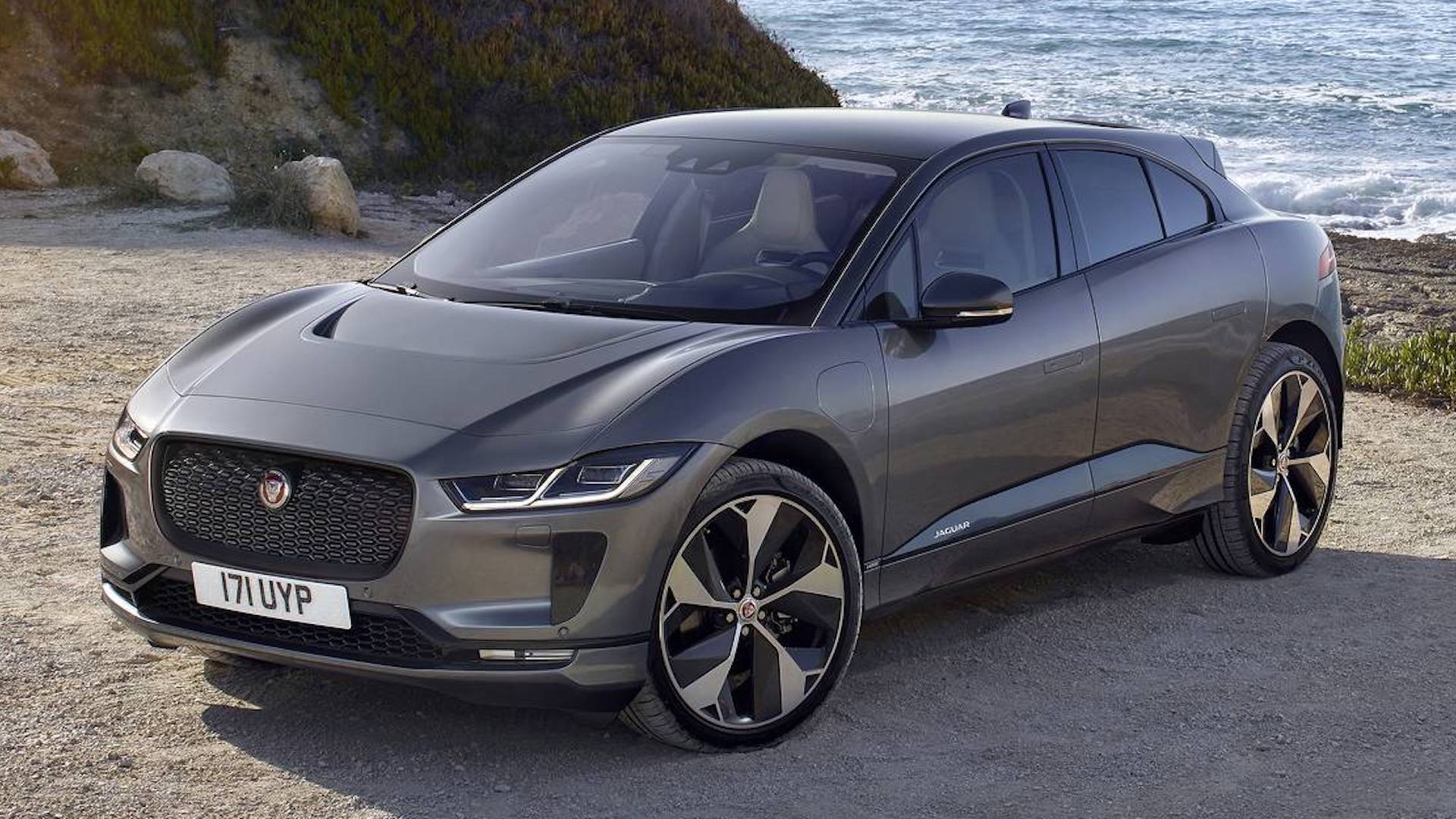
The Jaguar I-Pace is a five-seat battery-electric SUV that Jaguar revealed on 1 March 2018 and built in Graz, Austria, until December 2024. It has a 90 kWh battery, two motors with a combined 294 kW (400 PS) and a WLTP range of 470 km. It was the first Jaguar to be named European Car of the Year, and today it is bought mostly second-hand.
In short
- Production: 2018–2024 at Magna Steyr in Graz, Austria, under contract for Jaguar.
- Drivetrain: two motors, one per axle, 294 kW and 696 Nm in total; 0–100 km/h in 4.8 seconds.
- Battery and range: 90 kWh, 432 cells, 470 km WLTP, up to 100 kW DC charging.
- Awards and caveats: European Car of the Year 2019, but early cars were hit by battery recalls in 2023 and 2024.

Size at a glance
Tesla Model X
The Jaguar I-Pace is 354 mm shorter, 104 mm narrower and 119 mm lower than the Tesla Model X.
| Dimensions | Jaguar I-Pace | Tesla Model X | Difference |
|---|---|---|---|
| Length | 4,682 mm184.3 in | 5,036 mm198.3 in | −354 mm−13.9 in |
| Width | 1,895 mm74.6 in | 1,999 mm78.7 in | −104 mm−4.1 in |
| Height | 1,565 mm61.6 in | 1,684 mm66.3 in | −119 mm−4.7 in |
| Wheelbase | 2,990 mm117.7 in | 2,965 mm116.7 in | +25 mm+1.0 in |
| Boot | 656 L23.2 cu ft | - | - |
Specs by version
Engines
| Version | Engine | Power | Torque | Gearbox | Drive | Production years |
|---|---|---|---|---|---|---|
| Automatic (A1) · 2020 (EPA) | Electric | - | - | 1-sp Automatic | Four-wheel drive (4×4) | 2020 |
| Automatic (A1) · 2019 (EPA) | Electric | - | - | 1-sp Automatic | Four-wheel drive (4×4) | 2019 |
| EV400 | Electric | 294 kW 400 PS394 hp | 696 Nm513 lb-ft | Single-speed | All-wheel drive | 2018–2024 |
Performance
Show all 3 versions
| Version | 0–100 km/h | Top speed | Fuel consumption | Range |
|---|---|---|---|---|
| Automatic (A1) · 2020 (EPA) | - | - | 27.5 kWh/100 km44.3 kWh/100 mi | 377 km234 mi |
| Automatic (A1) · 2019 (EPA) | - | - | 27.5 kWh/100 km44.3 kWh/100 mi | 377 km234 mi |
| EV400 | 4.8 s 0–62 mph | 200 km/h124 mph | 23.4 kWh/100 km37.7 kWh/100 mi | 470 km292 mi |
Dimensions and weight
Verified Manufacturer and type-approval data from our catalog · Sources and methodology
Jaguar I-Pace key data

| Item | Figure |
|---|---|
| Years built | 2018–2024 |
| Plant | Magna Steyr, Graz, Austria |
| Body | five-door, five-seat SUV |
| Motors | two permanent-magnet synchronous motors, all-wheel drive |
| Power and torque | 294 kW (400 PS), 696 Nm |
| 0–100 km/h | 4.8 s |
| Top speed | 200 km/h (limited) |
| Battery | 90 kWh lithium-ion, 432 pouch cells |
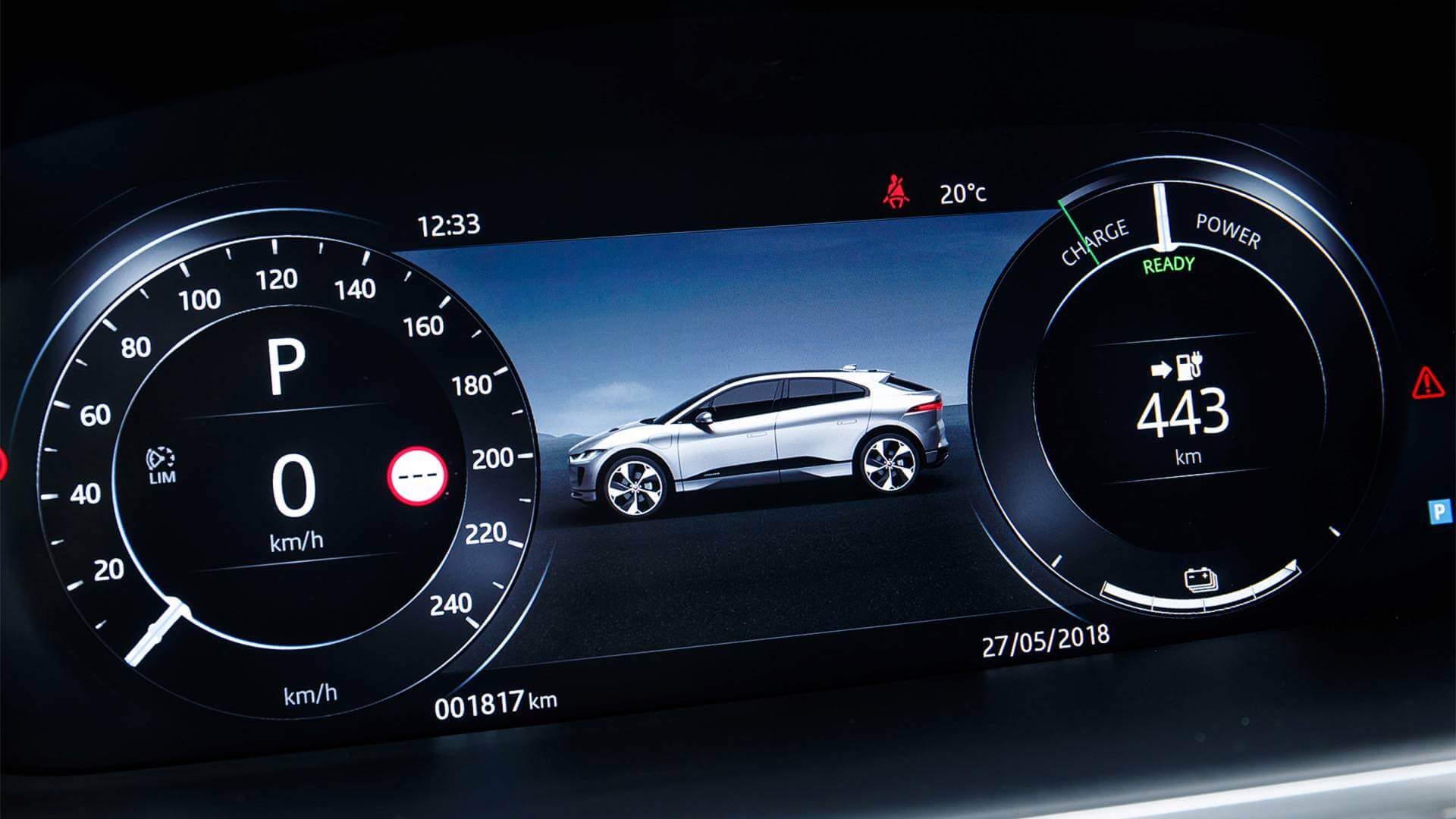
| Range | 470 km WLTP |
| Length / width / height | 4,682 / 1,895 / 1,565 mm |
| Wheelbase | 2,990 mm |
| Kerb weight | 2,133 kg |
| Boot | 656 l rear plus 28 l front |
| Drag coefficient | 0.29 |
From concept car to Graz production
Jaguar showed the I-Pace Concept at the Los Angeles Motor Show in November 2016 and drove it on public roads in London in March 2017. The production car changed little from the show car. It was unveiled on 1 March 2018 in Graz and made its public debut at the Geneva Motor Show a few days later. European deliveries began in June 2018 and North American ones in October.

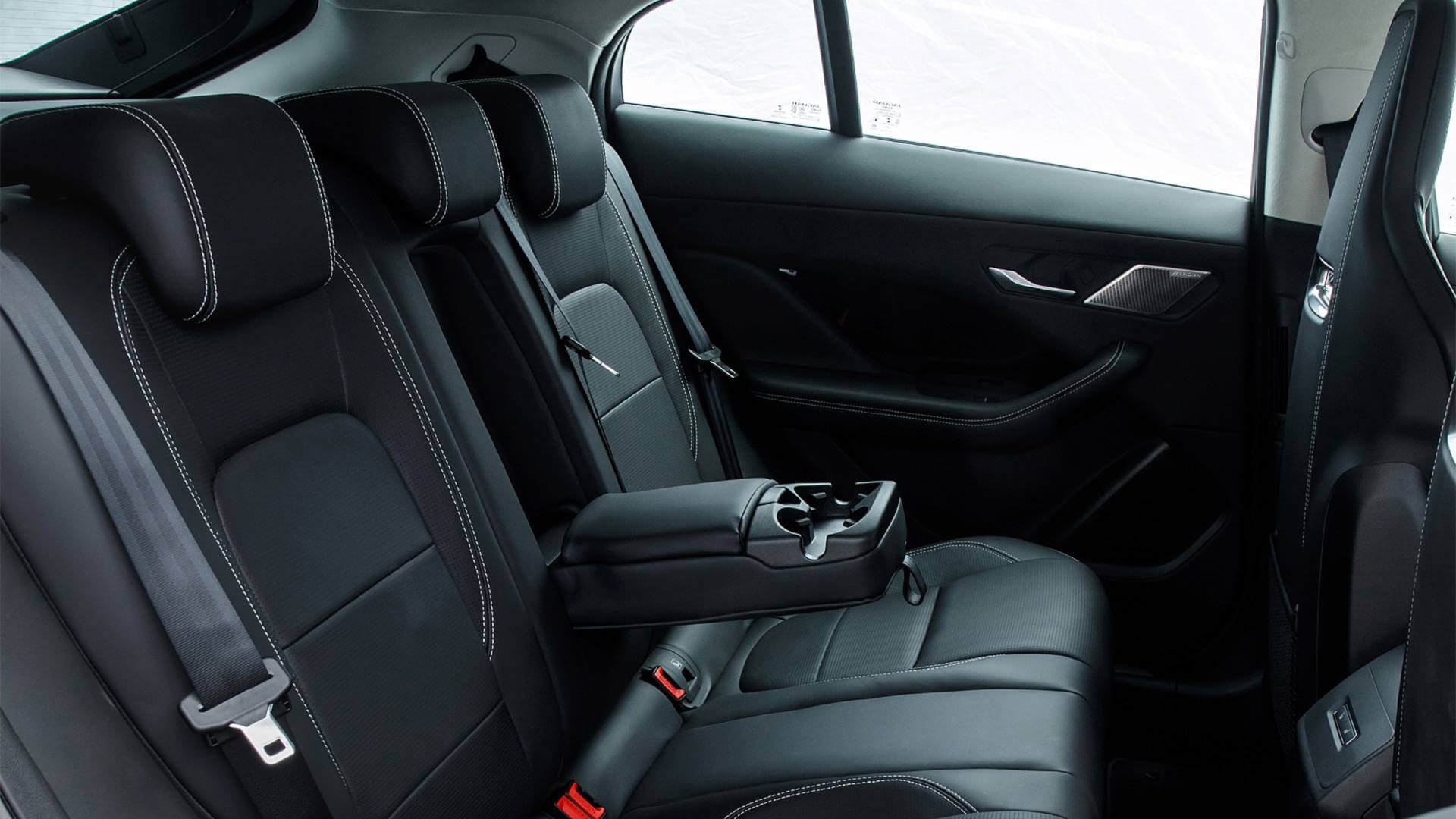
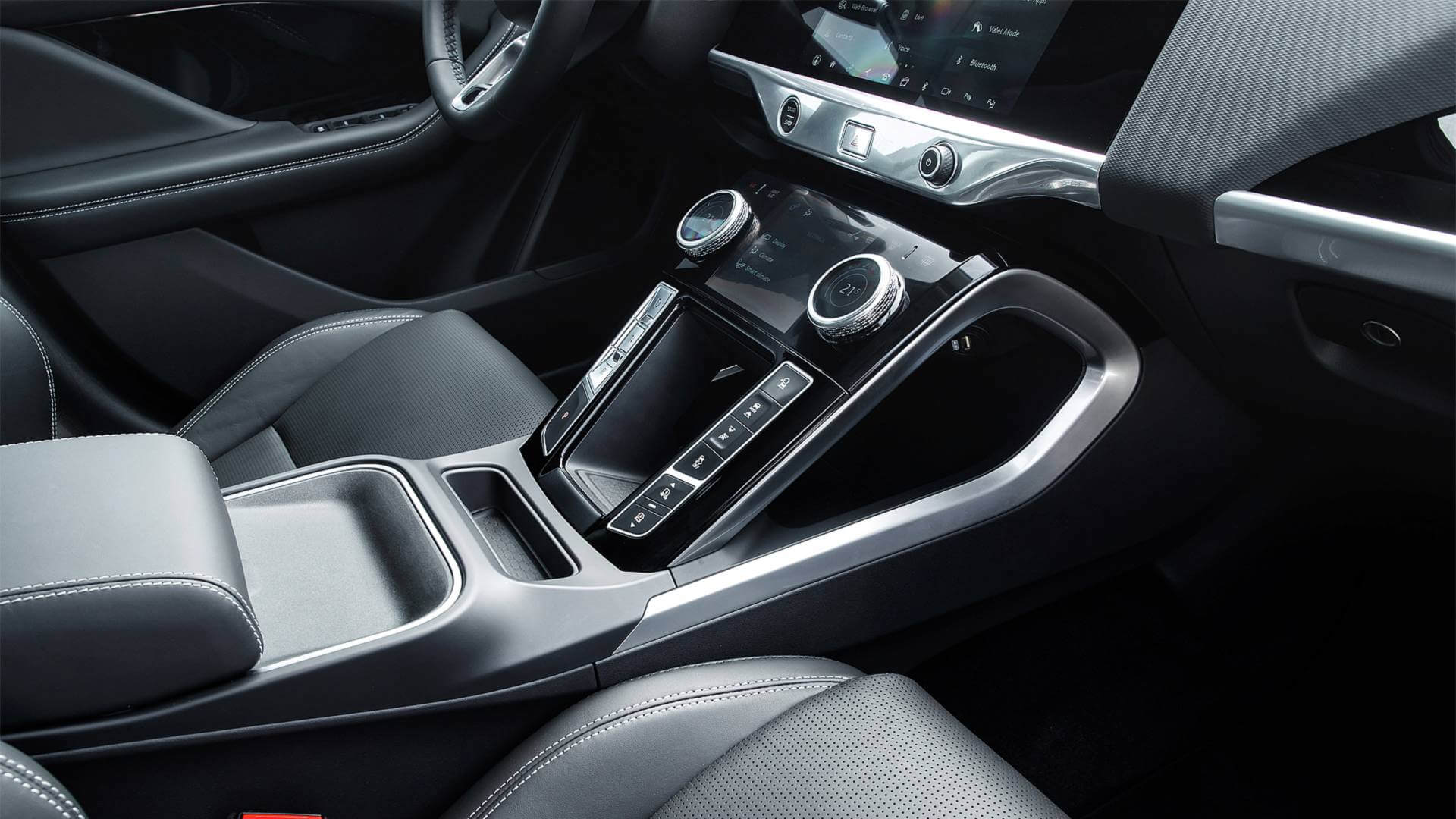
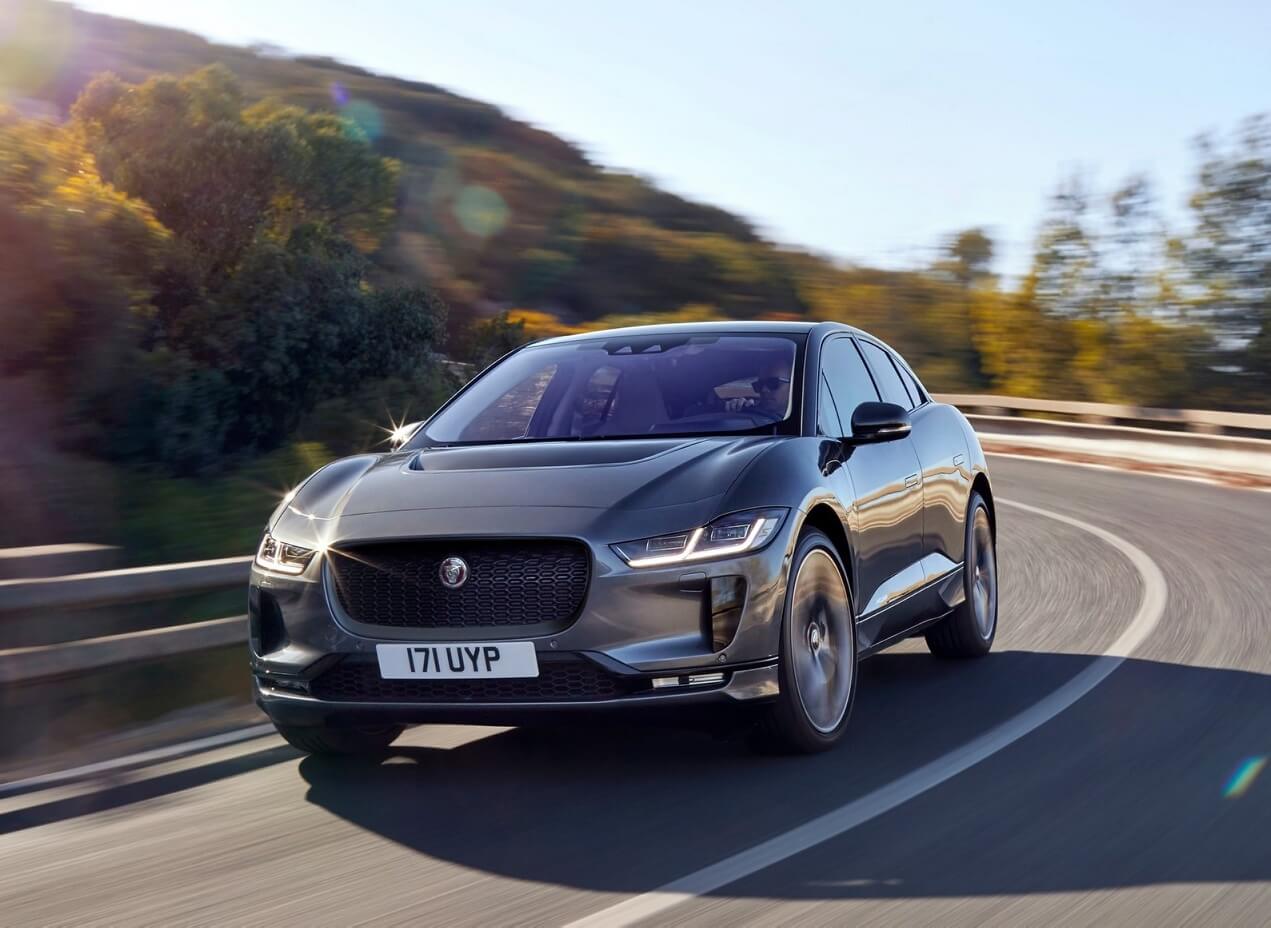
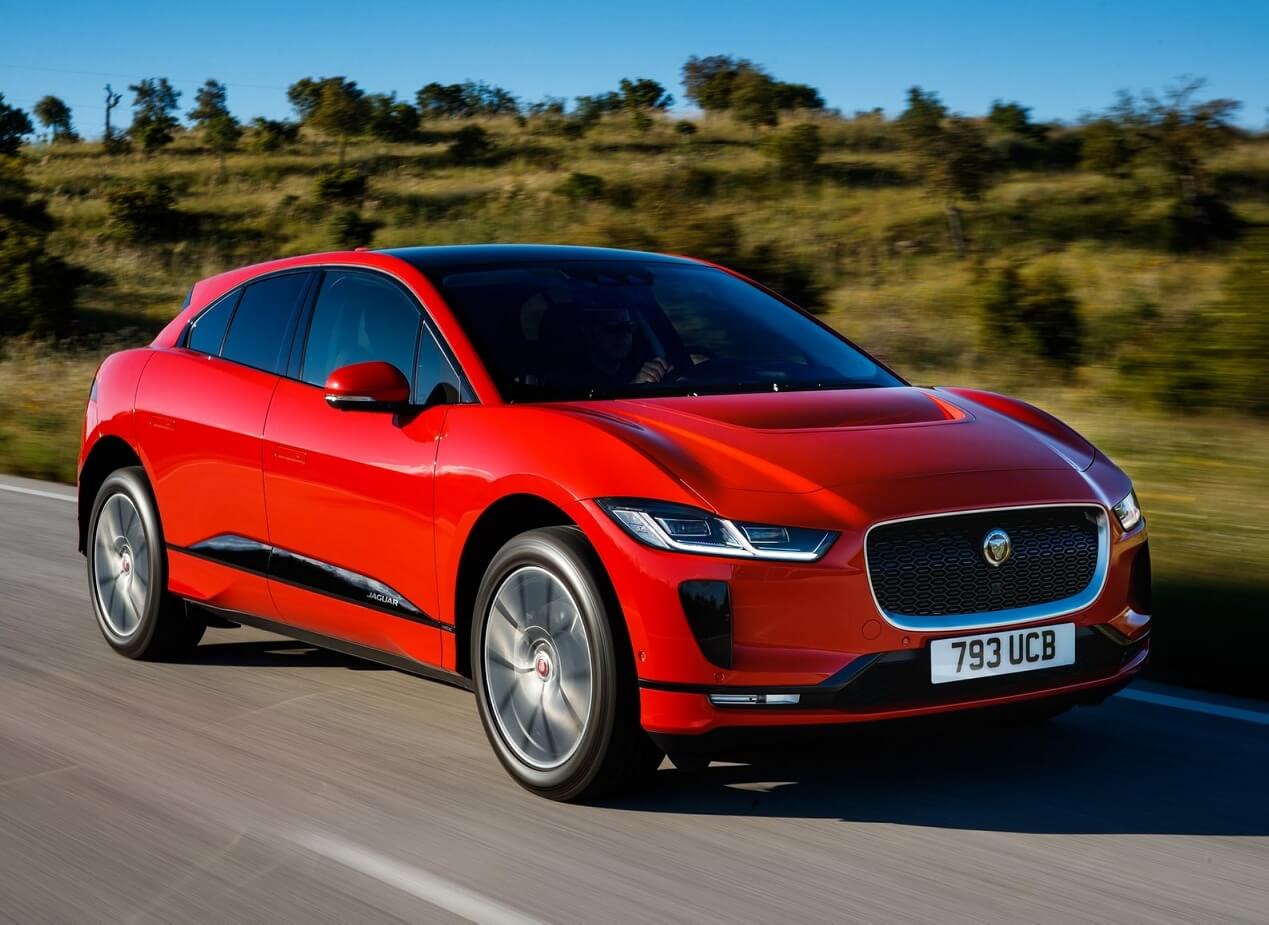
Jaguar did not build the car in its own British plants. Production went to Magna Steyr, a contract manufacturer that also assembled the E-Pace. The cab-forward shape follows from the electric layout: there is no engine to house, so the windscreen moves forward and the wheelbase is long for the car's length. With 2,990 mm between the axles on a 4,682 mm body, the wheelbase takes up about 64 % of the length by our calculation. That explains the roomy cabin of a car only slightly longer than a Jaguar F-Pace.
Motors, battery and performance
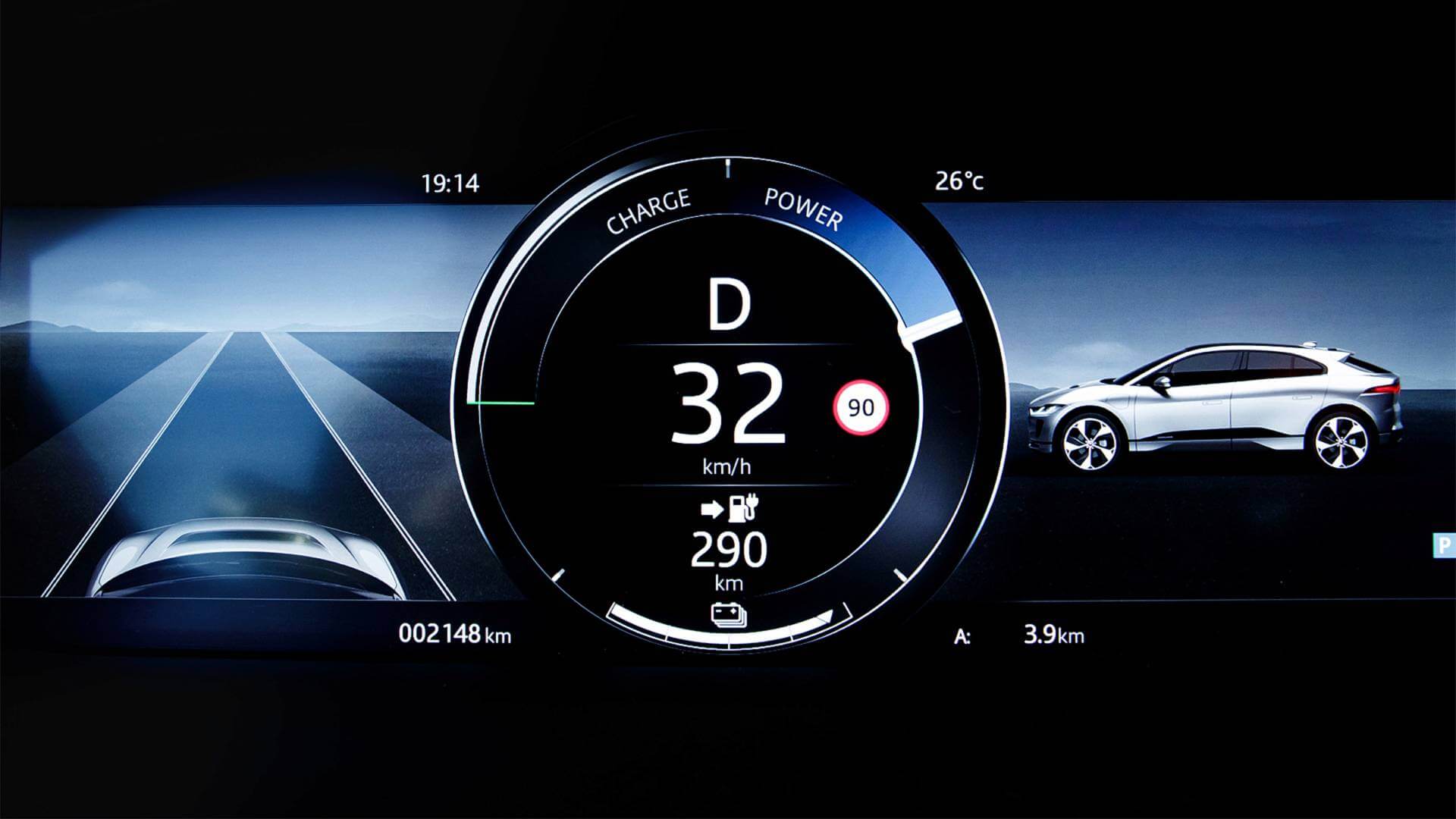
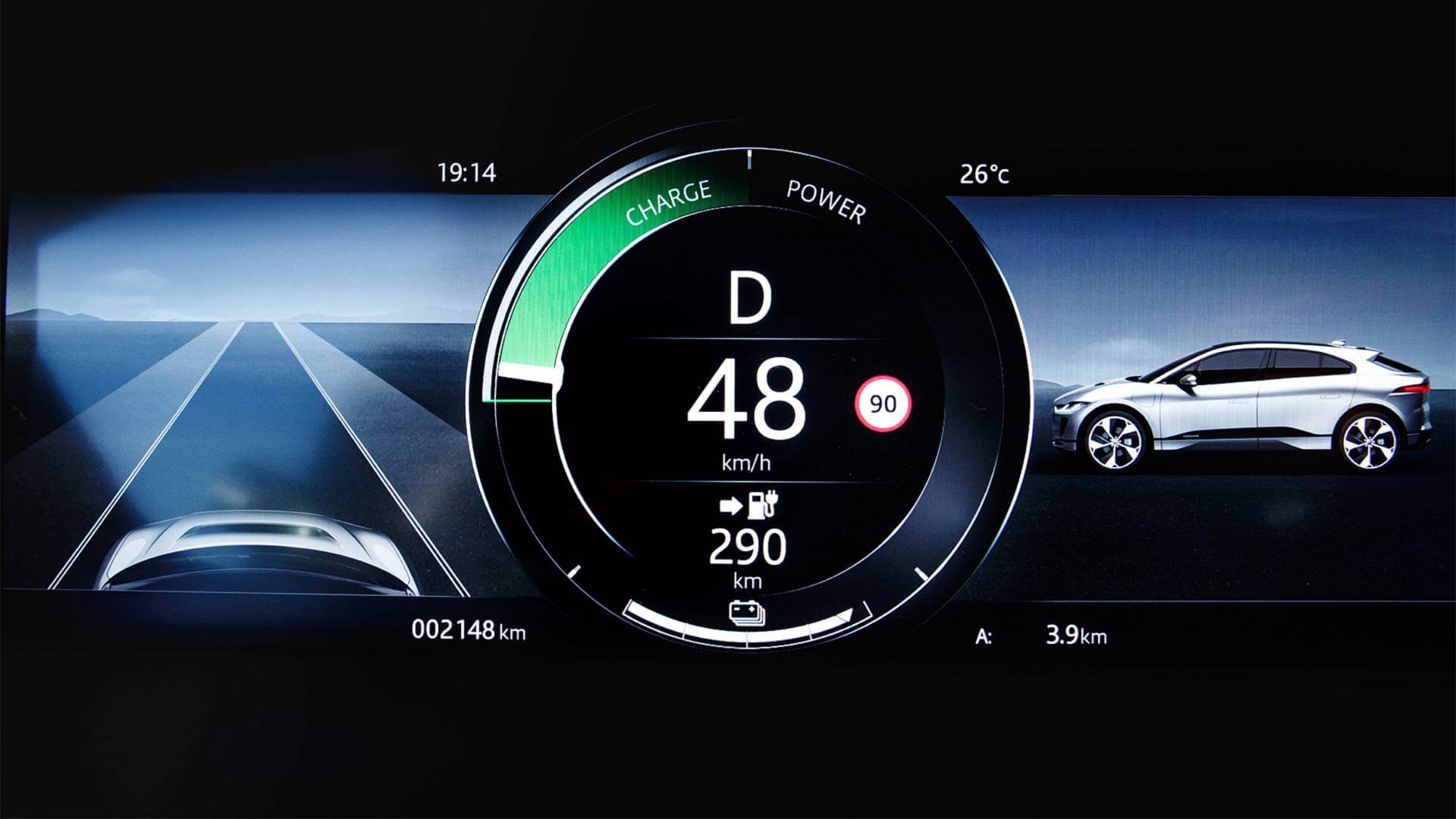
Each axle has its own electric motor, rated at 147 kW, so the car always drives all four wheels through single-speed transmissions. Together they give 294 kW (400 PS) and 696 Nm, and Jaguar marketed the car as the EV400. The 90 kWh battery uses LG Chem pouch cells, is liquid-cooled and sits low between the axles, which also gives the car an even weight distribution.

The claimed 0–100 km/h time is 4.8 seconds and the top speed is limited to 200 km/h. With 2,133 kg to move, the I-Pace carries about 7.3 kg per kW. You can compare these ratios with our power-to-weight calculator.
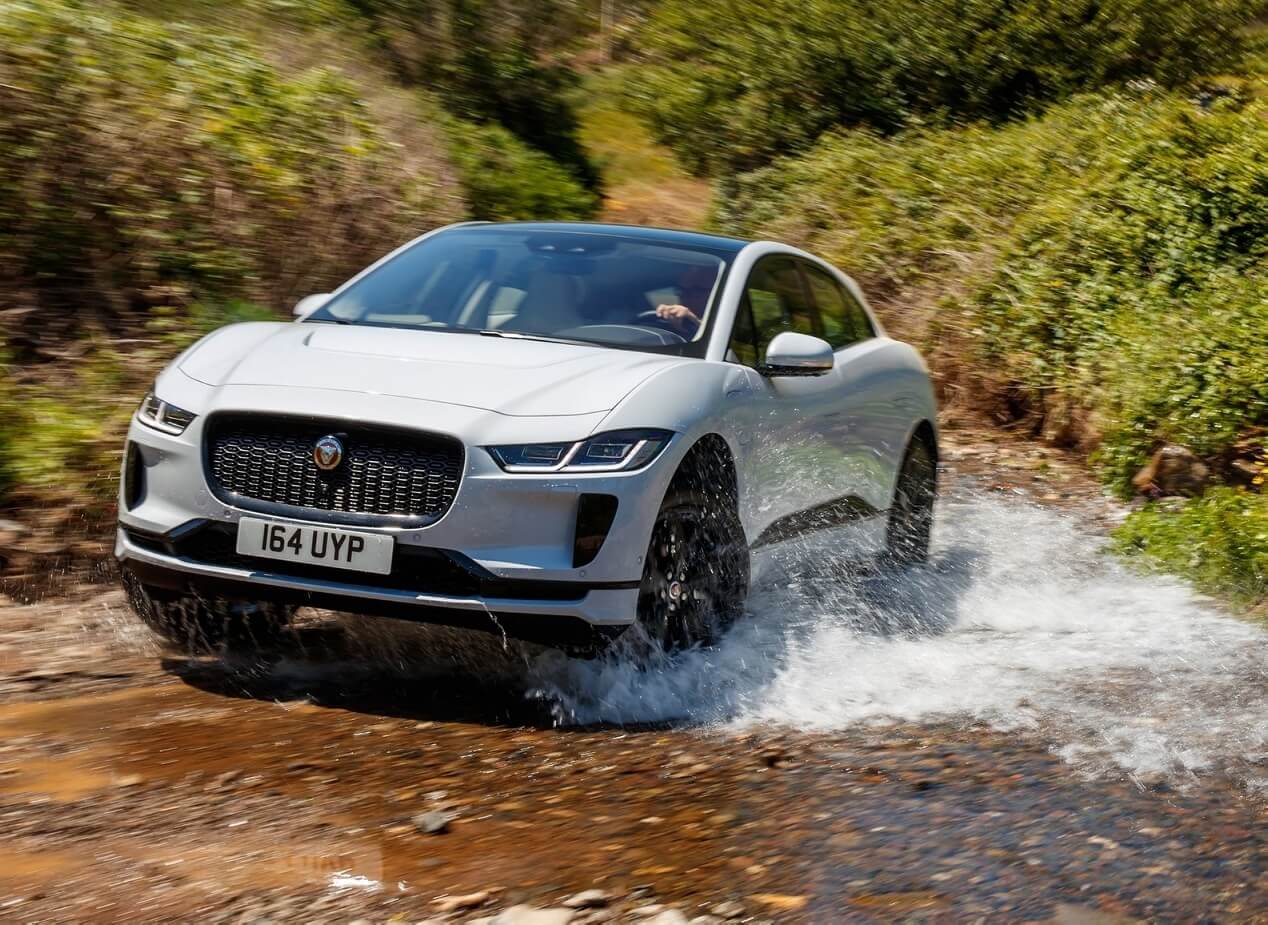
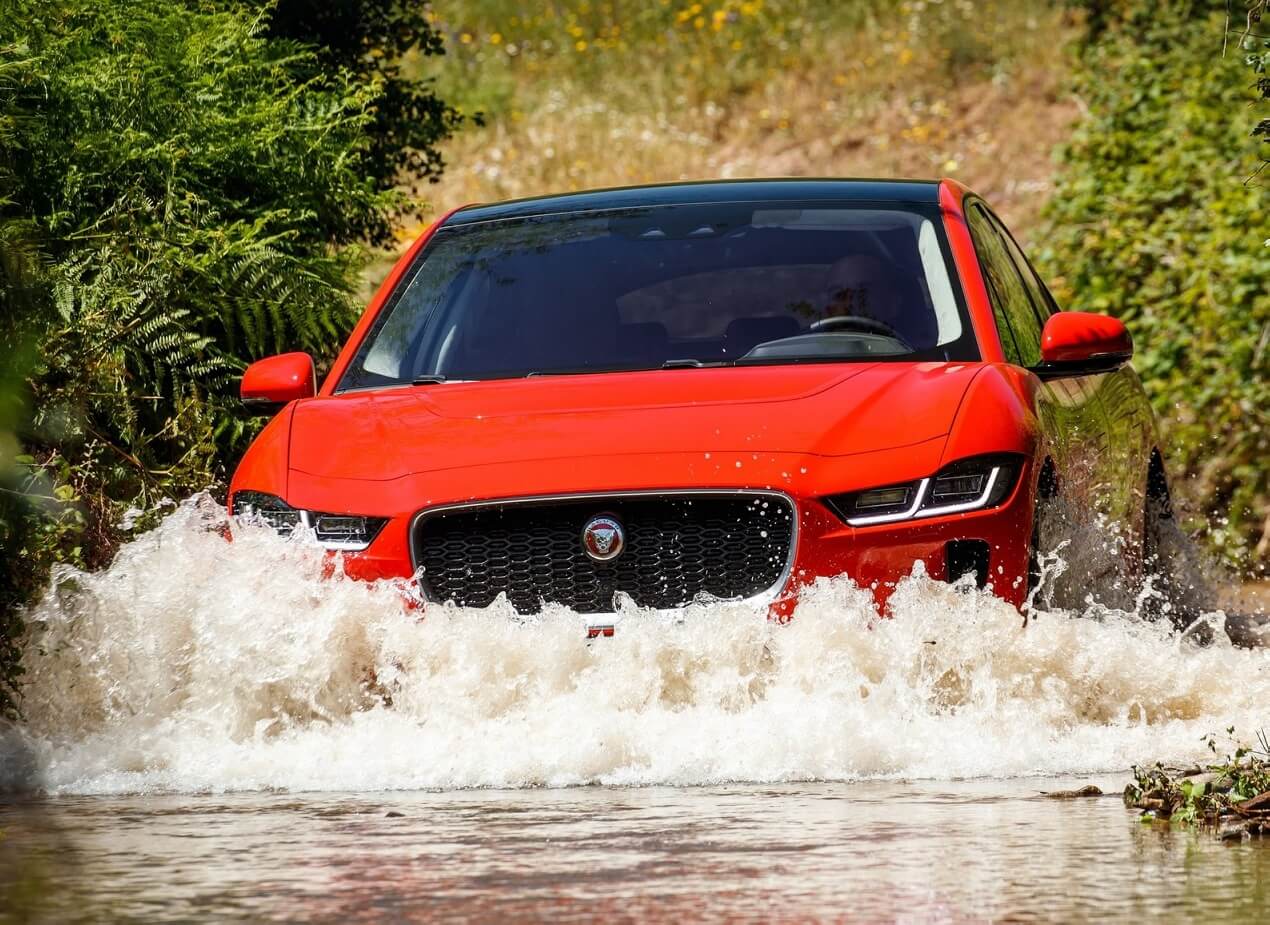
Air suspension was optional and the I-Pace can wade through 500 mm of water. It is not an off-roader, but rough tracks and snow are within its range thanks to the permanent all-wheel drive.
Jaguar also used the car for racing. The I-Pace eTrophy, announced in September 2017, was a one-make series of race-prepared I-Paces that ran alongside Formula E. In August 2018 an I-Pace also set a lap record for electric vehicles at Laguna Seca in California. Neither changes how the road car drives, but both showed that the battery and motors could take repeated hard use on a circuit.
Range, consumption and charging
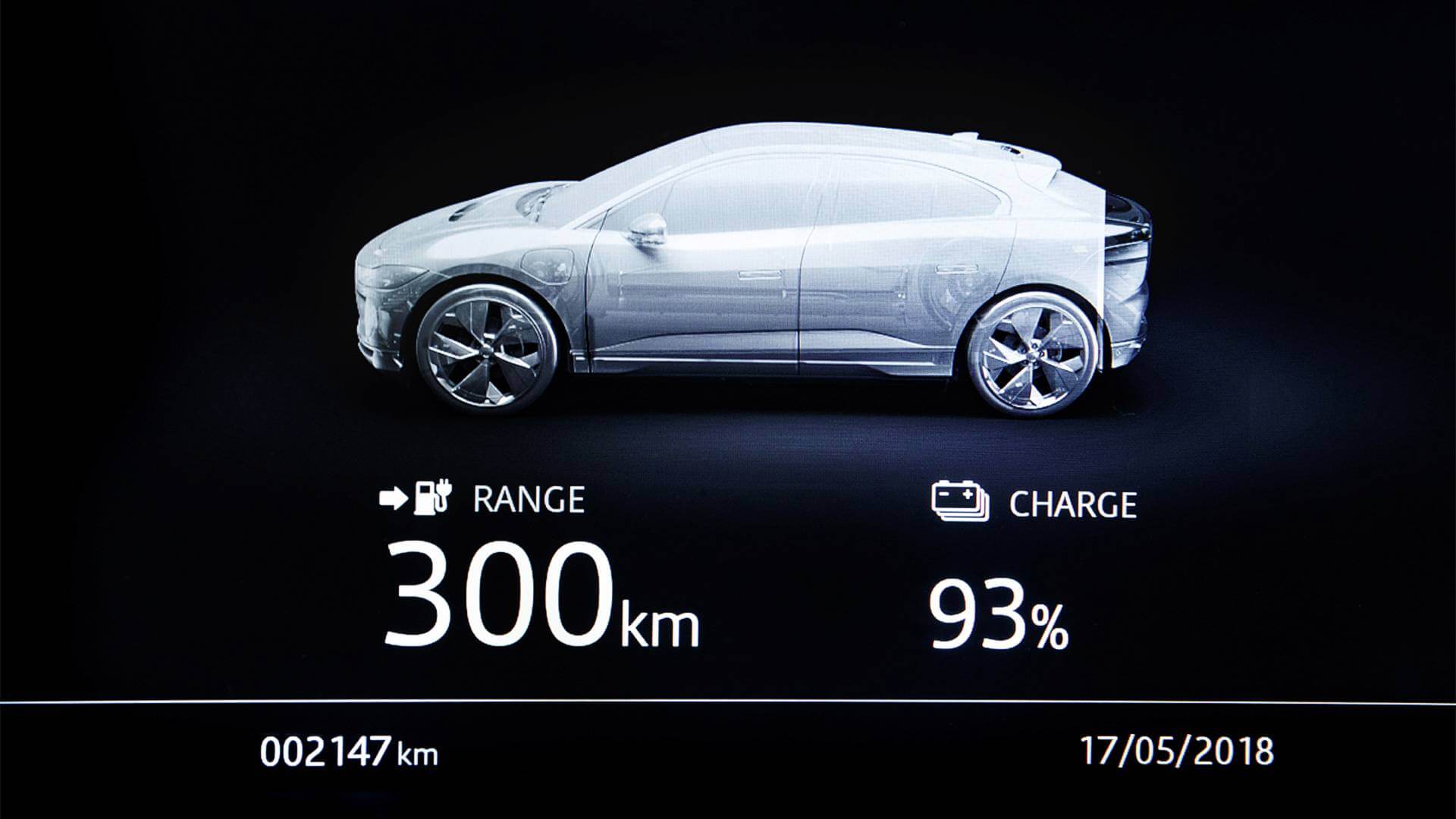
The official WLTP range is 470 km. In the United States the EPA first rated it at 377 km, and a software update in December 2019 raised that to 396 km. By our calculation, 90 kWh over 470 km works out to about 19 kWh per 100 km, measured from the gross battery figure. This is a high figure for the class, and owners who drive fast on motorways or in cold weather should expect noticeably less range than the WLTP number.

| Charging method | Power | Typical time |
|---|---|---|
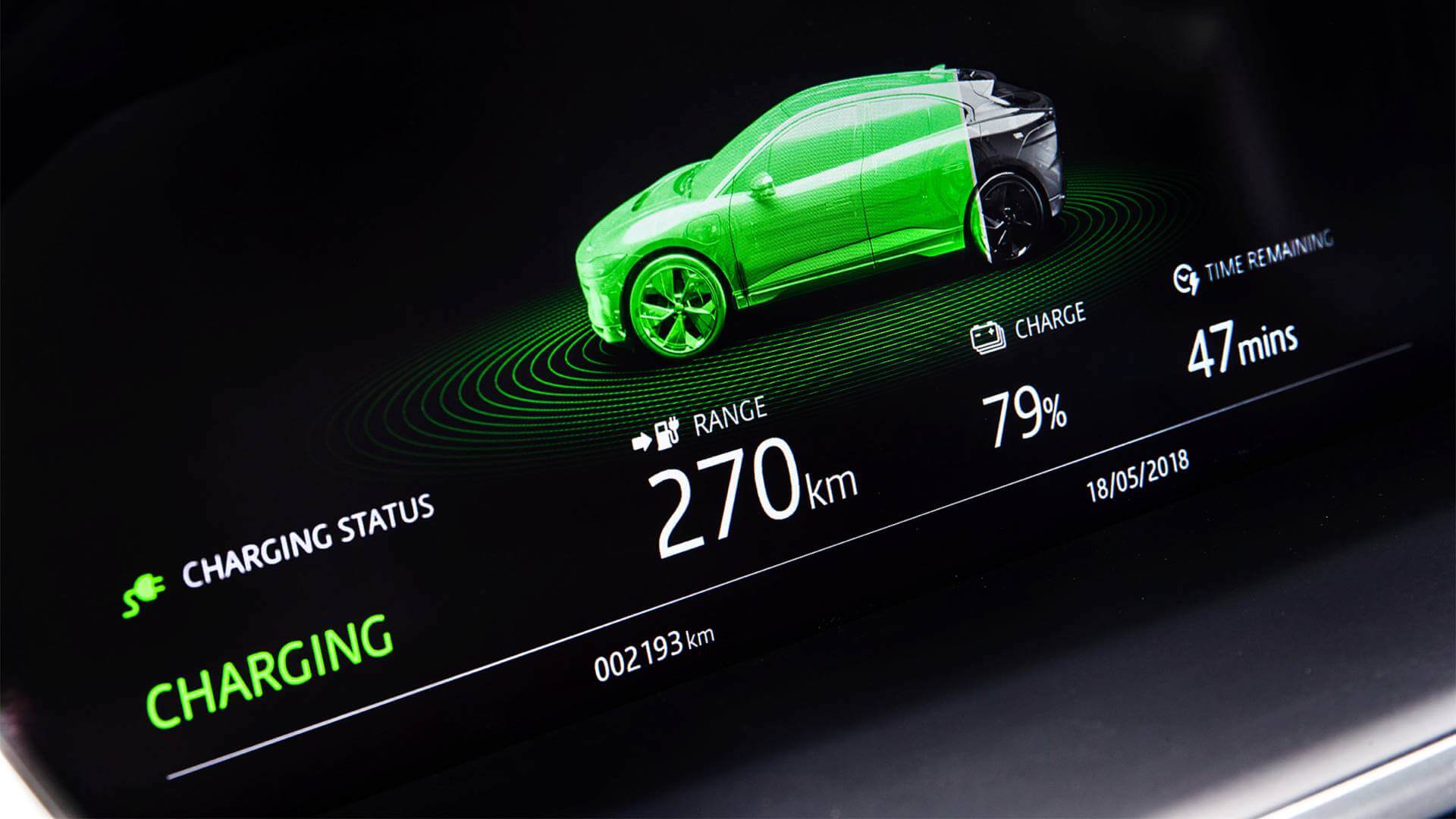
| DC rapid charger | 100 kW | 0–80 % in about 45 minutes |
| DC charger | 50 kW | 0–80 % in about 85 minutes |
| AC wallbox, 2018–2020 cars | 7.4 kW single-phase | 0–80 % in about 10 hours |
| AC wallbox, 2021 cars on | 11 kW three-phase | faster where three-phase supply is available |
The 11 kW on-board charger arrived with the 2021 model year update, which also brought new infotainment. For used buyers this matters: an early car cannot use the faster three-phase AC supply common in continental Europe. The cost of charging at home against fuel can be worked out with our cost of ownership calculator.
Awards and safety ratings
In March 2019 the I-Pace became the first Jaguar to win European Car of the Year. A month later it took three titles at the World Car Awards: World Car of the Year, World Car Design of the Year and World Green Car. It also won national car of the year awards in the United Kingdom, Germany and Norway.

Euro NCAP tested it in December 2018 and gave it five stars. The detailed scores were 91 % for adult occupants, 81 % for child occupants, 73 % for vulnerable road users and 81 % for safety assist. ANCAP's aligned rating has the same occupant percentages.
Recalls and the 2024 buyback
The battery is the I-Pace's weak point. In June 2023 Jaguar recalled about 6,400 cars built between 2018 and 2023 to update the battery control software, and modules with faulty LG cells were to be replaced. In August 2024 a further US recall covered 2,760 cars of the 2019 model year, built between January 2018 and March 2019. Dealers limited their charge to 80 %, and owners were told to park and charge outside.

After three of those cars caught fire even with the update, Jaguar decided in November 2024 to buy the affected US cars back. No injuries were reported. Anyone looking at an early car should check the recall status with a dealer and ask for proof that all battery updates and module replacements were done.
Sales, end of production and the robotaxi fleet
Sales were modest for a car with so many awards. These are the registration figures for Europe and the United States:
| Year | Europe | United States |
|---|---|---|
| 2018 | 6,490 | 393 |
| 2019 | 12,232 | 2,979 |
| 2020 | 13,444 | 1,546 |
| 2021 | 8,079 | 1,409 |
| 2022 | 6,409 | 439 |

Europe took 46,654 cars over these five years, and 2020 was the best year. Production ended in December 2024 as Jaguar stopped its existing range to prepare a new electric line-up, and total sales were expected to be around 70,000 cars. A large share of US cars went to Waymo, which ordered up to 20,000 in 2018 for its driverless taxi service. By May 2025 it was running 1,500 of them in four US cities. Jaguar's wider story, including the electric restart, is told in our history of Jaguar.
I-Pace or a rival: who it suits
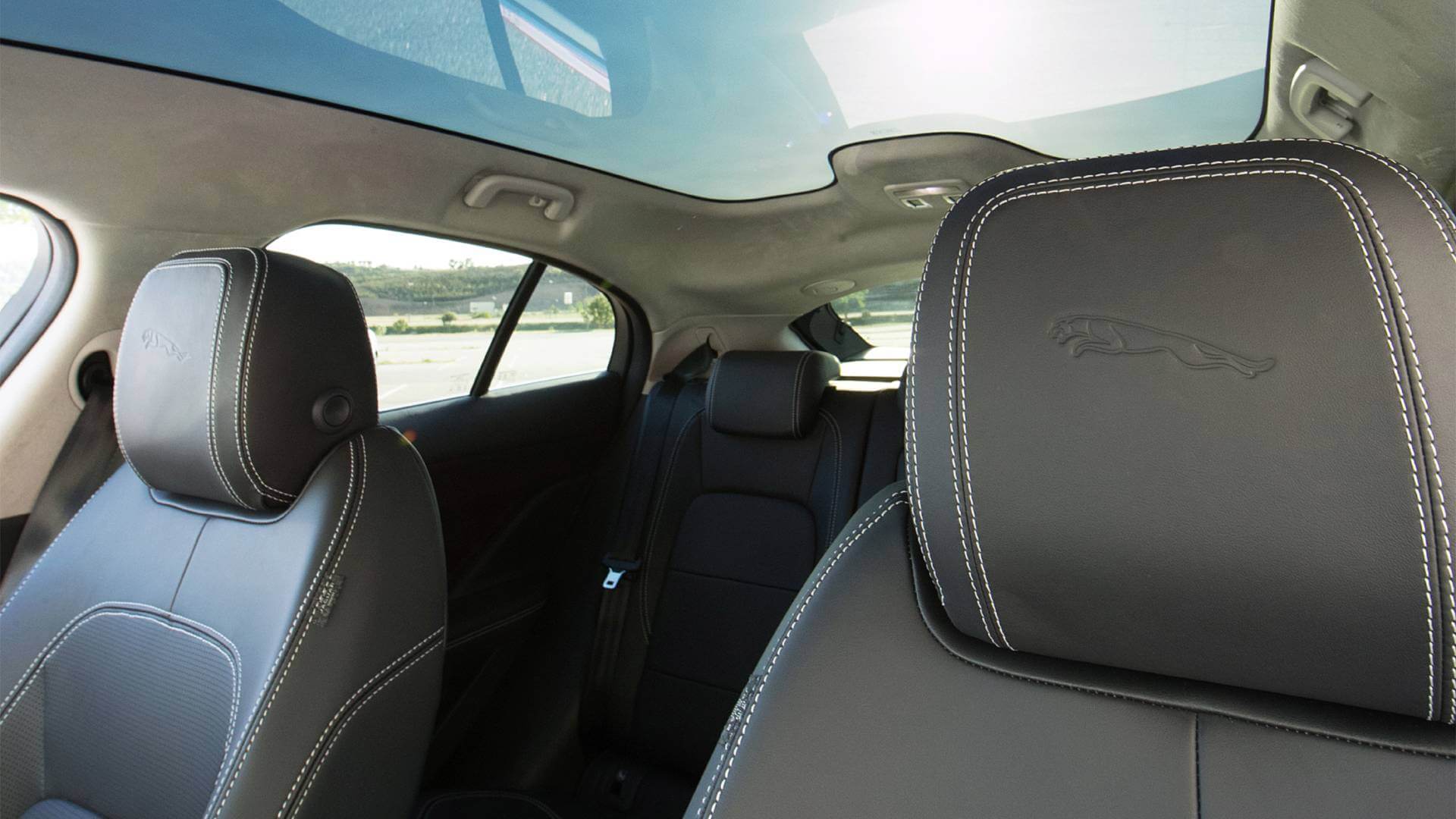
When new, the I-Pace was aimed at the Tesla Model X, the Audi e-tron and the Mercedes EQC. The Tesla offered seven seats and more range, while the Jaguar was more compact and, in our view, better finished inside. Today the I-Pace makes most sense as a used car. It suits drivers with home charging who want a fast, quiet and well-made SUV, and who mostly cover distances well inside 350 km a day.

It suits less well those who drive long motorway trips often or who need quick charging on the road, because 100 kW is slow by later standards. For a used buy, the 2021–2024 cars with the 11 kW charger are the better choice. With an early car, the battery history and recall work matter more than the mileage. Other electric SUVs are listed in our electric cars section.
Rivals
Compare with…
Compare Jaguar I-Pace with
- Tesla Model X quick spec comparison
-
EV
Ended 2026
- Years
- 2015–2026
- Body
- SUV
- Fuel
- Electric
- Power
- 190–760 kW (258–1,033 PS)

Popular comparisons
Jaguar I-Pace in our rankings
- No. 9 of 140 · Biggest boot: SUVs and crossovers (656 l)
- No. 11 of 321 · Biggest boot: cars (656 l · top 4%)
- No. 21 of 126 · Quickest SUVs and crossovers, 0–100 (4.8 s · top 17%)
- No. 95 of 543 · Most torque: cars (696 Nm · top 18%)
- No. 26 of 143 · Power-to-weight: SUVs and crossovers (138 kW/t · top 19%)
- No. 79 of 424 · Heaviest cars (2,133 kg · top 19%)
Bigger boot than 96% of ranked cars in the 1CARS catalog (No. 11 of 321).
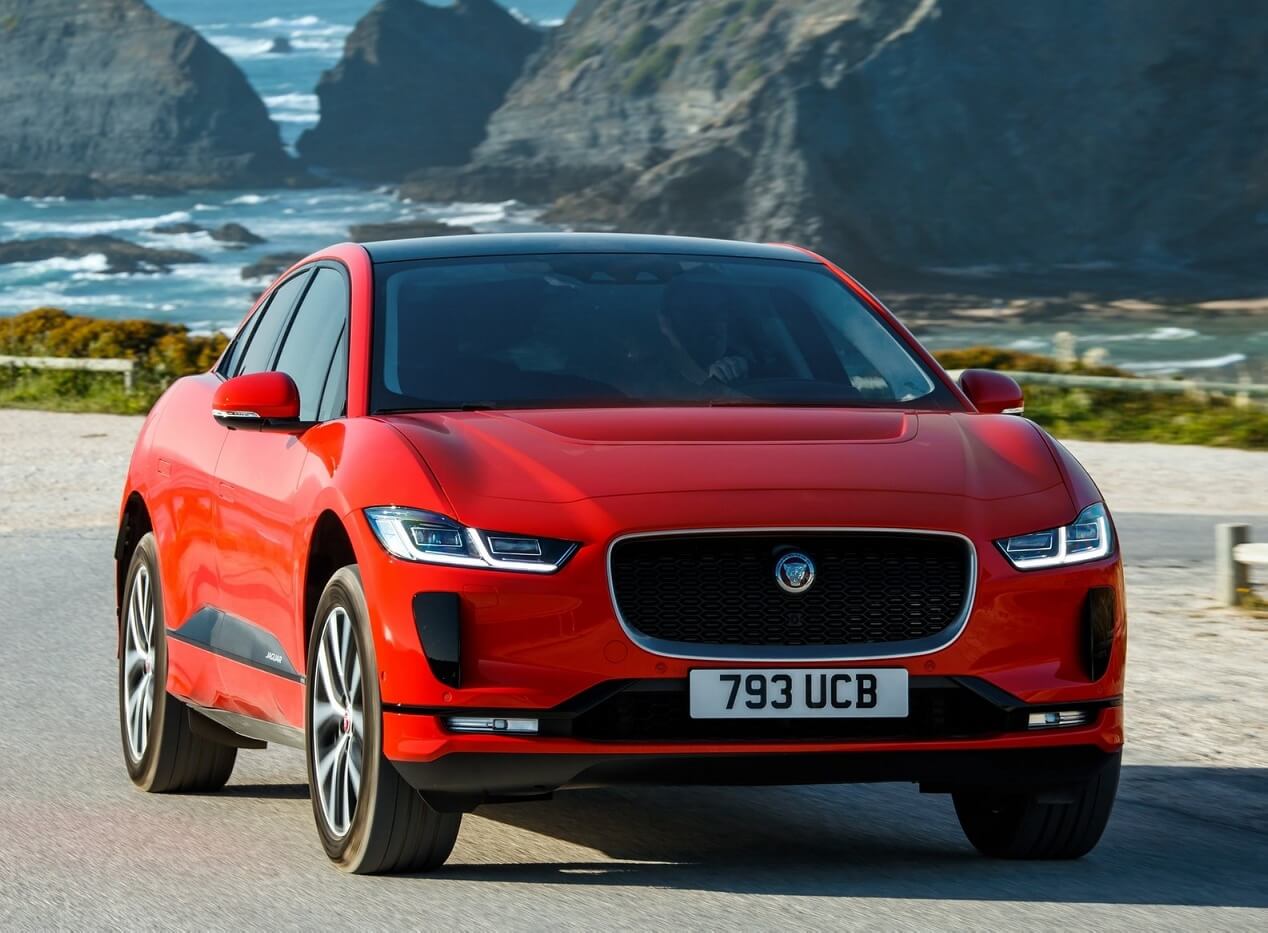
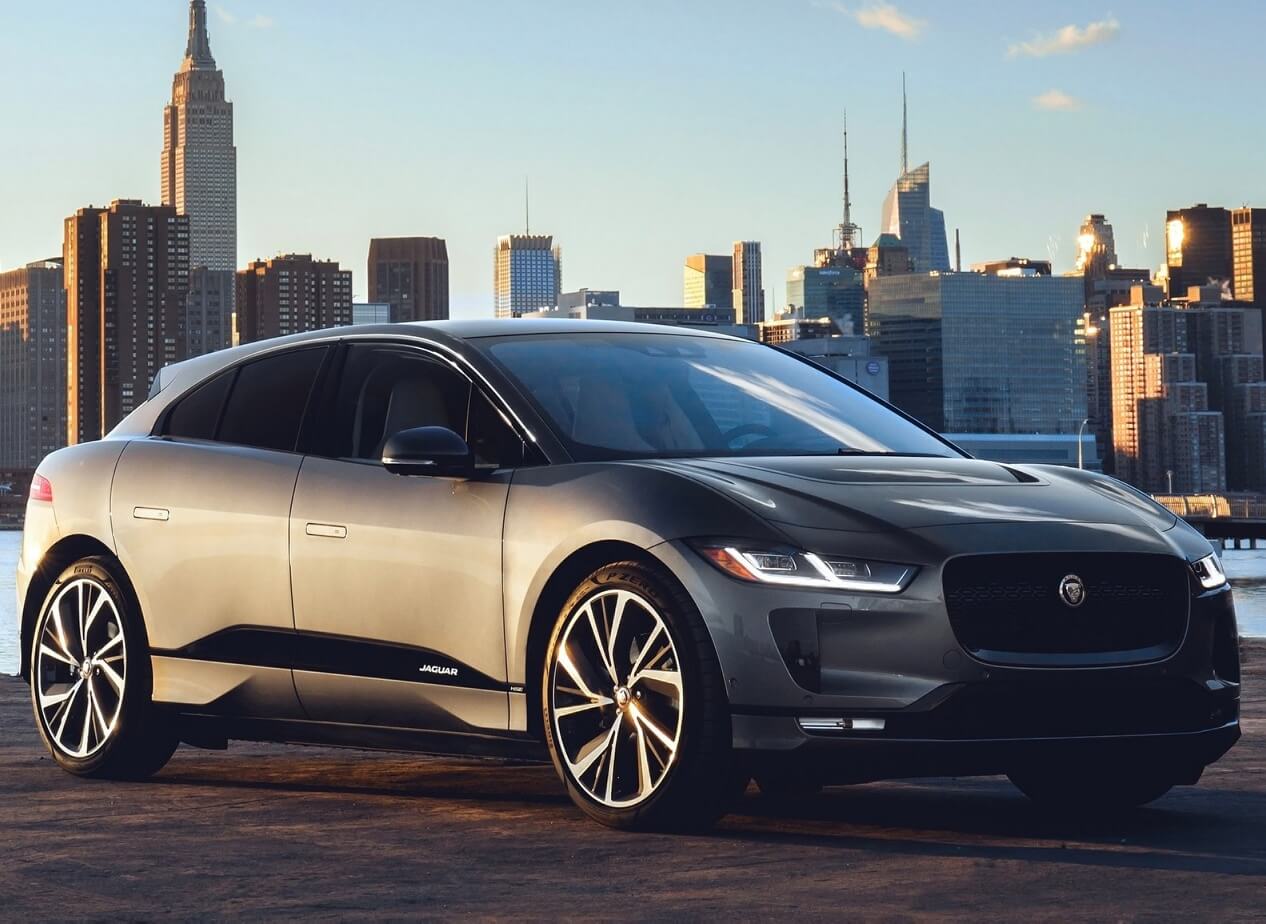
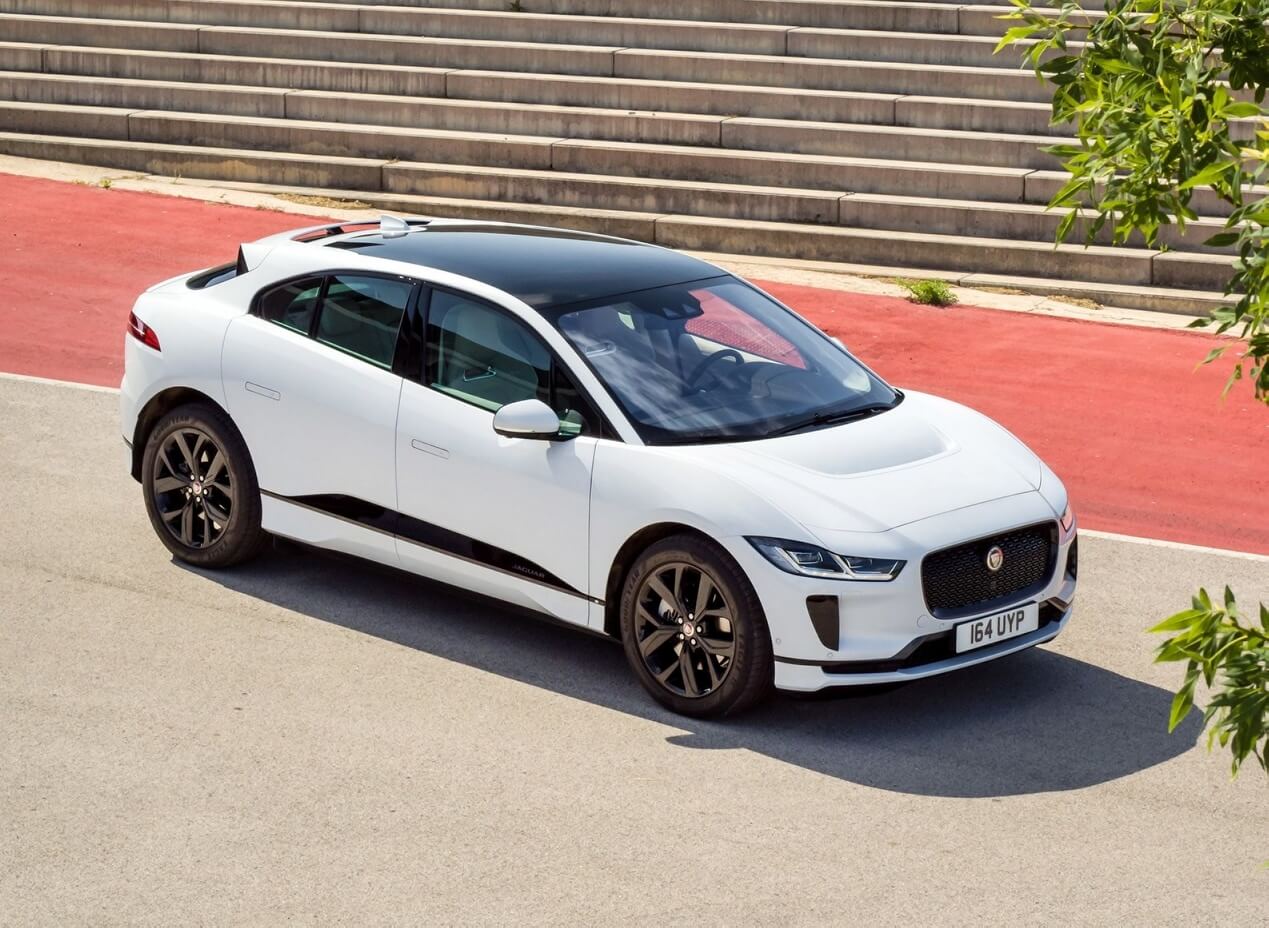
Jaguar I-Pace photos 59





Jaguar I-Pace videos 4

Jaguar I-Pace video 1

Jaguar I-Pace video 2

Test drive

Video review
FAQ
Why did Jaguar stop making the I-Pace?
Production ended in December 2024. Jaguar stopped all its existing models to prepare a new range of electric cars on its own platform, and I-Pace sales had fallen after 2020.
How far can a Jaguar I-Pace go on one charge?
The official WLTP range is 470 km. Real-world range is lower, especially at motorway speeds and in cold weather; the old version of this page estimated 350–400 km in everyday use.
Is the Jaguar I-Pace four-wheel drive?
Yes. It has two electric motors, one on each axle, so every I-Pace drives all four wheels permanently. There was no rear-drive or single-motor version, which is one reason the car copes well with snow and wet roads despite its weight.
Where was the Jaguar I-Pace built?
No I-Pace was built in Britain. The Austrian contract manufacturer Magna Steyr assembled every car at its Graz plant from 2018 to 2024, alongside the Jaguar E-Pace, which it also produced for a time.
Is a used Jaguar I-Pace a good buy?
It can be, if the battery recalls have been carried out and the car has documented software and module updates. Later cars with the 11 kW on-board charger are the safer choice.
Data sources
Data checked by an editor against the sources below.
- The text of this article (1cars archive)
- Wikipedia - Jaguar I Pace
- US EPA fueleconomy.gov - 41413.shtml
- US EPA fueleconomy.gov - 40986.shtml
- EEA CO₂ monitoring (European Environment Agency, CC BY 4.0)


