
 FAW Besturn B50
All generations, specs and history
Updated Published Sources (2) Report an error
By Oleksandr Hnatiuk, Automotive Editor & Used Car Specialist Reviewed by Felix Hartmann

- Built
- 2009–2019
- Generations
- 2
- Top power
- 102 kW (139 PS)
Timeline
Besturn B50 generations
Click a generation for its own page


Gen 1 and II overlapped in 2016–2019, so II sits on a second lane
- Besturn B50 2009–2019 · Sedan · 76–102 kW (103–139 PS)
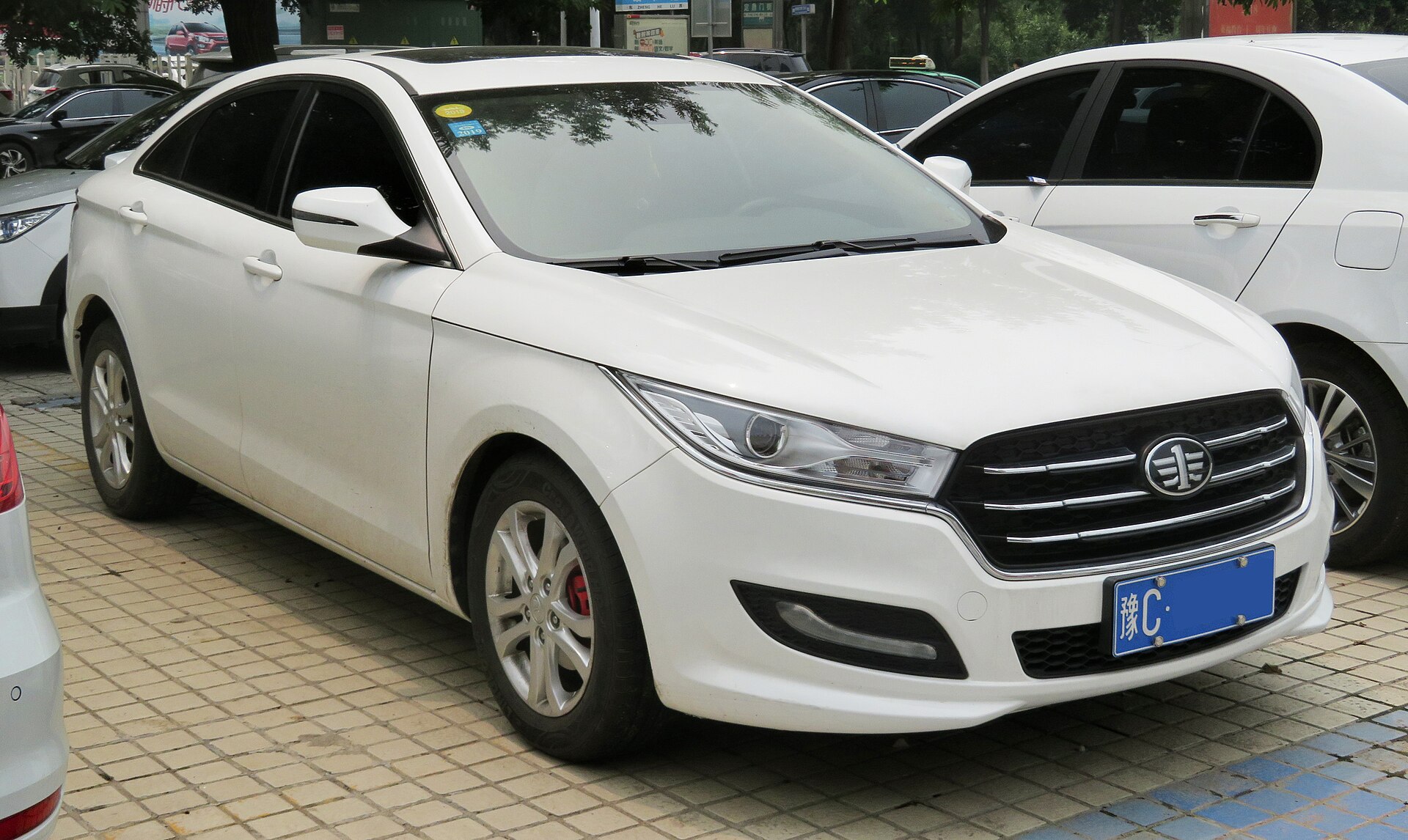
- Besturn B50 II 2016–2019 · Sedan · 80–100 kW (109–136 PS)
Newest first · 2 generations since 2009
-
2016
-
2009
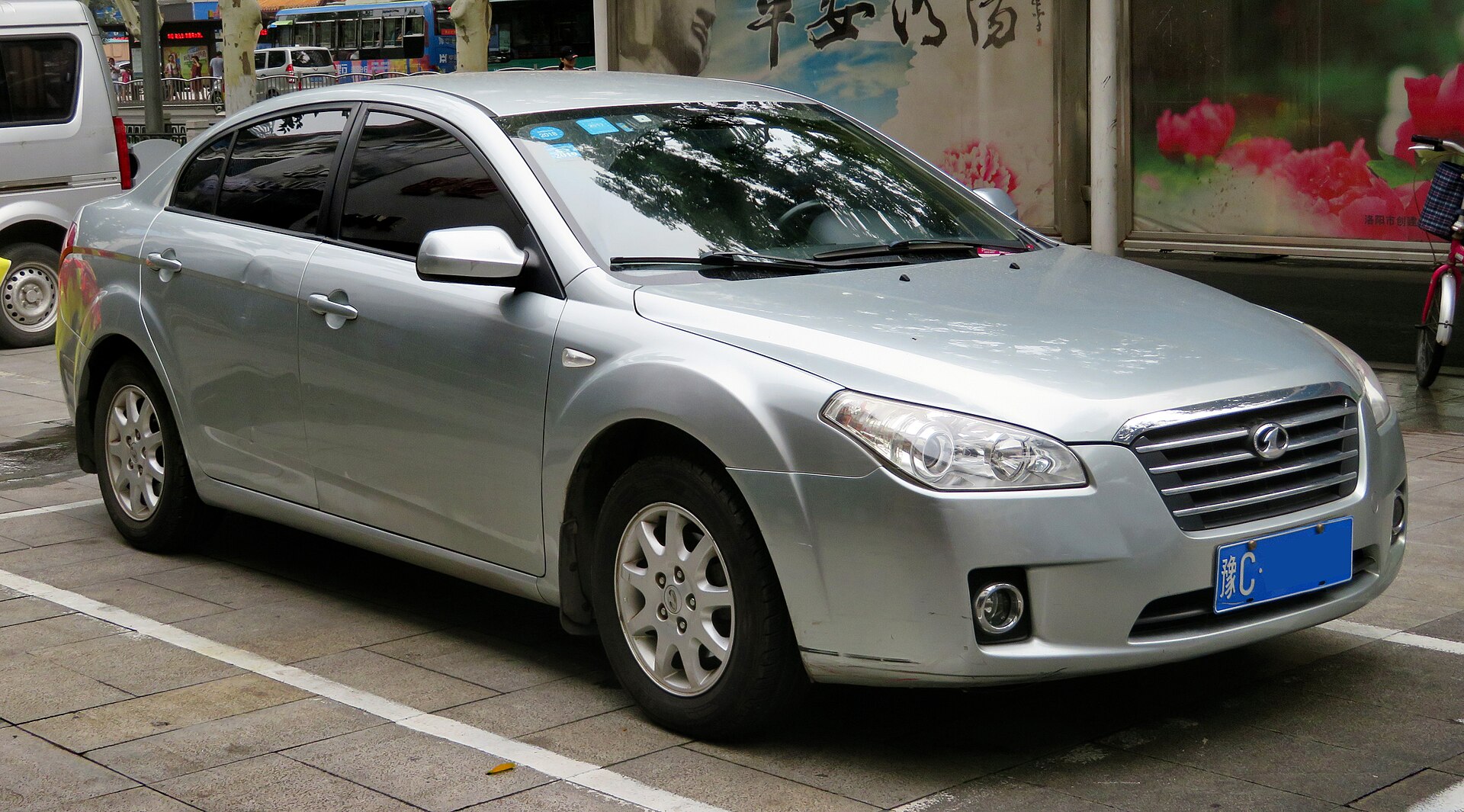
All generations by year: Besturn B50 II (2016–2019) · Besturn B50 (2009–2019)
Which one is mine?
Pick the year of first registration to see which generation it is.
- Besturn B50 II 2016–2019
- Besturn B50 2009–2019
Verdict: which Besturn B50 to choose
Our verdict · Oleksandr Hnatiuk
The B50 suits a buyer who wants a roomy, well-equipped saloon with a proven Mazda-derived chassis and simple running gear. If you are choosing between versions, take a first-generation car after the September 2013 facelift with the 1.8 engine, or a second-generation 1.4 turbo, because both have the power the early 1.6 lacks. Check the service history and the automatic gearbox, and make sure parts are available locally, since the car is now out of production. To shortlist other saloons of similar size with more power, filter by body and output in the car finder.
The FAW Besturn B50 is a front-wheel-drive saloon built by China's FAW Car from 2009 to 2019. The first generation sits on the platform of the previous Mazda 6 and was styled by Italdesign Giugiaro. Its 1.6-litre petrol engine gives 76 kW (103 PS); a 1.8 arrived in 2013, and a new generation followed in 2016.
In short
- Two generations: B50 I (2009–2017) on the earlier Mazda 6 platform, and B50 II (2016–2019).
- Engines: 1.6 petrol with 76 kW (103 PS), later 1.8 petrol with 102 kW (139 PS); the second generation has 80 kW and 100 kW units.
- Gearboxes: five-speed manual or six-speed automatic, always front-wheel drive.
- Safety: four stars in C-NCAP for the first generation; the brand was renamed Bestune in 2018.
Specs by version
Engines
Dimensions and weight
Show all 1 versions
| Version | Kerb weight | Boot |
|---|---|---|
| Besturn B50 · 1.6 76 kW (103 PS) Sedan | 1,300 kg2,866 lb | 450 l15.9 cu ft |
Verified Manufacturer and type-approval data from our catalog · Sources and methodology
The Besturn B50 at a glance: maker, size and markets
The Besturn B50 was the first model of Besturn, the passenger-car brand that FAW created for its own designs. FAW (First Automobile Works) is the oldest car maker in China and has worked with Mazda since the 1990s, which explains the choice of platform. The saloon was shown at the Beijing motor show in April 2008, left the production line in Changchun on 3 March 2009 and went on sale in China on 16 May 2009. You can read how the group grew in the history of FAW Group, and every model of the brand is in the FAW catalogue.

The B50 also travelled. It was built under licence by the Bahman Group in Iran until 2017 and sold in North Korea as the Pyeonghwa Hwiparam 1610. In 2013 FAW sold 62,342 units, and 72,259 in 2014, which made it the best-selling Besturn of those years.
| Fact | Value |
|---|---|
| Maker | FAW Car (FAW Group), Changchun, China |
| Production | 2009–2019 (two generations) |
| Body | Four-door saloon |
| Platform (first generation) | Previous-generation Mazda 6 |
| Design | Italdesign Giugiaro |
| Engines | 1.4 turbo, 1.6 and 1.8 petrol |
| Drive | Front-wheel drive |
| Related models | Besturn B70, Besturn X80 |
Besturn B50 generations: 2009 and 2016
| Generation | Code | Years | Body styles | Engines | Power (hp / kW) |
|---|---|---|---|---|---|
| B50 I | – | 2009–2017 (facelift September 2013) | Saloon | 1.6 petrol, 1.8 petrol | 76–102 kW (103–139 PS) |
| B50 II | – | 2016–2019 (facelift 2018) | Saloon | 1.6 petrol, 1.4 turbo petrol | 80–100 kW (109–136 PS) |
The first generation was built for eight years with one facelift in September 2013, when a 1.8-litre engine joined the range. The second generation went on sale in China in August 2016 with a fresh body, a new interior and a sporty RS version with a black grille and red trim. When FAW renamed the brand Bestune in 2018, the car became the Bestune B50; the last new cars were registered in China in December 2019.

1.6, 1.8 and 1.4 turbo: the B50's petrol engines
The base engine of the first generation is a 1.6-litre four-cylinder petrol unit from the Volkswagen Bora, which FAW also builds in its joint venture with Volkswagen. It produces 76 kW (103 PS) at 6,000 rpm. Buyers could choose a five-speed manual gearbox or a six-speed automatic supplied by Aisin. After the 2013 facelift a 1.8-litre petrol engine with 102 kW (139 PS) became the top option.

The second generation kept the 1.6 with 80 kW (109 PS) and added a 1.4-litre turbo with 100 kW (136 PS), offered only on the RS. All versions drive the front wheels.
| Engine | Generation | Power | Gearboxes |
|---|---|---|---|
| 1.6 petrol, naturally aspirated | B50 I | 76 kW (103 PS) at 6,000 rpm | 5-speed manual, 6-speed automatic |
| 1.8 petrol | B50 I (from 2013) | 102 kW (139 PS) | 5-speed manual, 6-speed automatic |
| 1.6 petrol, naturally aspirated | B50 II | 80 kW (109 PS) | 5-speed manual or 6-speed automatic, by version |
| 1.4 turbo petrol | B50 II (RS) | 100 kW (136 PS) | 5-speed manual or 6-speed automatic, by version |
With 76 kW and a kerb weight of about 1,300 kg, the early 1.6 is no quick car; the old 1cars text calls it a little weak, but economical. By our calculation the 1.6 has to move about 17 kg per kW, compared with roughly 13 kg per kW for the 1.8, so the facelifted car and the 1.4 turbo suit motorway driving better.
Mazda chassis, roomy cabin and a 450-litre boot
The Mazda 6 roots show in the suspension: double wishbones at the front and a multi-link axle at the rear, both with anti-roll bars. That gives the B50 a settled ride and better handling than most Chinese saloons of its time. Italdesign gave it its own face, with tall headlamps, a slim grille and round fog lamps, so it does not look like a copy of the Mazda.

The old 1cars text describes a wide, bright cabin with soft-touch materials and none of the plastic smell that was common in Chinese cars of the period. The dashboard has an on-board computer with red lighting, and the four-spoke steering wheel adjusts for height. In the better trims the driver's seat adjusts electrically in eight directions, with lumbar support. The rear bench has good knee and head room for two adults, and rear air vents, but the centre tunnel limits the middle seat. The boot holds about 450 litres.
| Parameter | Metric | Imperial |
|---|---|---|
| Engine (base) | 1.6 l, 76 kW (103 PS) | 97.6 cu in |
| Kerb weight | about 1,300 kg | about 2,870 lb |
| Boot capacity | about 450 l | about 15.9 cu ft |
| Wheels (base) | 15-inch alloy | 15-inch alloy |
| Front suspension | double wishbone | – |
| Rear suspension | multi-link | – |
The kerb weight, boot and wheel size come from the old 1cars text; FAW did not publish a full European-style data sheet.
Running costs without official fuel figures
FAW did not publish fuel figures on a European test cycle for the B50, so owners' own readings are the best guide; enter yours in the fuel cost calculator to estimate the cost of a trip. The 1.6 is a simple, proven Volkswagen design, so parts and servicing are straightforward in the countries where the car was sold. Its small capacity was also an advantage at home: in 2009 China cut the purchase tax on cars of 1.6 litres or less, and the B50 1.6 qualified.

What the trims include
The old 1cars text lists first-generation trims from Modern with a manual gearbox to Premium with the automatic. The base car already had two front airbags, ABS, air conditioning, electric windows front and rear, a six-speaker audio system, an alarm and 15-inch alloy wheels. The Premium added side airbags, leather trim, an electric sunroof, tyre-pressure sensors, cruise control and a colour touchscreen.
Crash-test record: four C-NCAP stars
The first-generation B50 earned four stars in the Chinese C-NCAP crash test. It was never tested by Euro NCAP or the IIHS, because it was not sold in Europe or North America.
Rivals: how the B50 compares
The B50 competed with the many compact and mid-size saloons in China, often built by joint ventures with foreign brands. Its strongest points were the Mazda chassis, the Italdesign styling and the equipment for the money. Its weak points were the modest power of the early 1.6 and a brand with little reputation. Inside FAW, the bigger Besturn B70 also uses a Mazda 6 base, while the Besturn X80 brought the same idea to SUVs. For a smaller and cheaper FAW saloon, see the FAW Oley.

FAW Besturn B50: first vs latest generation
| Spec | Besturn B50 | Besturn B50 II | Change |
|---|---|---|---|
| Years | 2009–2019 | 2016–2019 | 7 years apart |
| Most powerful version | 102 kW (139 PS) | 100 kW (136 PS) | −2 kW (−2%) |
Oldest and newest generation in the 1cars catalog. Power is the strongest version of each; other rows are shown only when both generations have the figure.
Image credits · Photos from Wikimedia Commons under free licences
- FAW Besturn B50 · Photo: Kevauto / Wikimedia Commons, CC BY-SA 4.0
- FAW Besturn B50 II · Photo: Kevauto / Wikimedia Commons, CC BY-SA 4.0
FAW Besturn B50 in our rankings
- No. 114 of 391 · Lightest cars (1,300 kg · top 30%)
- No. 20 of 61 · Lightest sedans (1,300 kg · top 33%)
- No. 434 of 1082 · Longest-running car nameplates (10 years · top 43%)
- No. 143 of 321 · Biggest boot: cars (450 l · top 47%)
- No. 122 of 174 · Most powerful sedans (102 kW · top 71%)
- No. 46 of 67 · Biggest boot: sedans (450 l · top 72%)
Lighter than 70% of ranked cars in the 1CARS catalog (No. 114 of 391).
FAW Besturn B50 photos 14


FAW Besturn B50 videos 2

Test drive

Video overview
FAQ
How many generations of the FAW Besturn B50 are there?
There are two. The first generation was built from 2009 to 2017 on the platform of the previous Mazda 6, with a facelift in September 2013. The second generation was launched in August 2016 and was built until 2019.
What engine does the FAW Besturn B50 have?
The first generation has a 1.6-litre petrol engine with 76 kW (103 PS), and from 2013 a 1.8 with 102 kW (139 PS). The second generation uses a 1.6 with 80 kW (109 PS) and a 1.4 turbo with 100 kW (136 PS).
Is the Besturn B50 based on the Mazda 6?
Yes. The first-generation B50 uses the platform of the earlier Mazda 6, which FAW also built in its joint venture with Mazda. Italdesign Giugiaro designed its body, so it looks different from the Mazda.
Is the Besturn B50 available with an automatic gearbox or all-wheel drive?
A six-speed automatic, supplied by Aisin on the first generation, was offered alongside a five-speed manual. All versions are front-wheel drive; there was no all-wheel-drive or hybrid B50 in series production.
What does Bestune B50 mean?
Bestune is the new name of the Besturn brand, adopted by FAW in 2018. Cars built after the change are badged Bestune B50, but they are the same second-generation saloon.
Data sources
Data checked by an editor against the sources below.
- The text of this article (1cars archive)
- Wikipedia - Besturn B50


