
Steel or Alloy Wheels? How to Choose the Right Rims for Your Car
Choose steel wheels if you want the cheapest, toughest option for winter tyres and rough roads, and alloy wheels if you care more about looks, brake cooling and resale value. Modern steel and cast alloy wheels of the same size often weigh about the same, so the real differences are cost, repairability, corrosion and design.
Key takeaways
- Steel wheels bend rather than crack and can usually be straightened; alloys can crack and are harder to repair.
- Alloy wheels typically cost 30–50% more than steel to buy and repair.
- Many drivers run alloys in summer and steel wheels with winter tyres, because road salt attacks alloy finishes.
- Any wheel must match the car's bolt pattern, offset, centre bore and load rating, and have the right approval.
Short answer: steel or alloy?
For a family car used all year, a set of alloys for summer and steel wheels for winter tyres is the most practical combination. If you run one set all year on poor roads, steel wheels with plastic trims cost less and survive potholes better. Choose alloys, and ideally lighter flow-formed or forged ones, when appearance, brake cooling or performance driving matters.
How car wheels are made and why it matters
The construction method decides how a wheel behaves when it hits a kerb or a pothole.
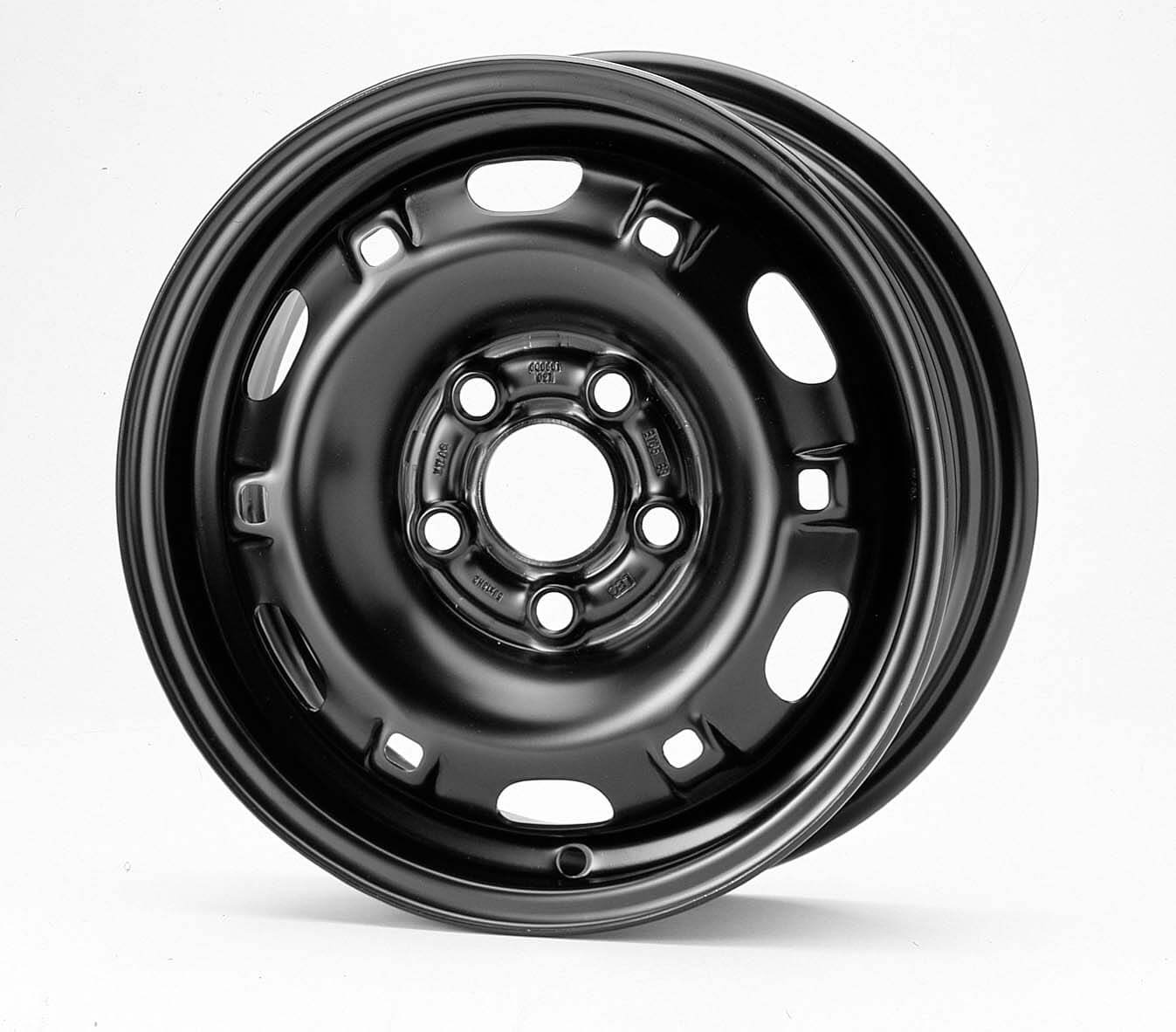
- Pressed steel: the centre disc and the rim are stamped from sheet steel, welded together and painted. Steel is ductile, so an impact bends the rim instead of breaking it.
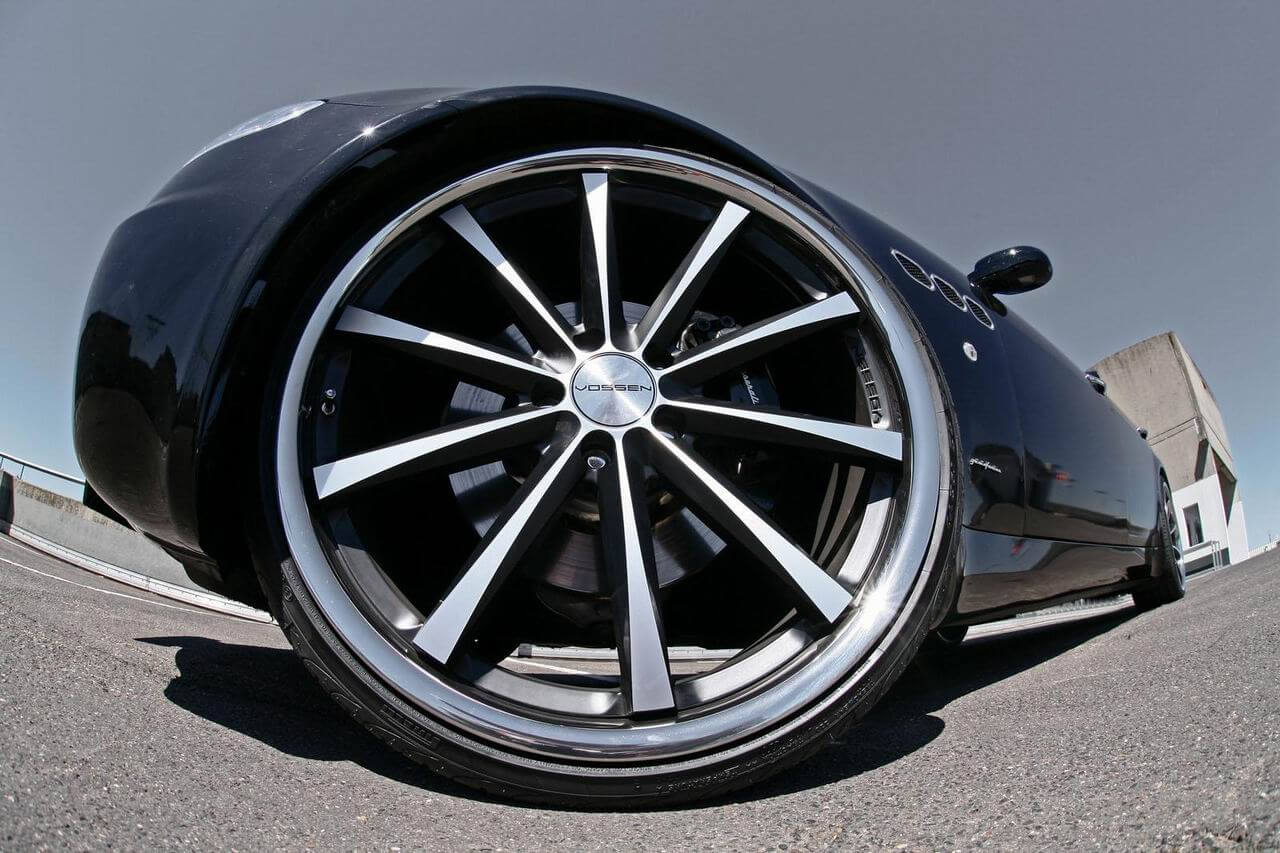
- Cast alloy: molten aluminium alloy is poured or drawn into a mould, cooled and machined. Casting can leave tiny pores, so makers add material for strength, which adds weight.
- Flow-formed: a cast wheel with a narrow barrel is heated and spun while rollers stretch the barrel to its final width. The barrel becomes stronger and thinner, while the centre stays cast.
- Forged: a solid aluminium billet is pressed under high pressure, so the grain follows the shape of the wheel. One maker quotes 30–35% less material than a cast wheel of the same strength.
Magnesium wheels exist but are mainly used in motorsport and on a few supercars, because of cost and corrosion. Wheels made from titanium, sometimes mentioned in older guides, are not a mainstream road product.
Weight is less clear-cut than the marketing suggests. German motoring magazines note that modern high-strength steel wheels are often close to cast alloys of the same size, and some cast alloys are heavier. Large savings in unsprung mass come mainly from forged and flow-formed designs.
Steel vs alloy wheels compared
| Option | Best for | Pros | Cons | Relative cost |
|---|---|---|---|---|
| Pressed steel | Winter tyres, rough roads, work vehicles | Bends instead of cracking, easy to straighten, resistant to kerb damage | Plain look, rusts once paint is damaged, trims can fall off | Lowest |
| Cast alloy | Most cars, summer tyres | Wide choice of designs, better brake cooling, adds resale appeal | Can crack on hard impacts, finish suffers from salt and kerbs, repairs are limited | About 30–50% more than steel |
| Flow-formed alloy | Performance road cars | Lighter and stronger barrel than cast | Fewer sizes and designs | Between cast and forged |
| Forged alloy | Sports cars, track days | Lightest and strongest per kilogram | Expensive, limited sizes | Highest |
The cheapest steel wheel is usually the best tool for a winter set, while the choice between cast, flow-formed and forged alloys depends on budget and how hard the car is driven.
Step-by-step: how to choose wheels that fit
Before you look at designs, take the technical data from your owner's manual or vehicle registration documents, then check each item below.
- Diameter and width: the rim size, such as 7J x 17, must be approved for your car and suit the tyre size.
- Bolt pattern (PCD): the number of studs and the circle diameter, such as 5x112, must match exactly.
- Offset (ET): the distance from the wheel centre line to the mounting face, in millimetres. A wrong offset changes the track width and can make the tyre touch the suspension or wheel arch.
- Centre bore: it must match the hub or be reduced with hub-centric rings, so the wheel is centred by the hub, not just the bolts.
- Load rating: the wheel's maximum load must cover the axle loads of your car.
- Bolts or nuts: steel and alloy wheels often need different bolts, with a different seat shape or length.
- Tyre pressure sensors: new cars sold in the EU since November 2014 must have a tyre pressure monitoring system, so plan sensors for a second set.
| Step | What to check | Tools / time |
|---|---|---|
| 1 | Approved rim and tyre sizes | Owner's manual, registration documents; 10 minutes |
| 2 | PCD, offset, centre bore, load rating | Markings inside the wheel or the maker's data sheet; 10 minutes |
| 3 | Approval document for your exact car | Wheel maker's database; 5 minutes |
| 4 | Bolts and TPMS sensors | Wheel retailer or tyre fitter |
| 5 | Torque check after fitting | Torque wrench; re-check after a short distance |
You can compare tyre sizes and rolling circumference with the tyre size calculator, and the right rubber for each season is covered in our guide to choosing winter tyres.
Costs: what to expect
Steel wheels are the cheapest option, and alloys typically cost 30–50% more to buy and to repair, according to a 2025 comparison by the parts retailer AUTODOC. Prices rise quickly with diameter: a large forged wheel can cost several times more than a cast alloy of the same size.
Running costs differ too. A bent steel wheel can often be straightened by a tyre shop for much less than a new one. Alloy wheels can be refurbished when the damage is cosmetic, but a cracked alloy should be replaced rather than welded, because the repaired area remains the weakest point of the wheel. Locking wheel bolts are a sensible extra for expensive alloys, and steel wheel trims are cheap to replace when they come loose.
Winter use, road salt and care
Road salt is the main reason many drivers keep a separate winter set on steel wheels. Salt and grit attack damaged paint and clear coat on alloys, while steel wheels shrug off kerb scuffs and are cheap to replace. If you prefer alloys in winter, choose a design the maker lists as suitable for winter use; powder-coated and multi-layer painted finishes cope better.
Cleaning is part of ownership. Use a dedicated wheel cleaner rather than strong acid products, and seal alloys before winter so that salt and brake dust are easier to wash off. Check the inner barrel at each tyre change, because damage often starts out of sight.
Common mistakes to avoid
- Buying wheels by look and size alone, without checking offset, centre bore and load rating.
- Reusing alloy-wheel bolts on steel wheels, or the other way round, when the seat shape differs.
- Forgetting tyre pressure sensors for a second set on a car that needs them.
- Welding a cracked alloy wheel instead of replacing it.
- Mixing wheel types or sizes on the same axle, which affects handling and braking.
Legal and safety notes in the EU
Aftermarket wheels need an approval that covers your car. In Germany, a wheel with a general type approval (ABE) or an EU or ECE type approval can be fitted without inspection if your model is listed, and you should carry the document in the car. A wheel with only a parts certificate (Teilegutachten) must be inspected and entered by an approved testing organisation such as TÜV or DEKRA. Other EU countries have similar rules, so check with your national testing body before buying.
Ask a tyre professional to fit and balance new wheels, tighten the bolts to the vehicle maker's torque and check them again after a short distance. A wheel with a visible crack, a buckled rim or vibration at speed should be inspected before the car is driven further. Tyre makers are compared in our overview of tyre brands, and short definitions are in the car glossary. For rim and tyre terms, see the dictionary of automotive terms, and for one model-specific example, how to pick the right wheels for the Chevrolet Niva.
FAQ
Are alloy wheels better than steel wheels?
Not in every way. Alloys look better, cool the brakes better and add resale appeal, while steel wheels are cheaper, tougher and easier to straighten after a pothole. Many drivers use alloys in summer and steel wheels with winter tyres.
Are steel wheels heavier than alloy wheels?
Usually a little, but the gap is often small. Modern high-strength steel wheels can weigh about the same as cast alloys of the same size; only forged and flow-formed alloys are clearly lighter.
Can I put alloy wheels on a car that came with steel wheels?
Usually yes, if the size, bolt pattern, offset, centre bore and load rating match the car and the wheel has an approval listing your model. Alloys often need different bolts, and TPMS sensors may be required.
Can a cracked alloy wheel be repaired?
Cosmetic damage can be refurbished, but a cracked alloy wheel should be replaced. Welding leaves a weak spot that can fail on the next impact, while a bent steel wheel can often be straightened safely.
Should I use steel or alloy wheels for winter tyres?
Steel wheels are the usual choice for winter tyres because they are cheap and tolerate road salt and kerb damage. If you prefer alloys, choose a design approved for winter use and seal and clean them regularly.


